
Best Multipoint Door Locks for uPVC and Composite Doors
Best Multipoint Door Locks for uPVC and Composite Doors: choosing the right multipoint door lock is one of the most effective ways to improve security, wea...
Best Multipoint Door Locks for uPVC and Composite Doors: choosing the right multipoint door lock is one of the most effective ways to improve security, weather performance and operation on uPVC and composite entrance doors. This post outlines the types of multipoint mechanisms, what to look for when buying, trade and DIY fitting tips, and recommended manufacturers and configurations for different situations.
Why choose a multipoint door lock?
A multipoint door lock secures the door into the frame at several points along its height rather than at a single latch. That multi-point engagement reduces the chance of forced entry, stops the door from twisting, and gives a better seal against draught and water. For uPVC and composite doors, where door skins and frames rely on mechanical fixings, a quality multipoint lock is essential for security and longevity.
Common types and key components
- Hook and roller mechanisms: Hook bolts are excellent on composite doors for pulling the sash tightly into the frame. Roller cams give smooth engagement and are common on uPVC doors where ease of operation is a priority.
- Mushroom or anti-lift cams: These resist jacking attacks and improve profile seal performance.
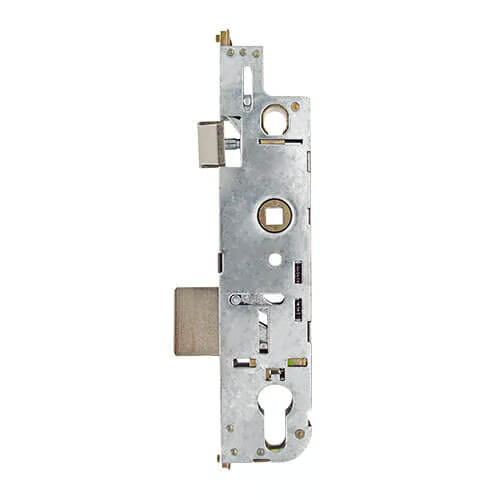
- Centre gearbox: Houses the latch and gearbox that operate the top and bottom bolts; choose hardened steel gearboxes for heavy use in trade settings.
- Deadbolt/centre deadlock: A solid deadbolt activated by the key provides resistance against kick-in.
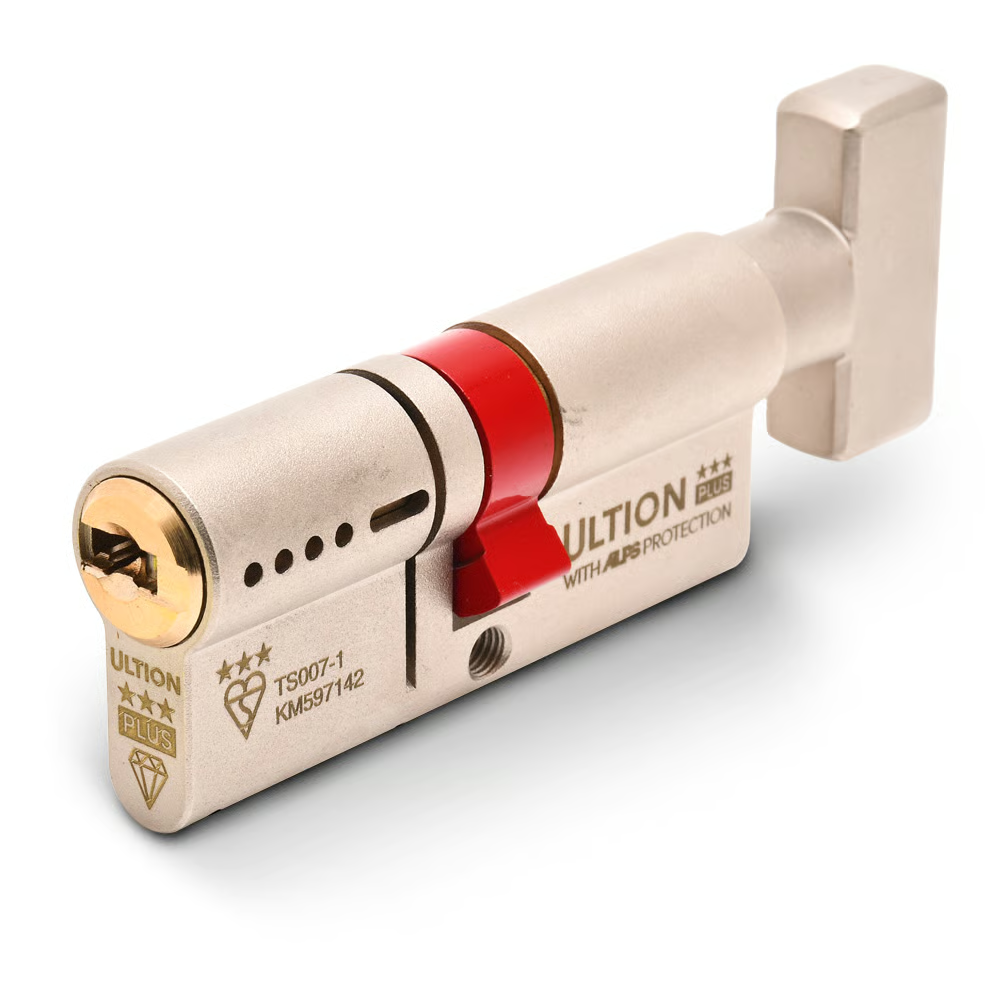
- Euro profile cylinder: Most multipoint locks on UK doors use euro cylinders; choose anti-snap, anti-drill and TS 007 3-star accredited cylinders for best security.
- Faceplate and backset: Faceplate width and backset must match the door preparation; common faceplate widths are 16mm and 20mm but always measure before ordering.
What to look for when buying
- Security certification: Look for PAS 24 compliance for the finished door, or products used in PAS 24 test assemblies; cylinders with TS 007 3-star accreditation or Sold Secure rating reduce vulnerability to snapping.
- Compatibility with door type and thickness: Composite doors often need a lock with robust hook bolts and a deeper deadbolt; uPVC doors may suit roller and mushroom cam combinations. Confirm door thickness and screw positions.
- Handing and spindle type: Most multipoint locks are handed left or right; reversible models exist but check follower size and spindle length to match your handles.
- Maintenance and wear parts availability: Choose manufacturers with spare parts available; gearboxes, cams and rollers can be replaced without removing the entire door in many installations.
- Finish and faceplate dimensions: Make sure the faceplate finish matches the aesthetic and that the faceplate size fits the door trim without further modification.
Recommended choices by application
Rather than a single best model, trade professionals and homeowners will find the best result by matching type to application. Below are reliable manufacturer types and what they suit.
- High-security composite doors: Use a multipoint lock with multiple hook bolts and a robust centre deadbolt; reputable makes include Fuhr, Winkhaus and GU Ferco. These manufacturers produce 3-hook or multi-hook systems that pull the sash into the frame for a solid seal and strong resistance to levering.
- Smooth-operating uPVC doors: Look for roller cams combined with a central deadlock from manufacturers such as Yale, ERA and Maco. Roller systems reduce friction and work well where frequent opening and closing is expected.
- Retrofit replacements: Choose a like-for-like gearbox and faceplate profile from suppliers including Winkhaus and GU; many replacement multipoint locks are sold with universal backsets and reversible followers to fit an existing door preparation.
- Trade installations requiring certification: Specify systems that have been tested as part of a PAS 24 assembly and use TS 007 3-star cylinders; Fullex and Winkhaus systems are commonly specified by installers aiming for SKA or Secured by Design compliance.
Trade and DIY installation tips
- Measure carefully: Record the distance from the top of the faceplate to the centre of the cylinder, overall lock case length, backset and screw centres. Also measure door thickness and handing. A template from the supplier will speed fitting.
- Remove and inspect the old keepers: If replacing a lock, assess keeps for wear; ragged or misaligned keeps will prevent correct engagement and cause premature wear of the new hardware. Replace keeps where necessary.
- Check alignment: Before screwing the new faceplate permanently, check that the hooks and rollers engage cleanly into their keeps. You may need to adjust frame keep positions by a few millimetres to obtain smooth operation.
- Cylinder upgrade: When replacing the cylinder, always fit an anti-snap TS 007 3-star cylinder to improve security; measure required cylinder length from the door faceplate to the inner and outer edge to get a correctly sized cylinder.
- Lubrication and maintenance: Use a dry PTFE spray on moving parts and graphite in the cylinder; avoid heavy oils which attract dirt. Service gearboxes periodically on frequently used doors.
- Test thoroughly: Operate the handle and key through all stages and with the door under different weather conditions; slight swelling in summer or contraction in winter can reveal alignment issues that need addressing.
Common problems and how to avoid them
Typical issues include misaligned keeps, sticking handles and snapped cylinders. Prevent these by choosing the correct lock type for the door material, fitting a properly sized cylinder with anti-snap features, and aligning keeps during installation. In many installation scenarios a packer behind the keep or a slight repositioning of the keeps will eliminate engagement problems without major door modification.
Recommended Products
Based on this article, you may find these products helpful:
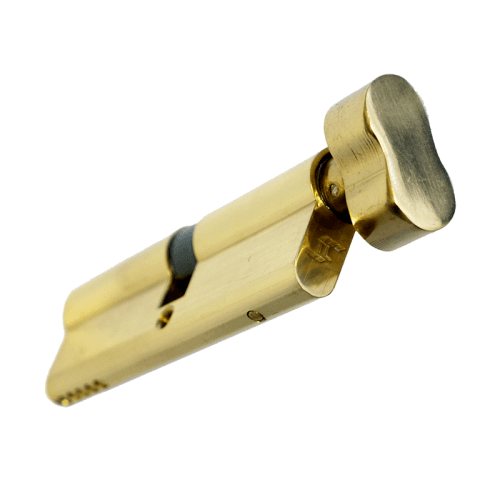
- TL Thumb Turn Euro Cylinder
- Ultion Plus TS007 3* Kitemarked Euro Key & Turn Cylinder
- Multipoint Gearbox GU Old Style
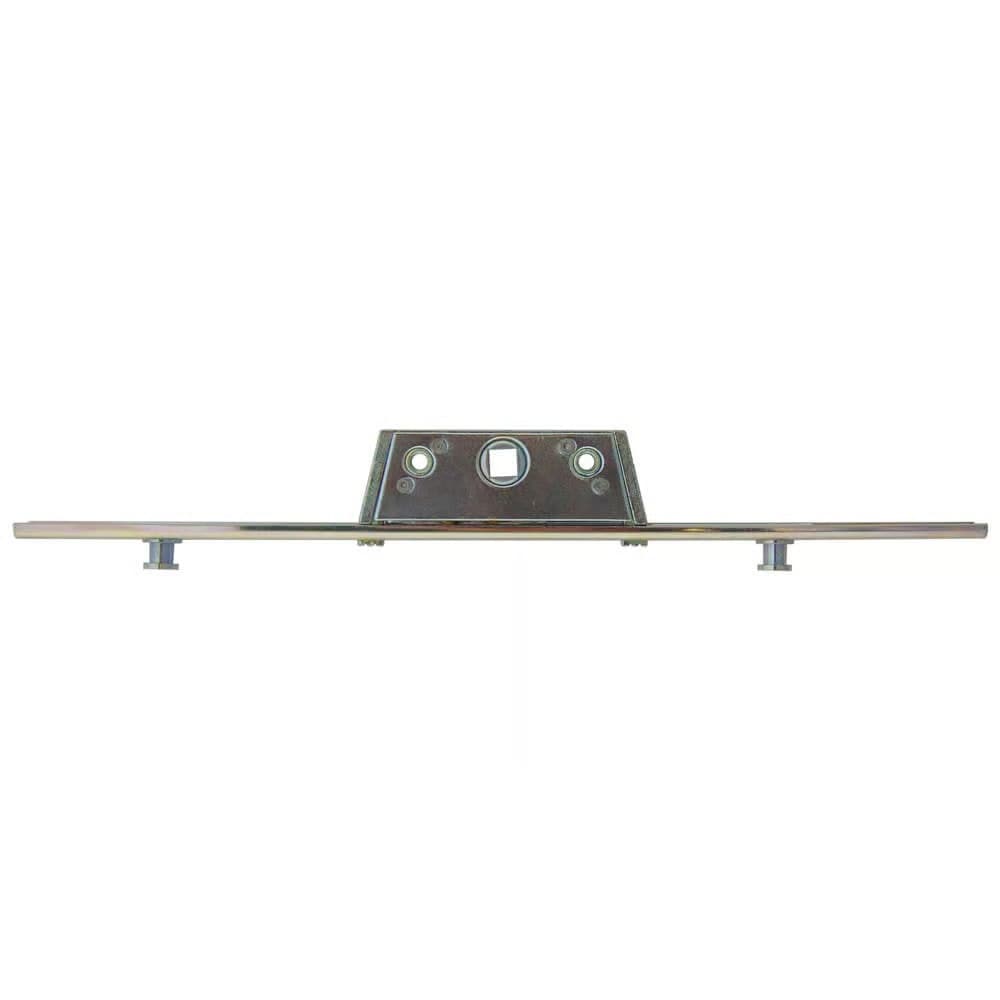
- In-Line Window Mechanism
- Offset Window Mechanism
Conclusion and next steps
Choosing the right multipoint door lock for a uPVC or composite door depends on door construction, required security level and whether you need a direct replacement or an upgrade. For trade professionals: specify a system with available spares and relevant test evidence. For DIY homeowners: measure carefully, fit a TS 007 3-star cylinder and follow the alignment tips above.
Next steps: measure your door and note backset, faceplate size, cylinder length and handing; compare these with product specifications from reputable manufacturers; contact a trade supplier or qualified installer if you are unsure about fitting or certification requirements. A correctly specified and installed multipoint door lock will improve security, performance and peace of mind.

Related articles
uPVC Door Lock Maintenance: Keep Your Lock Working Smoothly
uPVC Door Lock Maintenance: Keep Your Lock Working Smoothly A well maintained upvc door lock reduces call-outs, keeps a property secure and extends the lif...
Hook Lock Sizes and Compatibility: Matching Your Existing Lock
Hook Lock Sizes and Compatibility: Matching Your Existing Lock Replacing a hook lock can be straightforward if you know what to measure and what to check f...
Replacing Individual Hook Locks vs Full Multipoint Mechanism
Replacing Individual Hook Locks vs Full Multipoint Mechanism Deciding whether to replace a single hook lock or the entire multipoint mechanism is a common ...