
Best Night Latch Brands in the UK: Trade Recommendations
Best Night Latch Brands in the UK: Trade Recommendations What is a night latch and where it belongs A night latch is a surface-mounted, rim lock fitted to ...
Best Night Latch Brands in the UK: Trade Recommendations
What is a night latch and where it belongs
A night latch is a surface-mounted, rim lock fitted to the inside face of an external door. It allows the door to be opened from the inside by a simple thumb-turn and to be locked from the outside with a key. There are two broad categories: non-deadlocking night latches and deadlocking night latches; the latter prevent the latch being slipped back when the door shuts. Night latches are most commonly used on timber and some composite doors; they are not a substitute for a multi-point lock on uPVC or aluminium doors.
Top night latch brands to specify
For trade professionals and competent DIYers specifying a night latch, these brands are reliable and readily available across the UK:
- Yale
- Union
- ERA
- Ultion (Brisant)
- Abloy
- Union
How to choose the right night latch: trade criteria
Selecting the correct night latch involves more than brand. Assess these factors before specifying or fitting:
- Door type: timber and composite doors can accept rim night latches; uPVC and aluminium usually require multi-point locking for correct security and weather performance.
- Deadlocking: prefer deadlocking models for external doors; non-deadlocking may be acceptable internally or where combined with another deadlock.
- Cylinder security: fit a TS007 3-star or Sold Secure approved cylinder where possible; Ultion and Abloy offer high-security cylinders that reduce insurance issues.
- Handing and reversibility: many modern night latches are reversible but check the product if working with pre-handed doors.
- Backset and case size: measure existing backset (commonly 44mm for rim latches) and ensure replacement will not clash with panels, glazing or trims.
- Finish and durability: choose corrosion-resistant finishes for exposed doors; satin chrome and brass are popular choices on trade stock lists.
Practical trade advice for installers
For professional fitters, these practical tips reduce callbacks and improve installations:
- Always check door thickness and edge clearance before ordering. Many night latches suit standard 35-45mm doors; thicker or thinner doors may need adaptor kits.
- Ensure the strike plate is bedded into the frame and fitted with long, counter-sunk screws into the structural frame not just the jamb face.
- When replacing an old latch, confirm the existing centre height; typical front-door heights fall between 900mm and 1050mm from the finished floor.
- Offer keyed-alike cylinder options for multi-door installations; this improves convenience for end-users and reduces key management issues.
- Stock reversible cases, common finishes and a small quantity of high-security cylinders such as Ultion; these cover most on-site requirements without delay.
- For flats and HMOs check fire and escape requirements: night latches must not prevent free escape from inside without use of a key where building regulations or leasehold conditions apply.
DIY guidance: measuring and fitting a night latch
Competent DIYers can fit a night latch with common tools; follow these practical steps and safety points:
- Check your door suitability: timber and composite external doors only; confirm there is clearance for the rim case and cylinder on the external face.
- Measure and mark the centre height and backset. Use the manufacturer template where provided to mark the case outline and screw holes.
- Cut the mortice for the latch case carefully: a router gives a cleaner cut but chisels are acceptable if used with care. Maintain the door's structural integrity by not overcutting.
- Fit the cylinder and test key/thumb-turn operation before screwing everything down. Ensure the deadlocking function operates if fitted.
- Fit the strike plate and screw it into the main frame using long screws that penetrate the stud behind the jamb for strength.
- Lubricate the cylinder with graphite or a dedicated lock lubricant; avoid penetrating oils that attract dust.
- Test the door in several open and shut cycles; check alignment and adjust the strike plate position if necessary.
When to specify a different solution
There are scenarios where a night latch is not the correct choice: multi-point locks are the preferred option for uPVC and most composite doors where weather sealing and insurance standards demand multiple locking points. For high-security or commercial entrances consider lever, deadlock or electronic access control systems. If vulnerable to forced entry or cylinder-snapping, specify a high-security cylinder or choose a different lock class entirely.
Recommended Products
Based on this article, you may find these products helpful:
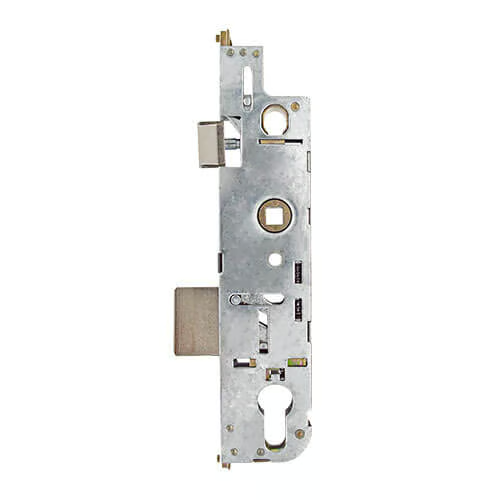
- Multipoint Gearbox GU Old Style
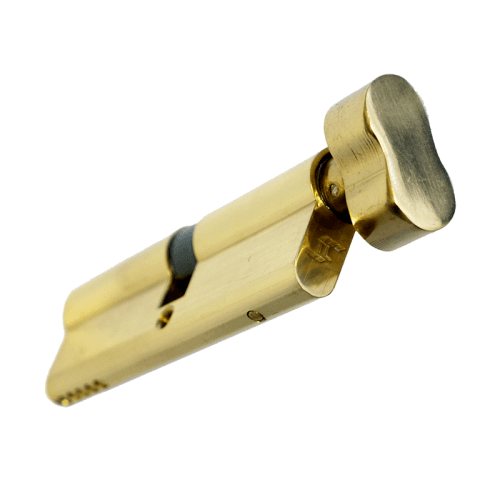
- TL Thumb Turn Euro Cylinder
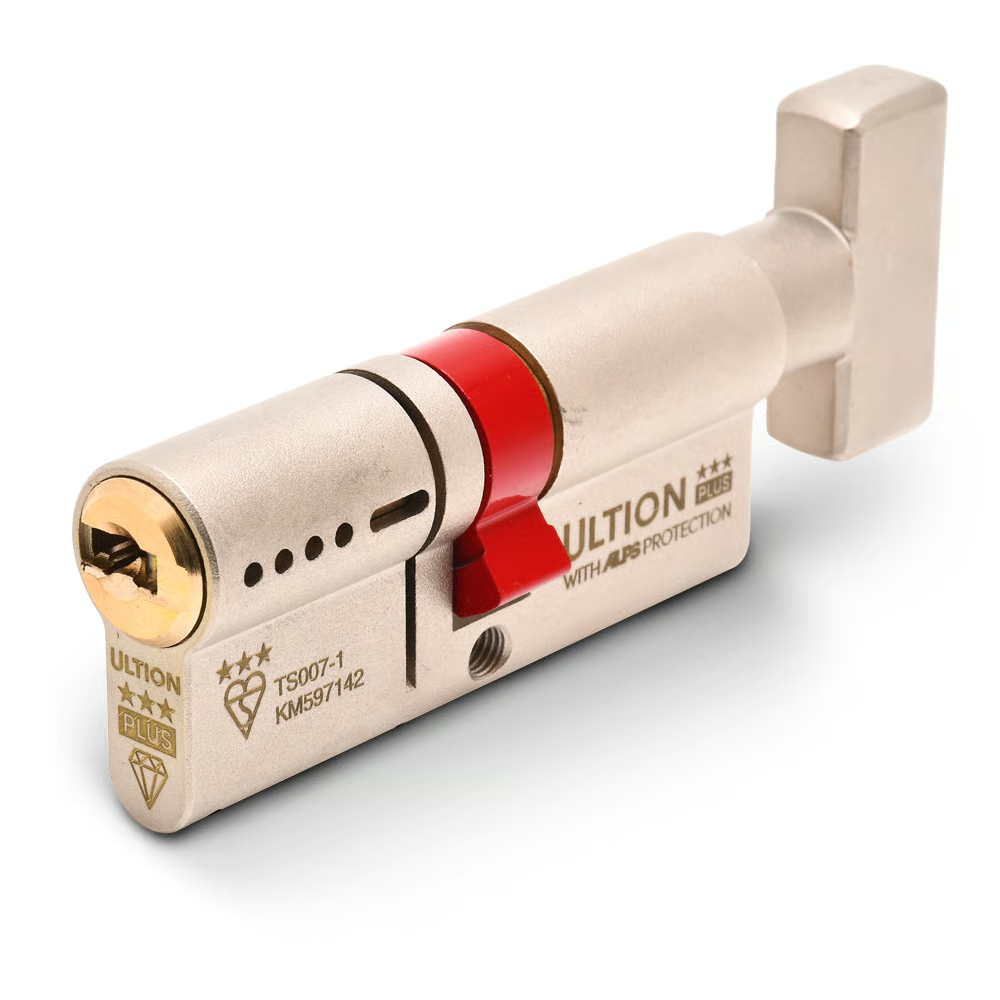
- Ultion Plus TS007 3* Kitemarked Euro Key & Turn Cylinder
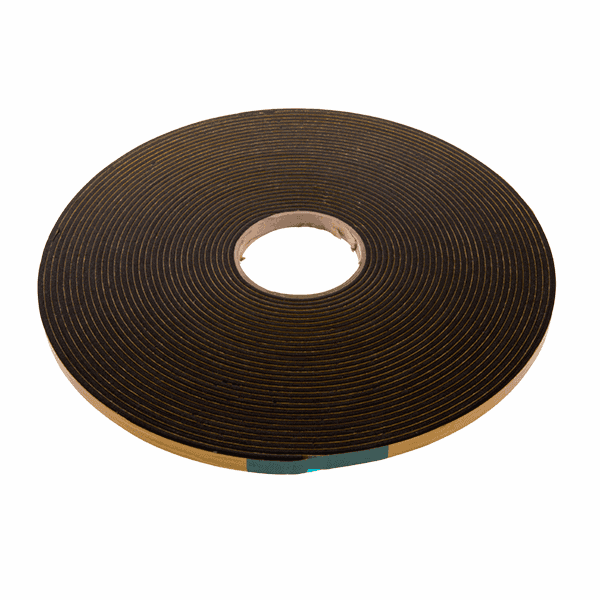
- Structural Glazing Tape - 20mm
- Security Glazing Tape
Conclusion and next steps
Night latches remain a practical option for many timber and composite external doors when correctly specified and fitted. For trade work, carry key brands such as Yale, Union and ERA, plus high-security cylinders from Ultion or Abloy to meet customer and insurer expectations. For DIYers, ensure door compatibility, select a deadlocking model and follow correct fitting and fixing practices.
Next steps: consult product datasheets on our door locks pillar page at /guides/door-locks, match the night latch to the door type and order a sample unit and a high-security cylinder before commencing an installation. If you need technical clarification for a specific project, contact our trade support team for guidance on handing, backsets and compatible cylinders.
Related articles
How to Fit a Night Latch: Step-by-Step Installation Guide
How to Fit a Night Latch: Step-by-Step Installation Guide A night latch is a common surface-mounted lock fitted to the inside face of a front door; it lock...
How to Replace a Night Latch Lock: DIY Instructions
How to Replace a Night Latch Lock: DIY Instructions A night latch is a common surface-mounted lock found on many UK front doors; it offers easy exit from t...
Automatic vs Manual Night Latches: Which Type Do You Need?
Automatic vs Manual Night Latches: Which Type Do You Need? Choosing the right night latch for a front or back door is a common decision for UK homeowners a...