
Best Night Latches for External Doors: Security Picks for 2026
Best Night Latches for External Doors: Security Picks for 2026 A night latch remains a common surface-mounted option for external doors where quick locking...
Best Night Latches for External Doors: Security Picks for 2026
A night latch remains a common surface-mounted option for external doors where quick locking and simple operation are required. For 2026 the priorities are robust cylinder security, deadlocking capability, correct installation, and compatibility with insurance requirements. This post covers what to look for, practical trade advice and DIY guidance for fitting and maintaining night latches on UK external doors.
Why choose a night latch for an external door
Night latches offer convenience: they lock automatically when the door shuts and can usually be operated from the inside with a thumbturn or from the outside with a key. They are compact and easy to retrofit to existing doors, making them popular with homeowners and installers. However, a plain non-deadlocking night latch can be vulnerable to techniques such as carding; choose a deadlocking night latch for external use and always consider pairing it with a graded cylinder or supplementary locking for full security.
Key features to specify
- Deadlocking mechanism: ensures the latch cannot be slipped when the door is closed; essential for external doors.
- Cylinder security: use anti-snap, anti-drill and anti-bump cylinders; TS007 3-star rated euro cylinders or similarly protected rim cylinders are preferred.
- Fire and escape considerations: do not fit double-keyed cylinders that prevent easy egress in a fire; thumbturn variants that deadlock are often the best compromise for domestic external doors.
- Material and finish: corrosion-resistant cases and stainless fixings for coastal locations; popular finishes include satin chrome and polished brass for matching hardware.
- Backset and door thickness compatibility: check case depth and recommended door thickness; common backsets are around 60-64mm on rim night latches but always measure the existing lock first.
- Certification and standards: while BS3621 covers mortice deadlocks, confirm your night latch and cylinder meet security standards and check insurer requirements; some insurers insist on a deadlock conforming to BS3621 for final security on outward-opening doors.
Top product types and brand guidance for 2026
Rather than one-size-fits-all, choose a night latch based on door material and use-case. Trade-recognised brands to consider include Yale, ERA, Union and ASEC; these manufacturers offer deadlocking rim night latches and secure cylinders. Recommended types:
- Deadlocking rim night latch with anti-snap rim cylinder: best for timber and composite doors where surface-mounting is required.
- Night latch accepting a euro profile cylinder with TS007 3-star: useful where higher cylinder security is a priority and euro cylinders are already standard on the property.
- High-security trade night latch with reinforced strike plate: intended for high-traffic external doors; commonly used by installers on rental properties and small commercial premises.
Practical trade tips
- Measure twice: confirm backset, case depth and the distance from door edge to cylinder centre before ordering or fitting. Standard centre heights are typically around 1000mm from finished floor level, but match existing hardware for consistency.
- Strike plate reinforcement: always use long steel screws that reach the stud of the frame; 75mm to 100mm screws are standard to secure the strike into the frame and improve resistance to forced entry.
- Frame condition: if the frame is soft or damaged, replace or reinforce it before fitting a night latch; poor frames negate any lock’s strength.
- Bundle with a mortice deadlock or multipoint lock where required: many insurers require a BS3621 deadlock in addition to a night latch for outward opening doors; keep a record of product specifications for policy compliance.
- Stock considerations: keep common cylinder lengths, a selection of backsets and a couple of popular finishes in stock to cut down call-out time.
DIY fitting guidance
Fitting a rim night latch is straightforward for a competent DIYer; follow these steps and observe manufacturer instructions and local regulations:
- Prepare tools: power drill, screwdriver, chisel (for any rebate), tape measure, pencil and spirit level.
- Positioning: mark the required centre height and the distance from the door edge for the latch body and cylinder. Check handing; many rim night latches are reversible but confirm before drilling.
- Fix the latch body: hold the case in position, mark screw holes and drill pilot holes. For composite doors, use packers or the manufacturer’s template to achieve a flush fit.
- Fit the cylinder: ensure the cylinder length matches the door thickness; when using euro cylinders measure each side to avoid proud or recessed cylinders.
- Fit the strike plate: mortice the frame for the strike plate to sit flush; use long security screws into the frame’s structural timber.
- Test operation: check locking from inside and outside and ensure the deadlocking function engages. Confirm the door closes smoothly without forcing.
Maintenance and fault diagnosis
- Lubrication: use a dry PTFE spray or graphite for the cylinder; avoid oil-based lubricants that attract dust and gum up mechanisms.
- Wear checks: look for excessive play in the latch or cylinder and replace worn parts promptly; a protruding or loose cylinder is a weak point.
- Weatherproofing: ensure external fixings are corrosion-resistant and that the latch sits flush to prevent water ingress. Replace seals on composite doors as needed.
- Security upgrades: if you experience snapping or drilling attempts, upgrade the cylinder to a TS007 3-star rated unit and consider additional reinforcement plates.
Selecting the right combination
A night latch is most effective when specified as part of an overall door security strategy: a deadlocking rim night latch fitted with a TS007 3-star cylinder, reinforced strike plate and a BS3621 mortice deadlock or multipoint lock where required will meet most homeowners’ needs and many insurers’ conditions. For flats or fire escape routes, ensure compliance with local building regulations and avoid solutions that prevent safe egress.
Recommended Products
Based on this article, you may find these products helpful:
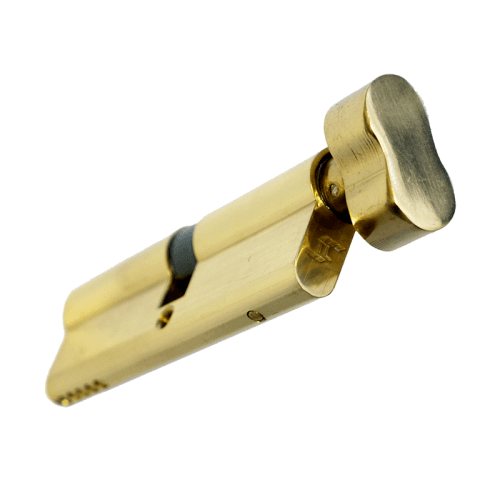
- TL Thumb Turn Euro Cylinder
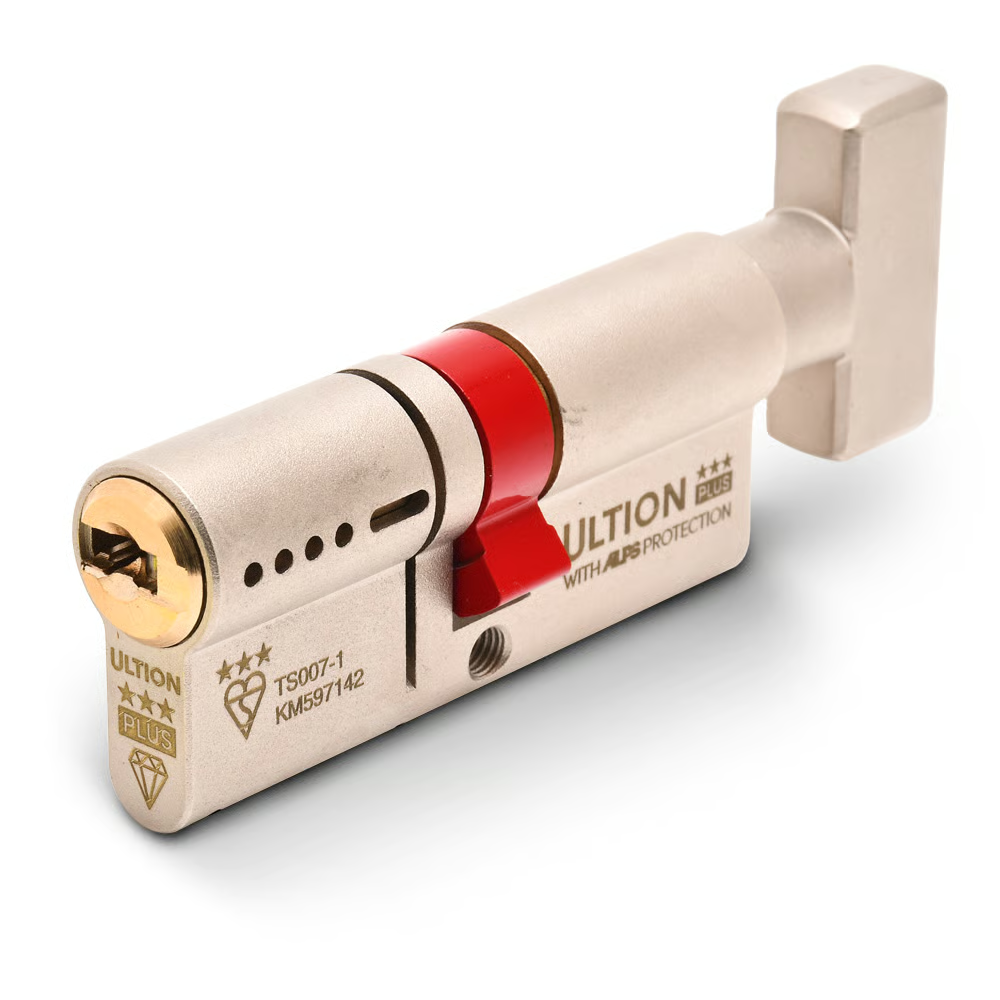
- Ultion Plus TS007 3* Kitemarked Euro Key & Turn Cylinder
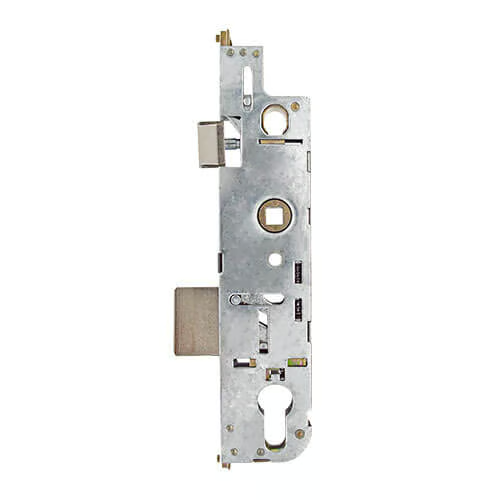
- Multipoint Gearbox GU Old Style
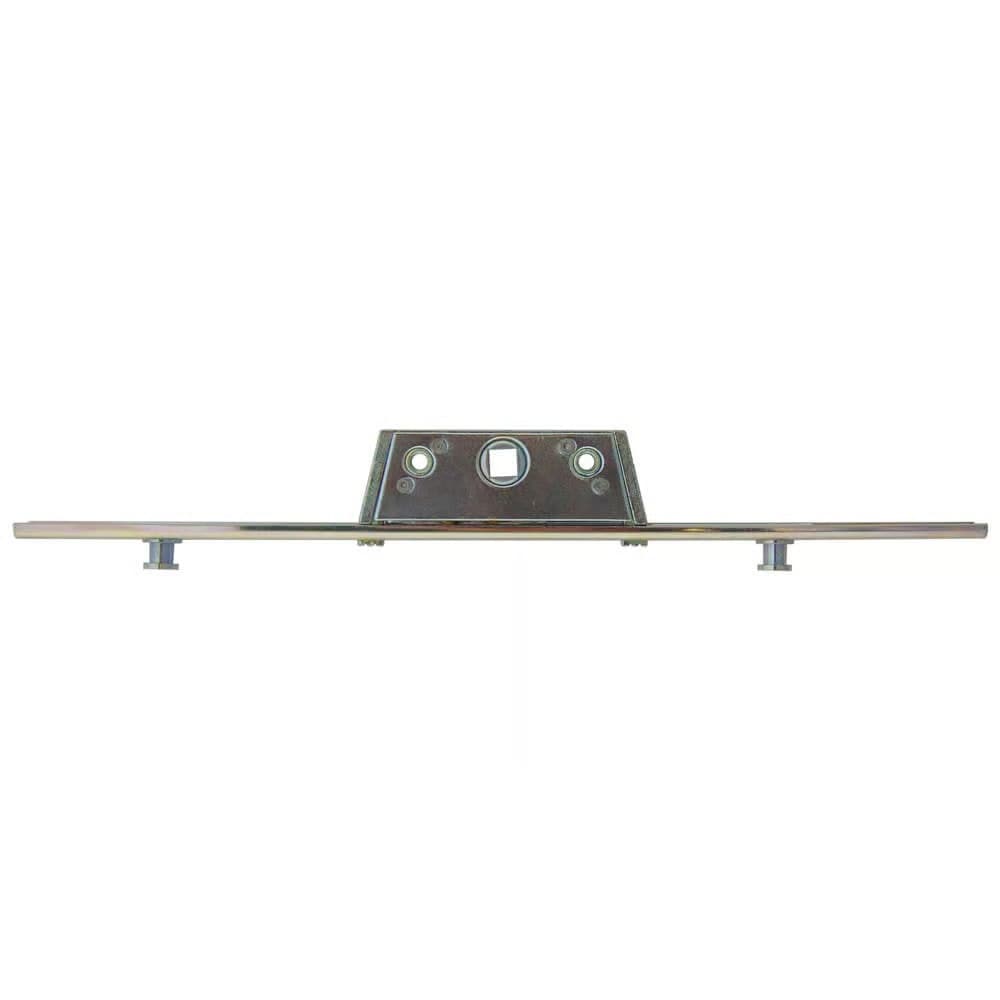
- In-Line Window Mechanism
- Offset Window Mechanism
Conclusion and next steps
Choose a deadlocking night latch with a high-security cylinder and reinforced frame fixings for external doors in 2026. For trade professionals: keep common sizes, TS007 cylinders and a selection of finishes to cut install times. Homeowners should check their insurance terms and consider pairing a night latch with a mortice deadlock or a multipoint system where required. For further detail on door lock standards and options see our pillar resource: /guides/door-locks or contact a Window Hardware Store trade advisor for product-specific recommendations and availability.

Related articles
How to Fit a Night Latch: Step-by-Step Installation Guide
How to Fit a Night Latch: Step-by-Step Installation Guide A night latch is a common surface-mounted lock fitted to the inside face of a front door; it lock...
How to Replace a Night Latch Lock: DIY Instructions
How to Replace a Night Latch Lock: DIY Instructions A night latch is a common surface-mounted lock found on many UK front doors; it offers easy exit from t...
Automatic vs Manual Night Latches: Which Type Do You Need?
Automatic vs Manual Night Latches: Which Type Do You Need? Choosing the right night latch for a front or back door is a common decision for UK homeowners a...