
Best Thumb Turn Cylinders for UK Doors
Best Thumb Turn Cylinders for UK Doors What is a thumb turn cylinder and why it matters A thumb turn cylinder is a euro profile lock cylinder with a keyed ...
Best Thumb Turn Cylinders for UK Doors
What is a thumb turn cylinder and why it matters
A thumb turn cylinder is a euro profile lock cylinder with a keyed entry on one side and a thumb-operated turn on the other. It is commonly used on front and back doors where rapid escape from the inside is required: for example, for family homes, flats with single points of access, and care facilities. The thumb turn gives quick, tool-free operation from the inside while the keyed side provides secure external access.
Types of thumb turn cylinders and key security features
When choosing a thumb turn cylinder you should consider the type of cylinder and the security features you need. Common types and features include:
- Standard euro profile thumb turn: a basic cylinder with a thumb turn on the inside and keys on the outside; suitable for internal doors and low-risk external doors.
- Anti-snap cylinders: designed with sacrificial sections that break away under force to prevent burglars from snapping the cylinder; look for TS007 3-star rated products for best insurance acceptance.
- Anti-drill and anti-pick: hardened pins and steel inserts protect the cylinder from drilling and picking attacks.
- Anti-bump and anti-plug pull: internal designs reduce the risk from modern attack methods; useful where high security is required.
- High-security and restricted key systems: these prevent unauthorised key duplication; ideal for landlords, property managers and premises with multiple occupants.
How to measure a thumb turn cylinder
Accurate measurement is essential for correct operation. Measure the cylinder from end to end with the cam centred: note the two halves as A and B. Typical bedroom and front door sizes in the UK are 35/35, 40/40 and 45/45, but many doors are asymmetric. Steps for measurement:
- Remove the existing cylinder: loosen the handle screws and the retaining screw in the lock faceplate, turn the key a little to line up the cam and pull the cylinder out.
- Measure from the cam centre to each end: record as A/B in millimetres. Common examples: 30/30, 35/35, 45/35; always order the exact measurement.
- Check the door thickness and the backset: if your cylinder sits proud of the escutcheon, you may need a different length or an extended escutcheon plate for security.
Installation and DIY guidance
Fitting a thumb turn cylinder is a job that many competent DIYers can complete in 15 to 30 minutes, but accurate work pays dividends for security and longevity. Practical steps and tips:
- Prepare tools: screwdriver, tape measure, a new cylinder of the correct size, and a small amount of dry lubricant such as graphite or PTFE spray. Do not use oil-based lubricants that attract dirt.
- Remove handle and faceplate: loosen the handle grub screw or set screw, remove handles, and unscrew the lock case retaining screw at the edge of the door.
- Align the cam: insert the key and rotate a few degrees to align the cam so the cylinder can slide out smoothly; if it sticks, check the key position rather than forcing it.
- Fit the new cylinder: slide the new cylinder into place, locate the cam correctly, then tighten the retaining screw; test operation before refitting the handles and escutcheons.
- Test both sides: ensure the thumb turn moves freely and the external key operates smoothly; check deadlocking on multipoint locks to confirm full engagement.
- Security finishing: fit anti-snap escutcheons or reinforced plates if the cylinder protrudes; keep fixing screws short enough so they do not contact the mechanism.
Trade advice: specifying for customers
For trade professionals and specifiers there are practical commercial considerations beyond the basic fit. Keep these points in mind when recommending thumb turn cylinders:
- Stock core sizes: maintain a range of common lengths such as 35/35, 40/40, 45/45 and a selection of asymmetric sizes; this reduces call-backs and customer downtime.
- Prioritise TS007 3-star anti-snap where insurance compliance is likely: many insurers require or prefer 3-star cylinders on external doors.
- Offer keyed-alike and master-keyed systems: landlords and multi-property managers value keyed-alike cylinders because they reduce the number of keys required for regular access.
- Record serial numbers and key codes: keep a secure log for replacements and to prevent unauthorised key duplication.
- Specify finishes to match the door furniture: common finishes include polished brass, satin chrome and satin nickel; advise customers on corrosion resistance for coastal properties.
Common mistakes to avoid
Even experienced fitters can make errors that reduce security or cause functional problems. Avoid these pitfalls:
- Using the wrong length: a cylinder that is too short or too long can make the lock insecure or cause binding.
- Failing to check the cam orientation: incorrect cam alignment can prevent the multipoint lock from engaging.
- Overtightening screws: this can warp the cylinder and impede operation; tighten to manufacturer torque recommendations where provided.
- Neglecting to recommend anti-snap protection: a standard cylinder without sacrificial features can be vulnerable when used on an exposed front door.
Recommended cylinder features for most UK doors
For most domestic and light commercial installations the best balance of security and usability will include these features:
- TS007 3-star anti-snap construction: recommended for external access doors.
- Anti-drill pins and hardened steel inserts: to resist forced entry.
- Anti-bump protection: to guard against bump key attacks.
- Thumb turn on the interior with easy rotation: for rapid egress and accessibility.
- Restricted key options where control of key duplication is required.
Useful resources and further reading
For full details on euro cylinders and technical specifications visit our pillar resource at /c/locks-security. That page includes diagrams showing measurement points and lists current British and European standards to reference when specifying products.
Recommended Products
Based on this article, you may find these products helpful:
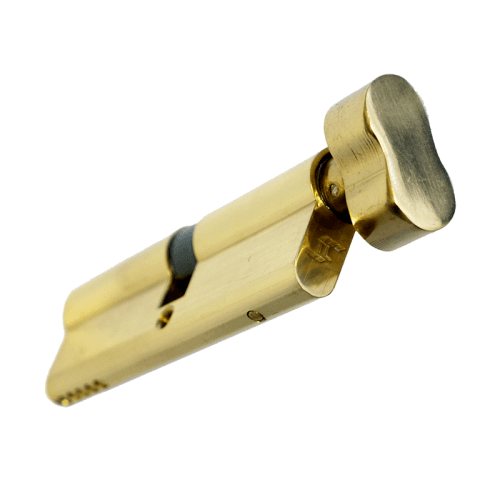
- TL Thumb Turn Euro Cylinder
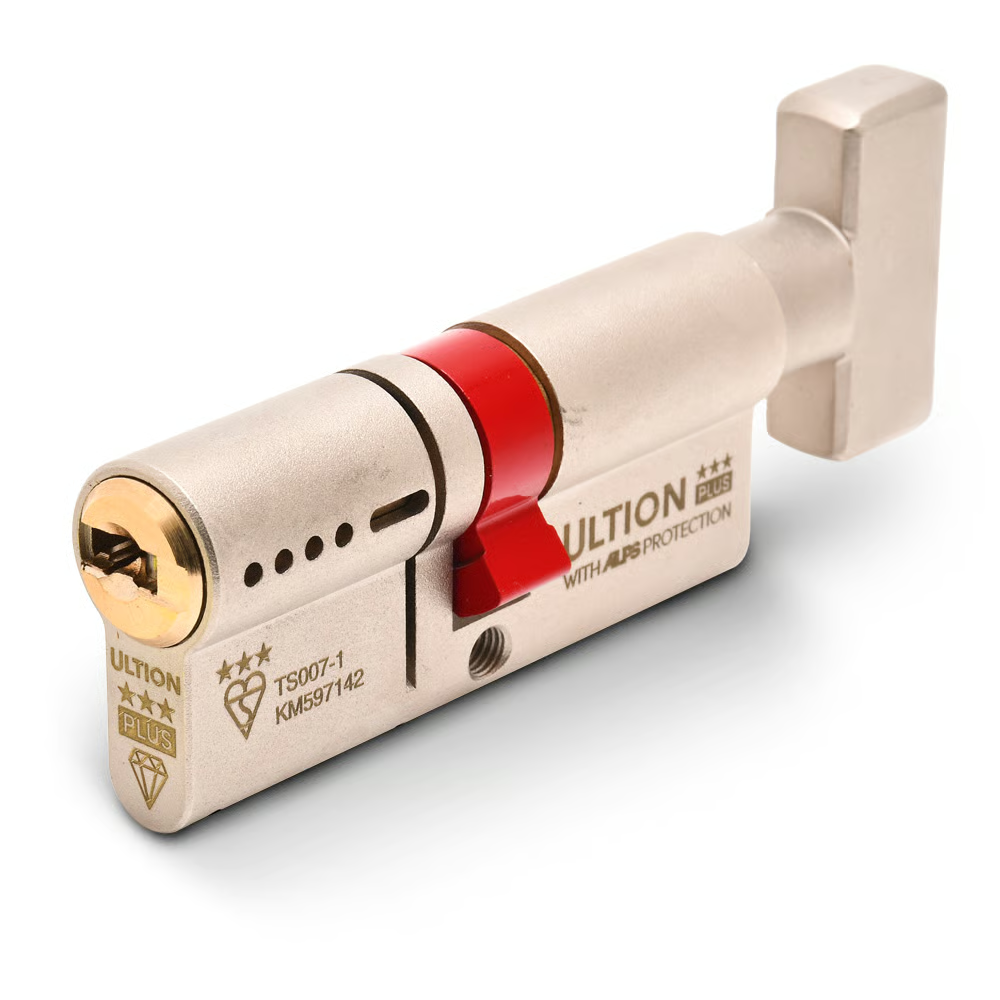
- Ultion Plus TS007 3* Kitemarked Euro Key & Turn Cylinder
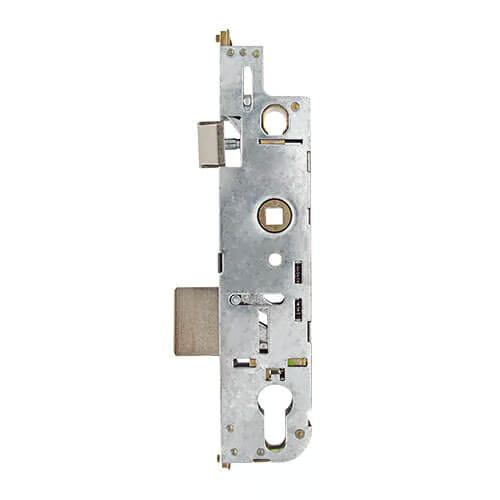
- Multipoint Gearbox GU Old Style
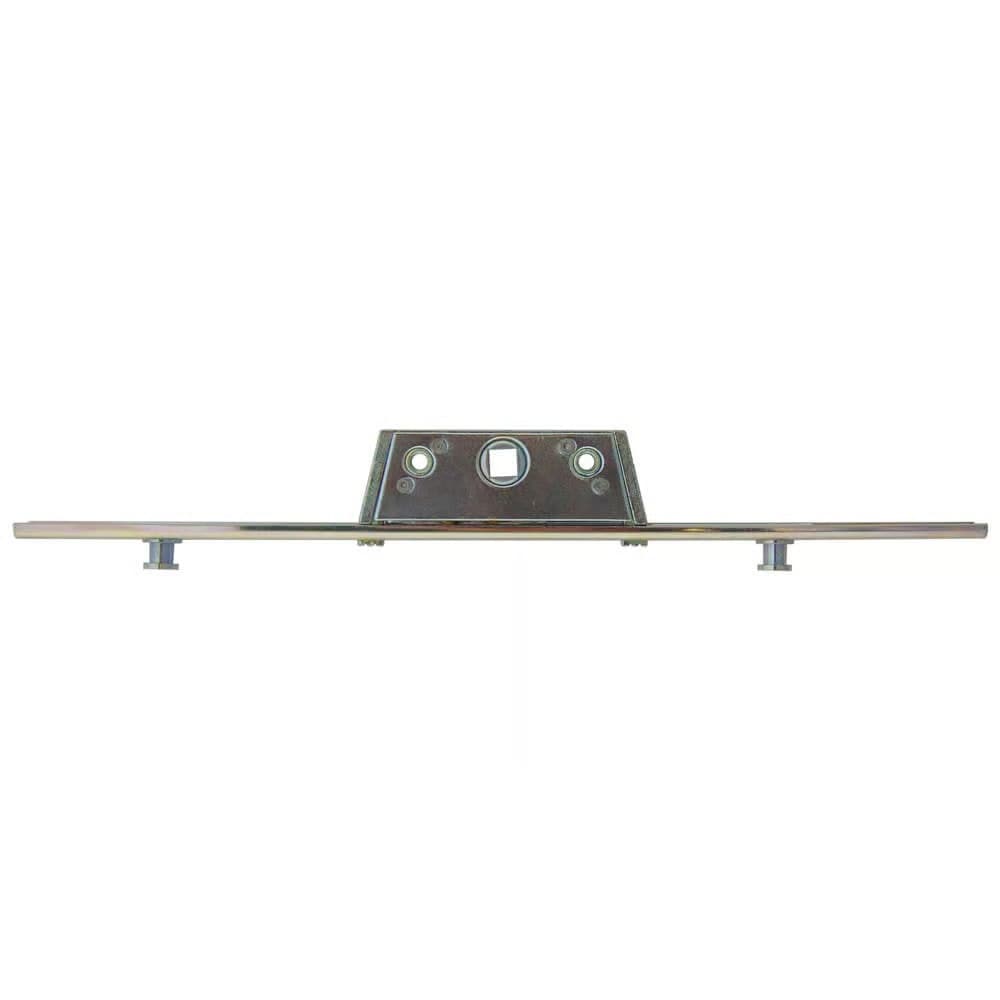
- In-Line Window Mechanism
- Offset Window Mechanism
Conclusion and next steps
Choosing the right thumb turn cylinder comes down to correct measurement, the right security features and careful installation. For most UK homes, a TS007 3-star anti-snap euro profile with anti-drill and anti-pick features provides the best combination of insurance acceptance and everyday usability. Next steps: measure your existing cylinder accurately, decide whether you need a restricted key or keyed-alike system, and select a suitable finish. If you are a trade customer looking to bulk order or specify cylinders for a project, contact our trade desk for sample kits and sizing advice.

Related articles
What Is a Thumb Turn Cylinder? Convenience vs Security
What Is a Thumb Turn Cylinder? Convenience vs Security What is a thumb turn cylinder? A thumb turn cylinder is a type of euro-profile lock cylinder that ha...
Thumb Turn Cylinder vs Panic Bar: Exit Options Compared
Thumb Turn Cylinder vs Panic Bar: Exit Options Compared examines two very different approaches to door egress and security. The thumb turn cylinder is a co...
Thumb Turn Cylinder Sizes: Finding the Right Length
Thumb Turn Cylinder Sizes: Finding the Right Length Choosing the correct thumb turn cylinder is vital for security, smooth operation and a neat finish on d...