
Brighton Fastener vs Fitch Fastener: What's the Difference?
Brighton Fastener vs Fitch Fastener: What's the Difference? Choosing the correct sash window lock affects security, weather performance and the finish of a...
Brighton Fastener vs Fitch Fastener: What's the Difference?
Choosing the correct sash window lock affects security, weather performance and the finish of a refurbishment. Two commonly specified mechanical fasteners for timber sash windows are the Brighton fastener and the Fitch fastener. Both serve the basic role of securing the meeting rails of a sash window; however they differ in shape, engagement method, installation requirements and suitability for different applications. This article compares the two so trade professionals and DIY homeowners can make an informed choice when specifying or fitting a sash window lock.
What are Brighton and Fitch fasteners?
Brighton fastener: The Brighton fastener is a low-profile sash fastener typically made from brass or zinc alloy. It usually comprises a rotating handle that swings over a keep or boss to pull the sashes together. The Brighton design is compact and decorative; it is widely used where an unobtrusive finish is desired and where moderate security is acceptable.
Fitch fastener: The Fitch fastener is a hook or bolt-type fastener that gives a positive mechanical engagement. The keeper is designed to receive a hook or bolt so the two sashes lock together under tension. Fitch fasteners tend to provide a firmer hold and can give better compression between meeting rails, which improves draught resistance and makes them a popular choice on heritage and higher-security installations.
Key differences at a glance
- Operation: Brighton is usually a rotating latch; Fitch is hook or bolt engagement.
- Security: Fitch generally offers a stronger mechanical lock and better compression; Brighton is adequate for many domestic uses but is less robust by design.
- Profile and finish: Brighton is lower profile and often chosen for aesthetics; Fitch can be bulkier but functional where performance matters.
- Suitability: Brighton suits lightweight sashes and decorative projects; Fitch suits heavier sashes and situations where tighter seals or higher security are needed.
- Retrofit complexity: Brighton can be easier to retrofit into existing meeting rails; Fitch may require more accurate alignment and packing to achieve reliable engagement.
Practical trade advice for selection
- Assess the meeting rail condition: If timber is softened or misshapen, a Fitch fastener may provide a more positive engagement once the timber is packed and rebated; Brighton may not compensate for excessive gaps.
- Consider sash weight and use: Heavier or frequently used sashes benefit from the firmer lock of a Fitch fastener.
- Choose material and finish by environment: Use stainless or marine-grade finishes in coastal properties to avoid corrosion; traditional brass or period finishes suit conservation projects.
- Match the finish to other ironmongery: Consistent handles and fasteners present a professional finish on refurbished properties.
- Check listed building requirements: Conservation officers may specify traditional forms and finishes; retain original fasteners where possible and record their dimensions for like-for-like replacements.
DIY and installation considerations
Both Brighton and Fitch fasteners are straightforward for a competent DIYer. Tradespeople should follow these practical steps to ensure reliable function and longevity:
- Measure twice: Confirm meeting rail thickness and alignment before ordering a sash window lock. Record the distance between screw centres and the face height of the rail so the keeper lines up correctly.
- Prepare the timber: If old paint builds up around the meeting rail, remove it fully for a flat, true face. Sashes that do not sit square will need planing or packing rather than forcing a fastener into place.
- Pilot holes and screws: Use appropriate pilot holes to avoid splitting hardwoods. Select screw length that secures into solid timber without protruding into the glazing rebate or inner cavity.
- Test and adjust: Fit the fastener loosely at first. Close the sashes and engage the fastener to check alignment. Make small adjustments to the keeper or add thin packers behind the keeper where needed for correct compression.
- Finishing: Once aligned, tighten fasteners and touch up paint around fixings. Lubricate moving parts with light machine oil for smooth operation.
Security, maintenance and standards
Neither Brighton nor Fitch fasteners alone will meet the highest security standards for burglary resistance. For improved security, specify a certified sash window lock or combine the fastener with other measures such as an SBD (Secured by Design) rated sash lock or a sash restrictor. Sash window lock systems can include key-operated locking mechanisms that meet PAS 24 or Part Q requirements when fitted correctly.
Maintenance tips:
- Regularly check fixings; timber moves with humidity and screws can work loose.
- Lubricate pivots and hooks annually to prevent stiff operation and wear.
- Replace corroded components promptly; replacement of a small fastener now prevents damage to the meeting rail later.
- For child safety, use restrictors in addition to the sash window lock; restrictors limit opening to a safe distance and comply with building safety guidance.
Choosing the right sash window lock for your project
For heritage properties where appearance is paramount and loads are moderate, a Brighton fastener may be the preferred choice: it retains a traditional look and is simple to fit. For properties requiring stronger closure, improved draught-proofing or where sashes are heavier or warping is present, a Fitch fastener or a dedicated sash lock with hook action will deliver a firmer result.
Installers working on multiple properties should keep both types on their van and carry a small selection of keepers and packers. This allows rapid on-site decisions: if a Brighton cannot achieve adequate compression without over-tightening, switch to a Fitch style or to a keyed sash lock for a more secure installation.
Recommended Products
Based on this article, you may find these products helpful:
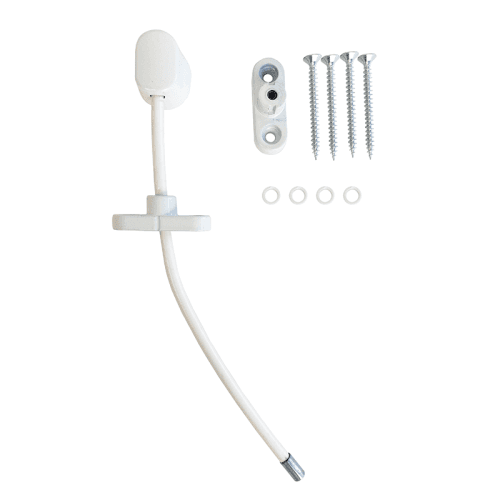
- UAP Keyless Window Restrictor
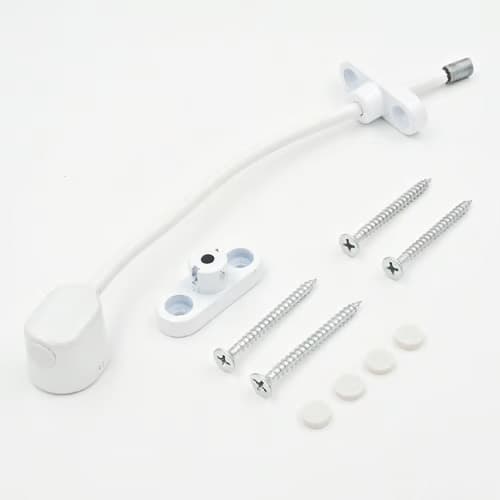
- TSS Keyless Cable Window Restrictor
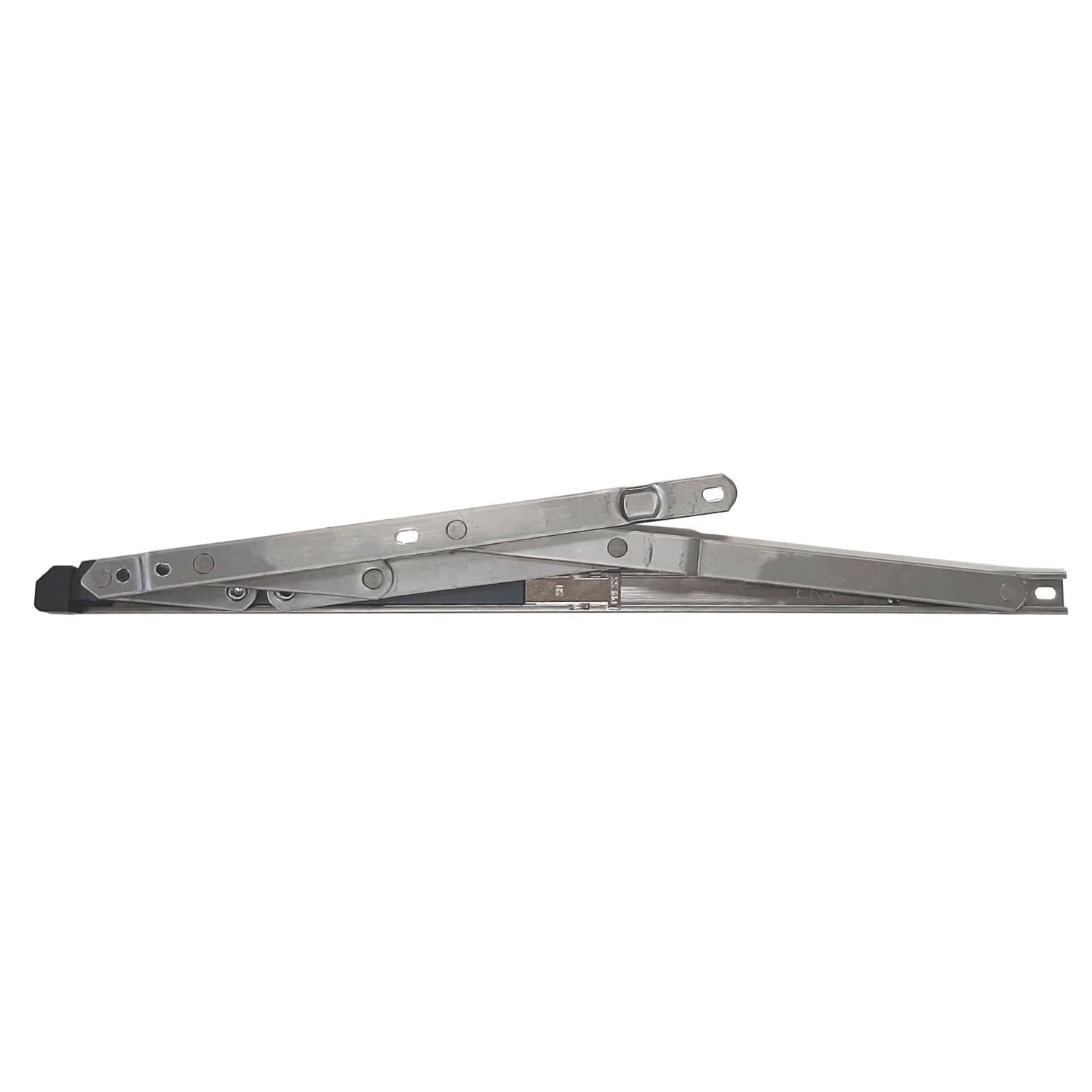
- Restricted Friction Stay Hinges
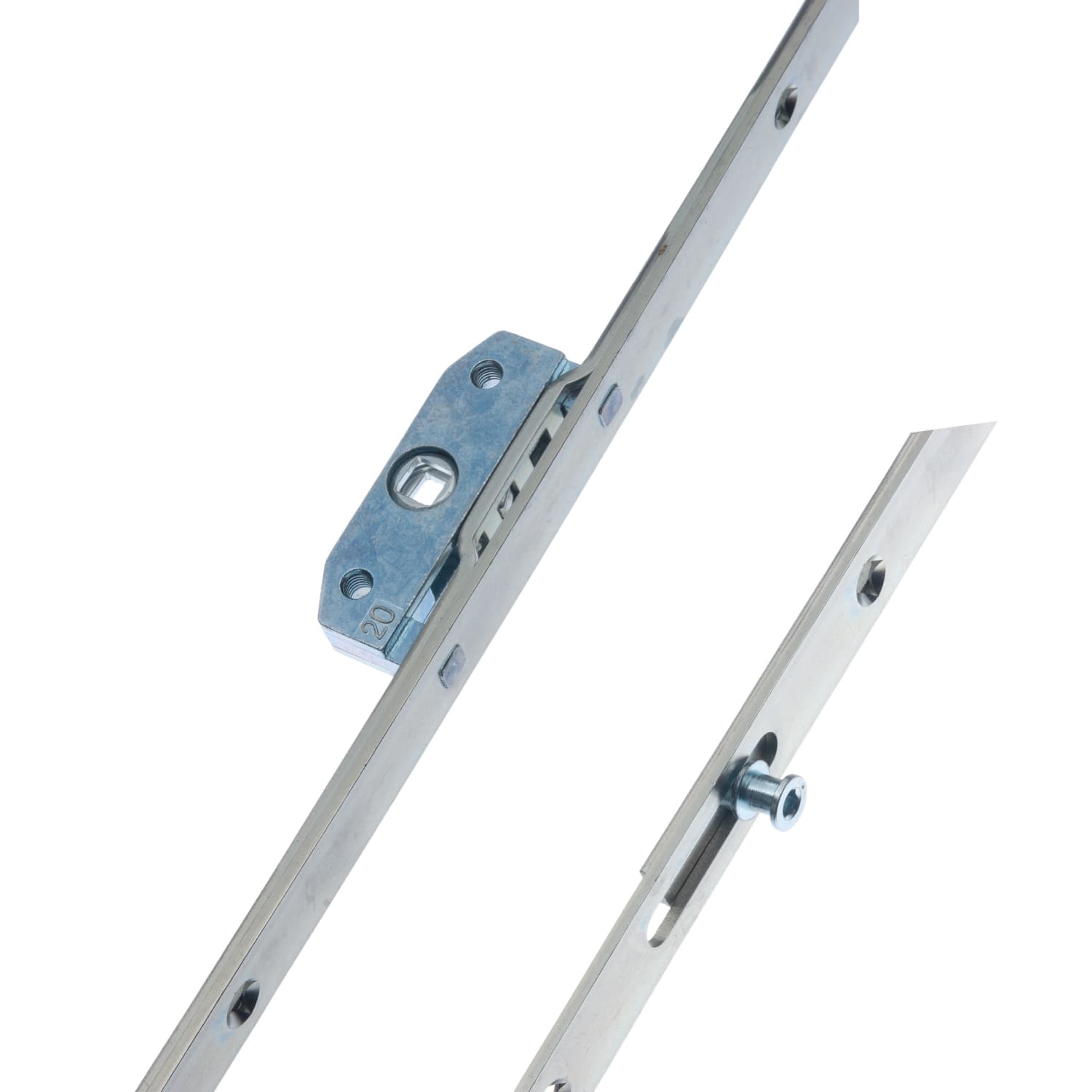
- ERAB Espagnolette Window Lock Universal Lock Replacement
- In-Line Window Mechanism
Conclusion and next steps
Brighton and Fitch fasteners both serve the basic function of a sash window lock but suit different priorities: Brighton for unobtrusive appearance and light duty; Fitch for stronger mechanical engagement and improved compression. For best results, match the fastener to sash condition, security requirements and environmental exposure. If you need further specification advice or want to compare certified sash window lock options, see our extended resource at /c/windows-restrictors or contact our trade team for product recommendations and supply options.

Related articles
Window Restrictors
What Is a Cable Window Restrictor? How They Work
What Is a Cable Window Restrictor? How They Work A cable window restrictor is a simple mechanical device fitted to a window to limit how far it can open. I...
Cable Window Restrictor Safety Features Explained
Cable Window Restrictor Safety Features Explained What a cable window restrictor does and where it is used A cable window restrictor is a safety device fit...