
Can Burglars Get Through a Dog Flap? Security Tips for Pet Owners
Can Burglars Get Through a Dog Flap? Security Tips for Pet Owners How vulnerable is a property because of a dog flap? A dog flap can offer great convenienc...
Can Burglars Get Through a Dog Flap? Security Tips for Pet Owners
How vulnerable is a property because of a dog flap?
A dog flap can offer great convenience for pet owners; however it is a potential security weakness if fitted incorrectly or if the wrong type is chosen. Opportunist burglars look for easily exploitable entry points: low panels, poorly reinforced doors, and glazing that can be removed or smashed. A standard single-skin dog flap without locks, fitted into a thin timber panel or an unsecured glazed unit, will be far easier to exploit than a purpose-designed, lockable unit installed into a reinforced door or a solid panel.
Common attack methods burglars use
- Removing glazing panes or forcing out plastic panels to reach an internal handle or the dog flap itself.
- Forcing open a flimsy dog flap by prising the frame away from the door or panel; thin moulded plastic frames are vulnerable.
- Forcing the flap open and reaching inside to operate a thumbturn or internal handle if the locking arrangement is accessible.
- Cutting through single-glazed units; replacing double-glazed units with pre-cut ones is a specialist job that can be targeted by criminals if the site looks unattended.
Choose the right dog flap: security features to look for
Not all dog flaps are equal. For tradespeople and discerning homeowners there are several clear options and features to prefer:
- Lockable mechanical flaps: offer simple deadlocked positions so the flap cannot be pushed open from the outside. Look for robust metal frames rather than thin plastic.
- Electronic microchip or RFID flaps: only unlock for a specific pet tag or implanted microchip; this prevents other animals and reduces risk of unauthorised opening.
- Multi-layered flap panels: some higher-end models use laminated or reinforced panels which resist prising and cutting.
- Secured by Design or equivalent approvals: these give confidence that the product has been tested against attack methods commonly used in the UK.
Where to fit a dog flap: door and glazing considerations
Choice of door material affects security. Typical options and trade advice:
- Composite doors: these often have a solid core and multi-point locking. Avoid cutting into the area that houses the multipoint lock and locking rods; instead fit into a low solid panel. Use a manufacturer-approved cut-out kit where available.
- uPVC doors: many uPVC doors have steel reinforcement within panels. Panels can be modified but only after confirming internal steel sections and the effect on the door’s strength; refer to the door manufacturer or a specialist fitter.
- Timber doors: easier to cut for a DIYer but reduce the structural integrity if the panel is thin. Use a steel-reinforced frame around the flap to compensate.
- Glazed panels: never cut your own glazing; for double-glazed units you must replace the sealed unit with a pre-cut or reinforced unit. Consider laminated safety glass or polycarbonate panels to avoid easy breakage.
Installation best practice: trade-level and DIY guidance
Correct installation is as important as product choice. Key points for tradespeople and competent DIYers:
- Survey before you cut: remove the internal trim to inspect door construction, steel inserts, and any wiring for alarms or sensors.
- Follow manufacturer templates precisely: many flaps come with templates for router or jigsaw cutting. Ensure edges are square and fit is flush to prevent leverage points.
- Reinforce the aperture: use a metal cage or reinforcement plate on the inside of the door to prevent the frame being prised off. Secure into the door’s structural elements with long stainless steel screws into timber or into steel inserts where present.
- Sealing and draught-proofing: use appropriate silicone sealant and weatherstrips to maintain thermal performance; poor sealing can cause condensation and rot in some doors.
- Glazing work: always use a qualified glazier to cut and replace insulated glass units. Fit laminated safety glass when possible to reduce smash-and-grab risk.
Additional security measures to complement a dog flap
Combine the right flap with wider security improvements:
- Fit a lockable internal cover or a keyed override: this acts as a physical deterrent when you are out at night or on holiday.
- Upgrade door locks and hardware: ensure the door still engages all multipoint locking hooks and consider anti-snap cylinders where applicable.
- Add an alarm sensor or contact switch to the flap: these can be wired into the existing alarm or used as a stand-alone alert. Trade installers should use tamper-proof intrusion contacts and route wiring within the door where possible.
- External deterrents: low-level CCTV, motion-activated lighting, and clear sightlines reduce the temptation for opportunist criminals.
- Use microchip-enabled flaps where cats or other animals might let in strays; these also stop thieves from propping the flap open for access.
Maintenance and testing
Regular inspection keeps a dog flap secure and weather-tight: check fixings and seals every six months; ensure the locking mechanism operates smoothly and lubricate moving metal parts with a light oil. For electronic flaps test battery condition and sensor reliability; for mechanical lockable flaps test keys and spare sets. If the door moves, sashes bind, or the frame has warped, revisit fixings since gaps create leverage points.
Insurance and regulation considerations
Some insurers have requirements about acceptable pet flaps and door modifications. Before fitting, check your policy terms: you may need a particular locking specification or professional installation to retain cover. For rented properties, obtain landlord consent. Tradespeople should provide a clear scope of works and note any alterations in the handover documentation.
Recommended Products
Based on this article, you may find these products helpful:
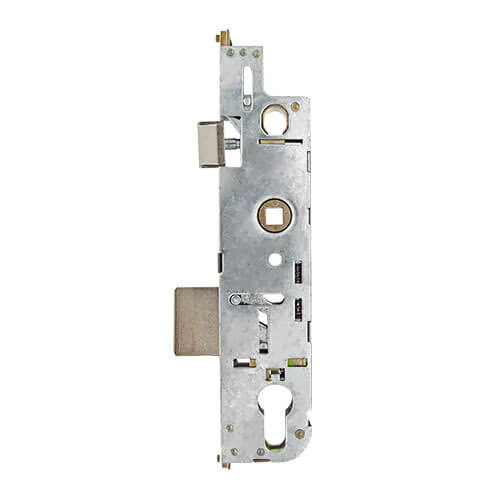
- Multipoint Gearbox GU Old Style
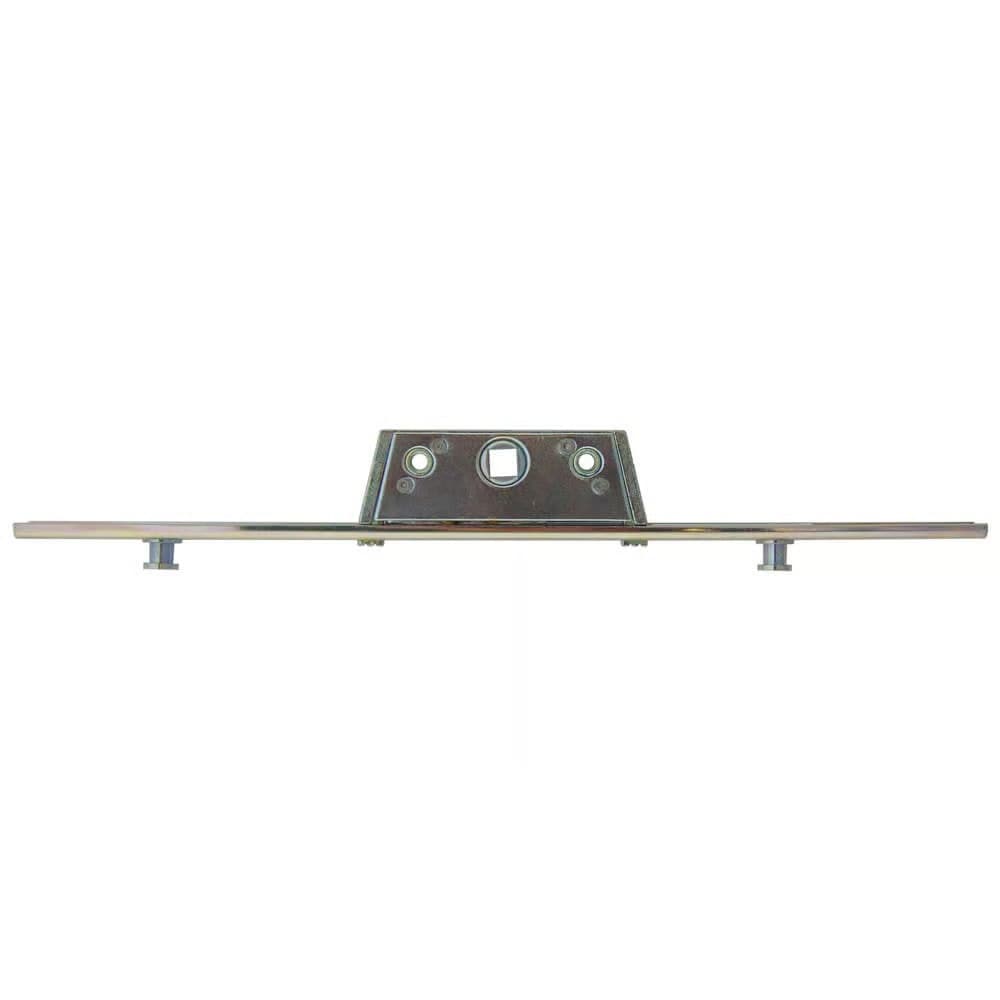
- In-Line Window Mechanism
- Offset Window Mechanism
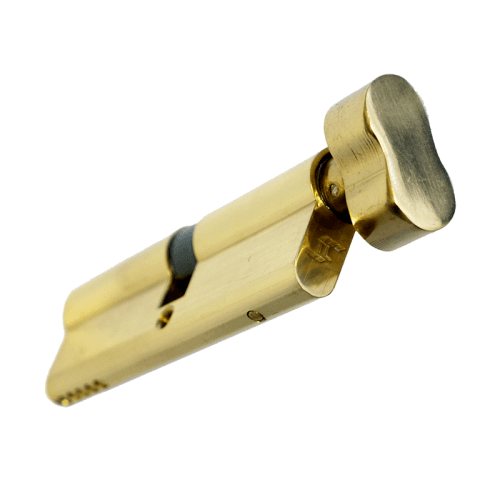
- TL Thumb Turn Euro Cylinder
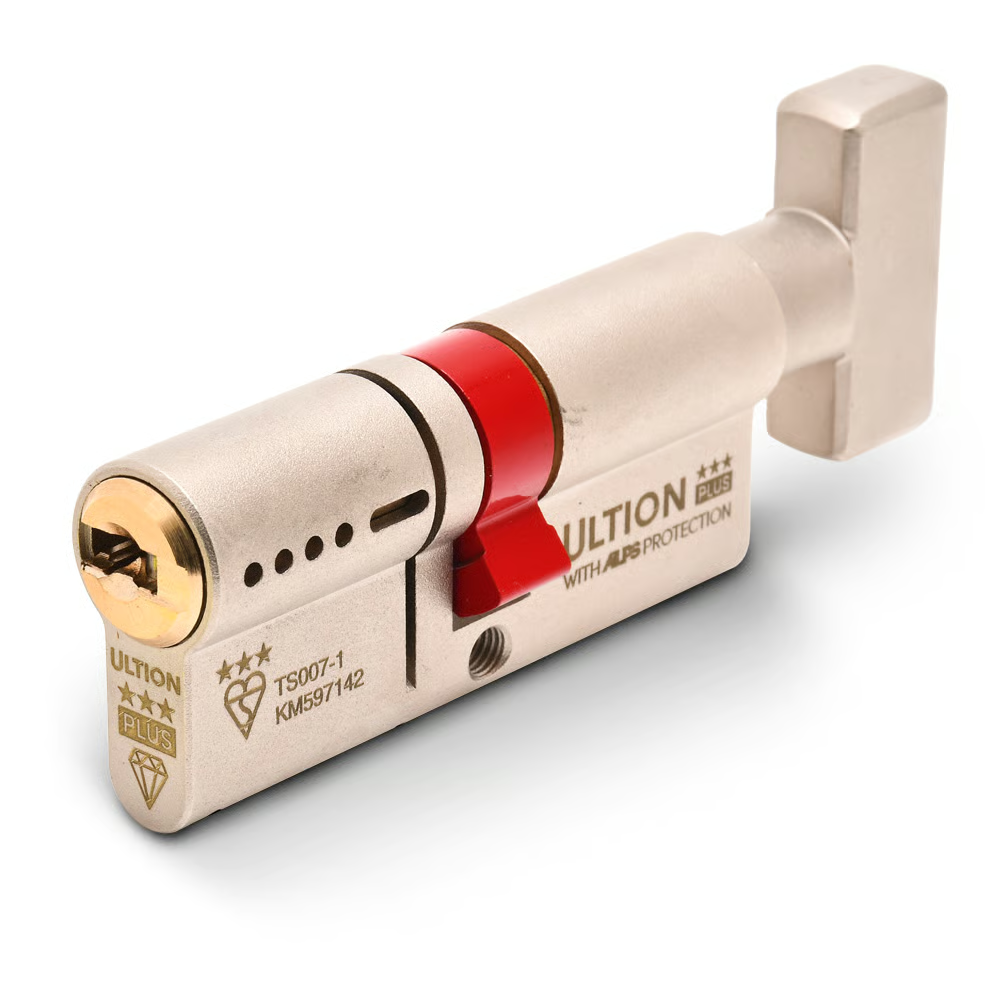
- Ultion Plus TS007 3* Kitemarked Euro Key & Turn Cylinder
Conclusion: next steps
Dog flaps do not automatically make your home insecure; the right product, fitted correctly and combined with other security measures, will keep both pets and property safe. Next steps: assess your door or glazing construction; choose a lockable or electronic dog flap suited to that substrate; if glazing is involved, book a qualified glazier; and consider reinforcement plates and alarm contacts for added security. For more detailed options and product recommendations see our pet flap resource at /guides/pet-flaps or contact a trusted trade fitter for an on-site survey.

Related articles
Rented Property Cat Flap Options: What Landlords Need to Know
Rented Property Cat Flap Options: What Landlords Need to Know Installing a cat flap in a rented property can improve tenant satisfaction but it raises ques...
Replacing uPVC Door Panels with Cat Flap Panels: A Cleaner Solution
Replacing a uPVC door panel with a purpose-made cat flap panel is a practical way to give pets easier access while keeping the rest of the door intact. Whe...
Dog Flap Insulation: Preventing Heat Loss Through Larger Pet Doors
Dog Flap Insulation: Preventing Heat Loss Through Larger Pet Doors Large dog flaps are convenient for owners and pets, but they create a significant therma...