
Cat Flap for uPVC Door: Installation Options Without Voiding Warranties
Cat Flap for uPVC Door: Installation Options Without Voiding Warranties Installing a cat flap into a uPVC door can be straightforward if you choose the rig...
Cat Flap for uPVC Door: Installation Options Without Voiding Warranties
Installing a cat flap into a uPVC door can be straightforward if you choose the right method and follow manufacturer guidance. The key concerns for both homeowners and trade professionals are preserving the door’s thermal performance and security, and avoiding actions that could void the manufacturer’s warranty. This post outlines practical installation options for a cat flap for upvc door, with trade tips and DIY guidance so you can make an informed decision.
Understand your door construction and warranty terms
Before any cutting or drilling begins, read the door manufacturer’s warranty and technical datasheet. Many warranties state that unauthorised modifications to the door leaf, frame or glazing may invalidate cover. Check whether the door is reinforced with steel or timber: cutting into a reinforced section can reduce structural integrity and could be specifically excluded from warranty.
- Locate reinforcement channels: remove trims or inspect the hinge/lock edges to see where steel runs. Do not cut into these.
- Identify glazing type: is it a sealed double glazed unit, laminated glass, or single glazed? Standard sealed units cannot be simply cut without replacing the whole unit.
- Note lock and multipoint mechanisms: avoid the path of the lock keeps and striker plates when choosing flap position.
Option 1: Retrofit into the glass by replacing the sealed unit
Replacing the double glazed unit with a purpose-made unit that includes a factory-fitted cat flap is the least invasive option for the uPVC frame. The DGU supplier cuts the aperture into the glass unit during manufacture, preserving the sealing and thermal performance of the unit; the uPVC frame is left untouched.
- Benefits: maintains frame and seal integrity; preserves most door warranties if replacement glass is fitted by a competent glazing company; best for insulation and weatherproofing.
- Trade notes: use a reputable DGU manufacturer that offers pet flap inserts compatible with your glass thickness; ensure the new unit matches the original gas fill and spacer bar to retain U-value.
- DIY note: this is a glazing task and should be carried out by a competent glazier; do not attempt to cut sealed units yourself.
Option 2: Manufacturer-approved door panel kits
Some door manufacturers offer approved cat flap kits specifically designed for their door panels. These kits include templates, reinforcement plates and fixings that maintain structural integrity when installed correctly.
- Benefits: keeps warranty intact when you use an approved kit and installer; kits are designed to interface with the panel construction.
- Trade tips: follow the template exactly; check for reinforcement cavities and use supplied strengthening plates; use stainless steel fixings and neutral-cure silicone to waterproof cut edges.
- DIY note: this method is feasible for competent DIYers who can remove the door, follow templates and seal correctly; if uncertain, engage a qualified installer.
Option 3: Panel cut-outs with professional reinforcement
If there is no glass option and no approved kit, a panel cut-out can be performed providing you take correct steps to reinforce and seal the opening. This is the most invasive method and carries the highest risk of affecting warranty if not agreed with the manufacturer.
- Preparation: remove the door from its hinges and lay it flat on trestles; locate steel reinforcement and avoid cutting it where possible; mark the aperture using a template from the chosen cat flap manufacturer.
- Cutting: use a jigsaw suitable for uPVC, or a router with a template for cleaner edges; drill clearance holes in corners before cutting to prevent cracking.
- Reinforcement and finishing: fit a backplate or internal reinforcing cage; use EPDM or foam gaskets and neutral-cure silicone to seal; use the manufacturer-supplied trims to protect cut uPVC edges.
- Security and insulation: fit a multi-locking flap or an RFID/microchip model; add brush seals and a foam draught excluder if required; consider upgrading glazing or door leaf panels if U-value loss is a concern.
Non-invasive alternatives
There are less invasive choices that avoid cutting the door entirely, though they have limitations.
- Through wall tunnel: install a tunnel and external flap through the adjacent cavity wall; this avoids modifying the door, but is a building alteration and may require planning consent or structural considerations.
- Suction or stick-on flaps for glass: designed for single glazed panes or patio doors; they are quick to fit but less secure and not suitable for sealed units or external exposure on external doors.
- Use of an alternative door: if you have a secondary door or stable door, fit the flap there to avoid altering the main uPVC door.
Tools, materials and practical tips
For tradespeople and competent DIYers, having the right kit reduces risk and produces a professional result.
- Tools: jigsaw with uPVC blade, router and template, drill with hole saws, countersink, clamps, spirit level and measuring tools.
- Materials: manufacturer-approved cat flap, stainless steel fixings, backplate/reinforcement, EPDM gaskets, neutral-cure silicone, low-expansion foam where required.
- Tips: always clamp templates securely; cut with the door laid flat to prevent flexing; use non-ferrous saw blades to reduce melting; remove swarf and clean surfaces before sealing; test lock operation and door alignment after refitting.
Security and thermal considerations
A cat flap will create a breach in the door leaf that can affect security and insulation. Choose a product with a reliable locking function; microchip or RFID cat flaps restrict access to your pet and reduce the chance of unauthorised entry. Check the product specification for U-value impact and fit draught seals or brush strips to reduce heat loss.
Recommended Products
Based on this article, you may find these products helpful:
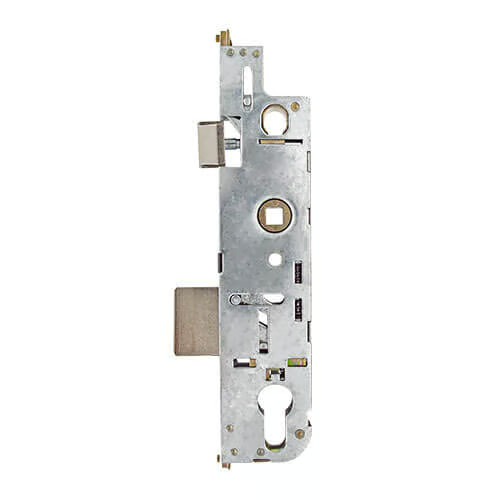
- Multipoint Gearbox GU Old Style
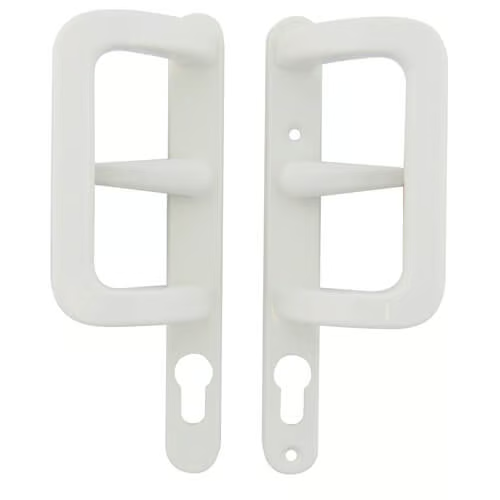
- Patio Door Handle Set - 92PZ White
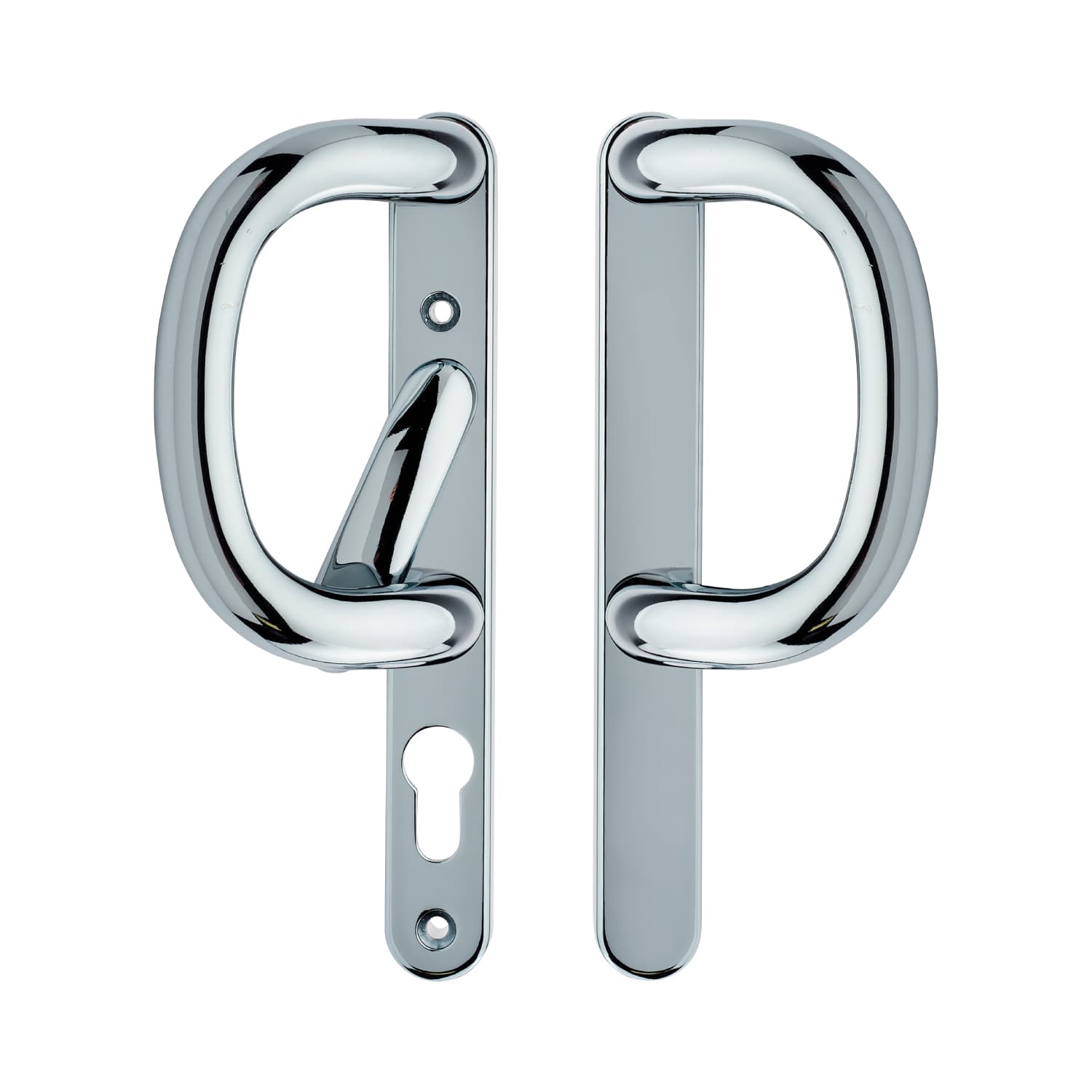
- Winlock Patio Door Handle Set
- Pembroke Locking And Dummy Patio Door Handle
- In-Line Window Mechanism
Conclusion and next steps
Selecting the right cat flap for upvc door involves balancing warranty preservation, security and thermal performance. The least risky routes are fitting a factory-made glazed unit with integrated flap or using a manufacturer-approved panel kit. If cutting the panel, work with a competent fitter and obtain written confirmation from the door manufacturer where possible.
Next steps: check your door’s warranty documentation; contact the door manufacturer or your supplier for approved kits; if you prefer glazing options, ask for a DGU replacement with a pet flap insert; for trade enquiries or to find compatible hardware, visit our pet flaps pillar page at /guides/pet-flaps or contact Window Hardware Store for product recommendations and technical support.
Products mentioned in this article
Related articles
Replacing uPVC Door Panels with Cat Flap Panels: A Cleaner Solution
Replacing a uPVC door panel with a purpose-made cat flap panel is a practical way to give pets easier access while keeping the rest of the door intact. Whe...
Rented Property Cat Flap Options: What Landlords Need to Know
Rented Property Cat Flap Options: What Landlords Need to Know Installing a cat flap in a rented property can improve tenant satisfaction but it raises ques...
Dog Flap Insulation: Preventing Heat Loss Through Larger Pet Doors
Dog Flap Insulation: Preventing Heat Loss Through Larger Pet Doors Large dog flaps are convenient for owners and pets, but they create a significant therma...