
Cat Flap for uPVC Door with Double Glazing: Important Considerations
Cat Flap for uPVC Door with Double Glazing: Important Considerations Why installation differs for uPVC doors with double glazing Installing a cat flap in a...
Cat Flap for uPVC Door with Double Glazing: Important Considerations
Why installation differs for uPVC doors with double glazing
Installing a cat flap in a uPVC door that has a double-glazed panel is not the same as fitting one into a timber or thin-panelled door. Many modern uPVC doors use composite panels, foam cores, steel reinforcements and sealed insulated glass units. Cutting into a door or sealed unit without understanding its construction can damage the thermal performance, void warranties and reduce security. Trade professionals and competent DIYers must assess the door construction before starting work.
Key decisions before you start
- Location: position the flap to avoid multipoint lock rods, internal reinforcements or glazing beads; check both faces of the door for obstructions.
- Door construction: determine if the door panel is a replaceable glazed unit, a laminated glass panel, or a foam-filled solid panel with a decorative skin.
- Thermal and acoustic performance: cutting a hole in a sealed insulated glass unit will destroy the seal and reduce U-value; replacing the unit is usually required for glass installations.
- Security: select a cat flap with secure locking options, and avoid weakening structural reinforcements that contribute to the door’s strength.
- Pet size and behaviour: measure shoulder width and height; choose a flap size that allows comfortable movement and reduces the chance of the pet getting stuck.
Options for double-glazed panels
There are two main approaches for double-glazed panels in uPVC doors:
- Replace the glazed unit with a new insulated glass unit that has a cat flap factory-fitted. This preserves thermal performance and warranty; use a reputable glass manufacturer or glazing trade supplier for a bespoke IGU with integrated flap.
- Replace the glazed panel with a solid or consumable panel, then cut and fit a cat flap into that panel. This can be easier for DIYers but may alter the appearance and acoustic properties.
Attempting to cut a hole directly through a sealed double-glazed unit on-site is not recommended. The unit will shatter or the seal will fail, and replacement will be necessary.
Security and locking considerations
Security is a major concern for external doors. A cat flap can be a point of entry if not specified correctly. Consider these measures:
- Choose flaps with multi-mode locks: four-way mechanical locks, timed locks or electronic microchip-activated locks are appropriate choices for different scenarios.
- Fit additional security features: internal lockable covers, reinforced fixings and alarm contacts can deter unauthorised access.
- Maintain the integrity of reinforcements: avoid cutting into steel or aluminium reinforcement sections; if unavoidable, consult the door manufacturer or a structural trade.
- For flats or communal doors, check lease terms and fire safety requirements. Alterations may not be permitted.
Practical trade and DIY fitting advice
For professional installers and competent DIYers, follow these practical steps and tips:
- Survey first: remove the inner glazing bead to see the panel build-up where possible; identify reinforcement, cavity depth and whether the panel is bonded or clipped.
- Measure precisely: use the manufacturer’s template for the chosen cat flap and confirm tunnel length to match door thickness; most manufacturers provide extension tunnels for thicker doors.
- Remove the door: taking the door off its hinges makes for a safer, cleaner job and prevents distortion during cutting; support the door on a flat workbench.
- Use the right tools: for uPVC skins and foam cores, a jigsaw with a fine-tooth blade or a router with guide bush works well; use low speeds to avoid melting the uPVC. For glass, do not attempt to cut the sealed unit yourself; leave it to a glazing specialist.
- Protect the surface: mask off the working area to avoid scratched skins; use sacrificial timber backing where appropriate when cutting through.
- Seal and weatherproof: apply recommended sealing strips and foam gaskets supplied with the flap; ensure both faces are weathersealed to maintain thermal performance.
- Test locking and operation: ensure moving parts operate smoothly; adjust flap tension and set any electronic recognition devices according to the pet’s microchip or collar tag.
Considerations for thermal performance and condensation
Cuts in doors and glass increase the risk of thermal bridging and condensation. Factory-fitted flaps in a sealed unit maintain the insulating gas and spacer integrity of the IGU. If replacing a glazed panel with a solid panel, ensure the replacement maintains insulation properties and that any gaps are properly foamed and sealed. For trade projects, record U-value changes if required for building compliance or warranty records.
Tools, fixings and consumables to have on hand
- Manufacturer’s template and fitting instructions
- Jigsaw or router with fine-tooth blades; drill with step bits for pilot holes
- Silicone sealant compatible with uPVC; foam gaskets and weather seals
- Self-tapping stainless steel screws sized to the flap fixings; avoid over-tightening into thin skins
- Personal protective equipment: eye protection, gloves and hearing protection
When to call a specialist
- If the door contains steel reinforcement near the intended aperture
- If the panel is a sealed insulated glass unit; use a glazing company to supply a new IGU with an integrated flap
- If the door is fire-rated or forms part of a communal escape route; check regulations and consult the building owner
- If you are unsure about the internal structure of the door; an experienced door fitter or glazier will advise on safe options
Useful trade links and further reading
For additional detail on flaps suitable for glazed units and door panels, see our pet flap resources: /guides/pet-flaps. Manufacturers’ technical datasheets give exact tunnel depths, fixing patterns and recommended cut-out templates; consult them before ordering materials.
Recommended Products
Based on this article, you may find these products helpful:
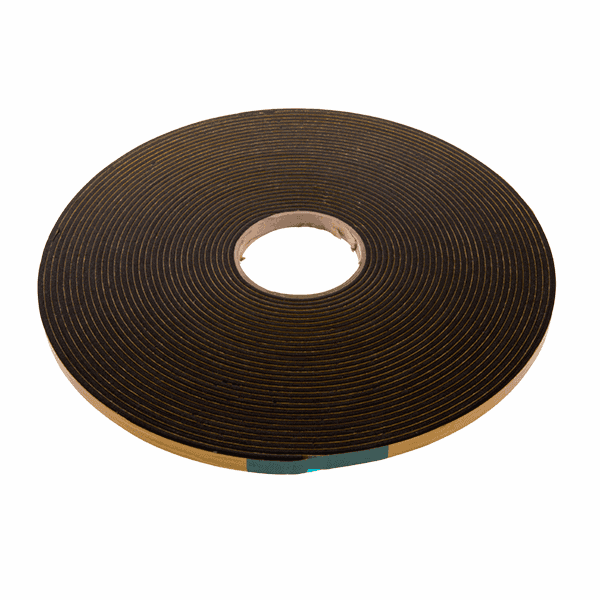
- Structural Glazing Tape - 20mm
- Security Glazing Tape
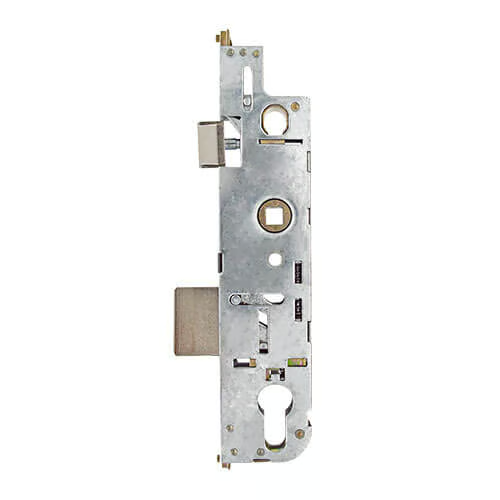
- Multipoint Gearbox GU Old Style
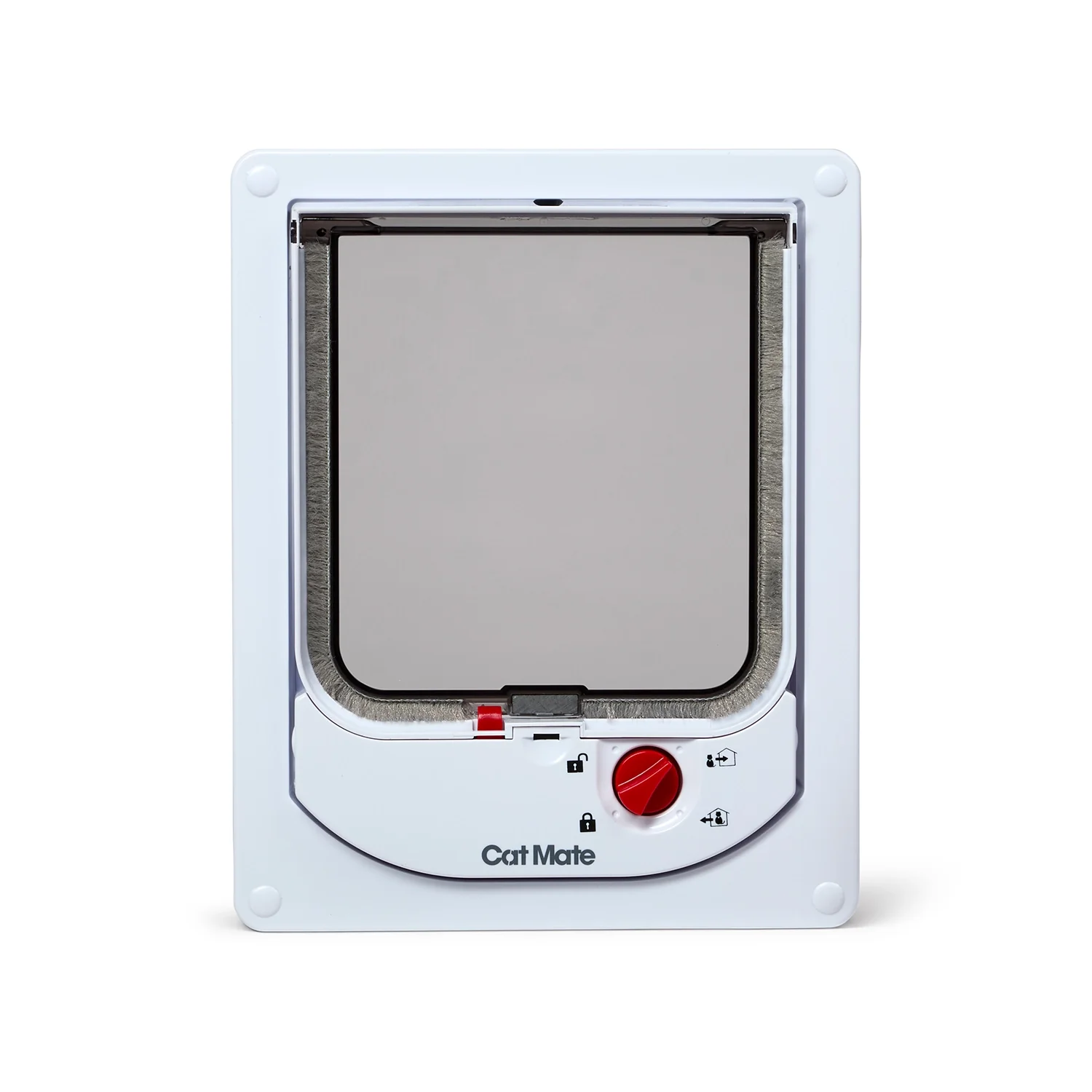
- Cat Mate Electromagnetic Cat Flap
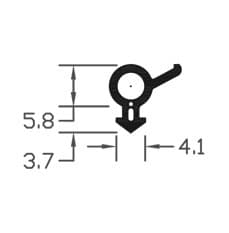
- B003 Bubble Gasket
Conclusion and next steps
Choosing and fitting a cat flap for a uPVC door with double glazing requires planning: confirm door construction, select the correct product for door thickness and security needs, and decide whether a glazed unit needs replacement by a glazing specialist. For DIY jobs, remove the door, use the correct tools and follow the flap manufacturer's template. For installations involving sealed glass units, reinforcements or fire-rated doors, contact a glazing or door specialist.
Next steps: measure the pet and door, review the flap sizes and tunnel lengths available, and contact Window Hardware Store or a local glazing trade for a quotation or professional installation.
Products mentioned in this article
Related articles
Rented Property Cat Flap Options: What Landlords Need to Know
Rented Property Cat Flap Options: What Landlords Need to Know Installing a cat flap in a rented property can improve tenant satisfaction but it raises ques...
Replacing uPVC Door Panels with Cat Flap Panels: A Cleaner Solution
Replacing a uPVC door panel with a purpose-made cat flap panel is a practical way to give pets easier access while keeping the rest of the door intact. Whe...
Dog Flap Insulation: Preventing Heat Loss Through Larger Pet Doors
Dog Flap Insulation: Preventing Heat Loss Through Larger Pet Doors Large dog flaps are convenient for owners and pets, but they create a significant therma...