
Cat Flap Installation Costs in 2026: DIY vs Professional Fitting
Cat Flap Installation Costs in 2026: DIY vs Professional Fitting Overview Installing a cat flap in 2026 remains one of the most practical upgrades for pet ...
Cat Flap Installation Costs in 2026: DIY vs Professional Fitting
Overview
Installing a cat flap in 2026 remains one of the most practical upgrades for pet owners; the variety of products has increased and prices have adjusted with inflation and supply chain changes. Whether you are a homeowner considering a weekend DIY project or a trade professional quoting a customer, understanding the realistic costs, the technical constraints of different doors and windows, and the practical steps involved will save time and avoid expensive mistakes.
Common cat flap types and typical unit costs (UK, 2026)
Unit prices vary by technology and build quality. Below are typical retail ranges you will see on the market in 2026; VAT at 20% is usually included in consumer pricing, but trade accounts may differ.
- Basic mechanical flap: £15 to £50; simple four-way lock variants at the top end.
- Magnetic-lock flap: £40 to £90; improved security and weather sealing.
- Microchip-activated flap: £80 to £300; reads your cat's implanted microchip or collar tag to limit access.
- Smart/electronic flaps with app control or programmable schedules: £120 to £400+.
- Glass-fitted cat flaps (replacement sealed unit or specialist glazing): £150 to £700 depending on sealed-unit manufacture and glazing type.
DIY fitting: practical guidance and realistic costs
DIY installation is suitable for experienced homeowners and many trade professionals working outside their specialism; success depends on door or window type and the correct tools. Typical DIY costs include the flap unit, consumables and any tools you do not already own.
- Tools and consumables: jigsaw or multi-tool, drill with hole saws, screwdrivers, sealant and sandpaper; expect to spend £0 to £60 if you already own general tools, otherwise £50 to £120 for basic tools.
- Labour: your time; typical install time for a uPVC or timber door is 1 to 3 hours for someone competent.
- Estimated DIY totals:
- uPVC door: unit £20 to £200; additional tools £0 to £80; total £20 to £280.
- Timber door: unit £20 to £300; tools £0 to £120; total £20 to £420.
- Glass panel (sealed unit replacement): usually not a DIY job; do not attempt to modify sealed double glazing yourself as you will void the unit and risk injury.
DIY technical tips: when cutting uPVC or timber doors, support both sides and work at low speed to avoid chipping; when fixing into uPVC frames use screws suited to the material depth and avoid penetrating reinforcement with long screws; for microchip flaps, read the manufacturer manual to programme chip ranges and perform tests with the cat close to the sensor.
Professional fitting: what tradespeople should quote and why prices vary
Professional fitters charge for skills, time and any additional parts such as replacement glass or reinforced panels. For trade professionals quoting clients, break down costs into parts and labour so customers understand the value.
- Labour rates: expect typical fitting charges of £60 to £200 depending on complexity and location; London and the South East will be at the upper end.
- Composite doors: these often contain a steel or honeycomb core; cutting requires specialist cutters and reinforcement kits; professional fitting: £100 to £300 extra compared with simple timber/uPVC jobs.
- Glass installation: if the install requires a new sealed unit with an integrated cat flap, include glass manufacture and glazing removal; total professional costs commonly £250 to £700.
- Warranty and insurance: professionals should offer workmanship guarantees and public liability insurance; this increases cost but protects the homeowner and the installer.
Trade advice: check door manufacturer guidance before cutting into a door that has a multipoint lock or thermal core; cutting into a lock stile or inner reinforcement can compromise security and the door warranty. For double-glazed units, recommend replacing the sealed unit with one fitted by a registered glazier rather than attempting to drill full glass panels on site.
Factors that most affect price and selection
Several practical considerations change the final cost:
- Door or window material: uPVC is usually cheapest to modify; composite and timber vary; sealed-unit glass is the most expensive.
- Type of cat flap: electronic and microchip models cost more but reduce stray traffic and are preferred by many clients.
- Security and weatherproofing: reinforced frames, upgraded flaps with multipoint sealing and anti-tamper features add cost but improve performance.
- Access and site conditions: restricted access, scaffolding or removal of existing fixtures increases labour time and price.
- Guarantees and certification: if a job requires conformity with building regulations or affects a fire door, price increases and specialist approval are needed; generally do not install a cat flap into a fire escape door without consulting a specialist.
Practical maintenance and small running costs
Maintenance is straightforward, and small running costs should be considered by homeowners:
- Batteries: microchip and electronic flaps use AA or rechargeable batteries; expect £3 to £20 per year depending on usage and battery type.
- Seals and draught-proofing: replace worn seals every few years; a tube of exterior-grade silicone or replacement rubber is inexpensive but essential for energy efficiency.
- Cleaning and lubrication: keep lock mechanisms and hinges free of dirt; use suitable silicone lubricant for smooth operation.
- Replacement parts: flaps and inner liners may need replacing after heavy use; budget £15 to £80 for parts over the life of the flap.
Recommended Products
Based on this article, you may find these products helpful:
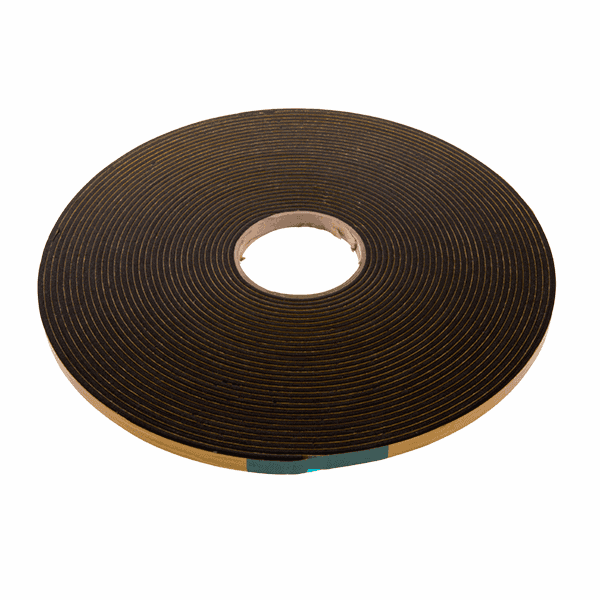
- Structural Glazing Tape - 20mm
- Security Glazing Tape
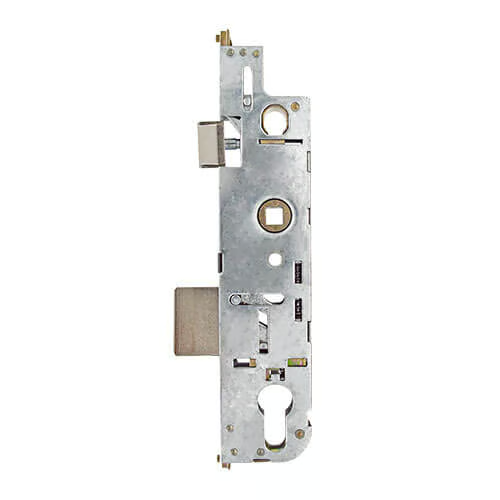
- Multipoint Gearbox GU Old Style
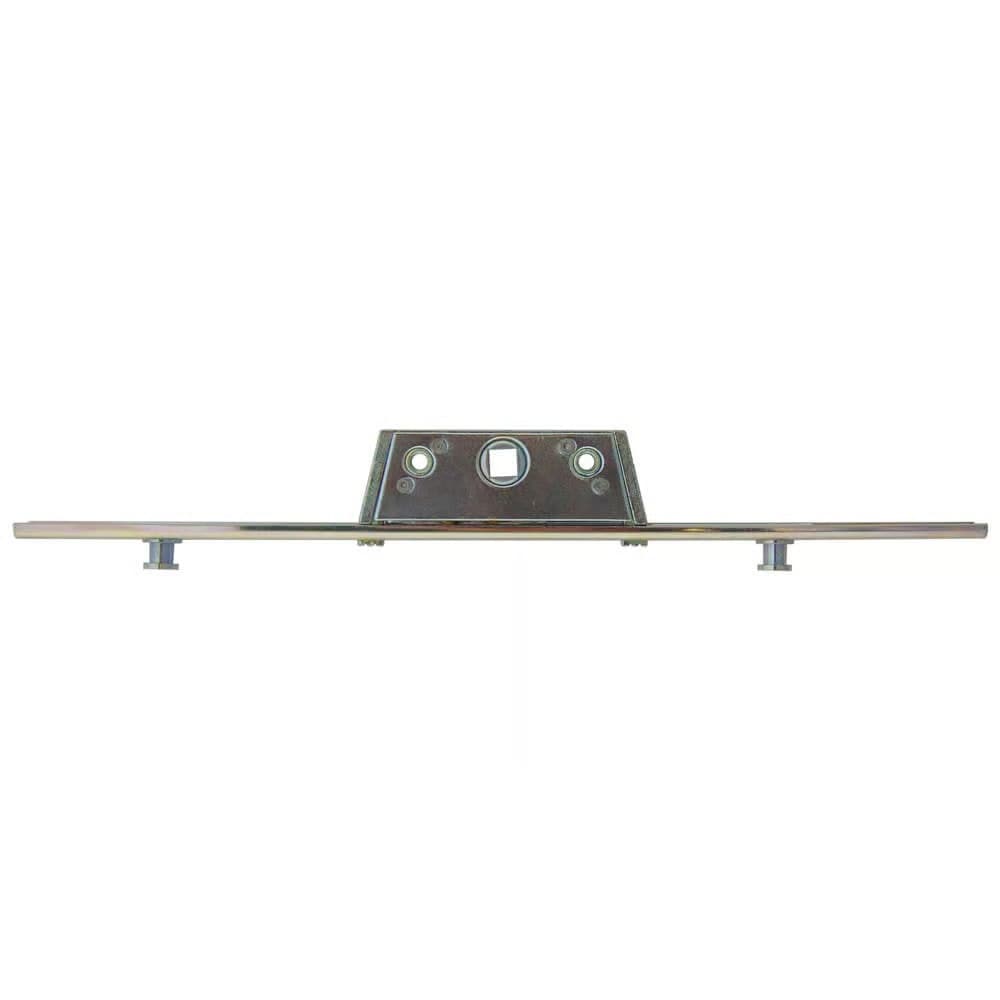
- In-Line Window Mechanism
- Offset Window Mechanism
Conclusion and next steps
Deciding between DIY and professional cat flap fitting in 2026 depends on the door or window material, the level of security and sealing required, and the homeowner's confidence with tools. For uPVC and simple timber doors a competent DIYer can save money; for composite doors and any sealed glazing, professional fitting is usually the smarter and safer option. Trade professionals should provide clear, itemised quotes that include parts, labour, glass replacement where necessary, and any warranty information.
Next steps: review the available cat flap models and their compatibility with your door or window type; if in doubt, obtain at least two professional quotes and check installer insurance and guarantees. For product comparisons and further technical resources visit our pillar page: /guides/pet-flaps.

Related articles
Rented Property Cat Flap Options: What Landlords Need to Know
Rented Property Cat Flap Options: What Landlords Need to Know Installing a cat flap in a rented property can improve tenant satisfaction but it raises ques...
Replacing uPVC Door Panels with Cat Flap Panels: A Cleaner Solution
Replacing a uPVC door panel with a purpose-made cat flap panel is a practical way to give pets easier access while keeping the rest of the door intact. Whe...
Dog Flap Insulation: Preventing Heat Loss Through Larger Pet Doors
Dog Flap Insulation: Preventing Heat Loss Through Larger Pet Doors Large dog flaps are convenient for owners and pets, but they create a significant therma...