
Cat Flap Panel for uPVC Doors: The No-Cut Alternative
Cat Flap Panel for uPVC Doors: The No-Cut Alternative If you need a cat flap for upvc door but want to avoid cutting into the door or voiding the manufactu...
Cat Flap Panel for uPVC Doors: The No-Cut Alternative
If you need a cat flap for upvc door but want to avoid cutting into the door or voiding the manufacturer warranty, a cat flap panel is a practical and professional solution. These panels replace an existing glazed or decorative panel in a uPVC door and come factory prepared to accept a pet flap; they preserve the door’s structural integrity, maintain multipoint locking performance, and make installation straightforward for both trade fitters and competent DIYers.
What a cat flap panel is and when to use one
A cat flap panel is a preformed infill that fits the panel aperture of a uPVC door where a glazed unit or decorative panel would normally sit. Instead of cutting the door leaf, you remove the existing unit and install the panel that already has a pet flap fitted or pre-cut for a chosen flap. These are best used when the door has removable glazing beads and a standard panel rebate; they are not suitable for doors with integral, foiled or bonded skins without removable panels.
Benefits compared with cutting the door
- Preserves factory seals and multipoint locking performance; no weakening of the door leaf.
- Keeps manufacturer warranty intact where modifications would otherwise void it.
- Faster installation on site; minimal tools required and less mess.
- Easy to replace or remove later if you sell the property or change the flap.
- Better security options: panels are available with reinforced frames and high-security flaps to maintain PAS 24 levels where required.
Types of panels and pet flaps
Panels come in a range of materials and styles to match typical uPVC door designs: solid PVC-U panels, laminated/foil-faced panels, or insulated sandwich panels. Pet flaps fitted into these panels vary by function and security:
- Manual flaps: simple weatherproof swing flaps with a locking slider for night security.
- Magnetic or brush-sealed flaps: better draught performance for exposed doors.
- Microchip or RFID flaps: allow only authorised cats to enter; useful in conservation areas or multi-pet households.
- Reinforced security flaps: thicker frames, anti-tamper fittings to resist forced entry.
Measuring and specifying the correct panel
Accuracy at measurement stage avoids delays. Key points for trade and DIYers:
- Measure the visible aperture: width, height and the depth of the rebate where the glazing bead sits. Typical sealed unit depths are 24mm or 28mm; panels are often thinner, so confirm bead compatibility.
- Check whether the door has internal or external beading. External beading can be more fragile and requires careful removal with a glazing knife and wedge.
- Confirm door type: uPVC panel doors with removable units, not bonded skins or composite solid cores.
- Note any laminated or foil finishes to supply a matching panel; mismatched panels look unprofessional.
- Decide flap position: centre of panel is common for cats; measure shoulder height of the pet for comfortable access.
Step-by-step fitting overview (trade and competent DIY)
- Tools and PPE: glazing knife, trim tool, suction lifter for glass, soft mallet, packers, silicone (neutral cure), gloves, safety glasses.
- Remove existing panel: open the door and carefully prise out the glazing beads. Work slowly to avoid cracking beads or damaging foil. Support the sealed unit while undoing beads.
- Lift out the sealed unit or decorative panel; set it aside if it will be refitted or recycled.
- Dry-fit the new cat flap panel into the rebate. Check that panel thickness matches the bead depth and that the flap operates freely without striking rebates or handles.
- If required, use glazing packers to achieve even pressure and a square fit; ensure the panel sits flush with the face of the door where intended.
- Seal and bed: where appropriate, run a bead of neutral-cure silicone on the rebate before seating the panel to prevent draughts. Avoid acidic silicones; they can stain uPVC and foil finishes.
- Replace glazing beads; use a soft mallet and block to avoid damaging faces. Refit from the bottom up and secure corners evenly.
- Test operation: check flap swing, locking positions, and that the multipoint lock engages without extra strain.
Practical trade tips and troubleshooting
- Always check the door manufacturer’s guidance before any modification; some warranties still allow panel swaps but not door leaf cutting.
- For doors with non-standard bead sections, take a bead sample or clear photos to the supplier; custom beads may be needed.
- If the flap is electronic, consider routing of batteries and control units: many panels accommodate battery packs inside the panel; ensure accessible access for replacements.
- Where security is a concern, specify panels certified to the appropriate standard and fit flaps with anti-tamper frames and internal access locks.
- Avoid over-packing; uneven packers cause stress and may lead to bowing of the panel or bead pop-out over time.
When not to use a cat flap panel
Do not attempt to fit a panel into a door that is a bonded composite, a door with an integral steel skin, or where the panel area is structural and not designed to be removed. In those cases, a specialist cut-in flap by a door manufacturer or a new door may be the only safe option. If in any doubt, consult the door manufacturer or a qualified installer.
Maintenance and aftercare
- Check beads and seals annually; reapply neutral silicone if any shrinkage occurs.
- Lubricate flap hinges and locks with a dry PTFE spray rather than oils which attract dirt.
- For electronic flaps, replace batteries on a schedule and keep contact points clean; keep manuals and programming instructions safe for future owners.
Choosing a cat flap panel for a uPVC door gives homeowners and tradespeople a no-cut alternative that protects door performance and warranty while delivering a secure, draught-conscious pet access solution. Panels are a straightforward retrofit when the door design allows and provide tidy, reversible installations.
Recommended Products
Based on this article, you may find these products helpful:
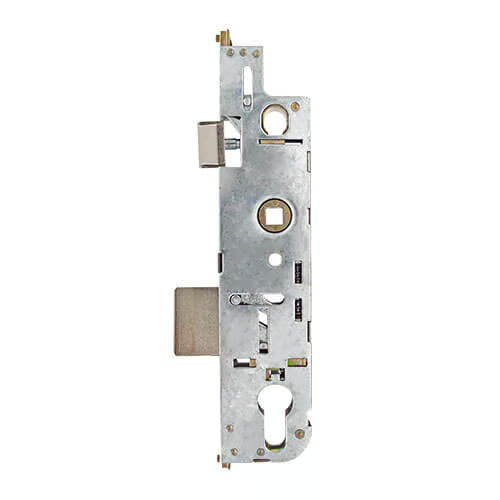
- Multipoint Gearbox GU Old Style
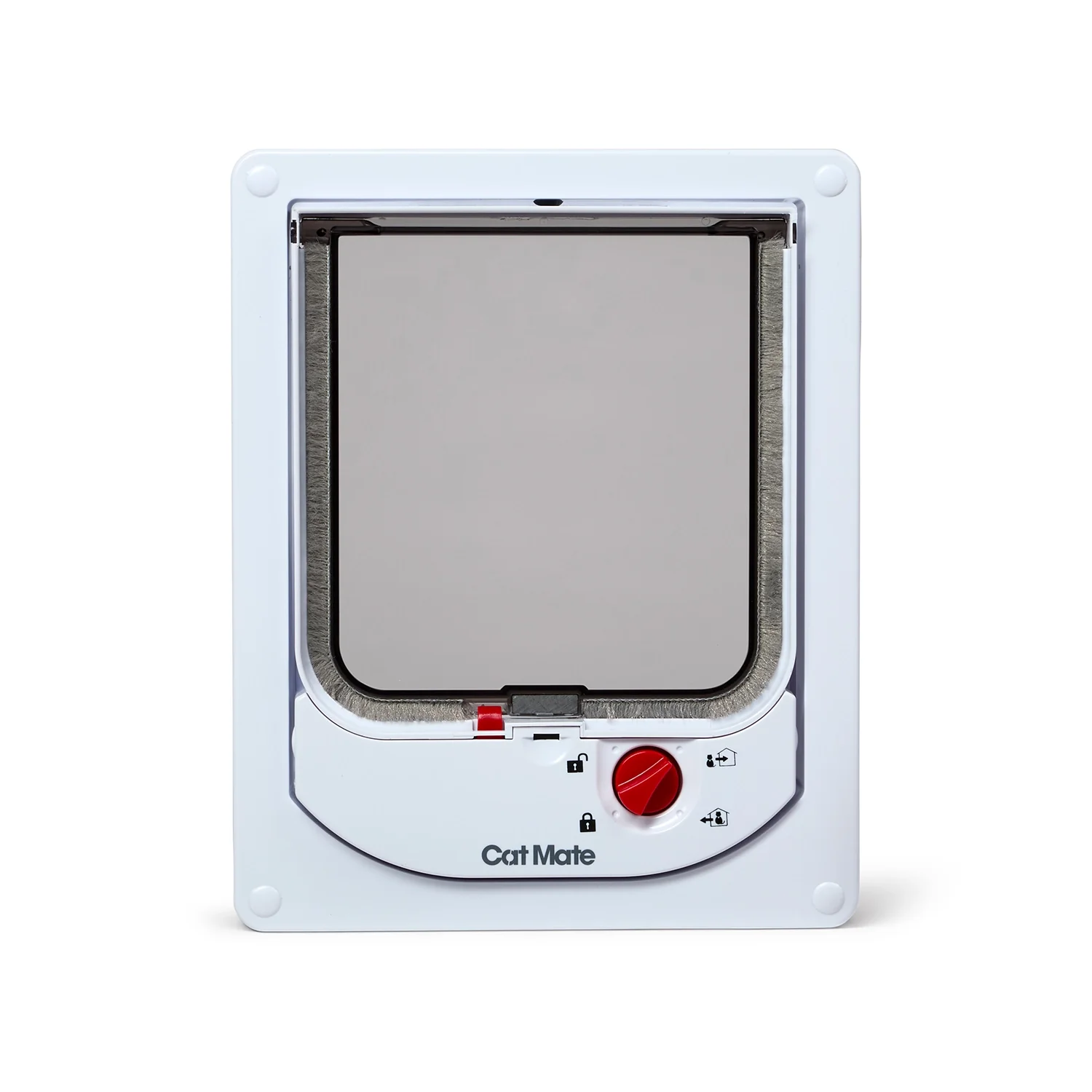
- Cat Mate Electromagnetic Cat Flap
- E-Type Gasket - Black 5m Roll
- E-Type Gasket - Black (Per Metre)
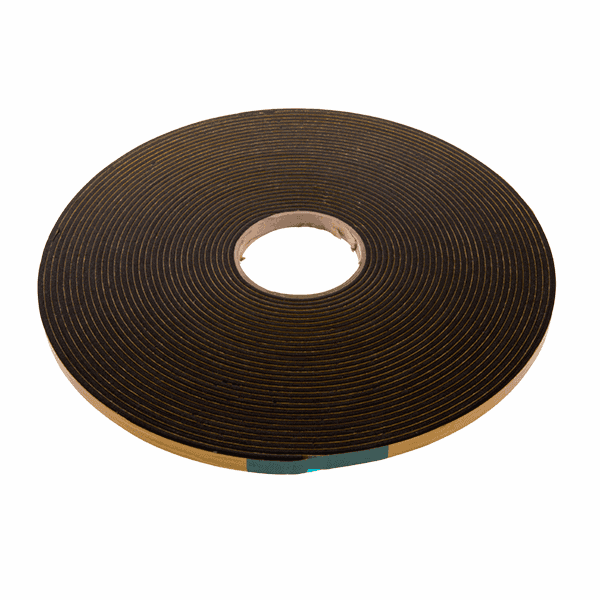
- Structural Glazing Tape - 20mm
Conclusion and next steps
If you are planning a cat flap for upvc door, first confirm your door has a removable panel and take accurate measurements. For trade orders, request sample beads or technical datasheets where necessary and specify the flap type, security level and finish. For DIY jobs, order the panel with the flap pre-fitted where possible and follow safe glazing removal practices. For more product options, technical advice and suppliers, see our pet flaps hub: /guides/pet-flaps.
Products mentioned in this article
Related articles
Rented Property Cat Flap Options: What Landlords Need to Know
Rented Property Cat Flap Options: What Landlords Need to Know Installing a cat flap in a rented property can improve tenant satisfaction but it raises ques...
Replacing uPVC Door Panels with Cat Flap Panels: A Cleaner Solution
Replacing a uPVC door panel with a purpose-made cat flap panel is a practical way to give pets easier access while keeping the rest of the door intact. Whe...
Dog Flap Insulation: Preventing Heat Loss Through Larger Pet Doors
Dog Flap Insulation: Preventing Heat Loss Through Larger Pet Doors Large dog flaps are convenient for owners and pets, but they create a significant therma...