
Cat Flap Sizes for uPVC Doors: Finding Compatible Products
Cat Flap Sizes for uPVC Doors: Finding Compatible Products Choosing the right cat flap for a uPVC door demands more than matching colours or picking a bran...
Cat Flap Sizes for uPVC Doors: Finding Compatible Products
Choosing the right cat flap for a uPVC door demands more than matching colours or picking a brand. You need the correct aperture size for your cat, a product that suits uPVC construction and thickness, and installation that preserves door security and weather performance. This post explains practical size ranges, how to measure both pet and door, installation considerations for uPVC panels, and trade tips for professional or DIY fitting. For a deeper look at different pet flap types refer to our pillar resource: /guides/pet-flaps.
Which cat flap size does your pet need?
Start with the animal, not the door. Measure your cat at the widest point of the shoulders and the tallest point of the shoulder to ground. Use those two measurements to choose an aperture that allows comfortable passage; cats do not like tight squeezes. Typical guidance:
- Small cat: shoulder width 120–140mm; recommended aperture roughly 120–150mm wide
- Medium cat (most domestic cats): shoulder width 140–160mm; recommended aperture roughly 140–170mm wide
- Large cat or chunky breed: shoulder width 160–200mm; recommended aperture 160–200mm wide
Height is usually similar to width for cat flaps but check product dimensions. Always allow a little clearance for ease of movement and to accommodate collars or microchip housings in the flap mechanism.
uPVC door construction and why it matters
uPVC doors are typically made from outer PVC skins around a core that can be foam, honeycomb or contain steel reinforcement. This affects where and how you fit a cat flap:
- Door thickness: most residential uPVC doors are 35–44mm thick; some reinforced units are thicker. Check the product specification for maximum tunnel length or ask for an extension tunnel if your door is thicker.
- Steel reinforcement: many doors include vertical or horizontal steel sections. Cutting through these will complicate installation and may affect the multipoint locking; locate reinforcement before cutting using a strong magnet to detect steel.
- Glazed panels: if your door has glass panels, fitting into glass is a different product and process; do not attempt to cut laminate or sealed units without a specialist glass fitter.
Typical cut-out sizes and templates
Manufacturers supply templates with every cat flap model. The visible flap aperture is smaller than the overall cut-out required for the frame and tunnel. Typical practical advice:
- Always transfer the manufacturer template to the door face; do not guess dimensions.
- Mark both sides of the door and confirm orientation: cats prefer low-to-the-floor positions but check clearances with internal furniture or locking mechanisms.
- For trade fitting have a selection of jigsaw blades for plastics and a set of drill bits for pilot holes; use masking tape on the face to minimise chipping.
Installation steps: practical DIY and trade tips
Whether you are a homeowner confident with tools or a trade fitter, follow these steps and safety checks:
- Measure twice: confirm pet dimensions and door thickness. Check for steel with a magnet along the template area.
- Dry fit the template on both faces and ensure the cut-out will not interfere with lock hardware or reinforce bars. If in doubt, remove the door from hinges and inspect the edge for reinforcements.
- Drill pilot holes at the template corners; use a jigsaw with a blade suited to uPVC and cut slowly to avoid melting. Keep tool speed moderate and support the door to prevent flexing.
- Deburr the cut edges and wipe away swarf. Lightly sand to ensure a clean fit for the frame; avoid aggressive sanding that removes too much material.
- Fit the tunnel and frame per the manufacturer instructions; use the correct fixings — self-tapping screws designed for uPVC or the supplied fasteners. For doors with a hollow core use reinforcing plates if supplied.
- Seal with a suitable silicone sealant on the outer frame if required to prevent water ingress. Re-check multipoint locking operation after installation; some doors require lock realignment if the panel has been disturbed.
Security and weathering considerations
Altering a uPVC door can affect security and weather performance. Key trade advice:
- Check your insurance: some policies require notification if the door fabric is modified. Keep records of the product installed and installation method.
- Choose a secure model: lockable or microchip-controlled flaps prevent unwanted animals entering. Look for models with reinforced inner plates and robust screw fixings.
- Insulation: cat flaps introduce a thermal bridge. Select options with good brush seals, draught excluders and an insulated tunnel for deep door cores. Some models include magnetic seals to reduce wind noise and heat loss.
- Reinforcement: for trade installations where steel reinforcement will be cut, fit a steel backplate or tunnel kit to restore rigidity; consult the door manufacturer or a structural specialist for listed doors.
Choosing the right product for a uPVC door
When selecting a cat flap for upvc door, match these product features to your needs:
- Aperture dimensions compatible with your pet size
- Suitable tunnel length or extension kit for door thickness
- Fixings and installation method designed for uPVC panels
- Security features such as locking covers or microchip access
- Weatherproofing: seals, magnets and insulation for energy efficiency
For trade customers, stock a range of sizes and tunnel extensions, plus templates so you can offer same-day measurement and fitting. For homeowners, purchase a model with a clear installation guide and consider professional fitting if the door has complex reinforcement or is part of an alarmed/multipoint locking system.
Recommended Products
Based on this article, you may find these products helpful:
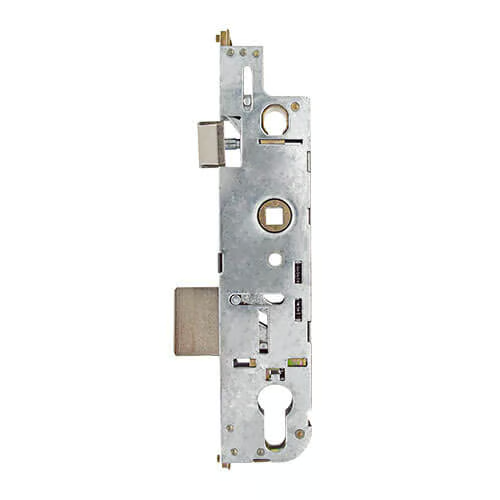
- Multipoint Gearbox GU Old Style
- In-Line Window Mechanism
- Offset Window Mechanism
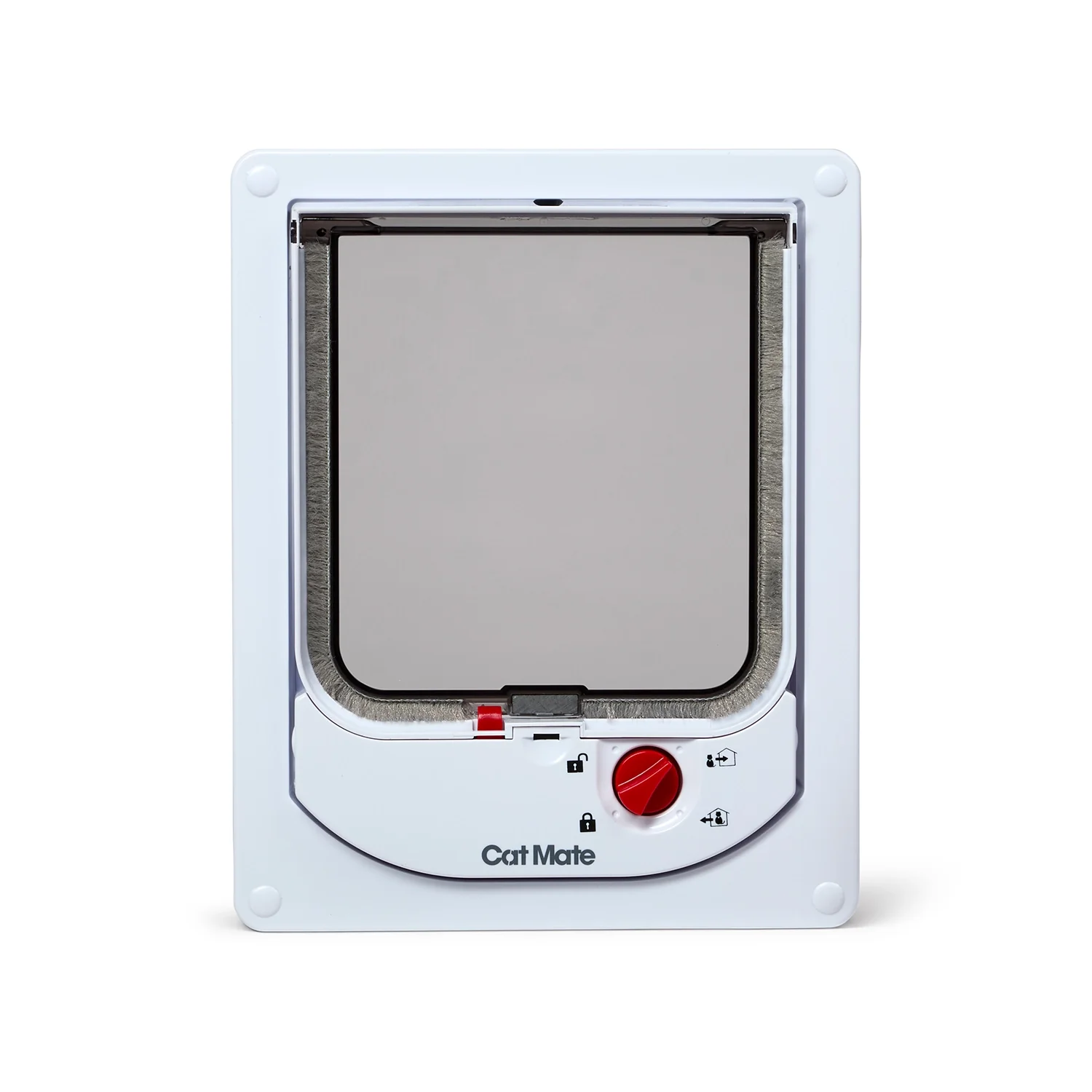
- Cat Mate Electromagnetic Cat Flap
- E-Type Gasket - Black 5m Roll
Conclusion and next steps
Choosing a cat flap for upvc door means balancing pet comfort, door construction and security. Measure your cat carefully, check door thickness and reinforcement with a magnet, and use the manufacturer template when cutting. Fit seals and consider lockable or microchip models for safety. If unsure about cutting through reinforcement or altering a multipoint locked door, contact a professional fitter.
Next steps: measure your pet, note door thickness and reinforcement locations, then view suitable products and templates; for further reading see our pet flap resources at /guides/pet-flaps or contact our trade team for technical support and fitting accessories.
Products mentioned in this article
Related articles
Replacing uPVC Door Panels with Cat Flap Panels: A Cleaner Solution
Replacing a uPVC door panel with a purpose-made cat flap panel is a practical way to give pets easier access while keeping the rest of the door intact. Whe...
Rented Property Cat Flap Options: What Landlords Need to Know
Rented Property Cat Flap Options: What Landlords Need to Know Installing a cat flap in a rented property can improve tenant satisfaction but it raises ques...
Dog Flap Insulation: Preventing Heat Loss Through Larger Pet Doors
Dog Flap Insulation: Preventing Heat Loss Through Larger Pet Doors Large dog flaps are convenient for owners and pets, but they create a significant therma...