
Deadbolt Lock Grades Explained: Understanding Security Ratings
Deadbolt Lock Grades Explained: Understanding Security Ratings Choosing the right deadbolt affects the security of a property and the terms of many insuran...
Deadbolt Lock Grades Explained: Understanding Security Ratings
Choosing the right deadbolt affects the security of a property and the terms of many insurance policies. Whether you are a homeowner fitting a lock yourself or a trade professional advising a client, understanding lock grades and UK standards helps you select products that give reliable protection for external doors, meet fire door requirements and satisfy insurers.
What lock grades mean
Lock grades are performance benchmarks set by testing bodies. They measure resistance to forced entry, wear and tear, durability and in some systems resistance to picking or drilling. In the UK the most relevant marks are British Standards and schemes such as BS 3621, PAS 24, Secured by Design and the Sold Secure categories. For cylinders, the TS007 Kitemark and Sold Secure ratings are particularly significant; a three-star TS007 cylinder is widely accepted by insurers for new builds and replacement cylinders on external doors.
The American ANSI/BHMA grading system (Grade 1, 2, 3) is also commonly used by manufacturers. Grade 1 represents the highest tested level of performance; Grade 2 is mid-range and Grade 3 is basic residential. When specifying locks for UK projects it is useful to understand these equivalences, but always confirm the lock meets UK-specific standards and any insurer or building control requirements.
How grades are tested
Testing involves several disciplines: cycle testing for durability, torque and torque out tests for latch and bolt strength, forced entry tests using tools and leverage, and security tests for picking, drilling and snapping resistance. For euro cylinders, anti-snap features are tested under TS007. For whole-lock approvals such as PAS 24, assemblies are tested as fitted to a door, so the door type and frame are part of the tested product.
Choosing the right deadbolt for the job
Select a deadbolt based on door material, use case and compliance needs. A few practical criteria:
- External timber or metal doors: use a mortice deadlock or a high-quality rim deadbolt that meets BS 3621 or PAS 24 where required.
- UPVC and composite doors: these typically require multi-point locks; ensure the deadbolt portion is compatible and that the cylinder meets TS007 three-star for anti-snap protection.
- Fire doors: only use locks that are compatible with the fire performance of the door; check manufacturer guidance and certificated test evidence before changing hardware.
- High-risk premises: consider Sold Secure Gold rated products and Secured by Design accredited systems for additional assurance.
Practical trade advice
For installers advising customers or fitting on-site, attention to frame and installation details is as important as the lock grade. A high-spec deadbolt fitted to a weak frame is vulnerable; reinforcing the frame and using long screws will substantially improve performance.
- Use long fixings: fit the strike plate and hinge screws with long, coach-bolt style or security screws that reach into the stud timber or frame carcass; 70 mm plus length is common practice.
- Reinforce the strike area: use steel reinforcement plates or boxed strikes on weak frames and damaged doors; these reduce the risk of the bolt being levered out.
- Match cylinder security to the lock: if a deadbolt relies on a euro cylinder, specify anti-snap, anti-drill and anti-bump features; recommend TS007 three-star where insurance or local policy requires it.
- Document compliance: supply evidence of standards and any certificates with your handover to the client; this helps with insurance and future maintenance.
DIY installation guidance
Homeowners can fit many deadbolts but must follow correct procedures and check warranty and insurance terms. Basic steps:
- Measure first: confirm door thickness and handing, and check the manufacturer’s recommended backset and centre distances. Never guess measurements; use the supplied template where possible.
- Prepare the door and frame: mark accurately, drill pilot holes and use a suitable chisel to cut the mortice for the lock case and strike plate. Keep the face of the door and frame protected to avoid splitting or chipping.
- Secure the frame: use long security screws into the frame and ensure the strike plate is tightly seated. A loose strike plate makes even a well-graded deadbolt ineffective.
- Test operation: operate the bolt several times and check alignment; clean any debris and lubricate with a silicone or graphite lubricant suitable for locks. Avoid oil-based lubricants that attract dust.
- For multi-point locks or fire doors: if the job demands modifications to the door or frame, consult a professional and check that the new hardware is compatible with fire certification.
Maintenance and lifespan
Regular maintenance extends the life of any deadbolt and preserves its rated performance. Service annually or sooner in exposed locations. A practical checklist:
- Check fastenings: tighten screws and inspect the frame for wear or split timber.
- Lubricate moving parts: use graphite or specialist lock grease; do not use general-purpose oils.
- Inspect cylinder: ensure anti-snap features remain intact and there is no excessive play; replace cylinders that show wear or corrosion.
- Test security features: check that bolts engage fully into strikes and that multipoint systems lock consistently across the full throw.
Recommended Products
Based on this article, you may find these products helpful:
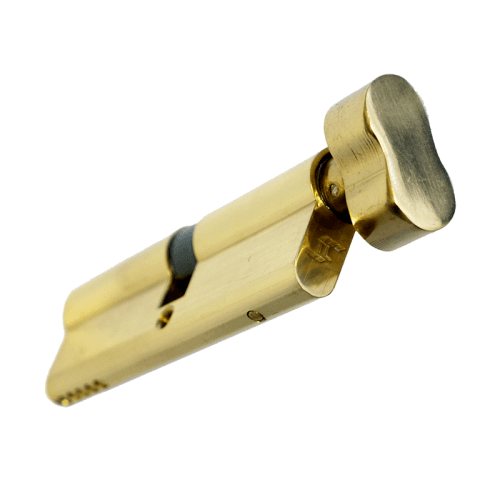
- TL Thumb Turn Euro Cylinder
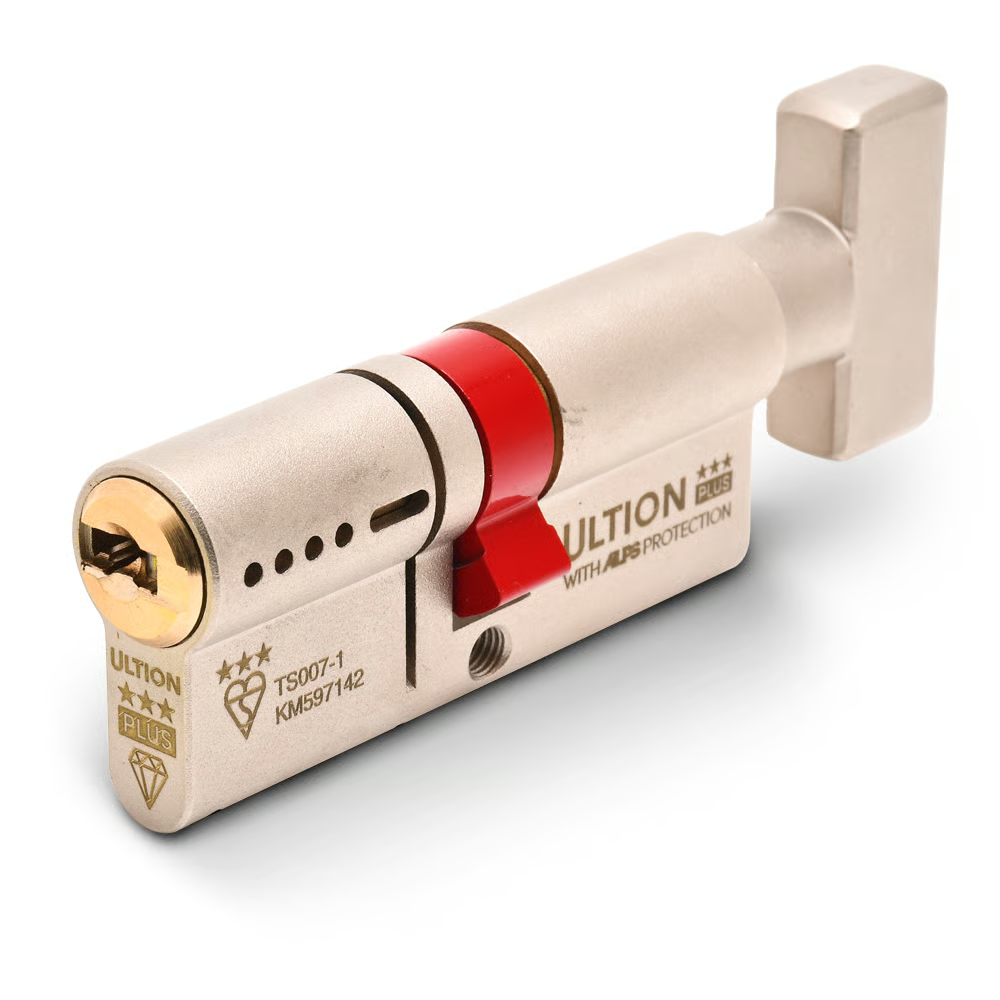
- Ultion Plus TS007 3* Kitemarked Euro Key & Turn Cylinder
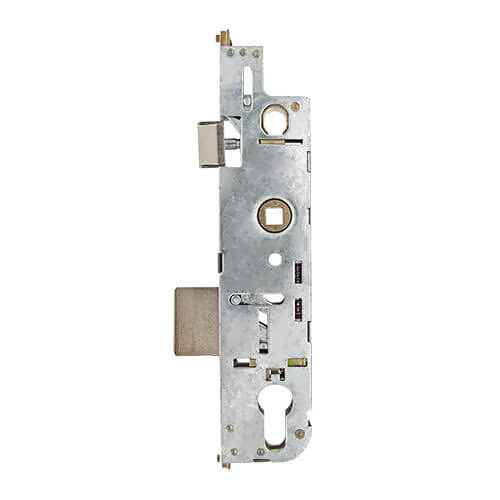
- Multipoint Gearbox GU Old Style
- Top-Hung Window Hinge - Standard
- Side-Hung Window Hinge - Standard
Conclusion and next steps
Deadbolt grade and certification are key to securing a property and satisfying insurers. For trade professionals, specify locks with appropriate British Standards and consider whole-assembly approvals such as PAS 24 or Secured by Design where required. For DIYers, select a product that meets the necessary standards, measure carefully, reinforce the frame and follow the manufacturer’s template and instructions.
Next steps: review your current door hardware, check insurer specifications, and consult our pillar resource at /guides/door-locks for more on lock types and compatibility. If you need help selecting a deadbolt for a specific door, contact a specialist at Window Hardware Store for product recommendations and trade pricing.
Products mentioned in this article
Related articles
uPVC Door Lock Maintenance: Keep Your Lock Working Smoothly
uPVC Door Lock Maintenance: Keep Your Lock Working Smoothly A well maintained upvc door lock reduces call-outs, keeps a property secure and extends the lif...
Hook Lock Sizes and Compatibility: Matching Your Existing Lock
Hook Lock Sizes and Compatibility: Matching Your Existing Lock Replacing a hook lock can be straightforward if you know what to measure and what to check f...
Replacing Individual Hook Locks vs Full Multipoint Mechanism
Replacing Individual Hook Locks vs Full Multipoint Mechanism Deciding whether to replace a single hook lock or the entire multipoint mechanism is a common ...