
Deadbolt Security Features: What to Look For
Deadbolt Security Features: What to Look For Why the right deadbolt matters A deadbolt is a fundamental element of a secure external door. Unlike spring-la...
Deadbolt Security Features: What to Look For
Why the right deadbolt matters
A deadbolt is a fundamental element of a secure external door. Unlike spring-latched locks, a deadbolt provides a solid metal bolt that resists forced entry when fully thrown. For UK homeowners and trade professionals, selecting the correct deadbolt and fitting it correctly can be the difference between a simple deterrent and a lock that will withstand attack. Insurance providers and schemes such as Secured by Design set clear expectations; meeting those standards will reduce risk and help with compliance.
Key features to check
When assessing deadbolts look for these technical and performance attributes:
- Bolt throw: a minimum of 20 mm is advisable; 25 mm or more gives better resistance to levering and prising.
- Bolt material: hardened steel construction reduces cutting and sawing risks; anti-saw pins or internal plates add protection.
- Lock case strength: a robust, fully boxed case or mortice body helps resist twisting and extraction.
- Cylinder protection: anti-snap, anti-drill, anti-pick and anti-bump features on the cylinder; TS007 3-star rated cylinders are widely accepted for high security.
- Certification: look for BS 3621 for mortice deadlocks where applicable, Sold Secure or Secured by Design approvals and clear test evidence from manufacturers.
- Striker and keeps: a reinforced strike plate with through-bolting into the frame will greatly improve the lock's resistance to brute force.
Cylinder types and considerations
Most modern deadbolts interact with a cylinder. In the UK you will commonly see euro profile cylinders, rim cylinders and oval cylinders. Euro cylinders are convenient but can be vulnerable to snapping. To mitigate that, specify anti-snap cylinders with a TS007 3-star rating where possible. For timber doors a BS 3621 five-lever mortice deadlock remains accepted by many insurers; for composite and UPVC doors, multi-point systems with high-grade cylinders give equivalent protection. Consider whether a thumb-turn on the inside is acceptable: it provides quick egress but may be a vulnerability if burglars can reach through broken glass; double-cylinder locks require a key on both sides and reduce that risk but can hinder escape in an emergency. Balance security with safe means of escape and check your local building regulations and insurance wording.
Strike plates, fixings and installation details
The lock is only as strong as its installation. Reinforce the strike area and use the correct fixings:
- Use a heavy duty strike plate; get the plate to wrap around the frame where possible to spread loads.
- Fit long wood screws or coach bolts that pass through the strike plate into the door jamb; screws of at least 60 mm are common practice; 70 to 80 mm is better if they penetrate the framing behind the jamb.
- Ensure the frame is solid and not rotted or hollow; reinforce the jamb with a steel plate or repair timber before fitting a high-security deadbolt.
- Check backset and door thickness: confirm the deadbolt and cylinder suit the door's thickness and the door's edge preparation; adjustable backsets can save time on site.
Types of deadbolt and where to use them
Choose the deadbolt type to match the door material and use-case:
- Mortice deadbolt: inset into solid timber doors; when BS 3621 rated and correctly fitted, this is often specified for traditional external door protection.
- Rim deadbolt: surface-mounted; suitable for gates or where morticing is not possible, but ensure robust fixing.
- Euro-profile deadbolt integrated with multi-point: ideal for UPVC and composite doors; security depends on the cylinder rating and multi-point engagement.
- Nightlatch with deadbolt function: offers convenience but should be used with a separate deadlock for maximum security.
Practical trade advice
For installers and locksmiths working in the trade, these tips will help produce a professional, secure installation:
- Always template and dry-fit before cutting the door. Measure the centre line for handles and keyholes accurately to avoid rework.
- Use timber repair or reinforcing plates when existing frames are weakened. A new deadbolt into a rotten jamb is ineffective.
- Pair a high-security cylinder with a reinforced escutcheon plate; if fitting euro cylinders, use anti-snap escutcheons that resist levering.
- Document compliance: supply customers with product datasheets and certificates such as TS007 and BS ratings for insurance purposes.
- Service locks on handover: demonstrate operation, check alignment of the bolt and strike, and apply a dry lubricant such as PTFE or silicone; do not use oil-based sprays that attract grit.
DIY guidance for homeowners
If you are replacing or upgrading a deadbolt yourself, follow these practical steps and safety notes:
- Match sizes: remove the old lock and measure the bolt throw, backset and faceplate dimensions; buy a unit that matches these or be ready to modify the door edge carefully.
- Use the correct tools: chisels, router or plunge router for neat mortices, a correct-sized drill and countersink for fixings, spirit level and square for alignment.
- Reinforce: always replace or upgrade the strike plate; use long screws to secure it into the frame to ensure real resistance to force.
- Test operation: ensure the bolt fully throws into the keep without binding; adjust the keep or strike plate position if necessary.
- Safety first: do not compromise means of escape; if you add a double-cylinder lock, ensure all householders know how to operate it in an emergency.
Maintenance and longevity
Regular maintenance keeps a deadbolt working smoothly and prolongs its life. Clean the mechanism annually and apply a dry lubricant to the moving parts. Check fixings periodically; tighten any loose screws and verify that the bolt throws cleanly into the strike. Replace worn cylinders or bolt components promptly rather than attempting temporary fixes.
Recommended Products
Based on this article, you may find these products helpful:
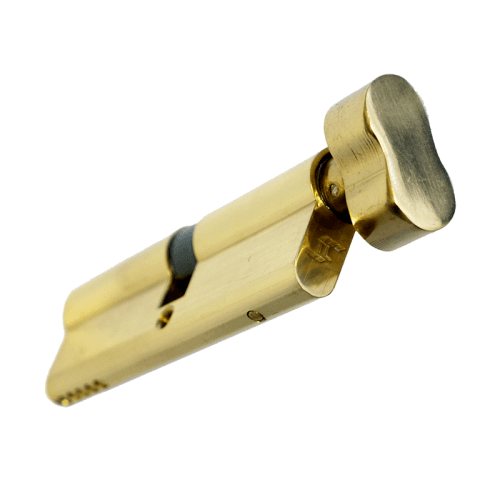
- TL Thumb Turn Euro Cylinder
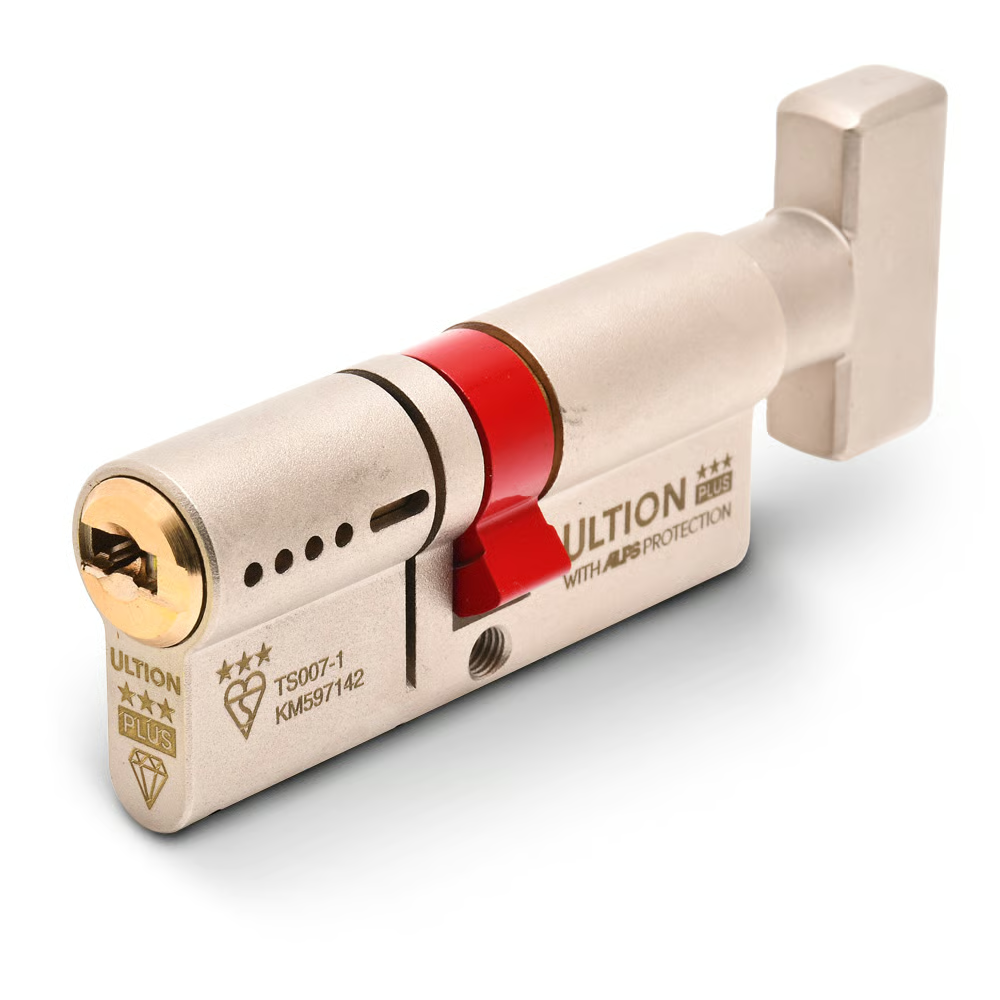
- Ultion Plus TS007 3* Kitemarked Euro Key & Turn Cylinder
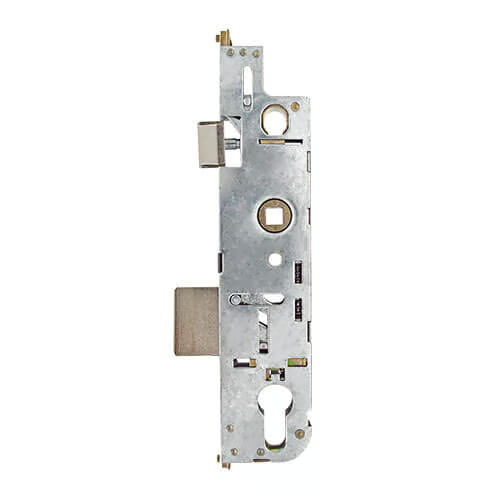
- Multipoint Gearbox GU Old Style
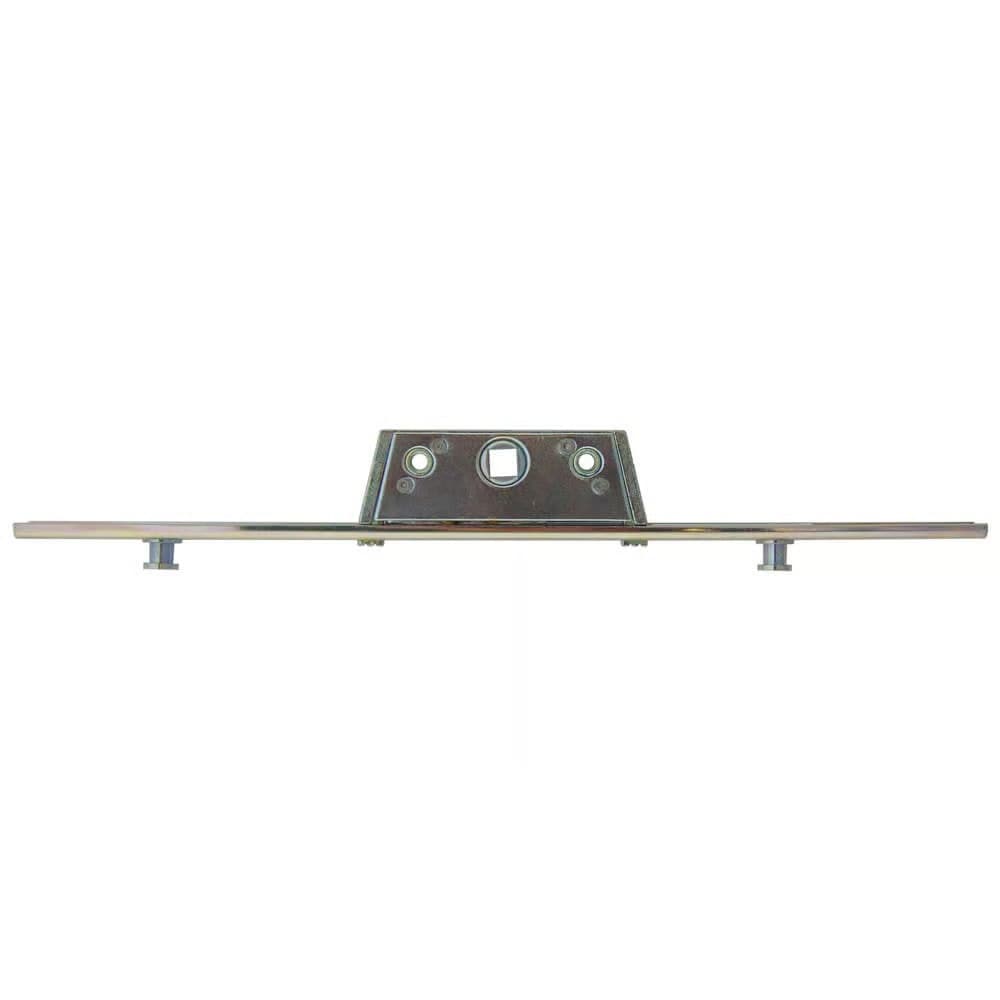
- In-Line Window Mechanism
- Offset Window Mechanism
Conclusion and next steps
Choosing the right deadbolt means assessing bolt throw and material, cylinder protection, certification and the quality of installation. For trade professionals: specify products that meet BS and TS007 standards and fit them with reinforced strikes and long fixings. For homeowners: match the lock to your door type, prioritise anti-snap cylinders where appropriate and do not neglect correct installation. For further reading on extended lock options and fitting techniques visit our pillar resource on door locks: /guides/door-locks. If you need product recommendations or on-site advice, contact our technical team for tailored assistance.

Related articles
uPVC Door Lock Maintenance: Keep Your Lock Working Smoothly
uPVC Door Lock Maintenance: Keep Your Lock Working Smoothly A well maintained upvc door lock reduces call-outs, keeps a property secure and extends the lif...
Hook Lock Sizes and Compatibility: Matching Your Existing Lock
Hook Lock Sizes and Compatibility: Matching Your Existing Lock Replacing a hook lock can be straightforward if you know what to measure and what to check f...
Replacing Individual Hook Locks vs Full Multipoint Mechanism
Replacing Individual Hook Locks vs Full Multipoint Mechanism Deciding whether to replace a single hook lock or the entire multipoint mechanism is a common ...