
Deadbolt vs Night Latch: Which Lock Is More Secure?
Deadbolt vs Night Latch: Which Lock Is More Secure? Choosing the right lock for an external door affects security, insurance and day-to-day convenience. Tw...
Deadbolt vs Night Latch: Which Lock Is More Secure?
Choosing the right lock for an external door affects security, insurance and day-to-day convenience. Two common options are the deadbolt and the night latch; each has strengths and weaknesses depending on door construction, glazing and how the property is used. The following comparison and practical advice is written for UK homeowners and trade professionals who need to make an informed decision or specify and fit the correct hardware.
How each lock works
A deadbolt is a robust bolt that is operated by a key or thumbturn and typically extends straight into a reinforced keep in the frame. Deadbolts can be fitted as a mortice deadlock (embedded in the door) or as a surface/rim deadlock (mounted on the face of the door). A night latch is a rim-mounted latch which automatically engages when the door closes; it normally has a key-operated cylinder on the outside and a snib or knob on the inside to hold the latch in the deadlocked position.
Security: comparing strengths and vulnerabilities
Deadbolts are generally the more secure option for the following reasons:
- Bolt strength: Deadbolts use a solid metal bolt that resists levering and kicking better than a sprung latch. Insurance-approved mortice deadlocks to BS3621 are the benchmark for residential security.
- Resistance to bypass: A deadbolt properly installed into a reinforced keep is harder to slip open with tools; the full-metal throw reduces the effectiveness of carding or credit-card attacks that affect simple latches.
- Bolt throw: For security, a minimum bolt throw is recommended; insurance locks normally meet required throw dimensions and internal standards.
Night latches offer convenience but carry more security caveats:
- Latch vulnerability: Standard spring-loaded latches can be slipped with tools or forced if the door or frame is weak unless the night latch is a deadlocking model.
- Cylinder exposure: Many night latches use a rim cylinder which may be vulnerable to snapping, drilling or manipulation; anti-snap, anti-drill cylinders mitigate these risks.
- Letterbox and glazing risks: If the lock is within reach of glazed panels or a letterplate, a night latch can be manipulated from outside; consider laminated glazing or secondary barriers.
Types and standards to specify
For trade professionals and DIYers selecting hardware, focus on the standard and type of lock:
- Mortice deadlocks to BS3621: preferred for timber front doors where insurance requirements apply. They are key-operated from both sides and have proven resistance to forced entry.
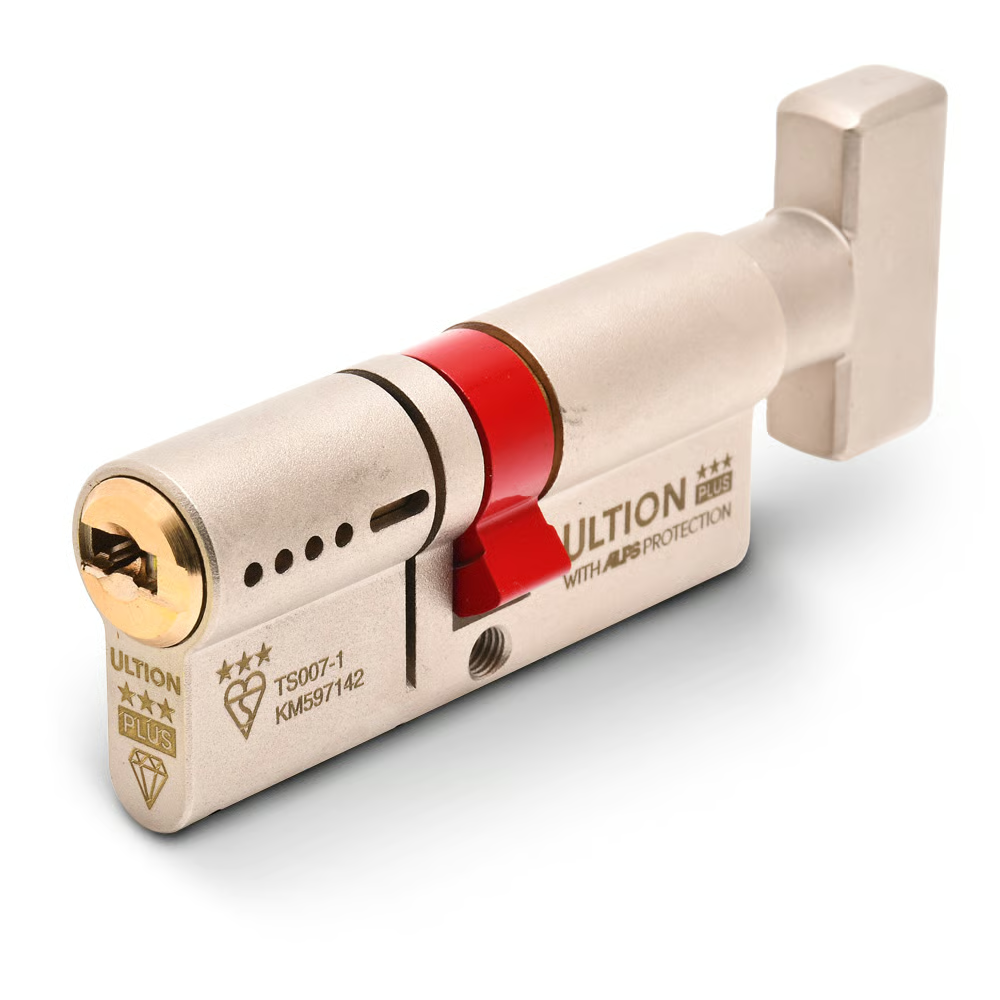
- Euro cylinders: common in uPVC and composite doors. Use TS007 3-star or Sold Secure rated anti-snap cylinders to protect against cylinder snap attacks; choose anti-drill and anti-pick features too.
- Deadlocking night latches: these add a deadlock function when the door is closed; they are safer than basic spring-latch night latches but still not as secure as a BS3621 deadlock.
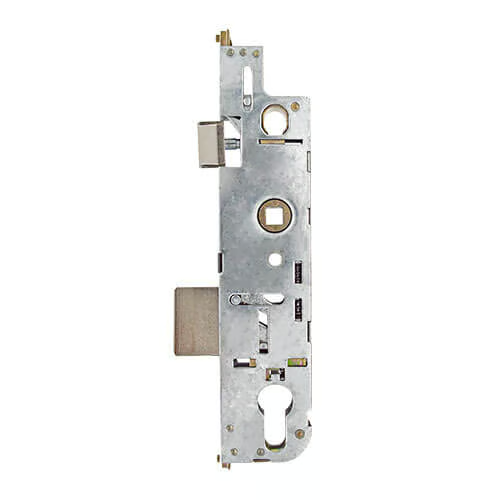
- Multipoint locks: for uPVC and composite doors a PAS24-compliant multipoint mechanism combined with a secure cylinder provides superior resistance compared with a single deadbolt or night latch.
Installation and trade advice
Security is only as good as the installation. Consider these practical points when fitting locks:
- Engage depth: ensure the bolt fully engages into a reinforced keep; position and chisel the keep so the bolt sits flush and square in the frame.
- Fixings: use long stainless or galvanised screws to fix faceplates and strike plates; 75mm to 100mm screws are commonly used to reach the structural timber behind the frame.
- Frame reinforcement: on timber frames consider a steel or reinforced strike plate and ensure the jamb has sufficient packing; on composite frames follow the manufacturer’s reinforcement guidance.
- Door thickness and backset: choose a deadbolt or cylinder length that matches door thickness; oversized or undersized cylinders create security and operational issues.
- Glazing and reach: if the locking mechanism is within reach of glazing, fit laminated glass or internal bars; alternatively fit anti-snap cylinders so access by breaking glazing does not give entry.
DIY guidance
Homeowners can fit or upgrade locks, but accuracy and the correct tools are essential:
- Measure carefully: for a euro cylinder measure overall length from the central fixing screw to each end. For deadlocks measure door thickness and backset before ordering.
- Follow templates: use manufacturer templates for mortice locks to avoid misalignment. Check operation before final screwing; a binding bolt indicates poor alignment.
- Use the right screws and fixings: short screws in the strike plate defeat the purpose of a strong lock; replace screws supplied with cheap locks with longer, structural screws where possible.
- Test after fitting: check the bolt engages cleanly, the key and thumbturn operate smoothly, and the cylinder is flush with minimal overhang to reduce snap risk.
- When in doubt, call a locksmith: an insurance-compliant upgrade or a complex multipoint installation is often best carried out by a qualified locksmith or door hardware installer.
Which should you choose?
For most UK front doors a mortice deadlock to BS3621 or a PAS24-rated multipoint mechanism with a TS007 3-star cylinder provides the best security. A night latch can be useful as a secondary convenience latch or for internal security at night; if used on an external door specify a deadlocking night latch and fit an anti-snap cylinder.
Practical scenarios
- Timber front door: specify a BS3621 mortice deadlock plus a separate night latch only if required for convenience; reinforce the frame and use 75mm+ screws for fixings.
- uPVC/composite door: fit a multipoint lock with a TS007 3-star euro cylinder; this combination manages the particular vulnerabilities of plastic frames.
- Doors with glazing: prioritise cylinder protection and laminated glass; consider placing the cylinder farther from the glazing edge where possible.
Recommended Products
Based on this article, you may find these products helpful:
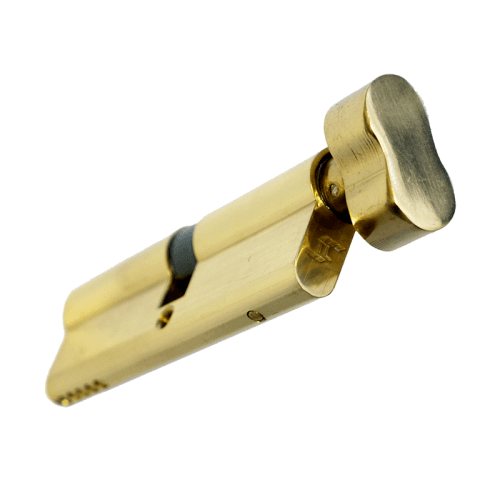
- TL Thumb Turn Euro Cylinder
- Ultion Plus TS007 3* Kitemarked Euro Key & Turn Cylinder
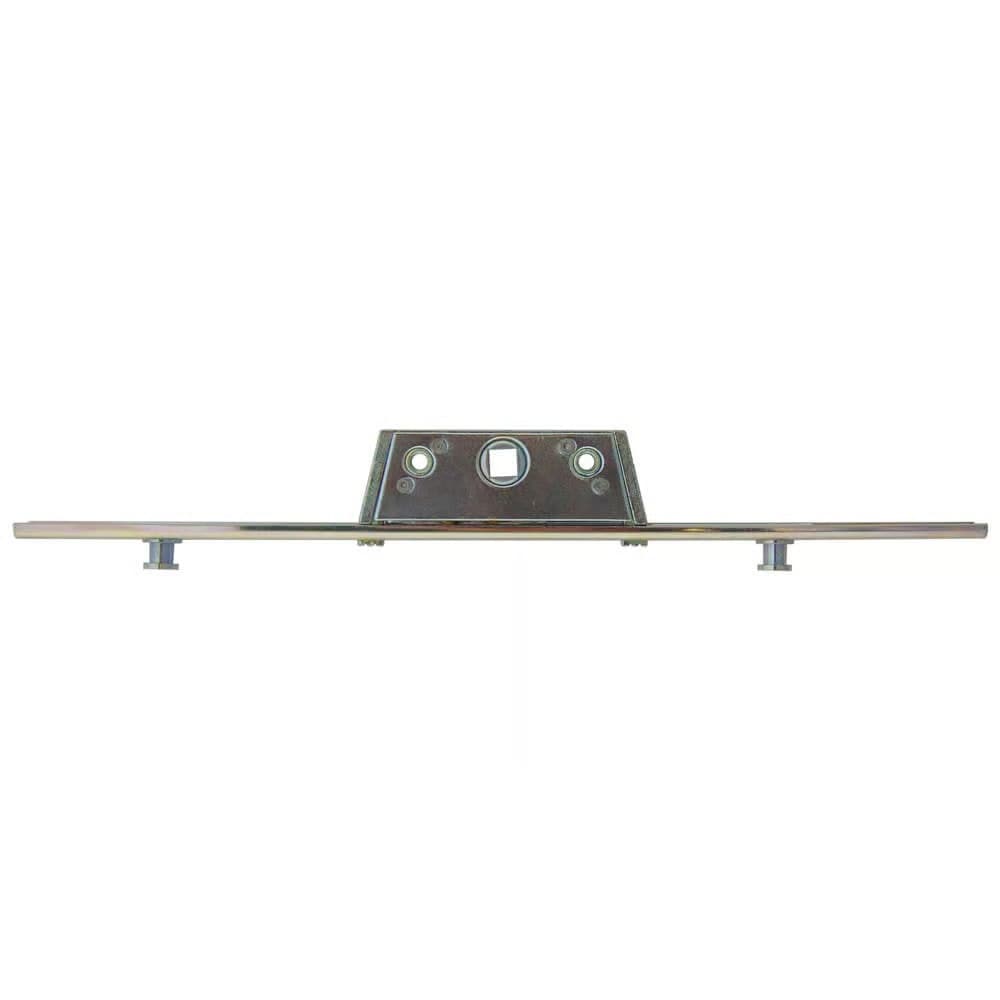
- Multipoint Gearbox GU Old Style
- In-Line Window Mechanism
- Offset Window Mechanism
Conclusion and next steps
For pure resistance to forced entry the deadbolt is the superior choice; however, the correct specification and installation matter as much as the lock type. Use BS3621 mortice deadlocks or PAS24-compliant multipoint systems with TS007 3-star cylinders for the best results. If you need further help choosing components for a specific door type or for project specification, consult a qualified locksmith or view our full range and technical guides at /guides/door-locks.

Related articles
uPVC Door Lock Maintenance: Keep Your Lock Working Smoothly
uPVC Door Lock Maintenance: Keep Your Lock Working Smoothly A well maintained upvc door lock reduces call-outs, keeps a property secure and extends the lif...
Hook Lock Sizes and Compatibility: Matching Your Existing Lock
Hook Lock Sizes and Compatibility: Matching Your Existing Lock Replacing a hook lock can be straightforward if you know what to measure and what to check f...
Replacing Individual Hook Locks vs Full Multipoint Mechanism
Replacing Individual Hook Locks vs Full Multipoint Mechanism Deciding whether to replace a single hook lock or the entire multipoint mechanism is a common ...