
Do Anti-Snap Cylinders Really Work? Evidence and Testing
Do Anti-Snap Cylinders Really Work? Evidence and Testing What is cylinder snapping and why anti snap cylinder matters Cylinder snapping is a forced-entry t...
Do Anti-Snap Cylinders Really Work? Evidence and Testing
What is cylinder snapping and why anti snap cylinder matters
Cylinder snapping is a forced-entry technique where an intruder breaks a Euro profile cylinder at its weakest point to gain access quickly. The attack is common on uPVC and composite doors because standard Euro cylinders can be levered or snapped from the outside, leaving the internal lock mechanism exposed. An anti snap cylinder is designed to resist that specific attack: it either prevents the cylinder from breaking in a way that allows entry, or it sacrifices an outer section while keeping the inner part intact so the door remains secure.
How anti snap cylinders are designed
Manufacturers use a combination of mechanical features to counter snapping, drilling, picking and bumping. Typical elements include:
- Controlled break or sacrificial section: a deliberate weakening in the outer zone that breaks away under attack while protecting the core and cam.
- Hardened pins and anti-drill plates: steel inserts and pin designs that resist drilling attempts.
- Reinforced cam and central core: stronger internal structures that prevent lever attacks from opening the lock after an outer section is broken.
- Anti-bump geometry: specialised pin configurations that reduce the effectiveness of bump keys.
The actual profile and cam geometry matter: a robust anti snap cylinder will still conform to the required cam position for the multipoint lock, but it will be built to fail safely under a snap attempt rather than leave the mechanism exposed.
Evidence from testing and recognised standards
Independent testing and accredited standards are the best indicators that a particular anti snap cylinder will perform as advertised. Look for the following:
- TS007 3-star accreditation: this standard, introduced in the UK, specifically evaluates cylinders for snapping resistance and other attack methods; a 3-star cylinder offers higher resistance to snapping than lower-rated products.
- Secured by Design (SBD) police approval: products on the SBD list have met police-endorsed testing and are recommended for crime reduction projects.
- BS EN 1303: this European standard addresses durability and resistance for cylinders; while it does not evaluate snapping alone, it complements anti-snap claims by confirming mechanical performance.
Laboratory tests show that a correctly specified 3-star TS007 cylinder can significantly reduce the likelihood of successful snapping attacks: in many test scenarios the sacrificial section breaks away but the remaining core stays secure, preventing the burglar from turning the lock. That is not the same as being invulnerable: a determined attacker may try other methods such as force on the door, removing security handles, or drilling if given time.
Practical trade advice: choosing the right anti snap cylinder
For installers and contractors specifying cylinders for customers, consider these practical points:
- Prioritise TS007 3-star cylinders where possible; they are the industry benchmark for anti-snap performance in the UK.
- Match the cylinder length to the door thickness precisely: measure from the centre of the fixings to each end and choose the nearest standard size. Common sizes include 35/35 and 40/45, but always measure first.
- Minimise cylinder projection beyond the escutcheon: the less the cylinder protrudes, the harder it is to attack. Aim for the cylinder to be flush or only a couple of millimetres proud of the hardware.
- Fit anti-snap cylinders with reinforced handles or stainless-steel anti-snap escutcheons for added protection; a high-quality handle set can resist lever and snap attempts.
- Check manufacturer test documentation and certificates before purchase; reputable suppliers will provide TS007 test evidence and instructions for correct installation.
DIY guidance: replacing a Euro cylinder
Homeowners can replace an old Euro cylinder with an anti snap cylinder in many cases. Basic steps:
- Measure the existing cylinder: measure from the centre fixing screw to each end to get the correct length; record the size.
- Buy a matching anti snap cylinder: select a TS007 3-star cylinder where possible and ensure the cam orientation suits your multipoint system.
- Remove the old cylinder: open the door, remove the central fixing screw on the stile, insert the key and turn slightly to align the cam; pull the cylinder out carefully.
- Install the new cylinder: slide it into position with the key turned to align the cam, replace the fixing screw and test the lock several times to ensure smooth operation.
- Check projection: fit the handle or escutcheon and ensure the cylinder does not protrude excessively; adjust if necessary.
Note: if the existing furniture is damaged or the door has a multipoint lock that binds, consult a qualified locksmith or door specialist. Improper installation can create new vulnerabilities or lock-out issues.
DIY testing and what to expect
Homeowners should not attempt to replicate forced-entry testing. Instead, validate performance in these safe ways:
- Check certificates and product data sheets from the manufacturer.
- Confirm the cylinder is a TS007 3-star or SBD-approved product.
- Perform operational tests: lock and unlock the door repeatedly to confirm smooth engagement of the multipoint lock; ensure handles do not bind.
- Visually inspect for any excess projection and correct alignment of escutcheons and handles.
If you need a simulated attack test for insurance or specification purposes, use an approved test house or accredited locksmith; they can provide controlled evidence without compromising safety.
Common misconceptions and limitations
An anti snap cylinder is a major improvement over a basic cylinder, but it is not a single-item solution that guarantees complete security. Limitations to be aware of:
- An anti snap cylinder protects against a common attack method, but criminals may target the door, hinges, glazing, or handle sets if those weak points are left unaddressed.
- Incorrect cylinder size or exposed projection significantly reduces effectiveness.
- Certifications matter: an unbranded cylinder labelled anti-snap without test evidence may not perform to expectations.
Recommended Products
Based on this article, you may find these products helpful:
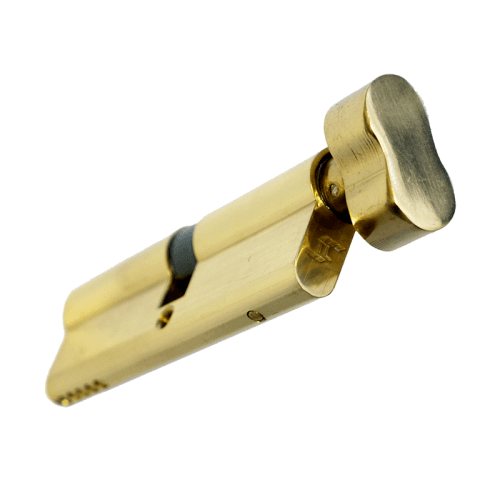
- TL Thumb Turn Euro Cylinder
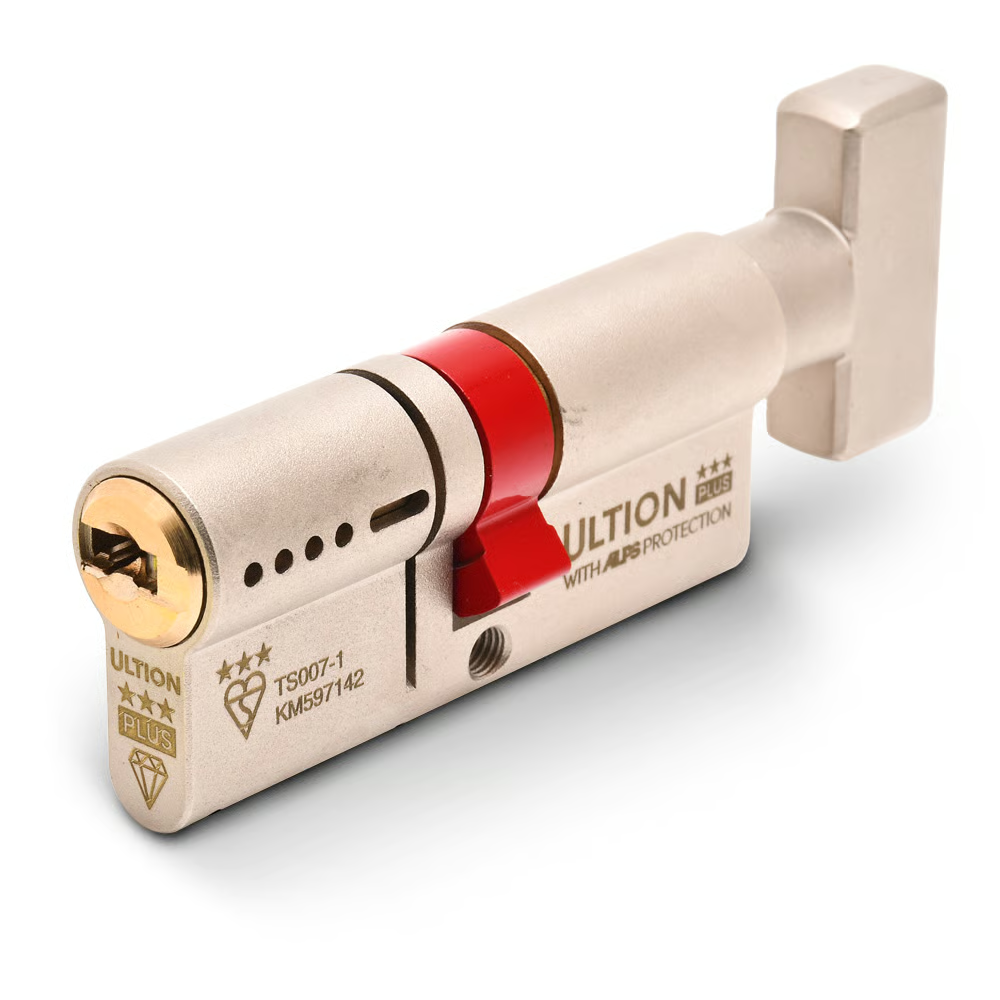
- Ultion Plus TS007 3* Kitemarked Euro Key & Turn Cylinder
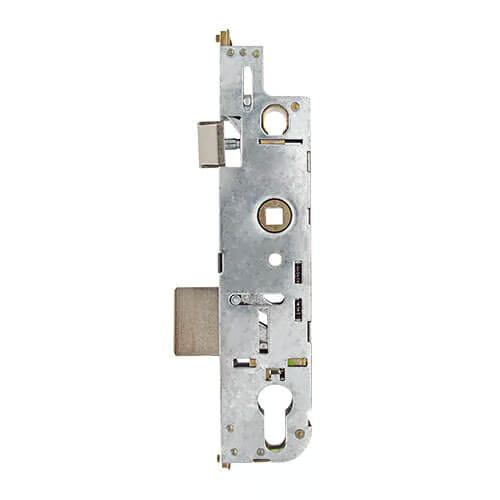
- Multipoint Gearbox GU Old Style
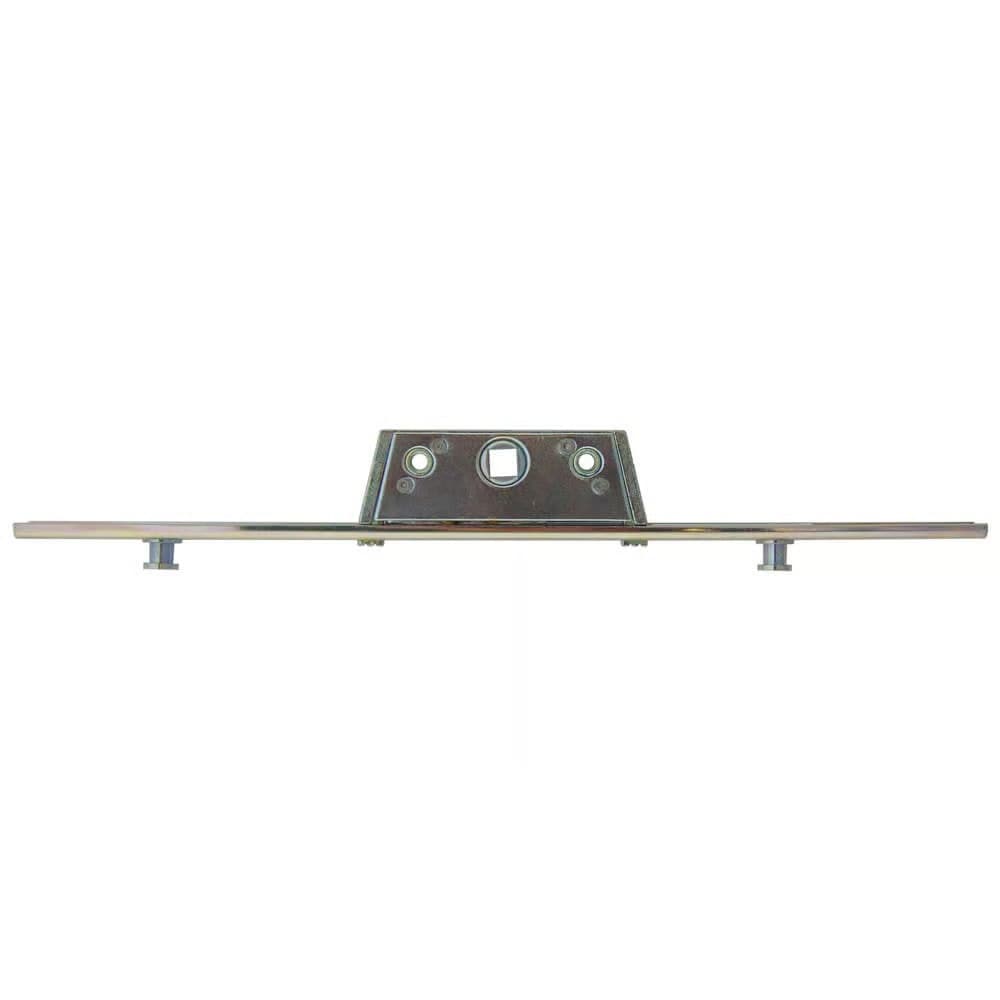
- In-Line Window Mechanism
- Offset Window Mechanism
Conclusion and next steps
Evidence and accredited testing indicate that a properly specified and installed anti snap cylinder will reduce the risk of successful cylinder snapping attacks. For best results: choose a TS007 3-star or Secured by Design approved cylinder; measure correctly and fit with suitable handles or escutcheons; and consider the door as a system, not just a single component.
Next steps: inspect your doors and note cylinder sizes and projection; review our pillar resource on Euro cylinders at /c/locks-security; contact Window Hardware Store for product recommendations and trade pricing, or book a qualified locksmith to assess and upgrade multi-point locks and cylinder protection.

Related articles
What Is a Thumb Turn Cylinder? Convenience vs Security
What Is a Thumb Turn Cylinder? Convenience vs Security What is a thumb turn cylinder? A thumb turn cylinder is a type of euro-profile lock cylinder that ha...
Thumb Turn Cylinder vs Panic Bar: Exit Options Compared
Thumb Turn Cylinder vs Panic Bar: Exit Options Compared examines two very different approaches to door egress and security. The thumb turn cylinder is a co...
Thumb Turn Cylinder Sizes: Finding the Right Length
Thumb Turn Cylinder Sizes: Finding the Right Length Choosing the correct thumb turn cylinder is vital for security, smooth operation and a neat finish on d...