
Dog Flap for Multi-Pet Households: Managing Access for Dogs and Cats
Dog Flap for Multi-Pet Households: Managing Access for Dogs and Cats requires a balance of animal welfare, security and building fabric performance. Whethe...
Dog Flap for Multi-Pet Households: Managing Access for Dogs and Cats requires a balance of animal welfare, security and building fabric performance. Whether you are specifying for a client or preparing to fit for your own home, choosing the right dog flap and configuring access for cats and dogs together involves product selection, correct installation and thoughtful placement.
Choosing the right dog flap and cat flap
Selecting a pet flap starts with matching the product to the pets and the door or window. Options vary by size, technology and security level:
- Size and opening type: small cat flaps are typically under 150mm wide; dog flaps are larger and come in sizes for small, medium and large breeds. Measure your pet across the shoulders and add a clearance of at least 25mm to determine flap width; height should allow comfortable passage without stooping.
- Operation: mechanical spring flaps are simple and cost-effective; magnetic or weighted flaps reduce draughts; microchip or RFID-operated flaps provide selective entry and are ideal for multi-pet households.
- Security features: lockable covers, four-way locks (in/out locked/unlocked) and one-way access modes; look for high-security models with reinforced frames or integrated deadlocks for doors leading to external areas.
- Thermal performance: double-skinned insulated flaps or flaps designed for double-glazed units help maintain U-value; draught seals and magnetic closures improve energy efficiency.
Security and thermal performance
A pet flap can be a weak point for security and thermal bridging if not specified and fitted correctly. Trade professionals should consider the following:
- Door types: uPVC, composite and aluminium doors behave differently when penetrated. Many uPVC doors use replaceable panels; cutting into a uPVC multi-point door sash can compromise locking and warranty. Where possible, replace a panel with a factory-cut unit or use a pet flap specifically approved for the door manufacturer.
- Glazing: never cut a sealed double-glazed unit on site. For glazed doors or panels, order a new sealed unit with a factory-fitted pet flap or replace the outer pane with a pre-fitted unit to retain thermal performance and warranty.
- Locks and reinforcement: fit pet flaps with tamper-resistant fixings and, if required, an internal deadbolt or multipoint locking bar for the door. Consider a pet flap with an internal lockable cover for when the property is empty overnight.
- Weatherproofing: use brush seals, foam gaskets and compatible silicone sealant to prevent draughts and water ingress. Ensure threshold details are correct to avoid trip hazards and water pooling.
Installation considerations by door and window type
Installation method depends on door or panel material; the following notes are practical for tradespeople and competent DIYers:
- uPVC doors and panels: where possible, replace the door leaf or external panel with a pre-cut panel supplied by the door manufacturer; this preserves multi-point locking and reduces the risk of warping. If a retrofit cut is unavoidable, check the door core type and consult the manufacturer.
- Composite doors: these have a reinforced core and are often best modified by an experienced installer. Cutting into composite doors can affect security and warranties; use manufacturer-approved flaps or factory-fitted panels.
- Solid timber doors: timber is straightforward to cut with a jigsaw and router. Use backing plates and stainless steel fixings; seal edges with appropriate paint or preservative to maintain durability.
- Aluminium doors: use suitable cutters and ensure frames are reinforced; aluminium can require specialist seals and fixings to maintain weather performance.
- Glazed panels and windows: install pet flaps into frames, order a glazed unit with a factory-fitted flap, or fit a wall tunnel for cats where appropriate. For window-frame-mounted flaps, choose a product compatible with the frame profile and glazing bead layout.
Managing access for multiple pets: technology and layout
Multi-pet households benefit from selective entry systems and considered layout. Key options and trade tips:
- Microchip or RFID access: these systems read each pet's implanted ISO microchip or a collar tag; program authorised IDs into the unit. For cats and dogs living together, register both species so the flap recognises each animal independently.
- Multiple flaps or separate routes: if cats are prone to letting themselves out at night or dogs need a different exit, consider fitting separate flaps: a dog flap at a stable door and a cat flap in a utility door or low window. This reduces conflict and improves traffic flow.
- One-way modes and scheduled locking: use one-way or timed lock modes where required; for instance, keep the flap one-way at night to prevent neighbourhood roaming, or lock the flap remotely if the product supports app control.
- Consider collars for dogs that may not be microchipped or for temporary permissions. Ensure collars are breakaway for cats; microchip readers avoid collar failure or entanglement risk for felines.
Practical trade and DIY tips
Follow these practical steps to ensure a tidy, secure and durable installation:
- Survey checklist: record door/panel material, frame thickness, locking type, glass specification, pet dimensions and expected traffic patterns. Photographs and measurements speed up quoting and ordering of factory units.
- Templates and dry-run: always use the manufacturer’s template. Test-fit the template and mark up heights using the pet’s shoulder measurement; double-check clearances for hinges and locks.
- Tools and fixings: have a jigsaw with a fine blade, router for tidy edges, hole saws for pilot holes, stainless steel screws and silicone-compatible sealant. Use sealants compatible with uPVC and aluminium finishes.
- Thermal sealing: fit foam gaskets between the flap frame and door or pane; consider a secondary brush seal for windy elevations. For external doors, specify an insulated flap with magnetic seals to reduce heat loss.
- Commissioning: program microchip IDs, test one-way modes and check lock functions. Advise the homeowner on training pets to use the new flap and on how to operate manual locks.
Recommended Products
Based on this article, you may find these products helpful:
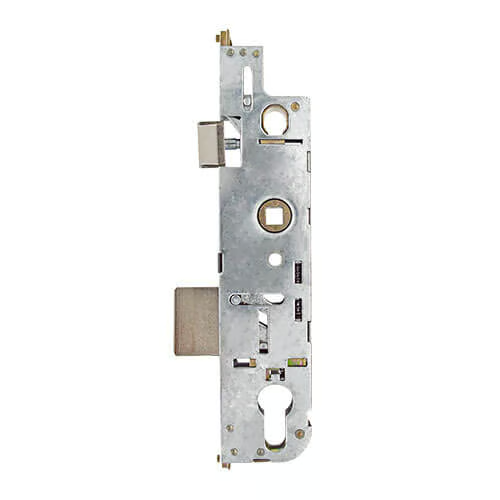
- Multipoint Gearbox GU Old Style
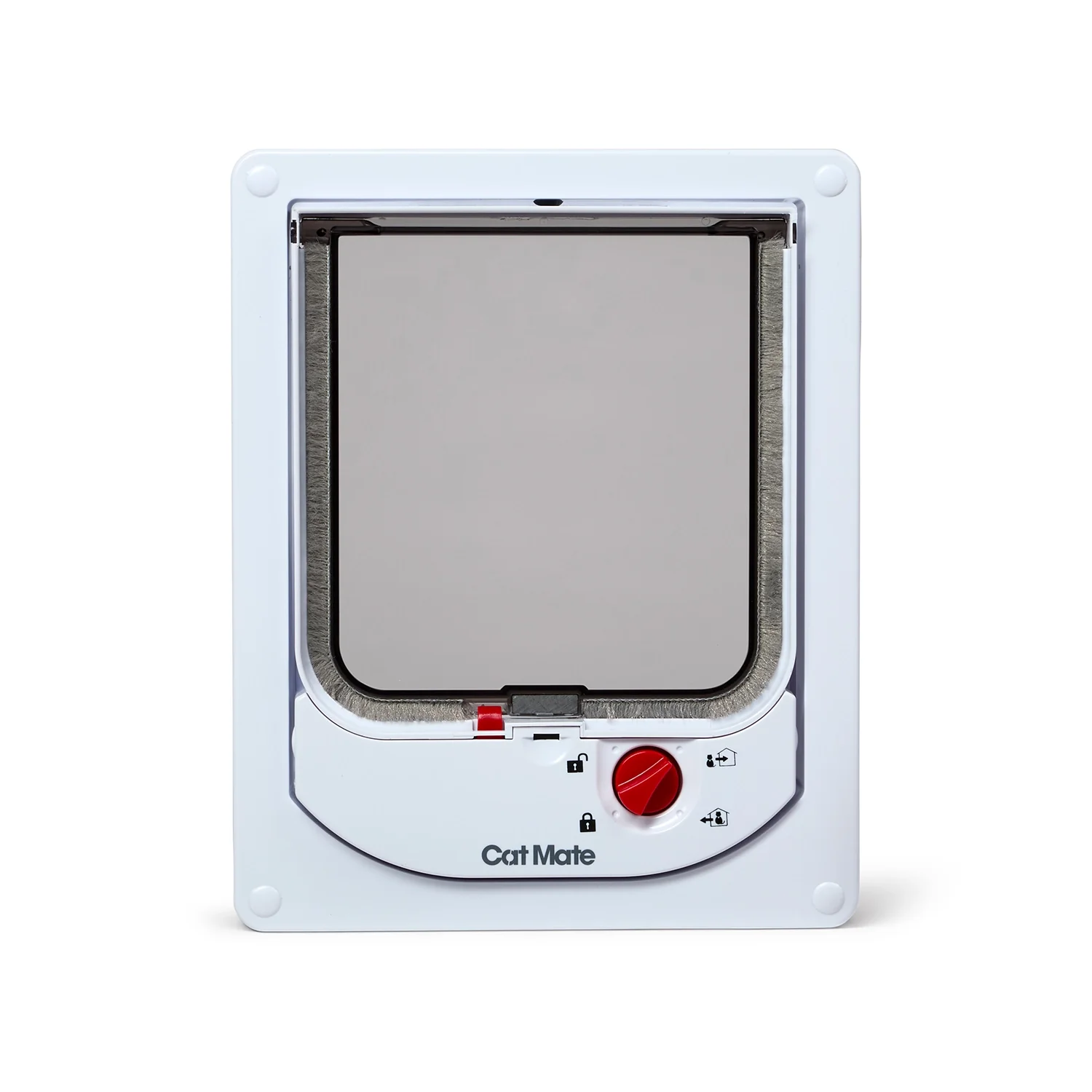
- Cat Mate Electromagnetic Cat Flap
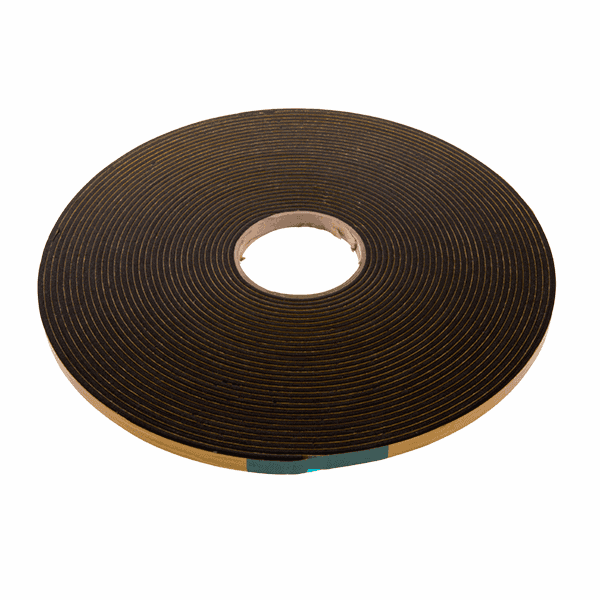
- E-Type Gasket - Black 5m Roll
- E-Type Gasket - Black (Per Metre)
- Structural Glazing Tape - 20mm
Conclusion and next steps
Choosing and fitting a dog flap in a multi-pet household needs careful product selection, correct installation and sensible security measures. For trade professionals, a thorough survey and using manufacturer-approved panels reduces risk; for homeowners, select microchip-enabled models for reliable selective access and consult installers for composite or glazed doors.
To explore product options and technical specifications, visit our pillar page at /guides/pet-flaps or contact our trade team for site surveys, panel replacements and fitting support. Book a survey to receive a detailed quote and installation plan tailored to the door or window type and the needs of your pets.
Products mentioned in this article
Related articles
Rented Property Cat Flap Options: What Landlords Need to Know
Rented Property Cat Flap Options: What Landlords Need to Know Installing a cat flap in a rented property can improve tenant satisfaction but it raises ques...
Replacing uPVC Door Panels with Cat Flap Panels: A Cleaner Solution
Replacing a uPVC door panel with a purpose-made cat flap panel is a practical way to give pets easier access while keeping the rest of the door intact. Whe...
Dog Flap Insulation: Preventing Heat Loss Through Larger Pet Doors
Dog Flap Insulation: Preventing Heat Loss Through Larger Pet Doors Large dog flaps are convenient for owners and pets, but they create a significant therma...