
Dog Flap vs Dog Door: Understanding the Options for Your Pet
When choosing between a dog flap and a dog door you are balancing pet access, security, thermal performance and the construction of the door or wall where ...
When choosing between a dog flap and a dog door you are balancing pet access, security, thermal performance and the construction of the door or wall where the opening will be fitted. This post explains the practical differences, describes the main types of pet flaps, and gives trade-focused and DIY installation guidance for UK homeowners and professionals.
Dog flap versus dog door: what is the difference?
Terminology varies. Many people use the terms interchangeably; however, for clarity here:
- Dog flap: a flap-style panel fitted into an existing door leaf, glazed unit or thin wall tunnel; typically used for small to medium dogs.
- Dog door: a larger, often framed opening that may replace a lower section of a door or be fitted into an external wall; suitable for larger dogs or for creating a wider, more robust access route.
The choice depends on animal size and behaviour, and on the type of construction you are working with: uPVC, composite, timber, glazed or brickwork.
Common types of dog flap
- Basic single-flap: simple swing flap, low cost and easy to fit; best for low-risk security situations.
- Double-flap (draft-proof): two flaps with an insulating chamber between them; improves thermal performance and reduces draughts.
- Microchip- or RFID-controlled flaps: permit entry to authorised animals only; reduces unwanted wildlife or intruder access.
- Magnetic or mechanical locking flaps: set to locked, in-only, out-only or both ways; useful for training or security.
- Insulated and heavy-duty flaps: thicker materials and brush seals for external doors in colder regions.
- Tunnel or wall-mounted dog doors: used where the flap sits in a wall cavity; requires different construction work and weatherproofing.
Choosing the right solution for door types
Each door material requires a tailored approach to maintain structural integrity and warranty:
- uPVC doors: use purpose-designed uPVC pet flaps. Manufacturers produce flaps that integrate with the door skin and are compatible with common multi-point locking systems. Cutting the door without a compatible unit can void the door warranty; confirm with the door manufacturer.
- Composite doors: these have a honeycomb or foam core with a decorative skin. Use flaps specified for composite doors and consider reinforcement plates; incorrect cutting can delaminate the skin or weaken the door.
- Timber doors: straightforward to modify, but must be sealed and treated to prevent moisture ingress. Use stainless steel screws and marine-grade sealants for longevity.
- Glazed doors and panels: do not cut safety glass. Replace the sealed unit with one factory-cut for a pet flap; this preserves thermal and safety performance of the glazing.
- Brick or block walls: installing a dog door through a wall is more complex; a tunnel section and both inner and outer frames are used. This often requires a builder and appropriate lintel or structural support depending on location.
Sizing your dog flap: practical measurements
Measure your dog before selecting a product: height alone is not enough. Use these rules of thumb:
- Height: measure to the top of the shoulder; add 10 to 20 per cent to allow comfortable clearance when passing through.
- Width: measure chest width at the widest point; add clearance so the dog can turn if required.
- If between sizes choose the larger; forced passage can cause refusal or injury.
As an example: a medium terrier with 380 mm shoulder height might use a flap with an opening height around 420–450 mm. Always check the manufacturer’s size chart and weight limits.
DIY installation: tools, steps and common pitfalls
Many homeowners can fit a dog flap into timber or a replaceable door panel; tradespeople will be needed for composite manufacturing or wall installations. Basic DIY tools and steps:
- Tools: drill and set of bits, jigsaw or router, spirit level, tape measure, pencil, silicone sealant, screwdriver, protective equipment.
- Preparation: study the manufacturer’s template; check for internal reinforcement, glazing or wiring inside the door leaf before cutting.
- Cutting: mark carefully and drill starter holes at internal corners; use a jigsaw or router to cut the aperture keeping the tool perpendicular for a neat finish.
- Sealing and fixing: use stainless fasteners supplied with the flap and seal with an external-grade silicone; ensure the flap sits flush to avoid rocking and reduce draughts.
- Test: fit the flap and test operation for ease of passage and for any chafing on the frame; adjust magnets or latches as required.
Common pitfalls: cutting composite or uPVC doors without compatible kits; failing to account for door thickness so the flap tunnel is too short; poor sealing leading to water ingress or draughts.
Security and thermal considerations
Pet access can compromise security and insulation if poorly specified. Consider these measures:
- Lockable panels and slides: many flaps offer secure locks to prevent unauthorised use overnight or when away.
- Microchip control: avoids unauthorised animals entering and minimises the risk of opportunistic human entry.
- Insulated double-flap or magnetic seals: reduce heat loss; double-flap systems are particularly useful in colder properties and for large external doors.
- Reinforcement: add metal plates or a connecting bar if the door’s lock area is compromised by cutting; check the lock’s multipoint function still operates correctly after fitting.
- Glazing integrity: only replace sealed units with a factory-cut unit; do not attempt to fit a flap into existing sealed glazed units.
Advice for tradespeople
For installers and door fitters the key priorities are warranty protection, structural integrity and compliance. Steps to follow:
- Confirm door manufacturer approvals before cutting; record approvals in job paperwork.
- Specify pet flaps matched to door thickness and construction; stock common sizes and electronic units for quick turnarounds.
- For wall installs assess cavity depth and confirm if lintel or structural modification is needed; provide a written scope for masonry work.
- Offer insulated and microchip options as upgrades; explain the energy performance benefits to homeowners.
Recommended Products
Based on this article, you may find these products helpful:
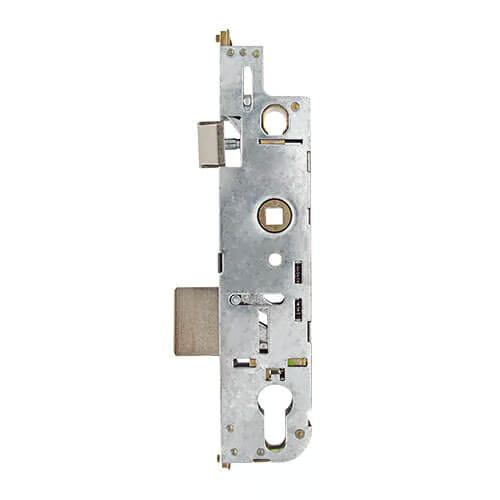
- Multipoint Gearbox GU Old Style
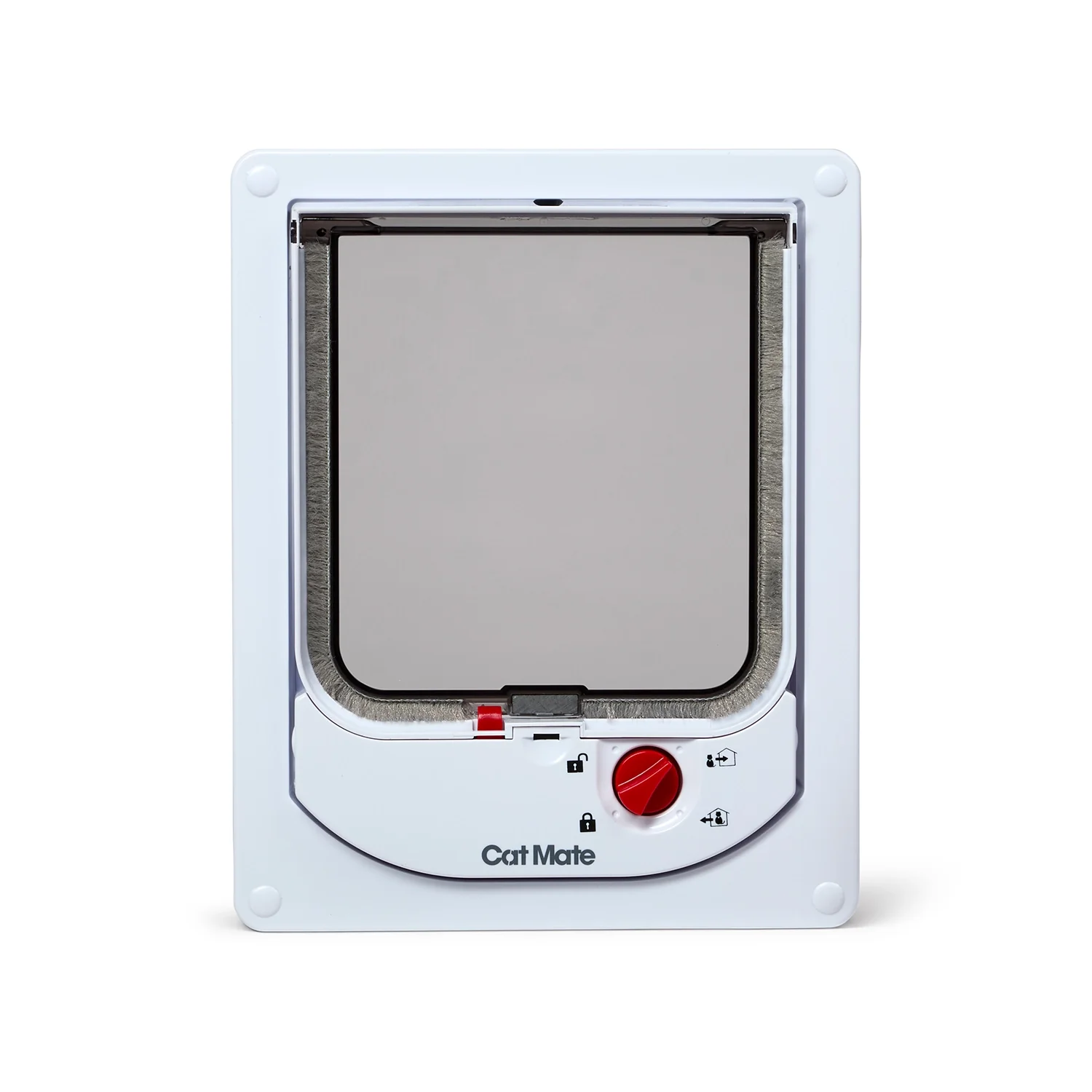
- Cat Mate Electromagnetic Cat Flap
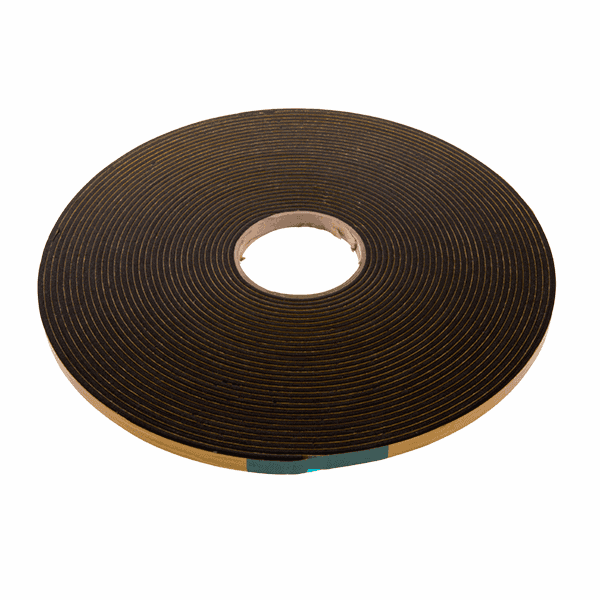
- E-Type Gasket - Black 5m Roll
- E-Type Gasket - Black (Per Metre)
- Structural Glazing Tape - 20mm
Conclusion and next steps
Choosing between a dog flap and a dog door depends on dog size, door construction and priorities for security and insulation. For uPVC and composite doors use manufacturer-approved flaps; for glazed doors replace sealed units to maintain thermal performance; for wall installations engage a builder. For more product options and fitting requirements see our pet flap resource page: /guides/pet-flaps.
Next steps: measure your pet, check door construction and consult the manufacturer’s template. If you are a tradesperson prepare customer quotes that include reinforcement and thermal upgrade options. If you need advice on specific products or fitting kits contact our technical team for tailored recommendations.
Products mentioned in this article
Related articles
Rented Property Cat Flap Options: What Landlords Need to Know
Rented Property Cat Flap Options: What Landlords Need to Know Installing a cat flap in a rented property can improve tenant satisfaction but it raises ques...
Replacing uPVC Door Panels with Cat Flap Panels: A Cleaner Solution
Replacing a uPVC door panel with a purpose-made cat flap panel is a practical way to give pets easier access while keeping the rest of the door intact. Whe...
Dog Flap Insulation: Preventing Heat Loss Through Larger Pet Doors
Dog Flap Insulation: Preventing Heat Loss Through Larger Pet Doors Large dog flaps are convenient for owners and pets, but they create a significant therma...