
Euro Cylinder Buying Guide: What to Look For
Euro Cylinder Buying Guide: What to Look For Choosing the right euro cylinder lock for a door or window affects security, ease of use and compliance with i...
Euro Cylinder Buying Guide: What to Look For
Choosing the right euro cylinder lock for a door or window affects security, ease of use and compliance with insurance requirements. This guide explains the key features, practical trade advice and DIY tips you need when specifying or replacing euro profile cylinders for uPVC, composite and aluminium doors, and for certain types of windows.
Why the right cylinder matters
A euro cylinder lock forms the heart of many multi-point and mortice locking systems. A poorly chosen or incorrectly sized cylinder can leave the lock vulnerable to snapping, bumping or unauthorised entry. For installers and tradespeople the correct cylinder specification also reduces call-backs and ensures work meets customer expectations and insurer standards.
Types of euro cylinder
- Double cylinder: keyed on both sides; common for external doors but beware limited escape options in emergencies.
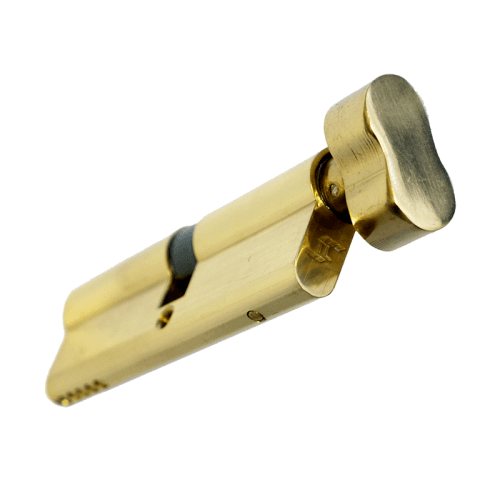
- Thumbturn cylinder: key on the outside with a thumbturn on the inside; preferred where quick internal escape is required, for example in family homes.
- Single-sided cylinder: key on one side only with the opposite side blank; used in some specialised applications such as sheds or garage doors.
- Keyed alike: multiple cylinders keyed to the same key for convenience across several external doors.
- Keyed to differ and master-key systems: suitable for landlords, management blocks or commercial properties where controlled access hierarchies are required.
Security standards and certifications
Look for cylinders with recognised security credentials. Important marks in the UK market include:
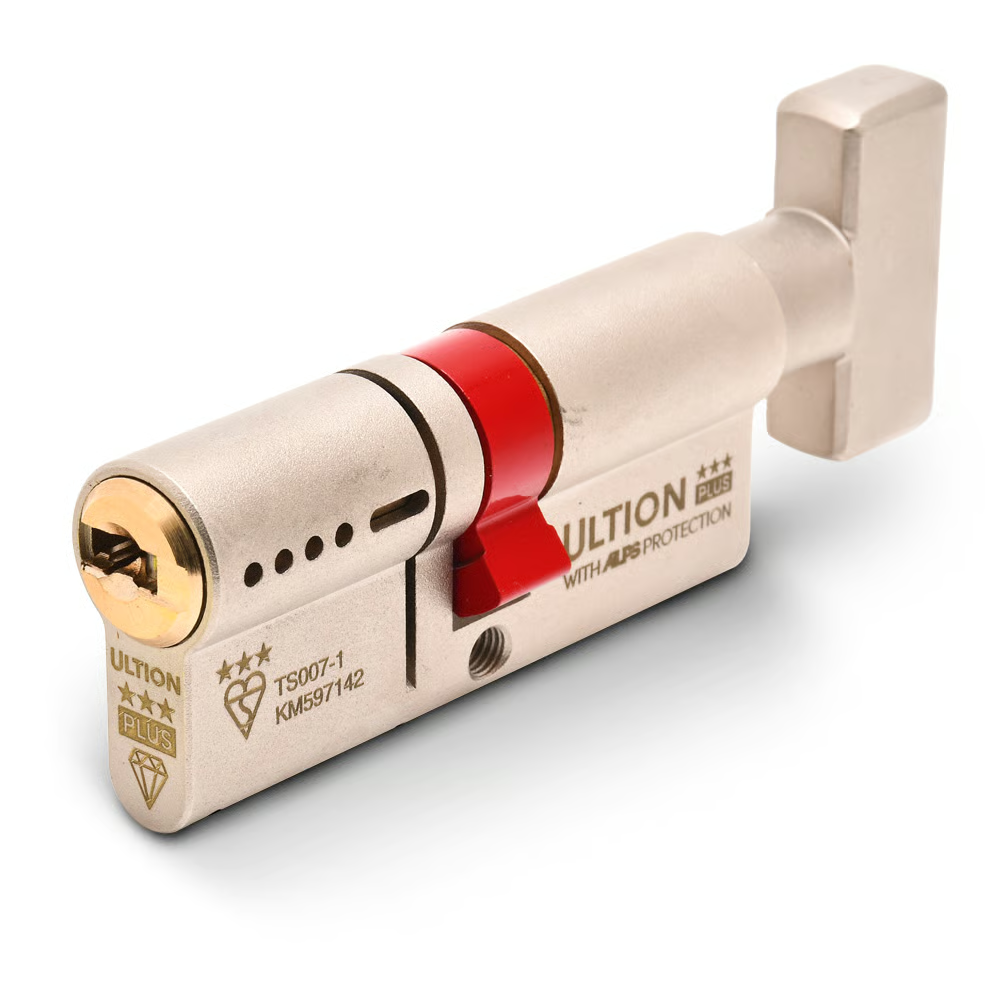
- TS007: a three-star rating provides the strongest recognised protection against cylinder snapping and is often required by insurers for uPVC doors.
- BS EN 1303: this standard covers mechanical functionality: durability, corrosion resistance and key-related security classes.
- Sold Secure and BSI Kitemark: additional endorsements that indicate independent testing against forced entry techniques.
For domestic external doors aim for TS007 three-star or equivalent; for internal doors a lower grade may be acceptable depending on risk.
Anti-snap, anti-bump and anti-pick features
Modern euro cylinders include several protective features. Anti-snap designs incorporate a sacrificial portion that breaks away if attacked so the locking mechanism remains secure. Anti-bump pins and profile protection reduce the risk of key bumping. Hardened steel pins and cam protection help resist drilling. When selecting a cylinder check that the manufacturer states specific anti-snap and anti-bump capabilities and look for third-party test evidence.
Sizes and how to measure correctly
Getting the correct length is crucial. Euro cylinders are specified by two measurements either side of the cam: for example 35/35, 45/35 or 30/30. Practical measuring method:
- Remove the handle and unscrew the lock case retaining screw at the edge of the door; turn the key slightly to align the cam and withdraw the cylinder carefully.
- Measure from the centre of the cam to each end of the cylinder body; these are the two figures you need (e.g. 30/30 means 30mm each side).
- When replacing, avoid cylinders that protrude beyond the faceplate by more than a couple of millimetres; excessive protrusion is vulnerable to snapping and may invalidate insurance conditions.
Common sizes include 30/30, 35/35, 35/45, 40/40 and 45/45 but always measure rather than guess; asymmetric door furniture or thicker door leaves often require offset cylinders.
Materials, finishes and durability
Most quality euro cylinders are brass with nickel or chrome plating for corrosion resistance. Avoid cheap zinc alloy bodies which may be brittle and easier to attack. Pay attention to:
- Corrosion ratings: coastal locations need higher resistance, indicated by BS EN 1303 corrosion class.
- Finish: polished chrome and satin nickel are common; match to handles and escutcheons for a professional finish.
- Durability class: EN 1303 grades give an indication of expected life and key cycle resilience.
Practical trade and DIY installation tips
For tradespeople and competent DIYers the installation steps are straightforward but must be done correctly:
- Always turn the key slightly to align the cam before withdrawing a cylinder; forcing it risks damaging the cam.
- Replace retaining screws with appropriate length, quality fixings; loose screws can allow movement and wear.
- Fit a matching cylinder protector or reinforced escutcheon if the door face is exposed to street level; this complements an anti-snap cylinder.
- When fitting keyed-alike cylinders, source all cylinders from the same batch or order a factory keyed package to ensure smooth key operation.
- Check the lock operates smoothly through the full bolt travel; if there is binding, investigate alignment, multipoint gearbox condition and striker positions before finalising.
Maintenance and troubleshooting
Keep cylinders operating reliably with simple maintenance: lubricate with a dry PTFE or graphite spray periodically; avoid oil-based lubricants that attract dust. If keys stick or do not turn smoothly, check for worn keys; a new cylinder may be required rather than force-fitting a worn key. If a cylinder protrudes or shows marks of attempt, replace it immediately with a TS007 rated product and review door furniture security.
Choosing a supplier and warranty
Buy from reputable trade suppliers who provide technical support and traceable part numbers. Warranties vary; look for products with clear guarantees and after-sales support. For trade accounts, insist on supplier documentation showing test certificates for advertised security claims.
Recommended Products
Based on this article, you may find these products helpful:
- TL Thumb Turn Euro Cylinder
- Ultion Plus TS007 3* Kitemarked Euro Key & Turn Cylinder
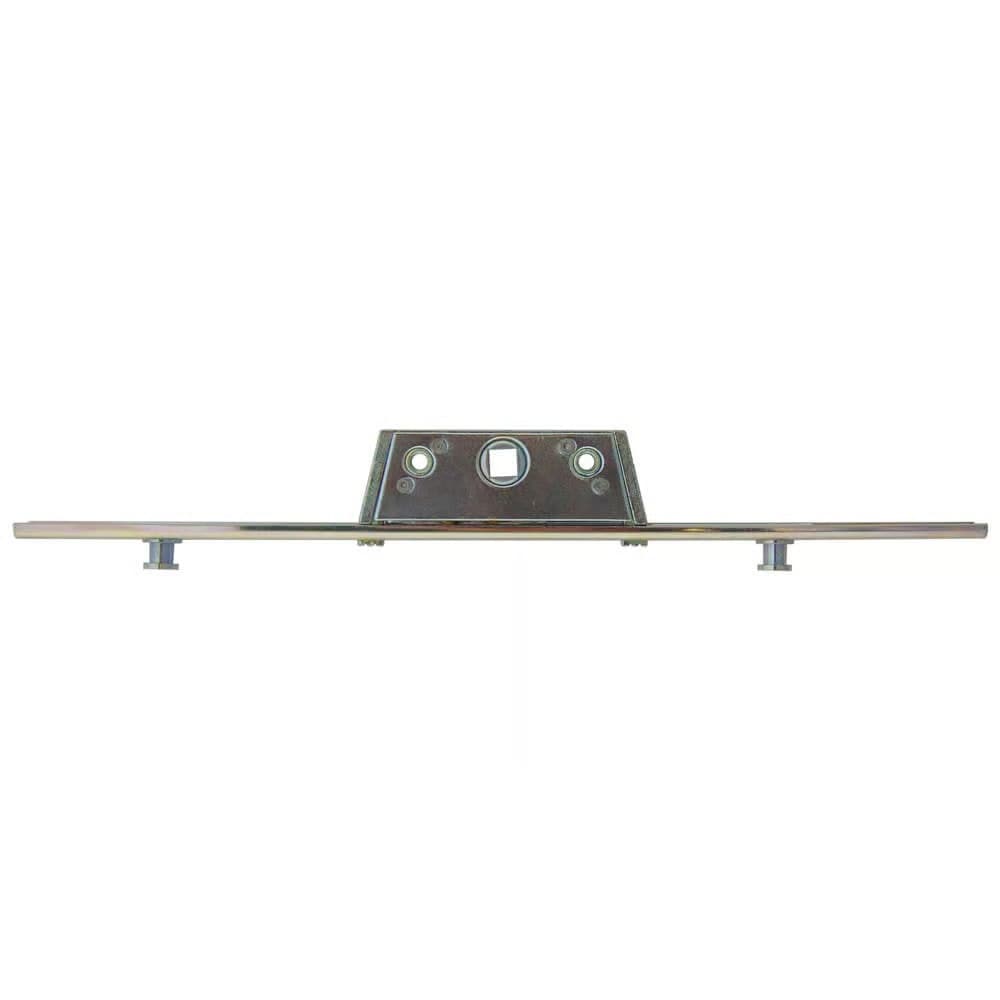
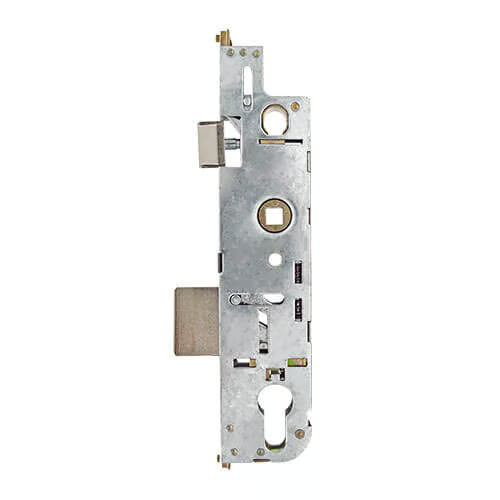
- Multipoint Gearbox GU Old Style
- In-Line Window Mechanism
- Offset Window Mechanism
Conclusion and next steps
Choosing the right euro cylinder lock means balancing correct size, security rating and quality of manufacture. For external doors specify a TS007 three-star or equivalent tested cylinder; for ease of exit prefer a thumbturn option where appropriate; for multi-door properties consider keyed-alike or master-key systems. Measure from the cam centre to both ends before ordering and fit with quality fixings and, where suitable, a reinforced escutcheon.
Next steps: measure your current cylinder, note the required type and security rating, then consult product ranges on our pillar page for detailed options and part numbers: /c/locks-security. If unsure, contact a qualified locksmith or our trade team for specification help and sample options.

Related articles
What Is a Thumb Turn Cylinder? Convenience vs Security
What Is a Thumb Turn Cylinder? Convenience vs Security What is a thumb turn cylinder? A thumb turn cylinder is a type of euro-profile lock cylinder that ha...
Thumb Turn Cylinder vs Panic Bar: Exit Options Compared
Thumb Turn Cylinder vs Panic Bar: Exit Options Compared examines two very different approaches to door egress and security. The thumb turn cylinder is a co...
Thumb Turn Cylinder Sizes: Finding the Right Length
Thumb Turn Cylinder Sizes: Finding the Right Length Choosing the correct thumb turn cylinder is vital for security, smooth operation and a neat finish on d...