
Fire-Resistant Letterbox Regulations: What Landlords Need to Know
Fire-Resistant Letterbox Regulations: What Landlords Need to Know Letterboxes are a small detail that can carry large consequences for fire safety, securit...
Fire-Resistant Letterbox Regulations: What Landlords Need to Know
Letterboxes are a small detail that can carry large consequences for fire safety, security and insurance. For landlords managing flats, HMOs or multiple tenancies, choosing the correct anti arson letterbox and installing it correctly can protect tenants, maintain a door's fire rating and avoid regulatory problems. This article explains the regulatory context, what standards to insist on, practical trade advice and DIY guidance for retrofits.
Why letterbox choice matters for landlords
Any penetration through a fire-resisting door weakens that door's ability to resist heat and flame. A conventional letterplate creates an aperture that can allow burning material or hot gases to enter a property; it can also permit arson attacks where flaming material is pushed through the slot. The Responsible Person under the Regulatory Reform (Fire Safety) Order 2005 must carry out a fire risk assessment and implement appropriate passive fire measures: that includes ensuring compartmentation and fire doors are maintained. Building Regulations Approved Document B sets expectations for fire-resisting doors in new and refurbished buildings. For flat entrance doors that open onto common corridors, many local fire authorities and landlords avoid cutting letterboxes into the door leaf and instead use external communal mailboxes.
Fitting an unauthorised letterplate into a certified FD30 or FD60 door can invalidate the door's fire certification. Landlords should therefore prioritise products that are either tested as part of a door assembly or are designed to maintain integrity when fitted to the relevant door type. The market term you will see is anti arson letterbox: a solution engineered to resist the introduction of flaming material and to preserve fire performance.
Standards and certification to insist on
- EN 1634-1 or BS 476 test evidence: these are the recognised tests for the fire resistance of door assemblies; letterplate assemblies should be supported by test reports showing the door and letterplate combination meets FD30 or FD60 as required.
- Intumescent seals: certified intumescent liners or strips that expand at high temperature to seal gaps around the plate; check manufacturer data for proven performance.
- Third-party certification: look for Certifire, BSI Kitemark or other independent schemes that cover the product and its installation method.
- Security standards: PAS 24 and LPS 1175 are relevant for attack resistance; an anti arson solution should not compromise security ratings.
- Manufacturer’s installation instructions: for fire doors, only components listed on the door manufacturer’s datasheet or on a fire door assessment should be used; if not listed, the assembly must be tested together.
Practical trade advice for specifying and fitting anti arson letterboxes
Specifying for a portfolio of properties demands a clear, defensible approach. For new installations or replacements use the following checklist:
- Specify fire rating requirements first: FD30 is common for flat entrance doors; FD60 may be needed in higher risk or protected routes. Confirm with the building’s fire strategy and local authority guidance.
- Choose a letterplate assembly with supporting test reports that demonstrate compliance with the required fire rating when fitted to the door type you have specified: timber, metal, composite or uPVC.
- Prefer external mailboxes or through-wall solutions where possible; these avoid cutting into the fire door and remove the arson vector entirely.
- When fitting to timber or composite doors, use the template and drill sizes supplied by the manufacturer; avoid enlarging apertures beyond the tested dimensions.
- Ensure fixings are corrosion-resistant and that the plate sits flush; gaps must be filled with the specified intumescent material.
- Record any modification to certified doors in your asset register and fire risk assessment; if a door’s certification is lost, replace the door leaf with a pre-certified assembly rather than improvising on-site.
DIY guidance: safe retrofits for landlords
Small landlords may want to undertake a retrofit, but caution is required. Follow these practical steps:
- Carry out a fire risk assessment and confirm whether the door is a fire door. Look for labels on the edge of the door or the manufacturer’s paperwork. If in doubt, treat it as a fire door and get a professional opinion.
- Select a purpose-made anti arson letterbox kit that includes test evidence and installation instructions for your door type. Do not simply cut a hole and fit a standard non-rated plate.
- Check door thickness and construction. Many composite doors are manufacturer certified for integrated letterplates only; aftermarket cutting can void warranties and ratings.
- Use the supplied template and install intumescent seals exactly as instructed. Ensure the internal mailbox or collection box creates no additional gap or pathway for smoke.
- Test the flap operation, replace any worn weather seals and ensure self-closing devices still work; a stuck door in smoke conditions can be lethal.
- After installation, update records and the fire risk assessment. Photograph the product label and store the installation manual with property files.
- If you are not confident or the door is certified, employ a competent fire door installer; incorrect work can lead to regulatory enforcement and insurance refusal.
Maintenance and inspection
Routine checks keep passive protection effective. Inspect letterplates and internal mailboxes every six months or alongside annual gas/electrical checks. Look for gaps, degraded intumescent material, warped flaps, corroded fixings and compromised seals. Check hinges, closers and smoke seals on the door itself. Replace any damaged components with manufacturer-approved parts and keep service logs. For multiple units, maintain a schedule and photographic records to demonstrate ongoing compliance.
Insurance and legal implications
Insurance policies often require landlords to maintain fire safety measures. Modifying a fire door without maintaining its rating may lead to claim refusal. The Fire Safety Order places duties on the Responsible Person; failure to manage risks from letterboxes could result in enforcement action. Using certified anti arson letterbox products, following installation instructions and keeping records helps to mitigate these risks.
Recommended Products
Based on this article, you may find these products helpful:
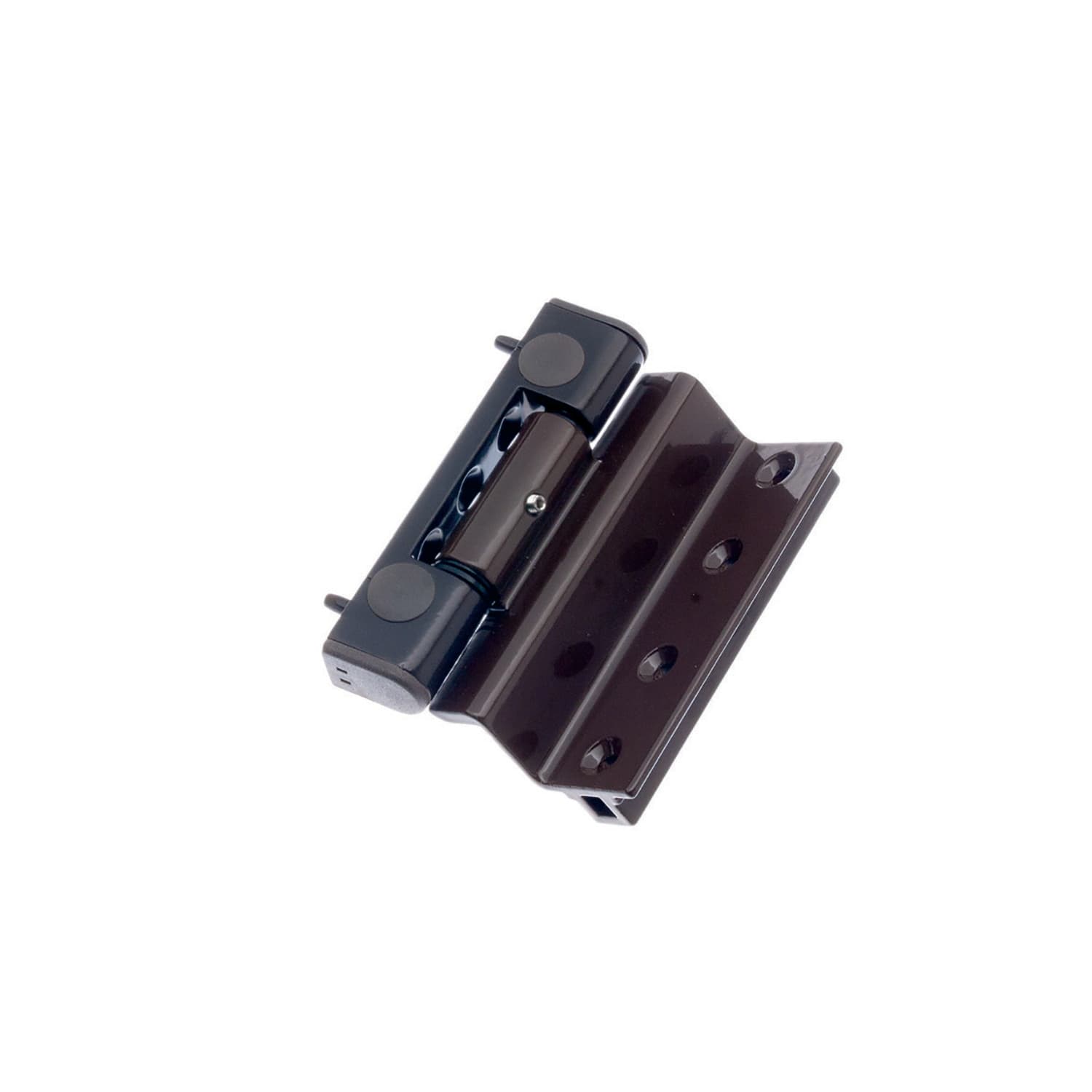
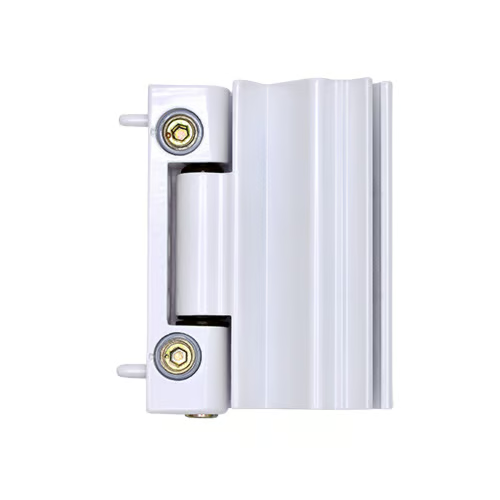
- Top-Hung Window Hinge - Standard
- Side-Hung Window Hinge - Standard
- Flag Door Hinge - Stainless Steel
- ERA Challenger 3D Rebated Hinge
- Challenger Door Hinge
Conclusion and next steps
Letterboxes are not a trivial detail for landlords; they affect fire performance, security and legal compliance. Prioritise certified anti arson letterbox solutions or, where feasible, move mail to external communal boxes to avoid cutting fire doors. For existing doors, use tested retrofit kits installed to manufacturer instructions and record changes in your fire risk assessment. If in any doubt, commission a qualified fire door specialist or locksmith.
To view product options and detailed technical guides, visit our pillar page: /c/letter-boxes. If you need assistance selecting a tested anti arson letterbox for a specific door type, contact a trade supplier or a certified door engineer for site-specific advice.
Products mentioned in this article
Related articles
Internal vs External Letterbox Draught Excluders: Which Works Better?
Internal vs External Letterbox Draught Excluders: Which Works Better? A letterbox is a small opening that can let in a disproportionate amount of cold air,...
How to Retrofit an Anti Arson Letterbox to an Existing Door
How to Retrofit an Anti Arson Letterbox to an Existing Door What is an anti arson letterbox and why retrofit one? An anti arson letterbox is a specialist l...
Letterbox Draught Excluder for Security: Added Protection
Letterbox Draught Excluder for Security: Added Protection A well-chosen letterbox draught excluder reduces heat loss and noise while contributing to a stro...