
Hook Lock Adjustment: Getting Your Door to Close Smoothly
Hook Lock Adjustment: Getting Your Door to Close Smoothly Hook locks are commonly fitted to uPVC, aluminium and composite doors because they offer strong s...
Hook Lock Adjustment: Getting Your Door to Close Smoothly
Hook locks are commonly fitted to uPVC, aluminium and composite doors because they offer strong security and good sealing. However, if the hooks do not engage cleanly with the keep, the door can drag, stick or fail to lock. This post covers practical trade advice and DIY steps to diagnose and adjust a hook lock so a door shuts smoothly and secures correctly.
Why a hook lock might not close smoothly
Several factors can prevent a hook lock from engaging properly. Typical causes include:
- Misaligned keep or striker plate due to settling, sagging hinges or poor installation.
- Worn or damaged keeps, resulting in poor location of the hook when closing.
- Swollen or distorted door edges from moisture or heat, especially with timber or composite doors.
- Dirty or corroded hooks and keeps; build-up can stop the hook from entering the keeper pocket.
- Incorrect handle-to-spindle alignment or excessive free play in the gearbox.
Tools and parts you will need
Before you start, gather the right tools. Tradespeople will already have most, but homeowners should prepare these items:
- Screwdrivers: cross-head and flat-head in assorted sizes
- Allen keys for set screws on handles and rollers
- Torx bits if the lock or keep uses them
- Thin feeler gauges or a small rule
- Wood or plastic packers/shims for temporary support
- Light cleaning brush, rag and isopropyl alcohol
- Silicone spray or graphite lubricant; avoid heavy oil on locks that attract dust
- Replacement keeps and longer screws; sometimes a deeper keeper is required
- Door wedge or panel lifter to support the door while adjusting
Step-by-step: Adjusting the hook lock
The following procedure works for most multipoint hook locks. Always support the door when loosening hinges or removing fasteners.
- Check the basics: Close the door slowly and watch how the hook meets the keep. Note whether the hook hits the face, rides up, or misses the entry completely. Try operating the handle slowly to feel where resistance occurs.
- Clean and lubricate: Open the door and clean the hook and keep pocket with a brush and alcohol. Apply a light coating of silicone spray or graphite to the hook face; avoid thick oils which attract grit.
- Tighten all fixings: Check hinge screws, handle grub screws and lockcase fixing screws. Loose fittings can allow the door to shift under load and change alignment.
- Adjust the keep: Most keeps are slotted to allow small lateral and vertical movement. Loosen the keep screws slightly, reposition the keep so the hook enters the pocket cleanly, then tighten the screws. Test the door after each small movement. Use packers behind the keep if needed to set the correct projection.
- Adjust hinge alignment: If the keep cannot be moved enough, adjust the hinges for vertical or lateral alignment. Many uPVC doors have adjustable hinges; use the appropriate screws or grub screws to raise, lower or move the door inwards or outwards. Make small adjustments and retest frequently.
- Check handle and spindle: If the handle does not return to neutral or the lock does not fully engage, remove handles and check the spindle and gearbox follower. Ensure the square spindle is not worn and that set screws are tight. Replace worn spindles to restore crisp engagement.
- Test lock operation: With the keep and hinges adjusted, close and lock the door several times. Ensure hooks enter smoothly and the final turn of the key does not require excessive force. If the hook rubs early in the closing sequence, further move the keep or adjust hinge compression where present.
- Replace if necessary: If the keep is badly worn or the hook tip is deformed, replace the component. Keeps are inexpensive and often solve persistent alignment problems quickly.
Common problems and targeted fixes
- Hook hits the face of the keeper: Move the keep slightly backwards or lower it; check for hinge sag.
- Hook rides up or scrapes on entry: Lower the keep or pack behind it to alter entry angle; check for door twist.
- Door locks only with excessive force: Clean and lubricate the mechanism; check and replace worn spindle or gearbox; ensure cylinder projection is correct and not stopping the handle movement.
- Hook does not retract fully when unlocked: Inspect the gearbox and cam mechanism; remove the faceplate if safe and check for seized linkages or foreign objects.
Trade tips and efficiency notes
- When fitting replacement keeps, always use the correct depth: a deeper keeper may be required for larger hook profiles. Keep a selection of adjustable keeps on the van.
- If a customer reports seasonal sticking, recommend breathable threshold mats and advise on ventilation; swelling can be reduced with maintenance and weatherstrip adjustments.
- Record hinge and keep positions for repeat visits. Small doors sometimes need progressive adjustments across multiple visits to achieve perfect alignment.
- Use stainless steel screws and corrosion-resistant keeps on exposed external doors to lengthen service life and reduce return visits.
When to call in a specialist or replace the lock
Some issues are straightforward; others require a locksmith or replacement. Consider a replacement or specialist if:
- The lock gearbox is severely worn or seized and parts are unavailable
- The door is significantly distorted and adjustments do not restore engagement
- Security has been compromised by a damaged cylinder, hooks or backset mismatch
- You are unsure about dismantling the door or adjusting hinges that could affect warranty or fire certification
Recommended Products
Based on this article, you may find these products helpful:
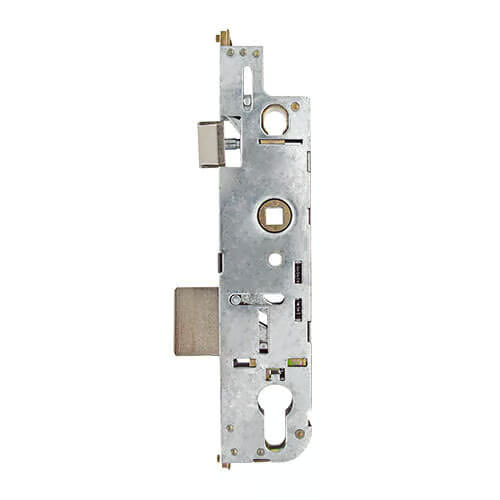
- Multipoint Gearbox GU Old Style
- In-Line Window Mechanism
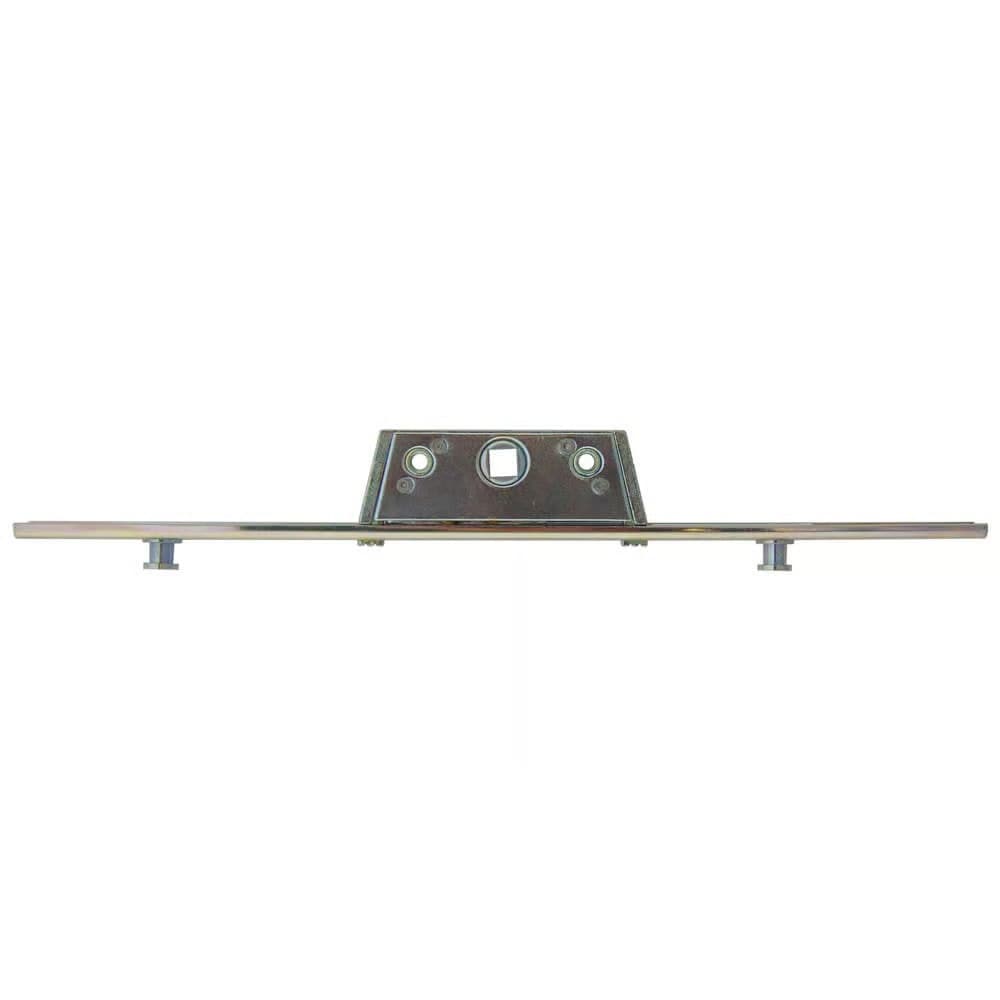
- Offset Window Mechanism
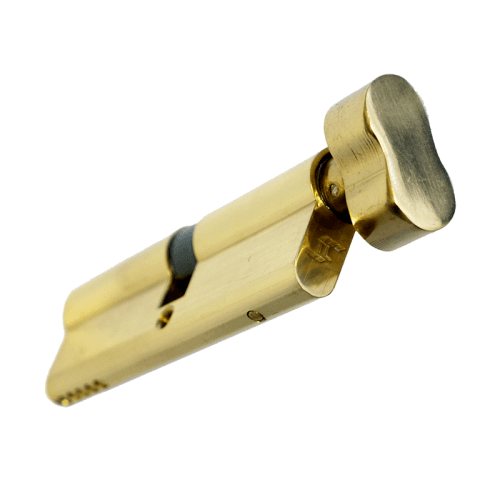
- TL Thumb Turn Euro Cylinder
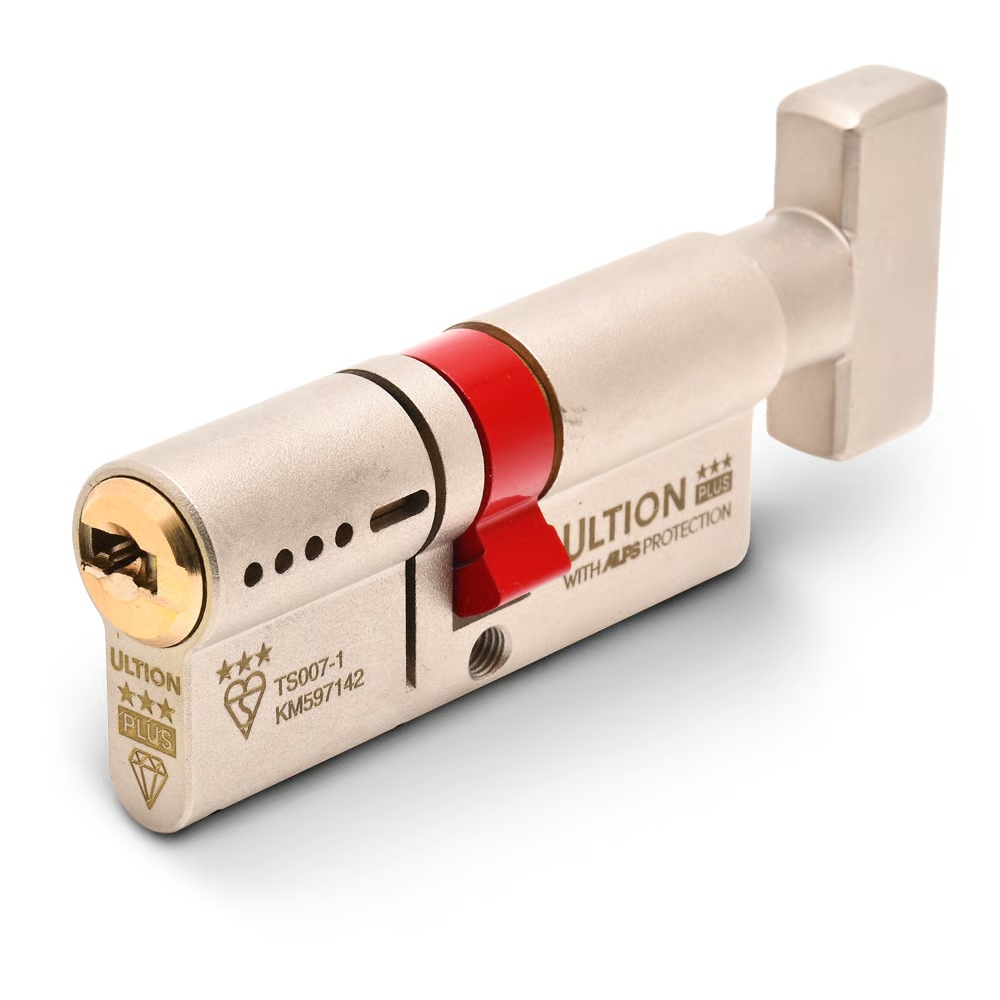
- Ultion Plus TS007 3* Kitemarked Euro Key & Turn Cylinder
Conclusion and next steps
A well-adjusted hook lock will allow the door to close and lock smoothly; most problems are alignment or cleanliness related and can be fixed with routine tools and a methodical approach. Start by cleaning and lubricating, then adjust keeps and hinges in small increments until the hook engages reliably. If you need detailed specifications for replacement keeps, or require professional support, see our related material on our door locks centre: /guides/door-locks, or contact a qualified locksmith.

Related articles
uPVC Door Lock Maintenance: Keep Your Lock Working Smoothly
uPVC Door Lock Maintenance: Keep Your Lock Working Smoothly A well maintained upvc door lock reduces call-outs, keeps a property secure and extends the lif...
Hook Lock Sizes and Compatibility: Matching Your Existing Lock
Hook Lock Sizes and Compatibility: Matching Your Existing Lock Replacing a hook lock can be straightforward if you know what to measure and what to check f...
Replacing Individual Hook Locks vs Full Multipoint Mechanism
Replacing Individual Hook Locks vs Full Multipoint Mechanism Deciding whether to replace a single hook lock or the entire multipoint mechanism is a common ...