
Hook Lock Problems: Why Your Door Won't Lock Properly
Hook Lock Problems: Why Your Door Won't Lock Properly. Hook locks are a common choice on uPVC, aluminium and composite doors because they pull the door tig...
Hook Lock Problems: Why Your Door Won't Lock Properly. Hook locks are a common choice on uPVC, aluminium and composite doors because they pull the door tightly into the frame while engaging a hooked bolt into a keep. When they fail to operate correctly the problem can be a minor adjustment or a symptom of worn or damaged components. This post explains typical causes, practical diagnostics and fixes suitable for both homeowners and trade professionals.
Common symptoms of a faulty hook lock
Recognising the symptom accurately will speed up diagnosis. Typical signs that a hook lock is not functioning correctly include:
- The handle lifts but the hook does not engage fully into the keep.
- The door locks only after excessive force or by hitting the frame.
- The key turns but the hooks do not move; the handle feels disconnected or free-spinning.
- The door locks intermittently; cold or damp weather makes the problem worse.
- Visible rubbing or scraping where the hook meets the keep; scuffed paint or metal.
Primary causes and how to diagnose them
Investigate in a logical order: check alignment and simple wear before removing heavy components. Reasonable tools include: a torx/Phillips screwdriver set, a feeler gauge or ruler, pencil, masking tape, a light, and lubrication.
- Misalignment: Most hook lock problems stem from the door being out of alignment with the strike plate or keep. Check the striker position relative to the hook; mark the contact point on the keep with pencil or tape and shut the door slowly to see where the hook meets the frame.
- Hinge wear or loose hinges: Worn hinge holes or loose screws let the door sag. Tighten screws; if holes are stripped, insert longer screws into the frame or use packers to realign.
- Worn keep or hook: Repeated engagement can round off the hook tip or the keep recess. If the hook rides over the keep rather than seating, replace the worn component.
- Broken or worn gearbox/follower: If the key turns but the internal mechanism does not move, the gearbox or follower may be broken. Remove the handle and inspect the spindle and the gearbox for damage or stripped splines.
- Obstruction or debris: Build-up of paint, sealant or grit in the keep can prevent full engagement; clear with a brush and solvent safe for the frame material.
- Weather-related swelling or shrinkage: Timber doors expand and contract with humidity; uPVC and composite can move too. Small packers and adjustable keeps usually solve this.
DIY steps to fix a hook lock
These steps are suitable for competent DIYers. If you are unsure at any stage, consult a qualified tradesperson.
- Check and adjust hinges: Tighten all hinge screws. If screws spin, replace them with longer frame-fix screws to pull the door back into alignment.
- Measure engagement: Close the door and mark where the hook hits. Adjust the keep position: many keeps are adjustable vertically and laterally via countersunk screws. Move the keep until the hook enters cleanly without scraping.
- Lubricate the mechanism: Use a dry PTFE spray or light machine oil on the gearbox and hook; avoid heavy grease in the keep as it attracts dirt. For euro cylinders, use graphite or a specifically recommended cylinder lubricant; avoid WD40 as a long-term solution.
- Inspect the spindle and handle: Remove the handles and test the gearbox operation by turning the spindle manually. If the spindle is worn or the spline is stripped, replace the handle or spindle to restore positive engagement.
- Replace worn keeps or hooks: If the hook tip or the keep recess is visibly damaged, replace the part. Keep a note of the backset and the profile so you order the correct replacement from a supplier.
Trade-level checks and solutions
For installers and locksmiths, a more thorough inspection is recommended:
- Check gearbox torque settings and handle follower condition: Replacing the gearbox may be quicker than attempting repairs if internal splines are damaged.
- Assess multipoint lock alignment: On multipoint systems the hooks, rollers and deadbolts must operate in sequence. Use packers to square the door, then re-tension the keeps to achieve uniform engagement.
- Confirm spindle dimensions: Many failures arise from non-standard spindles or worn 7mm/8mm spindles. Fit the correct size and ensure the grub screw or retaining clip is secure.
- Secure the cylinder: A loose euro cylinder can decouple; tighten the retaining screw and check for anti-snap protection compliance when replacing cylinders, especially on ground-floor doors.
- Consider thermal movement mitigation: For timber doors, plan for seasonal adjustments; install larger slot keeps or adjustable keeps to simplify repeat adjustments.
Maintenance: simple routines to prevent problems
Regular maintenance prolongs component life and reduces call-outs:
- Service the lock twice a year: clean the keeps, check screws, and lightly lubricate moving parts.
- Avoid paints and fillers around moving parts: paint build-up is a common cause of jamming; mask around locks when decorating.
- Record handset and cylinder types: For trade installers, include these details on a handover sheet for the homeowner to simplify future servicing.
When to repair versus replace
Choose repair when the issue is a simple alignment, loose screw or minor wear. Replace the lock or gearbox when:
- the hook or keep is heavily worn or broken;
- internal gearbox components are stripped or cracked;
- the euro cylinder has been compromised or fails security standards.
For older multipoint systems with multiple failing elements it is often more cost effective to replace the complete lock case and keeps to restore full operation and compliance with current security expectations such as PAS 24.
Recommended Products
Based on this article, you may find these products helpful:
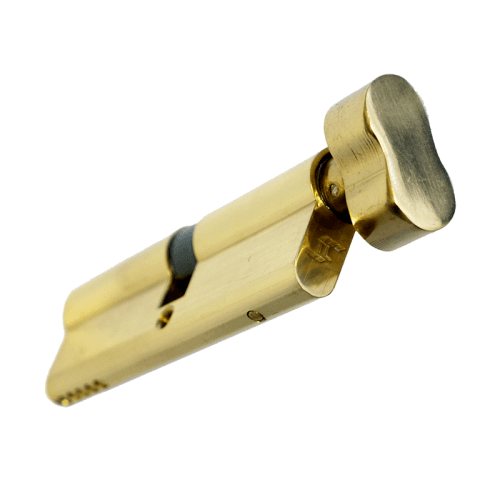
- TL Thumb Turn Euro Cylinder
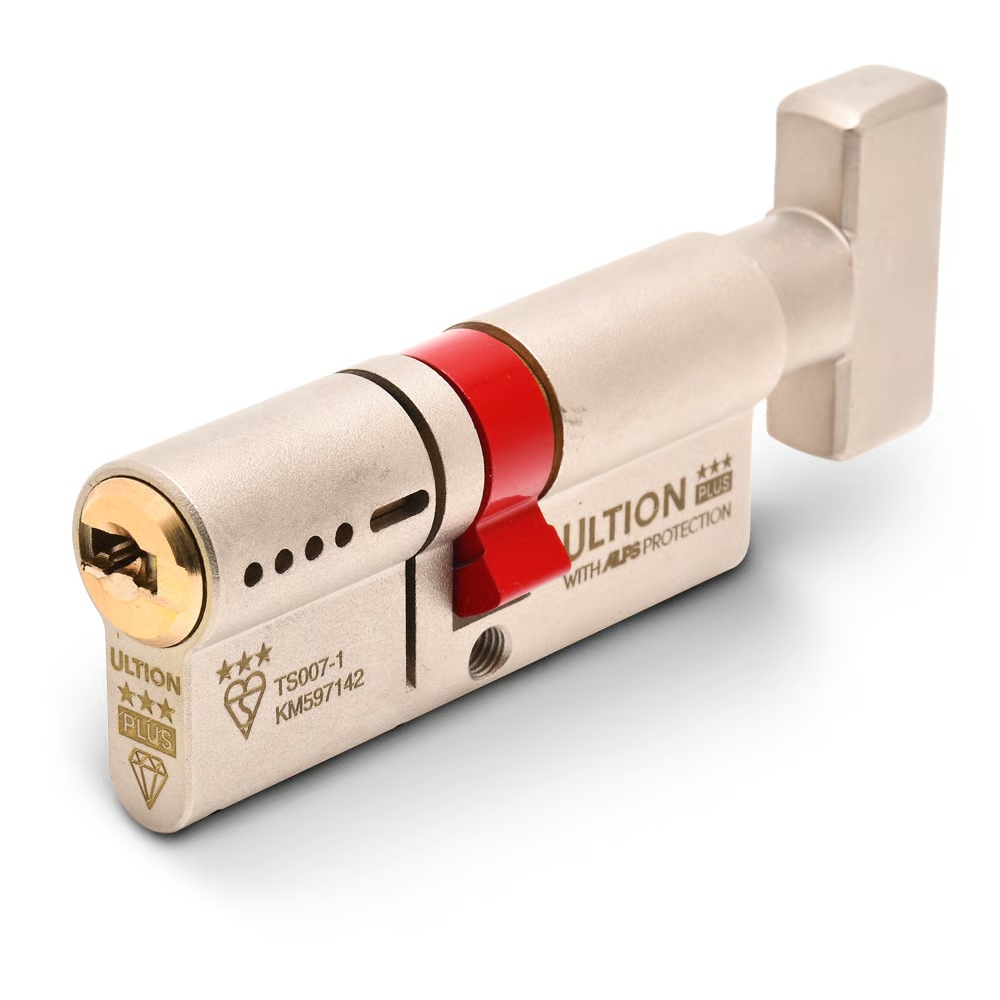
- Ultion Plus TS007 3* Kitemarked Euro Key & Turn Cylinder
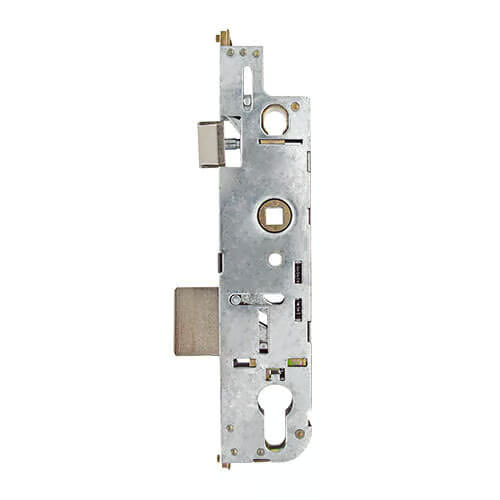
- Multipoint Gearbox GU Old Style
- In-Line Window Mechanism
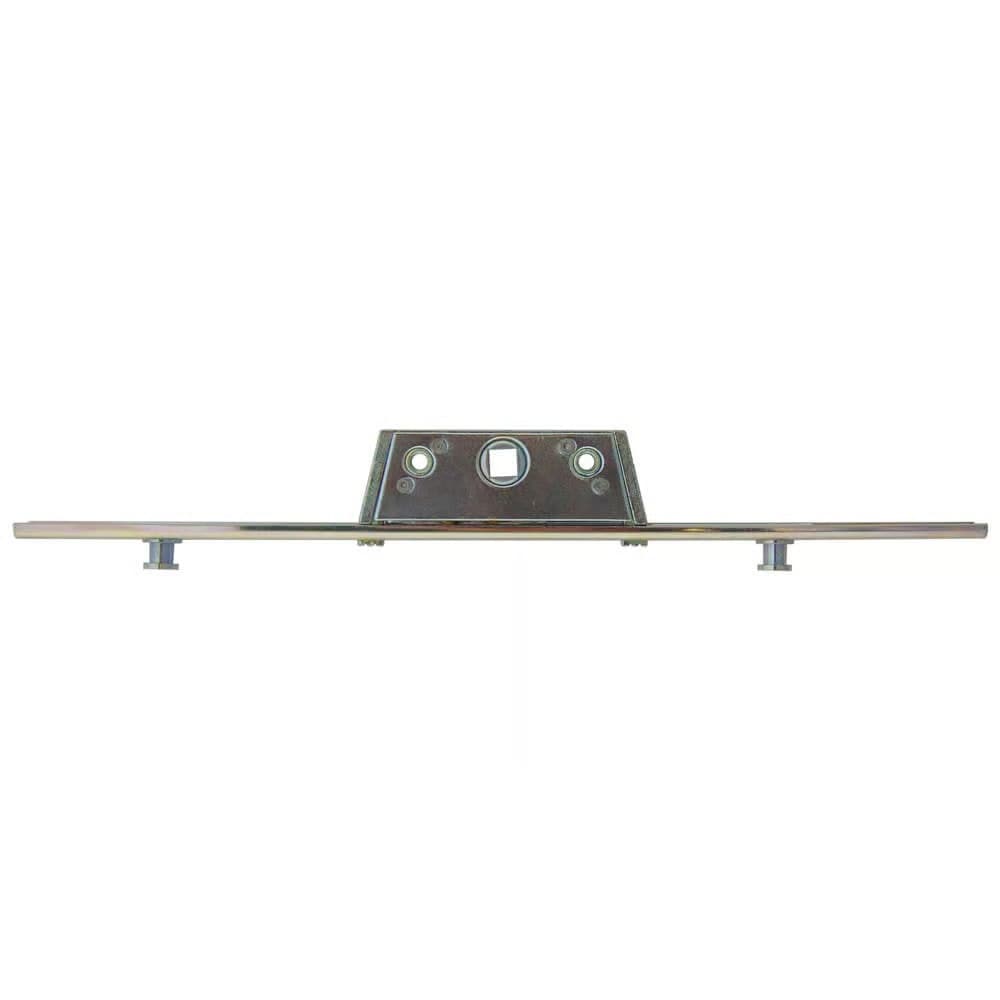
- Offset Window Mechanism
Conclusion and next steps
Hook lock problems usually boil down to alignment, wear or internal gearbox failure. Carry out simple checks first: mark contact points, tighten hinges, adjust keeps and lubricate correctly. If the issue persists or the gearbox, spindle or cylinder are damaged, replace the faulty parts or call a qualified locksmith or installer. For detailed technical references and compatible replacement parts consult our pillar page at /guides/door-locks or contact Window Hardware Store for trade support and parts sourcing.

Related articles
uPVC Door Lock Maintenance: Keep Your Lock Working Smoothly
uPVC Door Lock Maintenance: Keep Your Lock Working Smoothly A well maintained upvc door lock reduces call-outs, keeps a property secure and extends the lif...
Hook Lock Sizes and Compatibility: Matching Your Existing Lock
Hook Lock Sizes and Compatibility: Matching Your Existing Lock Replacing a hook lock can be straightforward if you know what to measure and what to check f...
Replacing Individual Hook Locks vs Full Multipoint Mechanism
Replacing Individual Hook Locks vs Full Multipoint Mechanism Deciding whether to replace a single hook lock or the entire multipoint mechanism is a common ...