
Hook Lock Security Ratings: Are Hooks More Secure Than Rollers?
Hook Lock Security Ratings: Are Hooks More Secure Than Rollers? Choosing the right multipoint hardware for doors and windows is one of the most cost-effect...
Hook Lock Security Ratings: Are Hooks More Secure Than Rollers?
Choosing the right multipoint hardware for doors and windows is one of the most cost-effective ways to improve security. The debate between hook lock mechanisms and roller cams is common among homeowners and trade professionals: which gives better protection, and when is each most appropriate? This post compares performance, security ratings and practical fitting considerations so you can pick the right option for your project.
How hook locks and roller cams work
Both hook locks and rollers are applied as part of a multipoint locking system: a central gearbox operates several locking elements along the door edge. Key differences are mechanical and functional:
- Hook lock: a curved or hooked bolt engages a keeper on the frame; the geometry bites into the keep when pulled, resisting lateral movement and preventing the sash from being levered away.
- Roller cam: a cylindrical or wheel-shaped cam rolls into a strike plate and provides compression and smooth engagement; rollers help draw the door tightly to the frame and are often used for ease of operation and weathersealing.
Both can be used in the same locking system alongside deadbolts, mushroom cams and shootbolts; design and quality make the real difference for security.
Security ratings and standards to consider
Rather than judging hardware solely by whether it is a hook or a roller, check for independent certification and the whole-system performance. Important UK standards include:
- PAS 24: assesses resistance to manual attack for doors and windows; locks and doors tested to PAS 24 give a recognised baseline.
- Secured by Design (SBD): police-backed approval for products and designs that meet higher security criteria.
- TS007 (cylinder standard): for euro cylinders; a 3-star TS007 cylinder greatly reduces the risk of snapping or drilling, which is a common attack method regardless of hook or roller choice.
When comparing products, look for the multipoint lock tested as part of a door set to PAS 24 or with SBD endorsement, not simply whether the mechanism uses hooks or rollers.
Practical trade advice: when to specify hooks or rollers
For trade professionals specifying hardware, consider the application and threat profile:
- External timber or uPVC French doors that face risk of lateral levering: specify hook locks; they resist racking and unauthorised forcing more effectively.
- Patio or balcony doors requiring high compression for weather performance: rollers can be useful combined with hooks or bolts; they help give smooth operation and better sealing.
- High-risk properties: use a combination of hooks, mushroom cams and deadbolts within a certified multipoint system to cover both compression and resistance to levering.
- Retrofit projects: if the frame is weak or the keep fixings are poor, even a hook lock will be ineffective; upgrade keeps and use long steel screws to anchor hardware into the frame, not just the face of the frame.
DIY guidance: inspection, maintenance and upgrades
Homeowners can perform basic checks and simple upgrades safely:
- Inspect operation: close and lock the door; check for play between sash and frame when pulling at the door corners. Excessive movement indicates worn keeps, misalignment or inadequate locking points.
- Check cylinder security: confirm the euro cylinder has at least a TS007 3-star rating; replacing the cylinder is often a straightforward DIY job and dramatically improves resistance to snapping.
- Lubrication and adjustment: use graphite or specialist lock lubricant on the gearbox and moving cams rather than oil; adjust keep plates so hooks and rollers meet their strikes squarely.
- Screw upgrades: replace short fixing screws in keeps and hinges with 60–70 mm stainless or galvanised screws to penetrate the frame sub-structure; this is critical and a high-return DIY upgrade.
- When to call a professional: if you need to replace the entire multipoint lock case or modify the door edge, employ a competent installer; incorrect fitting can make a good lock ineffective.
Technical points: compatibility and retrofit limits
You cannot always swap rollers for hooks without replacing the multipoint gearbox and, often, the faceplate. Hooks require hook-specific gearboxes and keeps. Key measurements to check before ordering parts include backset, case height, centre distance to handle spindle and faceplate length. For trade installers: verify packers, keep spacing and screw centres to ensure new hardware aligns without excessive morticing.
Other technical considerations include metallurgy: hardened steel hooks and reinforced keeps are preferable for external doors; ensure strike plates are robust and fitted to solid frame material. For outward-opening doors, anti-lift devices and shootbolts add protection which is independent from the cam profile.
Common misconceptions
Some assume rollers are inherently weak: quality rollers and mushroom cams can still provide good security, especially when used alongside deadbolts and hooks. Conversely, a hook lock fitted into a poor-quality frame or with short screws will perform worse than a well-installed roller system. Assess the whole door assembly rather than a single component.
Recommended Products
Based on this article, you may find these products helpful:
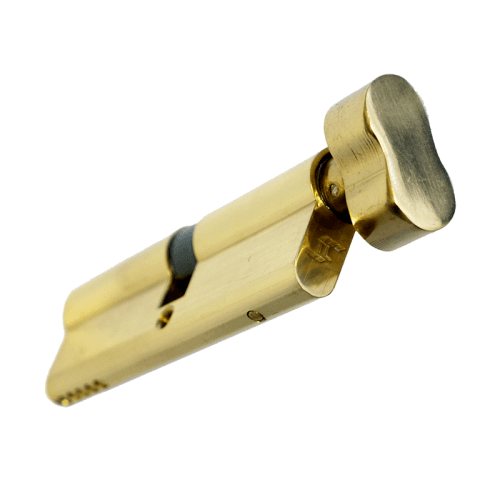
- TL Thumb Turn Euro Cylinder
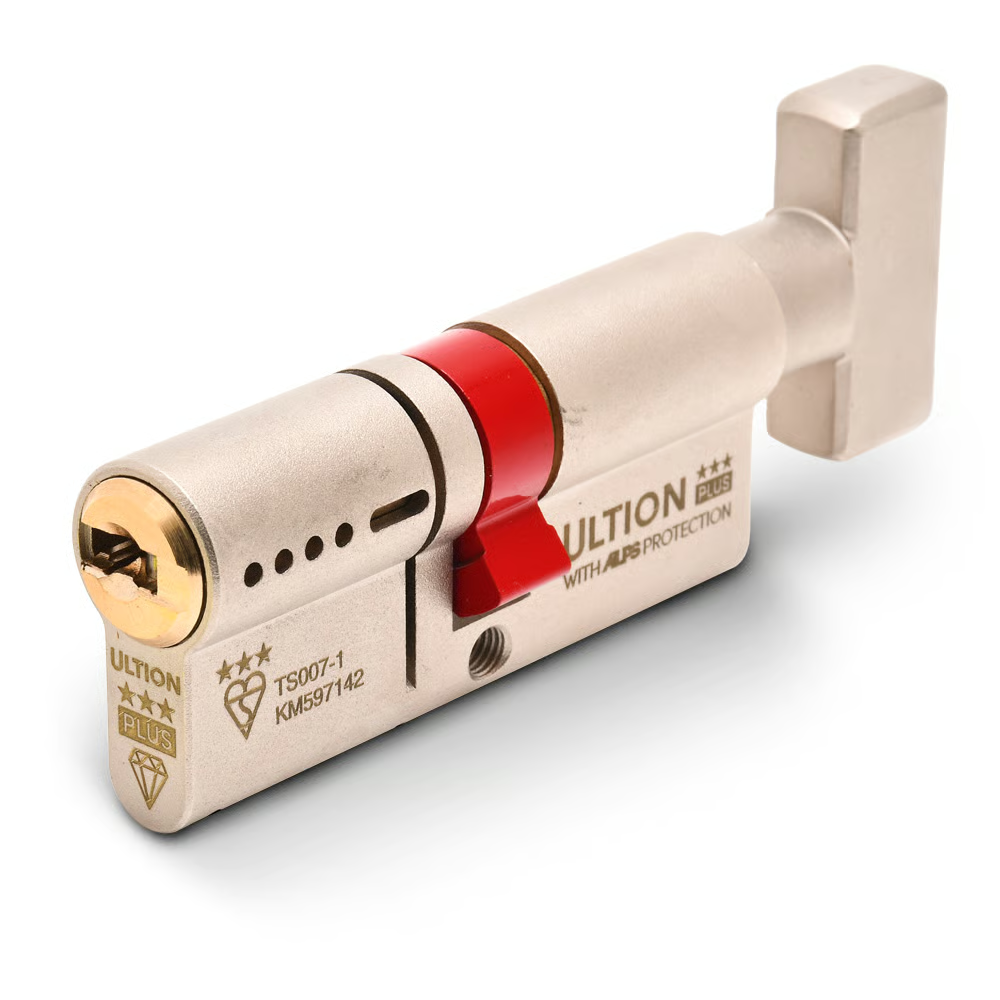
- Ultion Plus TS007 3* Kitemarked Euro Key & Turn Cylinder
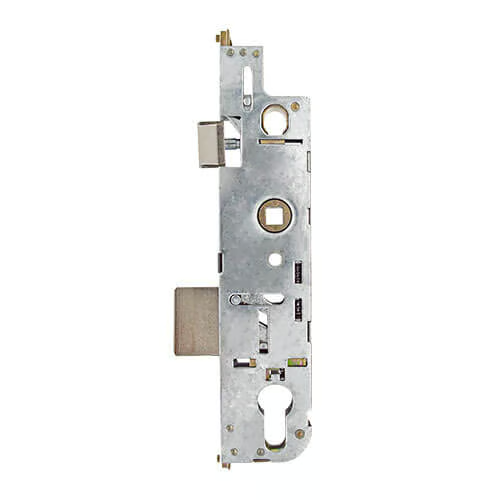
- Multipoint Gearbox GU Old Style
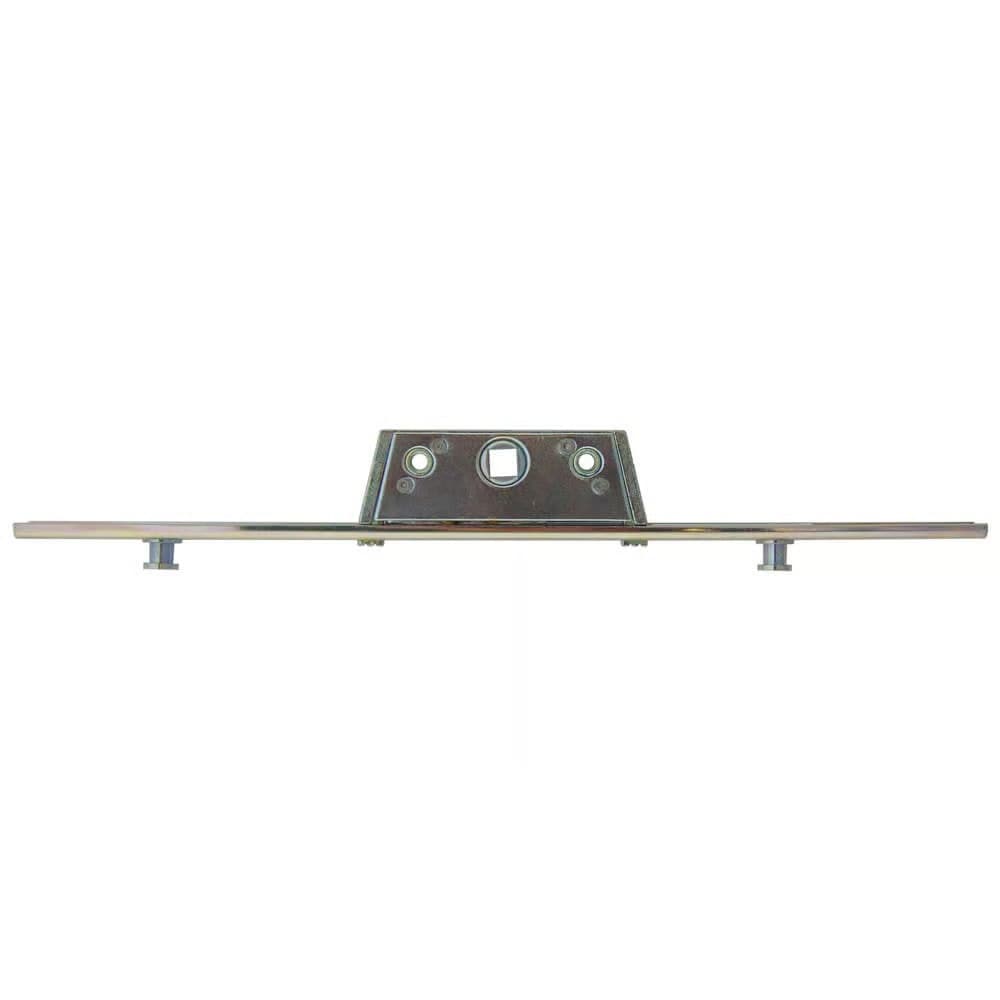
- In-Line Window Mechanism
- Offset Window Mechanism
Conclusion and next steps
Hooks tend to offer superior resistance to lateral attack and racking, making them the preferred choice for vulnerable external doors; rollers offer smoother action and improved compression for sealing. The best outcome combines appropriate cams, hooks and certified cylinders within a multipoint system tested to PAS 24 and, where possible, holding Secured by Design endorsement. Frame strength and correct fixing are equally important.
Next steps: inspect your current door and frame for play and fixings; confirm your euro cylinder rating; consult product datasheets and choose a multipoint lock with the required combination of hooks, rollers and deadbolts for your application. For detailed selection guidance and specification options, see our pillar resource at /guides/door-locks or contact your local trade supplier for on-site recommendations and installation support.

Related articles
uPVC Door Lock Maintenance: Keep Your Lock Working Smoothly
uPVC Door Lock Maintenance: Keep Your Lock Working Smoothly A well maintained upvc door lock reduces call-outs, keeps a property secure and extends the lif...
Hook Lock Sizes and Compatibility: Matching Your Existing Lock
Hook Lock Sizes and Compatibility: Matching Your Existing Lock Replacing a hook lock can be straightforward if you know what to measure and what to check f...
Replacing Individual Hook Locks vs Full Multipoint Mechanism
Replacing Individual Hook Locks vs Full Multipoint Mechanism Deciding whether to replace a single hook lock or the entire multipoint mechanism is a common ...