
Hook Lock vs Roller: What's the Difference in Security?
Hook Lock vs Roller: What's the Difference in Security? Overview Choosing the correct locking gear for a door or window affects security, durability and us...
Hook Lock vs Roller: What's the Difference in Security?
Overview
Choosing the correct locking gear for a door or window affects security, durability and user experience. Two common components on multipoint locks and window espagnolette gear are the hook lock and the roller: each has different mechanical behaviour and attack resistance. This article compares hook lock and roller mechanisms, offers practical trade advice and DIY guidance, and helps homeowners and installers decide which is suitable for particular UK doors and windows.
How each mechanism works
Hook lock: a hook lock uses a curved or L-shaped hook bolt that engages into a keeper; on operation the hook draws and locks into the strike, producing a positive bite. Hooks are typically used on the lock stiles of composite and PVCu doors and on some casement window locking points. Their geometry resists sliding and prising because the hook must be unlatched rather than simply pushed back.
Roller: a roller is a cylindrical cam that bears against a strike when the handle is operated. Rollers provide smooth closing action and constant compression across the door face. They are frequently used on doors where ease of operation and weather-seal compression are priorities, and on some multipoint systems to guide the door into the frame.
Security comparison: strengths and weaknesses
- Resistance to levering and prising: Hook locks generally outperform rollers. A hook's geometry catches the keeper so a lever attack must either rotate the hook out of the keeper or force the whole frame; that requires more force and more targeted tools compared with pushing a roller back into the lockcase.
- Resistance to lifting or sliding: Hooks are good at preventing lift and lateral movement; rollers are less effective if a would-be intruder can access the gap between door and frame. For sliding doors, specialised anti-lift hooks or shootbolts should be considered alongside rollers.
- Compression and weather-sealing: Rollers give better and more consistent compression against the seal; they are kinder to the frame and can improve draught performance. Hooks give strong engagement but can require fine adjustment to avoid gasket distortion.
- Durability under repeated use: Rollers can wear faster if they are the primary load-bearing element; quality rollers with hardened surfaces and bearings are long-lasting. Hooks are robust but require correct engagement clearances to avoid excessive wear.
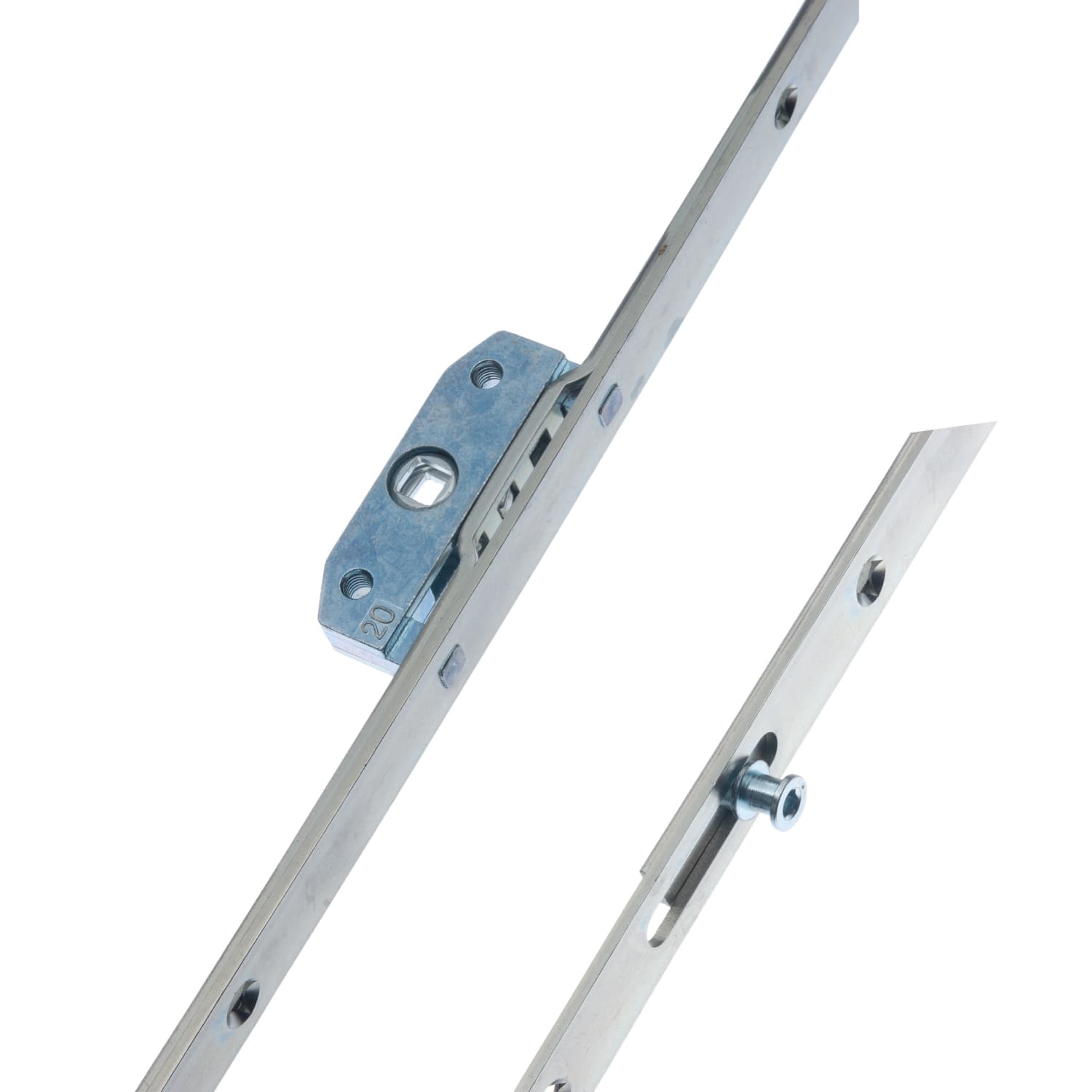
- Suitability for different door materials: Hooks are standard on composite and high-security uPVC doors. Rollers are common on older uPVC and aluminium doors where smoother action is needed. Many modern multipoint locks combine hooks and rollers to balance security and operation.
Standards and practical security upgrades
For external doors, check compliance with PAS 24 and look for Secured by Design accreditation where required. Mortice deadlocks should meet BS 3621 for insurance purposes on certain doors; multipoint systems should be fitted with anti-snap cylinders or TS/TS007-rated cylinders where relevant. A hook lock paired with an anti-snap, anti-drill cylinder offers a strong defence against common attack methods. For conservatory and patio doors, consider additional locking points and anti-lift devices.
Trade advice for installers and specifiers
- Specify the right combination: where possible use a multipoint lock that features both hook and roller cams: hooks for security at the lock stile and rollers for compression elsewhere.
- Check keep and strike spacing: ensure keeps and striker plates are correctly positioned and reinforced; poor keeps are a frequent weak point during attack tests.
- Verify cylinder projection: a euro cylinder should not protrude significantly beyond the door furniture; keep cylinder projection to a minimum to reduce snapping risk. A common practical tolerance is no more than a few millimetres proud of the outer face.
- Use correct fixings: keep plates should be mounted with long security screws into the subframe or reinforcement, not just into the PVCu outer profile.
- Choose the right backset and case depth: match the gearbox to the door thickness and the faceplate routing to avoid compromising engagement geometry.
DIY guidance for homeowners
If you are assessing or maintaining locks yourself, follow these practical checks and simple fixes:
- Visual inspection: open and close the door; check that hooks fully enter their keeps and that rollers run smoothly. If a hook drags or only grazes the keeper, the lock will not perform as intended.
- Alignment adjustments: most multipoint locks allow adjustment via the striker plate or by slightly adjusting the keeps. Small vertical adjustments on keeps can correct compression and engagement.
- Lubrication: use a light silicone spray or a dry PTFE lubricant on hooks, rollers and keeps. Avoid oil-based lubricants that attract dust and gum up the mechanism.
- Tighten furniture: loose handles can prevent full engagement of hooks and rollers; ensure handle fixings are secure and that the spindle engages cleanly.
- When to call a professional: if the hook does not fully engage despite adjustment, if the gearbox feels loose, or if cylinder movement is stiff or rough, call a qualified locksmith or installer; replacing or reconfiguring multipoint hardware is not recommended as a purely DIY job for most homeowners.
Choosing the right lock for common doors and windows
- Composite front doors: prefer hook-style outer cams with deadbolt points and an anti-snap cylinder for highest security.
- uPVC back doors and French doors: a combination of hooks on the lock stile and rollers on the opposing stile offers a balance of security and compression.
- Patio and sliding doors: use roller mechanisms designed for sliding systems plus anti-lift blocks and patio-specific hook or shootbolt locks to prevent forced entry.
- Casement windows: mushroom cams and hook-style espagnolette cams resist compression and are common on higher-security installs.
Maintenance and testing
Regular inspection is key: service multipoint locks annually or sooner in coastal locations where corrosion accelerates. Test by closing the door and lifting the handle to engage all cams; then lock and try a gentle lever at the frame to check resistance. Replace worn keeps and cams promptly. For trade professionals, include torque and cycle tests during handover to ensure mechanical reliability.
Recommended Products
Based on this article, you may find these products helpful:
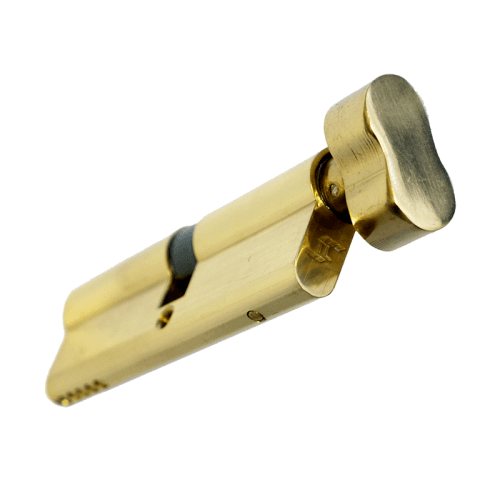
- TL Thumb Turn Euro Cylinder
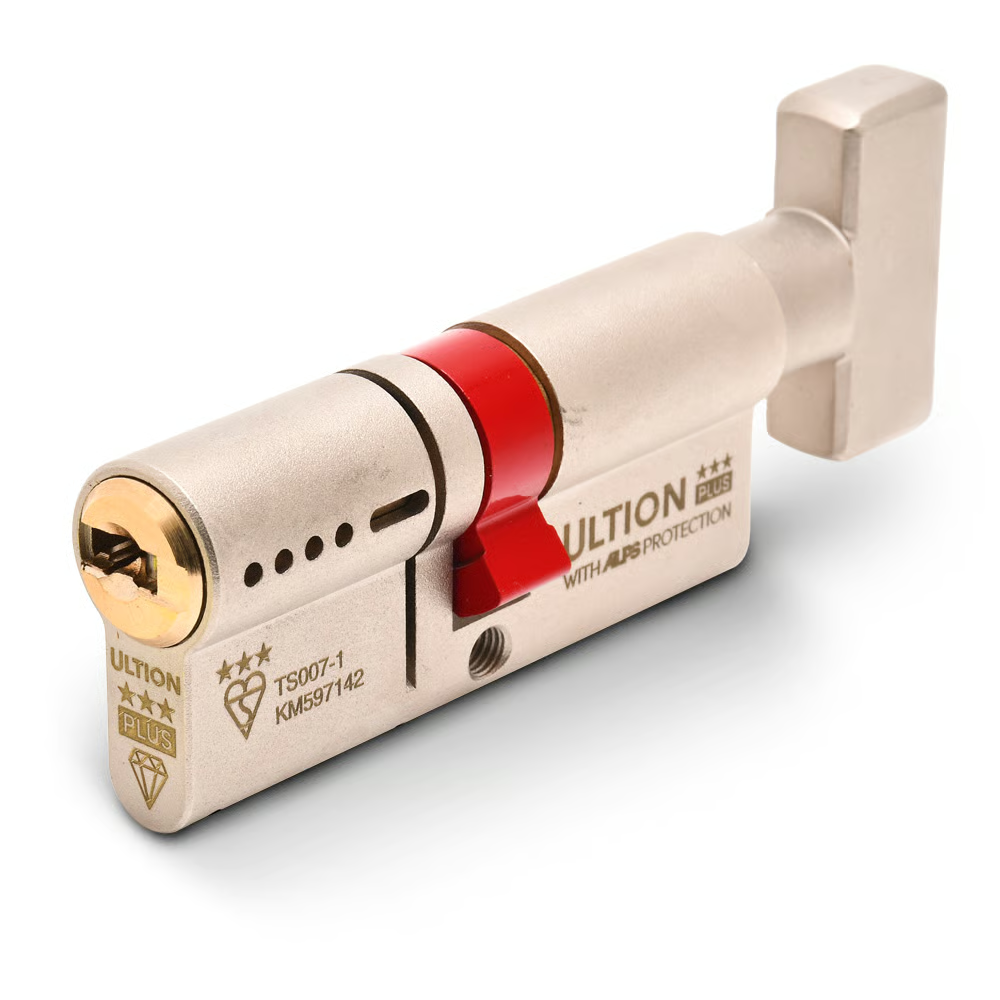
- Ultion Plus TS007 3* Kitemarked Euro Key & Turn Cylinder
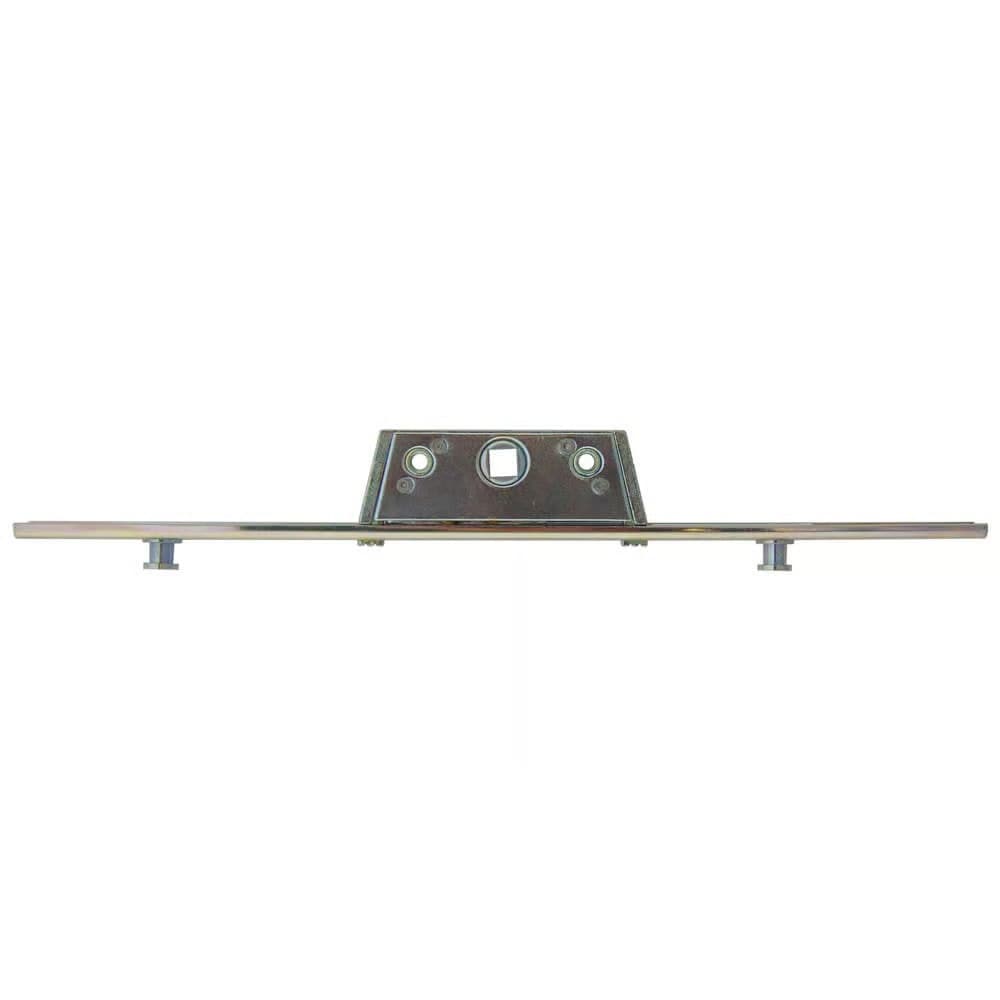
- ERAB Espagnolette Window Lock Universal Lock Replacement
- Avocet Slimline Offset Window Espag
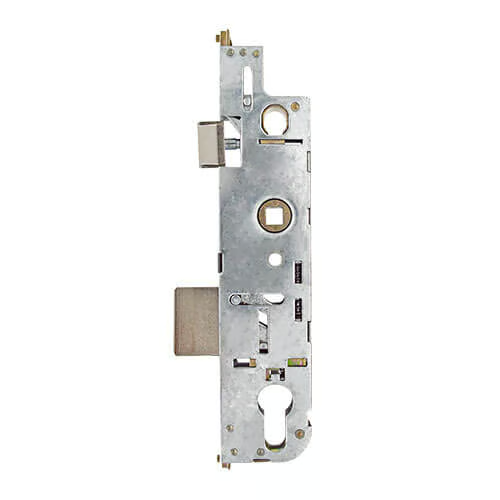
- Multipoint Gearbox GU Old Style
Conclusion and next steps
Hook locks generally provide better resistance to levering and prising, while rollers improve compression and smooth operation. The best solution often combines both: hooks for security-critical engagement and rollers for sealing and ease of use. For homeowners: inspect engagement, lubricate appropriately and call a qualified installer for alignment or replacement. For trade professionals: specify combinations that meet PAS 24 where required, use reinforced keeps and anti-snap cylinders, and test mechanisms on site.
Further reading and specification help are available in our door lock resource centre: /guides/door-locks. If you need product recommendations or on-site assessment, contact our technical team for tailored advice.
Related articles
uPVC Door Lock Maintenance: Keep Your Lock Working Smoothly
uPVC Door Lock Maintenance: Keep Your Lock Working Smoothly A well maintained upvc door lock reduces call-outs, keeps a property secure and extends the lif...
Hook Lock Sizes and Compatibility: Matching Your Existing Lock
Hook Lock Sizes and Compatibility: Matching Your Existing Lock Replacing a hook lock can be straightforward if you know what to measure and what to check f...
Replacing Individual Hook Locks vs Full Multipoint Mechanism
Replacing Individual Hook Locks vs Full Multipoint Mechanism Deciding whether to replace a single hook lock or the entire multipoint mechanism is a common ...