
How 3 Star Cylinders Are Tested: TS 007 Standard
How 3 Star Cylinders Are Tested: TS 007 Standard For homeowners and trade professionals in the UK, the 3 star cylinder is often the minimum acceptable leve...
How 3 Star Cylinders Are Tested: TS 007 Standard
For homeowners and trade professionals in the UK, the 3 star cylinder is often the minimum acceptable level of security for external doors. TS 007 is the benchmark used by police and insurers to assess euro cylinder performance against common forced-entry techniques. Understanding how these cylinders are tested helps when specifying, installing or advising customers on door security.
What TS 007 covers
TS 007 is a test regime that assesses a cylinder’s resistance to a range of attack methods that burglars commonly use. It evaluates the cylinder as fitted in a door and considers features such as: anti-snap sections, anti-drill pins, hardened steel inserts, and anti-pick measures. Certification is awarded with a star rating; three stars is the highest and indicates the best resistance in the scope of the standard.
Typical attack methods used in testing
Cylinders are subjected to standardised attack routines designed to mimic real-world methods. Tests include:
- Snap attack: applying force to the exposed part of the cylinder to break it and allow access to the cam.
- Drilling: using power tools to attempt to destroy internal components such as pins and cams.
- Picking and manipulation: using tools to try to rotate the cylinder without the correct key.
- Torque and wrenching: applying levering or wrenching forces to extract or rotate the cylinder.
- Bumping: assessing resistance to lock bumping techniques.
Manufacturers must demonstrate that their designs resist these threats to a specified level for the awarding of 3-star status.
How the star rating relates to security
A 3 star cylinder provides the highest level of resistance under TS 007. In practice this means the cylinder resists snapping, drilling and manipulation better than 1 or 2 star variants. Many insurers and police initiatives recommend or require 3 star cylinders for front and back doors that are accessible from the street; fitting a lower-rated cylinder can lead to a claim being refused following a break-in.
What features you will see on a 3 star cylinder
Common features that help a cylinder achieve 3 star certification include:
- Sacrificial or anti-snap sections: designed to break away but leave the internal mechanism intact.
- Hardened steel pins and plates: to resist drilling and sawing.
- Anti-pick pin configurations and mushroom or spool pins.
- Protected cam designs and reinforced cam housings.
- Restricted key profiles or key control options for higher security systems.
Practical trade advice when specifying and fitting
For installers and specifiers: always confirm the cylinder's certification rather than relying on marketing claims. Check the actual TS 007 certificate and LPCB or other third-party test body references. When fitting a 3 star cylinder:
- Measure correctly for cylinder length: remove the old cylinder and measure from the fixing screw centre to each end to select the correct size; an ill-fitting cylinder can be vulnerable.
- Ensure minimal protrusion beyond the door face: any overhang can make a cylinder easier to attack; aim for the cylinder to sit flush or slightly recessed relative to the escutcheon.
- Use the correct fixing screw and tighten to manufacturer torque; excessive or insufficient torque can affect operation.
- Check compatibility with multipoint locks and handles; some handle sets require specific spindle or follower alignment.
- Consider cylinder guards or reinforced escutcheons for additional protection, especially on timber doors where the door material may be weaker.
DIY guidance for homeowners
Homeowners can replace a euro cylinder with basic tools; many tasks can be completed without a locksmith if you are confident with simple DIY. Typical steps include:
- Remove the handle and faceplate where necessary to access the cylinder fixing screw.
- Loosen and remove the central fixing screw that secures the cylinder.
- With the key inserted and turned slightly, pull the cylinder from the door; note the key position to free it smoothly.
- Measure and order the correct replacement cylinder length; fit the new cylinder and secure with the fixing screw, then reassemble handles and test operation.
Important safety notes for DIY: if the door is a shared or communal access, or if you are unsure of the type of locking mechanism, consult a professional. If you need to upgrade to a higher security cylinder such as a 3 star cylinder, confirm that the replacement will be compatible with your multipoint lock and will not impede door operation.
Maintenance and common mistakes
To keep a 3 star cylinder performing well: lubricate with a graphite or PTFE-based lock lubricant periodically; avoid oil-based sprays that attract dust. Check for play or looseness at the faceplate; a loose cylinder fixing screw should be tightened and any worn fixings replaced. Common mistakes include incorrect cylinder length, leaving the cylinder protruding, and fitting non-certified cylinders to meet insurance requirements.
Where to find certified 3 star cylinders
Buy from reputable trade suppliers and request documentation: proof of TS 007 certification and third-party test reports. Many manufacturers also list their certified products on their websites and provide details about the specific protections included. For further reading on euro cylinders and sizes see our pillar page: /c/locks-security.
Recommended Products
Based on this article, you may find these products helpful:
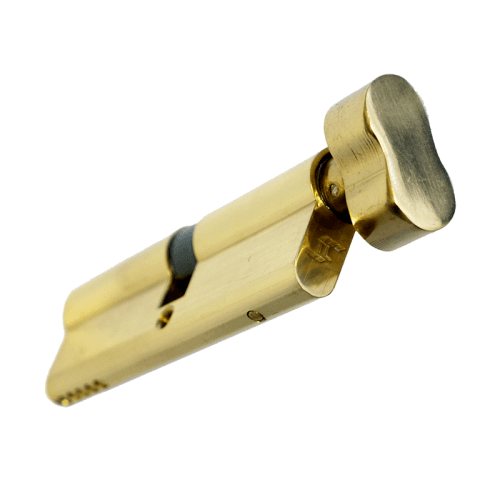
- TL Thumb Turn Euro Cylinder
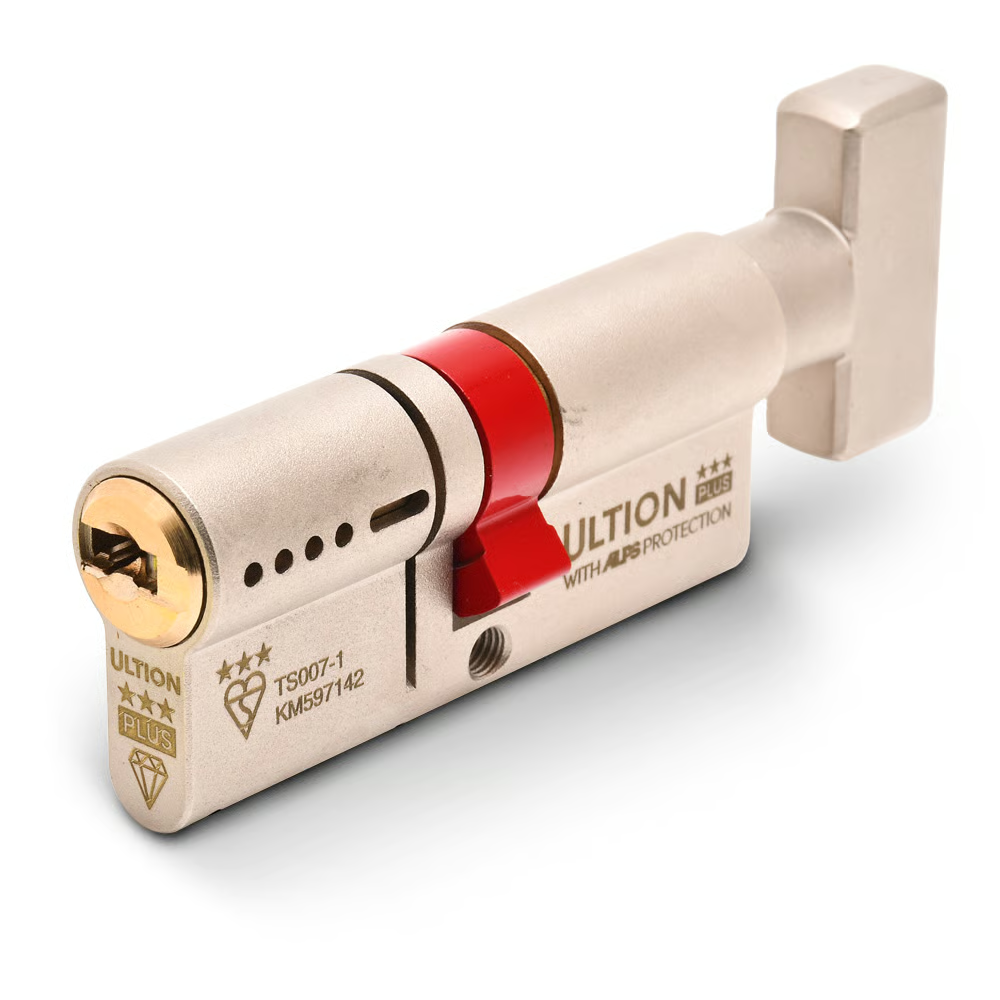
- Ultion Plus TS007 3* Kitemarked Euro Key & Turn Cylinder
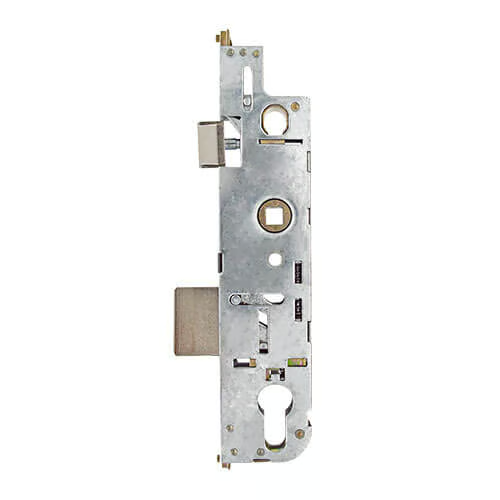
- Multipoint Gearbox GU Old Style
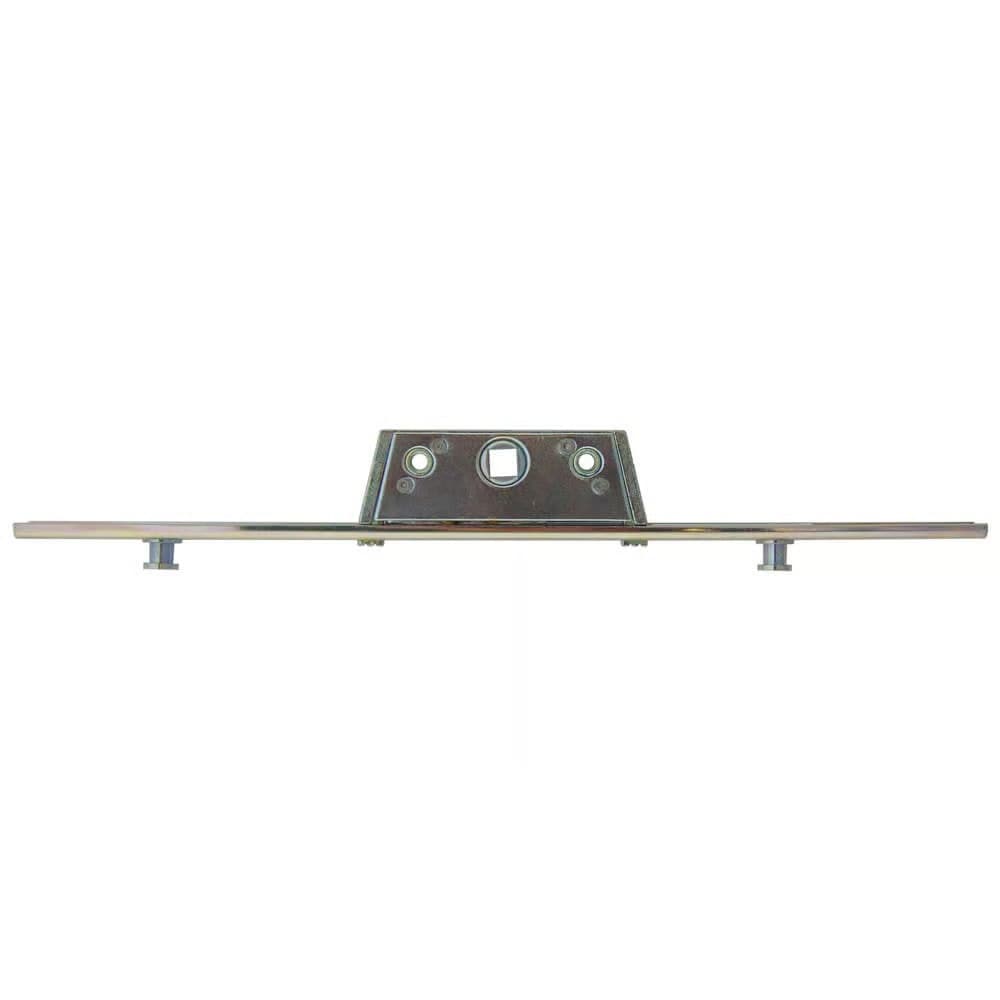
- In-Line Window Mechanism
- Offset Window Mechanism
Conclusion and next steps
Choosing a genuine 3 star cylinder gives a measurable improvement in resistance to common attacks; understanding TS 007 helps when specifying, installing or advising customers. Next steps: confirm the cylinder certificate before purchase, measure carefully for correct length, and fit using manufacturer instructions. If you are unsure, get a qualified locksmith to survey the door and recommend the best upgrade for compliance with insurance and police recommendations.

Related articles
What Is a Thumb Turn Cylinder? Convenience vs Security
What Is a Thumb Turn Cylinder? Convenience vs Security What is a thumb turn cylinder? A thumb turn cylinder is a type of euro-profile lock cylinder that ha...
Thumb Turn Cylinder vs Panic Bar: Exit Options Compared
Thumb Turn Cylinder vs Panic Bar: Exit Options Compared examines two very different approaches to door egress and security. The thumb turn cylinder is a co...
Thumb Turn Cylinder Sizes: Finding the Right Length
Thumb Turn Cylinder Sizes: Finding the Right Length Choosing the correct thumb turn cylinder is vital for security, smooth operation and a neat finish on d...