
How Hook Locks Work in Multipoint Locking Systems
How Hook Locks Work in Multipoint Locking Systems What is a hook lock? A hook lock is a specific type of bolt used within a multipoint locking system. Rath...
How Hook Locks Work in Multipoint Locking Systems
What is a hook lock?
A hook lock is a specific type of bolt used within a multipoint locking system. Rather than a straight deadbolt, the locking element is a curved or hook-shaped bolt that engages into a matching keep on the frame or slave sash. Hook locks are commonly used on uPVC, aluminium and composite doors, and on French or patio doors where one leaf is frequently passive; they are designed to pull the door into the frame and resist lateral and upward attack.
How hook locks operate in a multipoint system
Multipoint systems typically have three or more locking points along the door edge: a central deadbolt or latch plus top and bottom hooks or bolts. A hook lock is usually fitted to the main or passive edge and works as follows:
- Handle lift: When the user lifts the handle, cams and followers inside the gearbox rotate and drive the hook(s) out from the door edge. The hook engages with the corresponding keep in the frame or the mating sash.
- Cylinder action: Turning the key or thumbturn operates the central cylinder which either locks the gearbox or drives an additional deadbolt. In many designs the cylinder locks the handle, preventing the handle being lowered and retracting the hooks.
- Compression and sealing: The geometry of the hook and the keeps is designed so that, as the hook engages, it pulls the door tightly to the frame; this improves weather sealing and reduces rattles.
- Unlocking: Releasing the cylinder lock or turning the key returns the hooks and deadbolt into the gearbox; lowering the handle retracts the latch allowing the door to open.
Because the hook engages by hooking around the keep rather than by sheer force, it resists spreading and levering attempts better than a straight shootbolt; this makes hook locks especially useful where the frame is timber, aluminium or is a meeting stile in French doors.
Benefits and typical applications
Hook locks are specified for a number of practical reasons:
- Anti-lift performance: The hooked profile prevents upward or outward movement of the door even if the multipoint is attacked.
- Improved compression: The hooking action draws the sash in, improving draught-proofing and weather performance.
- Suitable for secondary sashes: On double French doors one leaf may be passive; hooks into a keeps system work well without needing heavy shootbolts in the floor.
- Enhanced security: When combined with a good euro cylinder and robust keeps they form part of a PAS 24 compliant solution and can assist with Secured by Design requirements.
Selecting the right hook lock: trade advice
When choosing a hook lock for replacement or new installation consider these points:
- Compatibility with the existing gearbox: Multipoint gearboxes differ in centre heights and follower type; confirm the hook unit matches the gearbox or replace the full gearbox if necessary.
- Backset and edge distance: Make sure the hook plate lines up with the keeps; take accurate measurements rather than assuming symmetry.
- Keep type and adjustability: Many modern keeps allow vertical and lateral adjustment; choose keeps that permit fine tuning on site for correct compression.
- Screw length and substrate: Use long, high-quality screws to secure keeps into solid timber or reinforced areas. For masonry or aluminium frames use appropriate fixings or reinforcing plates.
- Standards and cylinder type: Pair hook locks with high-security euro cylinders; consider anti-snap, anti-pick and anti-drill features for external doors.
Installation and adjustment: practical DIY and trade guidance
Installing or replacing a hook lock requires more care than a simple mortice lock. Follow these steps and tips:
- Preparation: Remove handles and trim to expose the gearbox. Note or photograph the current arrangement so you can reverse-engineer the position of keeps and the centre line.
- Measurement: Measure the backset, distance from the edge to the follower, and the vertical spacing of the locking points. If replacing the whole gearbox check centre-to-centre distances against the new unit.
- Keep alignment: Fit keeps loosely and test engagement by lifting the handle slowly. Most keeps allow small adjustments; use packers behind keeps if necessary to improve compression.
- Screw fixing: For trade installations use at least two long screws per keep. Ensure screws enter solid timber or a reinforced sub-frame; short screws only into the face of a thinner frame will not secure the keep under attack.
- Drilling and cutting: For new keeps you may need to chisel or router recesses in the frame. Keep metal-to-metal contact and avoid sharp gaps which could damage seals.
- Testing: After installation cycle the mechanism 10–20 times, then lock and attempt to apply lateral pressure manually to check engagement. Ensure the handle cannot be forced down when locked.
- When to call a professional: If the door drags badly, the frame is warped, or you cannot get the keeps to align without major adjustment call a locksmith or joiner; incorrect fitting can lead to premature wear or compromised security.
Maintenance and common faults
Routine maintenance keeps a hook lock performing smoothly and extends life-span:
- Lubrication: Use a specialist lock lubricant or light machine oil on moving parts; graphite powder for cylinders. Avoid using thick grease inside the gearbox as it attracts dust and can cause binding.
- Cleaning: Keep keeps and strike areas free from paint build-up, debris and sealant. Clean and inspect the faceplate and hooks annually.
- Adjustment: If the door becomes harder to lock, check for settled frames or loose fixings; tighten keep screws and re-adjust keep position to restore smooth engagement.
- Wear and replacement: Signs of wear include hooks not fully projecting, excessive play in the handle, or difficulty in turning the key. Replace worn hooks or the whole gearbox rather than coaxing a failing mechanism to work.
Recommended Products
Based on this article, you may find these products helpful:
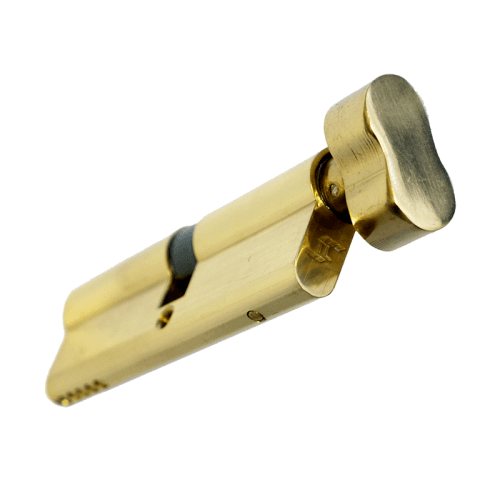
- TL Thumb Turn Euro Cylinder
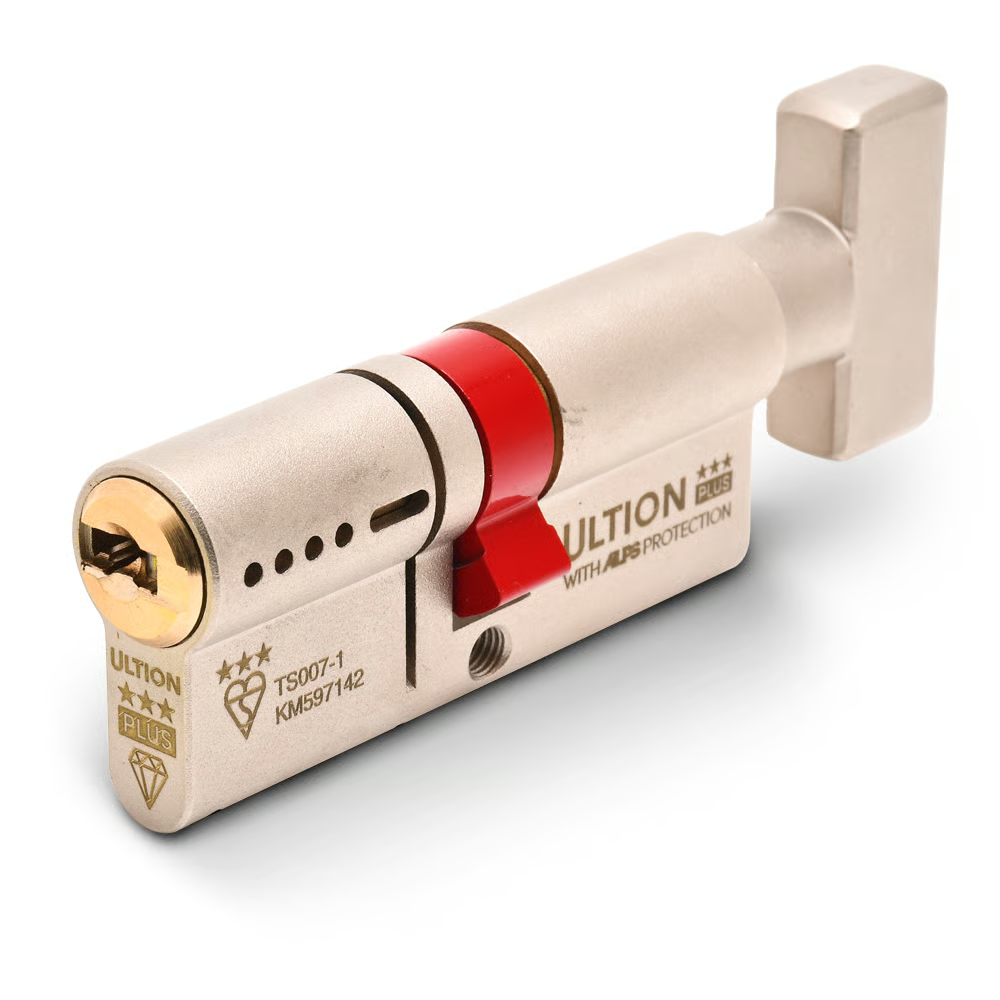
- Ultion Plus TS007 3* Kitemarked Euro Key & Turn Cylinder
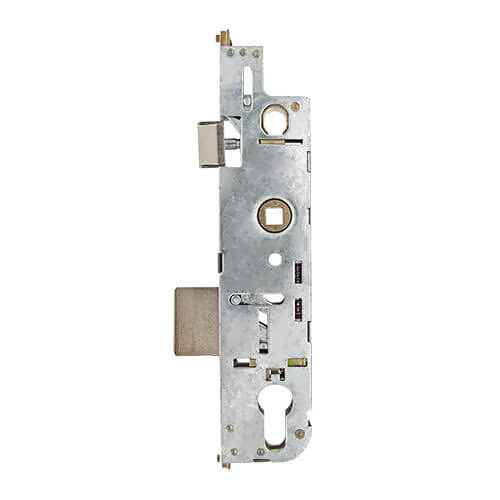
- Multipoint Gearbox GU Old Style
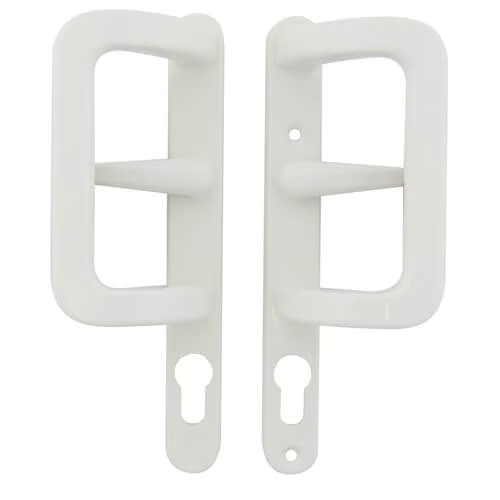
- Patio Door Handle Set - 92PZ White
- Winlock Patio Door Handle Set
Conclusion and next steps
Hook locks are a reliable and secure element within a multipoint locking system: they provide anti-lift protection, improved compression and are well suited to passive sashes and composite doors. For homeowners consider regular inspection and lubrication; for tradespeople ensure correct backset, robust fixings and correctly adjustable keeps for long-term performance.
Next steps: if you are planning a replacement measure carefully and decide whether a partial replacement is possible or if a full gearbox change is safer. For product options, spares or technical advice visit our door-locks pillar page at /guides/door-locks or contact our technical team for trade-specific recommendations and fitting support.
Related articles
uPVC Door Lock Maintenance: Keep Your Lock Working Smoothly
uPVC Door Lock Maintenance: Keep Your Lock Working Smoothly A well maintained upvc door lock reduces call-outs, keeps a property secure and extends the lif...
Hook Lock Sizes and Compatibility: Matching Your Existing Lock
Hook Lock Sizes and Compatibility: Matching Your Existing Lock Replacing a hook lock can be straightforward if you know what to measure and what to check f...
Replacing Individual Hook Locks vs Full Multipoint Mechanism
Replacing Individual Hook Locks vs Full Multipoint Mechanism Deciding whether to replace a single hook lock or the entire multipoint mechanism is a common ...