
How Multipoint Locking Systems Work: Hooks, Rollers and Deadbolts
How Multipoint Locking Systems Work: Hooks, Rollers and Deadbolts What is a multipoint door lock? A multipoint door lock is a locking mechanism that secure...
How Multipoint Locking Systems Work: Hooks, Rollers and Deadbolts
What is a multipoint door lock?
A multipoint door lock is a locking mechanism that secures a door at several points along its height rather than at a single central point. Typically fitted to external composite, uPVC or timber doors, these systems improve weather performance, prevent sash racking and substantially increase resistance to forced entry. Common arrangements include three-point and five-point locks that combine hooks, rollers and deadbolts to secure the door into matching keeps on the frame.
Main components and how each works
Understanding the basic parts helps when specifying, installing or repairing a multipoint lock. The key components are:
- Centre latch: a spring-operated latch that allows the door to close and be operated by the handle. The latch retracts with the handle to allow entry and returns to the projected position when released.
- Deadbolt(s): solid bolts that extend into the strike plate when the key is turned; they provide the main anti-forcing action and resist direct kicking or levering.
- Hook bolts: curved or hooked bolts that engage with keeps and pull the door tight to the frame; especially common on composite and uPVC doors where compression and sealing are important.
- Roller cams: moving rollers that engage with strikes to help the door close smoothly and take up any minor misalignment; they reduce wear on seals and assists in consistent compression.
- Gearbox and follower/spindle: the internal mechanism driven by the handle and cylinder; common spindle sizes are 8mm square for most residential locks.
- Faceplate and keeps: the visible metal strip on the lock edge and the corresponding keep plates on the frame; correct keeps are critical for performance.
How the mechanism operates
Operation is sequential and designed to provide a secure shut with minimal effort: raise the handle to engage the hooks and rollers; the central latch pulls into the keep; turn the key to deadlock the centre latch and drive the deadbolts home. On many systems lifting the handle first is essential: the handle movement takes the hooks and rollers out of their retracted positions so that when the key is turned the deadbolts can seat correctly. Some locks feature an anti-lift or anti-slam function so the handle cannot be forced down without the key removing the deadlock.
Types of multipoint mechanisms and where they suit
Trade professionals should match the mechanism to the door type and use-case:
- Hook locks: excellent for composite and PVC doors where compression is necessary; hooks pull the door into the frame to compress seals.
- Roller and cam systems: better for timber doors or French doors where a smoother closing action is preferred.
- Deadbolt-heavy systems: used where maximum resistance to forced entry is required; often specified with reinforced keeps and anti-snap cylinders.
- High-security options: include anti-snap, anti-drill and anti-bump cylinders; recommended for ground-floor doors and high-risk locations.
Selection and trade advice
When specifying a multipoint door lock consider these practical points:
- Check case depth and backset to match the door: incorrect dimensions will affect cylinder placement and handle alignment.
- Confirm the faceplate finish and screw centres to avoid unnecessary chiselling or door modification.
- Choose the correct keeps: adjustable keeps help on soft frames or doors with seasonal movement; reinforced keeps offer better security on composite doors.
- Match the cylinder type: euro profile cylinders are common; consider anti-snap and high-security accredited cylinders for best protection.
- For trade orders, keep a stock of common replacements: 35mm and 45mm backsets, 92mm and 62mm PZ centres, and standard 8mm spindles cover most installs.
Practical DIY guidance
DIYers can replace or maintain a multipoint lock but must be precise and safety conscious. Key steps and tips:
- Always support the door if removing long faceplates or when the lock secures multiple points; hinges can be under strain once the locking points are detached.
- Before removing the cylinder, mark its position; euro cylinders can be replaced without taking off the whole lock if the retaining screw is accessible.
- To diagnose sticking or misalignment: check hinge screws and frame for movement first; tighten hinge screws and ensure the door hangs square. Then inspect keeps for wear or incorrect positioning.
- Adjust keeps incrementally: small shims or adjustable keep plates can correct 1-2mm misalignment without refitting the whole lock.
- Lubrication: use a silicone spray or a dry PTFE spray on the mechanism and keeps; use graphite for cylinder locks. Avoid heavy oils that attract dust and gum up the mechanism.
- Replacing a multipoint case: line up the new case with the existing faceplate and ensure the spindle and cylinder align before tightening screws; test operation repeatedly with the door open before securing the trim.
Common faults and fixes
Typical issues include the handle being hard to lift, hooks not engaging, or the key not turning fully. Troubleshooting steps:
- Handle hard to lift: check the central latch is not holding the door; free the latch by retracting it and inspect for debris. Check gearbox wear; a worn gearbox may need replacement.
- Hooks not engaging: inspect keeps for damage or misalignment; measure to ensure the hooks have sufficient throw to engage the keep.
- Key won’t turn: ensure the handle is in the neutral position; some locks will not allow cylinder rotation if the handle is lifted or not centred. Check cylinder for signs of snapping or damage.
Standards and security considerations
For compliance and insurance, specify locks and cylinders that meet recognised standards. Seek products with UK police preferred specifications or accreditations such as Sold Secure or Secured by Design where required; these standards indicate enhanced resistance to common attack methods. Also ensure mortice cases and keeps are fitted with long screws into the frame to prevent lever attacks.
Recommended Products
Based on this article, you may find these products helpful:
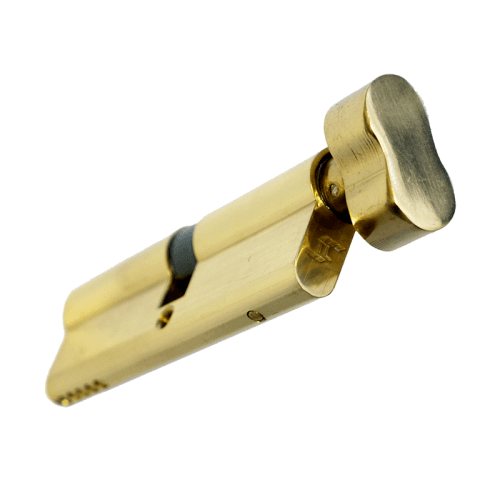
- TL Thumb Turn Euro Cylinder
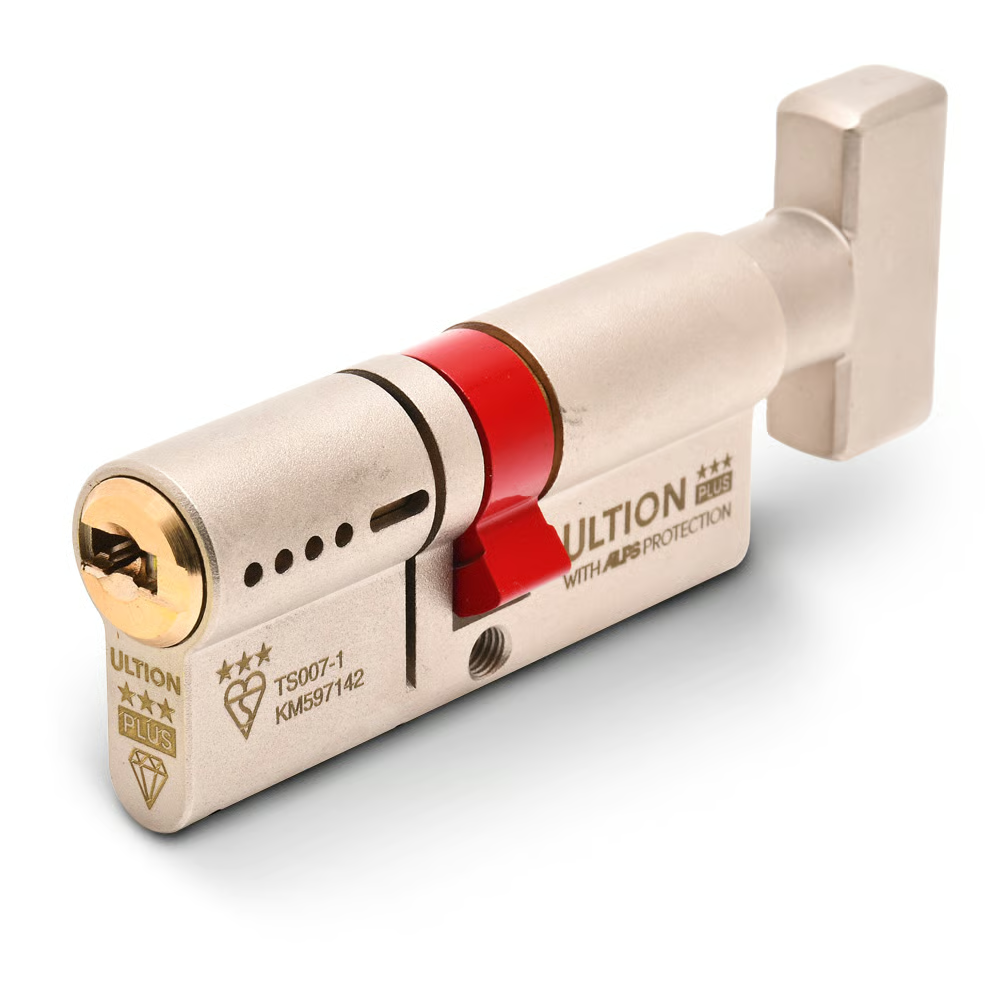
- Ultion Plus TS007 3* Kitemarked Euro Key & Turn Cylinder
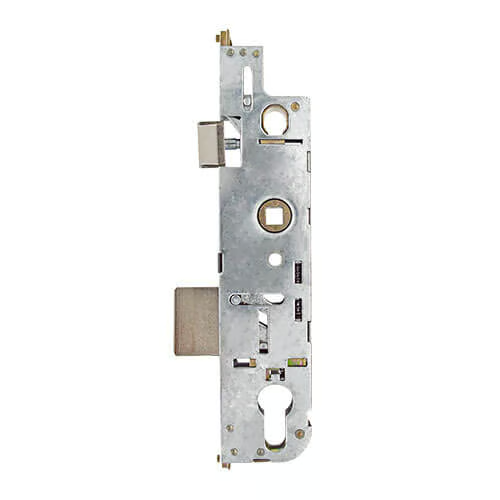
- Multipoint Gearbox GU Old Style
- In-Line Window Mechanism
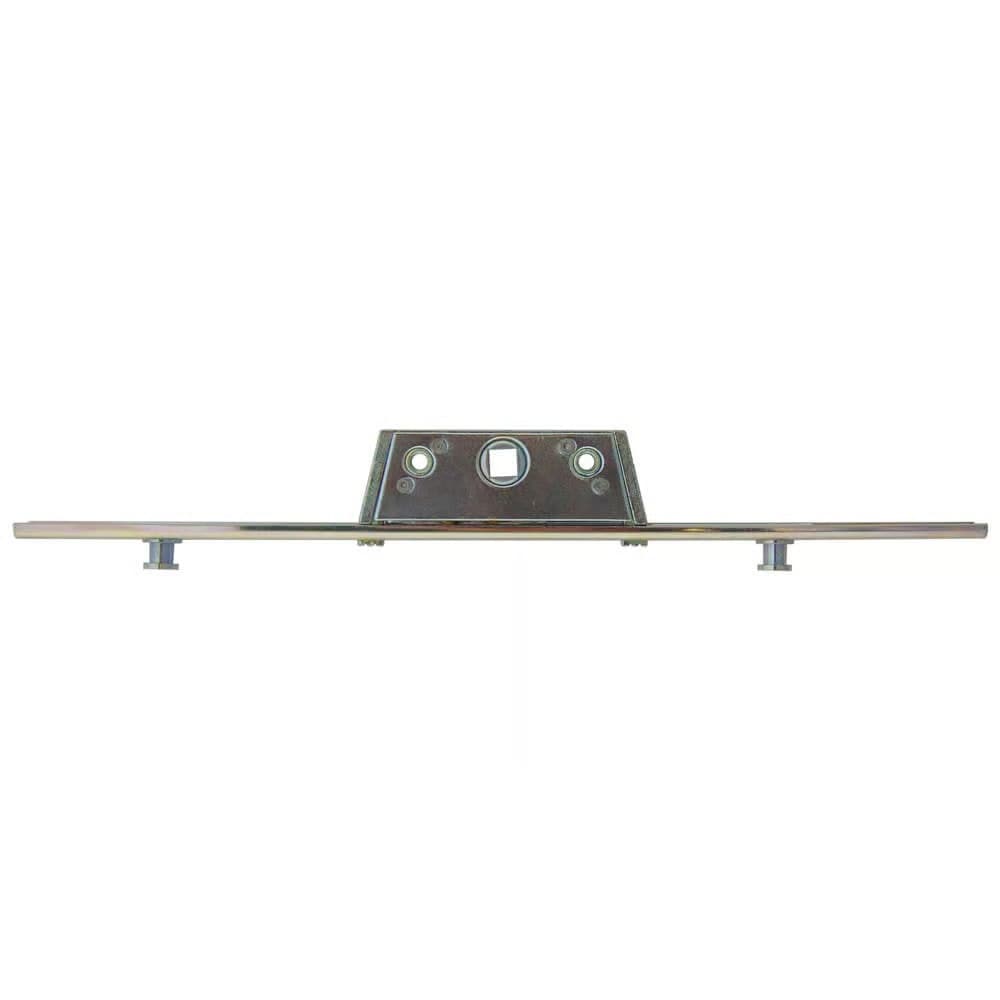
- Offset Window Mechanism
Conclusion and next steps
Multipoint door locks combine hooks, rollers and deadbolts to give superior security, weather performance and door alignment. For homeowners, regular checks, correct lubrication and timely adjustment of keeps will keep systems working reliably. For tradespeople, accurate specification of case depth, backset, spindle and cylinder type prevents site delays and repeat visits. If you need replacement parts, installation accessories or further technical advice visit our pillar resources at /guides/door-locks or contact our technical team for product recommendations and fitting support.

Related articles
uPVC Door Lock Maintenance: Keep Your Lock Working Smoothly
uPVC Door Lock Maintenance: Keep Your Lock Working Smoothly A well maintained upvc door lock reduces call-outs, keeps a property secure and extends the lif...
Hook Lock Sizes and Compatibility: Matching Your Existing Lock
Hook Lock Sizes and Compatibility: Matching Your Existing Lock Replacing a hook lock can be straightforward if you know what to measure and what to check f...
Replacing Individual Hook Locks vs Full Multipoint Mechanism
Replacing Individual Hook Locks vs Full Multipoint Mechanism Deciding whether to replace a single hook lock or the entire multipoint mechanism is a common ...