
How to Adjust a Multipoint Door Lock That's Hard to Close
How to Adjust a Multipoint Door Lock That's Hard to Close Why a multipoint door lock can be hard to close Multipoint door locks provide superior security b...
How to Adjust a Multipoint Door Lock That's Hard to Close
Why a multipoint door lock can be hard to close
Multipoint door locks provide superior security by engaging several locking points into the frame when the handle is lifted and the cylinder turned. Because they rely on precise alignment between hooks, rollers, bolts and keepers, small changes in the door or frame will make the door hard to close or prevent the handle from fully engaging. Common causes include hinge sag; worn striker plates or keepers; swollen timber or new draught-proofing; incorrect weatherseal compression; and seized or misaligned cams within the lock case.
Tools and materials you will need
- Screwdrivers: cross-head and flat
- Allen/hex keys and a set of Torx bits (some keeps and handles use Torx)
- Spirit level and ruler or tape measure
- Wooden packs or temporary wedges
- Masking tape, chalk or a marker to mark contact points
- Silicone spray or specialist lock lubricant; graphite for cylinders
- Replacement keeper/strike plates or longer hinge screws (trade kit)
- Electric drill for hinge screw replacement (if required)
Diagnosing the problem: where to start
Before adjusting anything, identify which part of the multipoint is failing to engage. Close the door slowly while watching the meeting edges; use masking tape or chalk on the keep edges to reveal where the hooks or rollers first meet the frame. Try the following quick checks:
- Operate the handle slowly and see if the handle lifts smoothly to the locked position: stiffness here may indicate internal drag or seized cams.
- Check the gap around the door: uneven gaps or a narrow gap at the top or bottom suggest hinge sag or swelling.
- Observe each locking point as you lift the handle: are hooks hitting the keeper, or are they contacting the frame first?
- Listen for scraping or grinding sounds: these point to misalignment rather than worn parts.
Step-by-step adjustment procedure
The most reliable route is to adjust the keepers on the frame and the hinges on the door in that order, then fine-tune the lock gearbox if needed:
- Mark the problem areas: with the door partly closed, apply masking tape to the keeps and operate the handle to see where contact occurs.
- Try simple lubrication: apply a light coat of silicone spray to rollers and moving parts, and graphite to the cylinder; retest. Do not use oil-based sprays that attract dirt.
- Adjust keepers (striker plates) first: many keepers have horizontal and vertical adjustment screws or slotted fixing holes. Loosen the fixing screws slightly, shift the keeper in the required direction (up, down, in or out) and tighten to retest. Move in small increments and recheck after every adjustment.
- If keepers have an adjustable boss or set screw, use the appropriate Allen or Torx key to wind the keeper in or out to line up with the hook or roller; secure once correct.
- When lateral movement is insufficient, fit thin metal or plastic shims behind the keep to move it forward or back; trade-quality keep shims maintain security and finish.
- Address hinge sag: tighten hinge screws first; if screws spin out in the frame, replace with longer 50–70mm woodscrews that bite into the framing. For larger adjustments, add a thin packer behind the hinge or reposition the hinge slightly up or down; full hinge replacement may be needed on badly worn doors.
- Check weatherstripping: if a new seal or thick brush is preventing the door closing, trim the seal or choose a lower-profile seal; ensure the compression is even across the closing stroke.
- Fine-tune the lock case: if the problem persists after keeper and hinge adjustment, remove the handle and faceplate and inspect the gearbox. Look for worn or broken cams; some gearboxes have adjustable cams that can be rotated with a screwdriver to change the bite point. Only adjust these small amounts; if the gearbox is worn, fit a replacement multipoint case.
- Reassemble and test fully: after every change, operate the lock through multiple cycles with the door closed to confirm smooth operation at both the handle lift and cylinder turn stages.
Trade tips and common pitfalls
- Measure before you pack: use a straight edge and measure the reveal and gap at top, bottom and mid-height before adding packers; this prevents overcorrection.
- Sagging usually starts at the top hinge: shimming the top hinge often restores alignment without moving the others.
- Do not shims the lock case inside the door unless you know how it will affect the centre case alignment; incorrect packing can introduce binding elsewhere.
- When replacing fixings, use corrosion-resistant screws to avoid future frame movement.
- Keep security in mind: if you move keepers forward, ensure there is enough metal behind the fixings for strength; avoid thin timber-only fixings when possible.
- If you remove the cylinder, use a cylinder retaining tool or be mindful of the tailpiece; misplacing the cam position will prevent the lock from operating correctly.
When to replace parts or call a professional
If adjustments and hinge fixes do not restore smooth action, the gearbox may be worn, hooks may be damaged, or the keepers may be stripped. For older multipoint locks, replacement is often more cost-effective than repeated repairs. Call a trade installer or locksmith when:
- Multiple locking points are worn or broken
- Internal gearbox parts are damaged or loose
- The cylinder is seized or the lock security is compromised
- You are unsure about modifying frame fixings or replacing a gearbox
Window Hardware Store supplies a range of multipoint replacement gearboxes, keepers and specialist fixings suitable for most UK doors; see the door locks section at /guides/door-locks for product guidance and technical specs.
Recommended Products
Based on this article, you may find these products helpful:
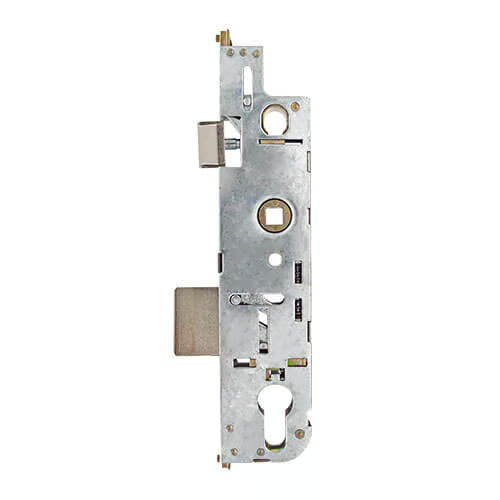
- Multipoint Gearbox GU Old Style
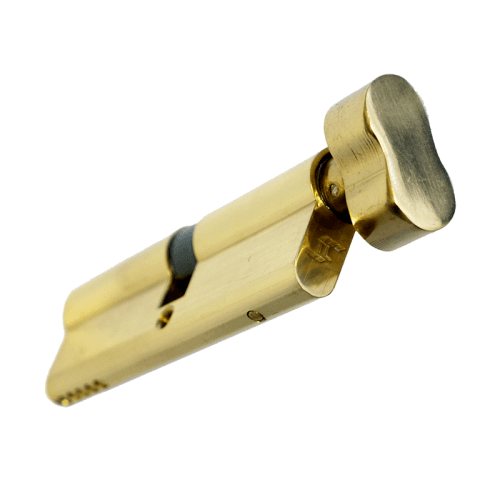
- TL Thumb Turn Euro Cylinder
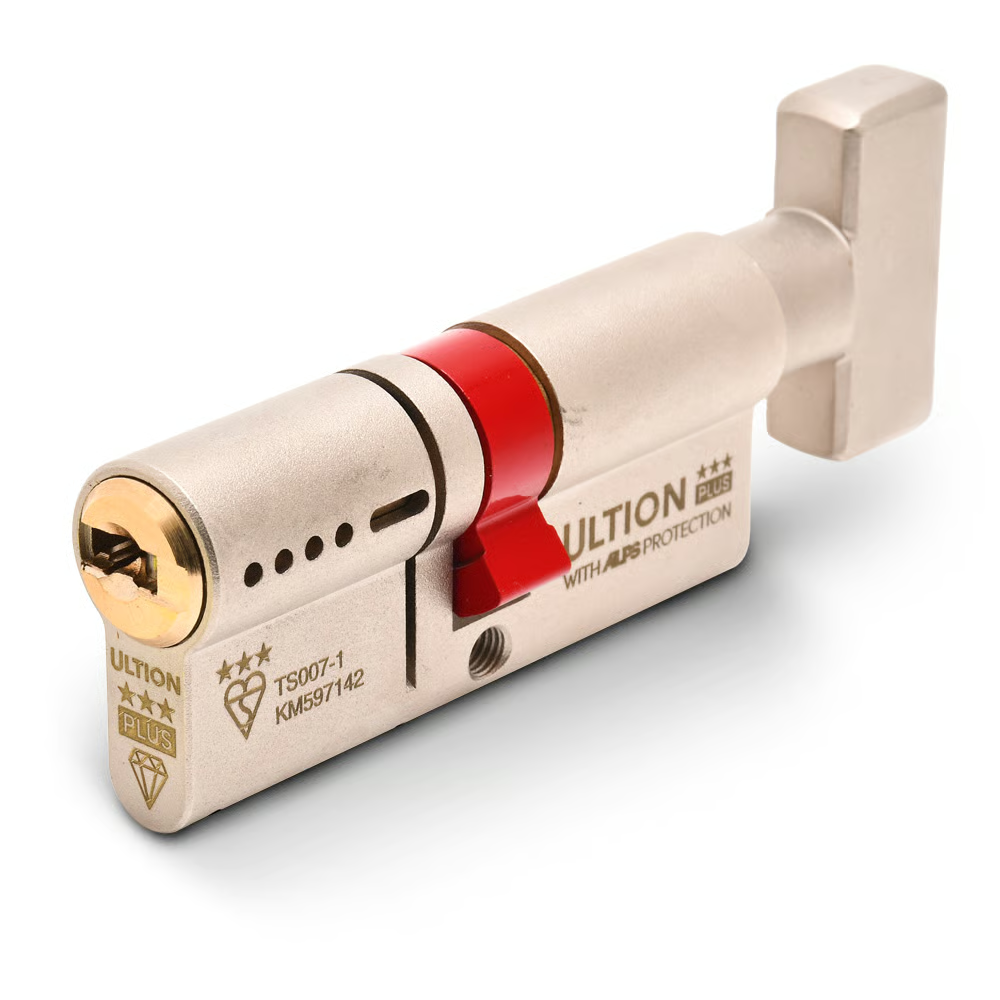
- Ultion Plus TS007 3* Kitemarked Euro Key & Turn Cylinder
- E-Type Gasket - Black 5m Roll
- E-Type Gasket - Black (Per Metre)
Conclusion and next steps
Most hard-to-close multipoint door problems are caused by misalignment or worn keepers, and can be resolved by methodical diagnosis, small keeper adjustments and hinge corrections. Start by identifying where the locking points collide, then adjust keepers and hinges incrementally, lubricate moving parts and retest. If you find broken or excessively worn components, replace the gearbox or keepers with trade-spec parts to restore security.
Next steps: measure and mark the misaligned points, gather the listed tools, and carry out the adjustments described. If you prefer, contact a qualified locksmith or one of our trade installers for a site visit; for parts and detailed specifications, visit /guides/door-locks or contact our technical team for bespoke advice.
Products mentioned in this article
Related articles
uPVC Door Lock Maintenance: Keep Your Lock Working Smoothly
uPVC Door Lock Maintenance: Keep Your Lock Working Smoothly A well maintained upvc door lock reduces call-outs, keeps a property secure and extends the lif...
Hook Lock Sizes and Compatibility: Matching Your Existing Lock
Hook Lock Sizes and Compatibility: Matching Your Existing Lock Replacing a hook lock can be straightforward if you know what to measure and what to check f...
Replacing Individual Hook Locks vs Full Multipoint Mechanism
Replacing Individual Hook Locks vs Full Multipoint Mechanism Deciding whether to replace a single hook lock or the entire multipoint mechanism is a common ...