
How to Fit a Cat Flap in a Wooden Door: Step-by-Step DIY Guide
How to Fit a Cat Flap in a Wooden Door: Step-by-Step DIY Guide Fitting a cat flap into a wooden door is a practical upgrade for many homeowners and a routi...
How to Fit a Cat Flap in a Wooden Door: Step-by-Step DIY Guide
Fitting a cat flap into a wooden door is a practical upgrade for many homeowners and a routine job for trade professionals. This post covers selection, preparation, cutting and finishing so you get a clean, weatherproof and secure installation. The advice applies to most solid timber and composite timber doors; for glazed or hollow-core doors see the trade tips below.
Choosing the right cat flap
Selecting the correct cat flap influences how straightforward the job will be and how secure the final result remains. Consider these points when choosing a cat flap:
- Size: Choose a flap matched to your pet; measure shoulder width rather than head width for a comfortable aperture.
- Type: Mechanical, magnetic, microchip or RFID-controlled flaps are available; microchip models give selective access and improve security.
- Security features: Look for a model with a lockable cover or reinforced frame if the external door is in a vulnerable position.
- Door thickness compatibility: Most cat flaps include a tunnel sleeve suited to typical external timber doors (about 44mm to 50mm); check if an extended tunnel is required.
- Weather performance: Choose flaps with good seals, brush strips or double flaps to reduce draughts and heat loss.
Tools and materials
Gather good-quality trade tools and fixings; they make the job quicker and the result more durable. Typical tools and consumables are:
- Cat flap kit with template and tunnel sections
- Spirit level and tape measure
- Pencil and centre punch
- Drill with 3mm, 6mm and 10mm bits; spade bit or hole saw for starter holes
- Jigsaw with fine-tooth blade or sharp handsaw for neat timber cuts
- Chisel and mallet for small clean-ups
- Router with straight bit (optional for very neat rebate work)
- Screwdriver or impact driver; countersink if required
- Clamps and sawhorses; workmates
- Sanding block and 120–180 grit sandpaper
- Exterior-grade silicone sealant, timber filler, touch-up paint or varnish
- Stainless steel screws and suitable packers if door is thinner/thicker than the tunnel sleeve
- Personal protective equipment: goggles, dust mask and hearing protection
Prepare the door and mark out
Preparation is crucial for a tidy installation. Follow these practical steps:
- Decide height: Measure the cat from floor to shoulder; set the centre of the aperture at approximately that height so the cat walks through levelly. Typical heights range from 120mm to 250mm above floor; use common sense for very small or tall cats.
- Check internal door construction: Remove any trims or mouldings that might obstruct cutting. If your door has a laminated or veneered face, note that edges will need sealing after cutting.
- Confirm no locks, multipoint gear or metal reinforcement will be cut through; examine the lock stile and rails and avoid them. If unsure, remove the door and check the inside edge.
- Clamp the door horizontally on sawhorses for stability; if the door remains hung, put a prop under the hinge side to prevent sagging and movement while cutting.
- Use the template supplied with the cat flap; align it to the marked height and ensure it is level. Mark the outline precisely with a pencil and centre-punch drill starter positions at the corners for the jigsaw.
Cutting the aperture and fitting the flap
Proceed methodically to make a neat cut and secure the frame:
- Drill starter holes: Use a 10mm drill or suitable hole saw to make access holes in corners where the jigsaw blade will start; this helps achieve square corners.
- Cut with a jigsaw: Follow the marked line steadily; keep the baseplate flat on the door and use a fine-tooth blade to reduce splintering. If using a handsaw, take small controlled cuts followed by a clean-up with a chisel.
- Clean up edges: Remove any tear-out with a sharp chisel and sand the edges smooth; use a router if available for a precise rebate for the frame.
- Dry-fit the cat flap: Insert the inner and outer frames with the tunnel to check alignment; ensure the flap moves freely and the locking mechanism fits correctly.
- Adjust thickness: If the door is thicker or thinner than the tunnel sleeve, use the sleeve sections supplied or insert packers; ensure the tunnel is flush and square with the door faces.
- Screw the frames: Use stainless steel screws and pilot holes to avoid splitting; countersink screws where recommended by the manufacturer; tighten evenly so frames sit flat without distorting the seal.
Sealing, weatherproofing and finishing
Proper sealing keeps draughts and water out. Finish these tasks once the flap is secured:
- Apply silicone: Run a bead of exterior-grade silicone around the tunnel on both faces where the frame meets the timber. Wipe away excess with a wet finger for a neat finish.
- Fill and paint: Fill any gaps in veneered doors with flexible filler; sand and touch-up paint or varnish to match the door. For external doors, use an exterior finish to protect cut edges from moisture.
- Test operation: Check the flap swings freely and that any lock operates correctly; test with your cat or a weight to ensure smooth action.
- Final security: Fit the lock cover, and if fitting a high-security model, follow the manufacturer’s instructions for additional reinforcement plates or screws.
Trade tips and common pitfalls
Experienced installers follow these extra tips to avoid rework and maintain standards:
- Always use the supplied template; aftermarket guessing leads to misalignment and poor seals.
- For very thin or hollow-core doors: do not attempt a standard tunnel; use a specialised through-door plate or consider fitting in a solid replacement panel.
- When working on pre-finished doors clamp a sacrificial batten to reduce tear-out on the exit face.
- Consider installing the flap in a separate plank or letterbox-style panel on the outside if the door has complex glazing or internal wiring.
- Specify stainless fixings for external doors at seafront or exposed locations to prevent corrosion.
- If in doubt about structural timbers or multipoint lock mechanisms, remove the door and inspect the interior or consult a joiner or locksmith.
Recommended Products
Based on this article, you may find these products helpful:
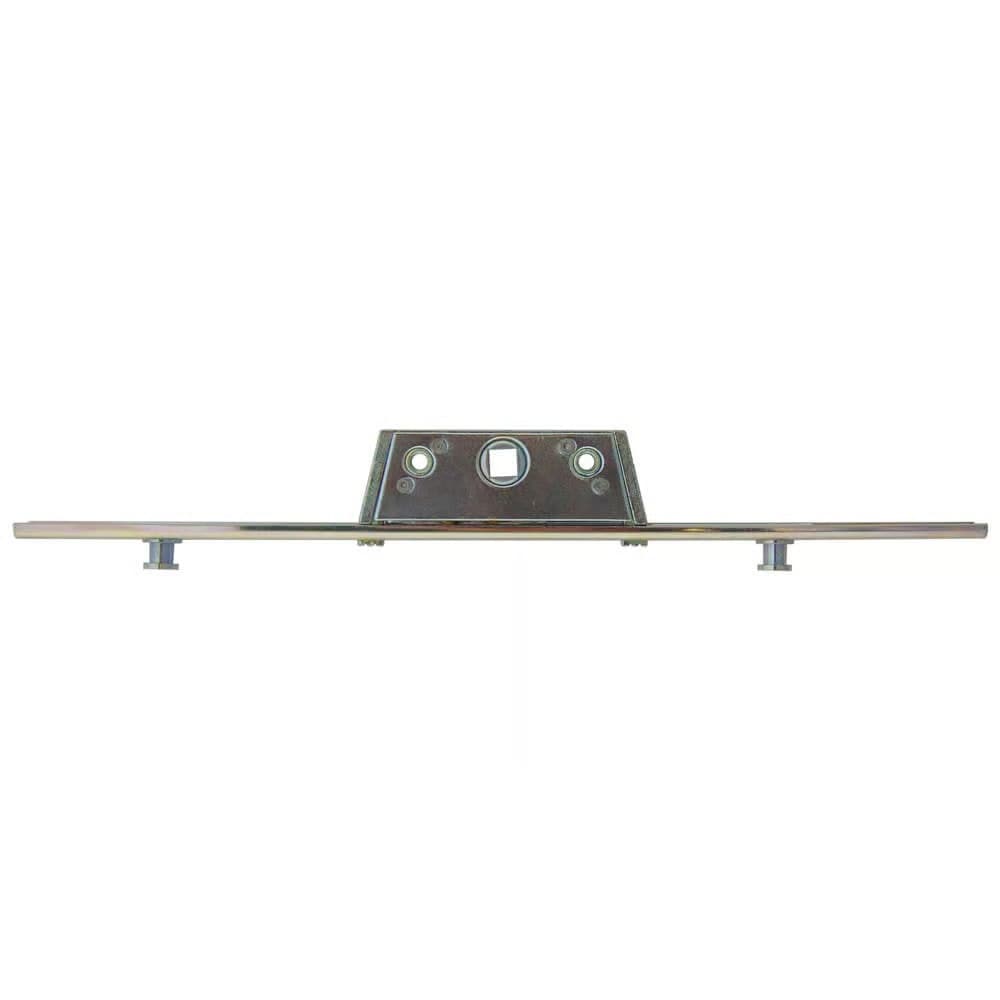
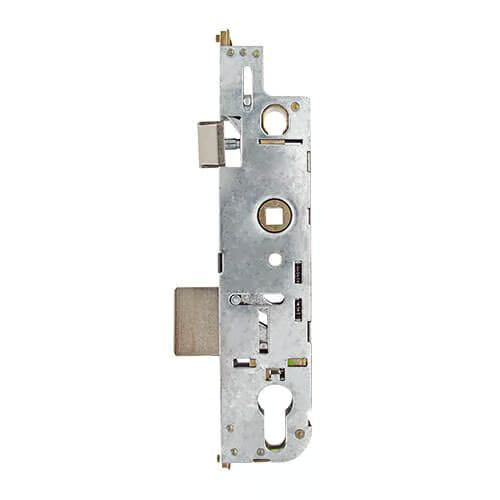
- Multipoint Gearbox GU Old Style
- In-Line Window Mechanism
- Offset Window Mechanism
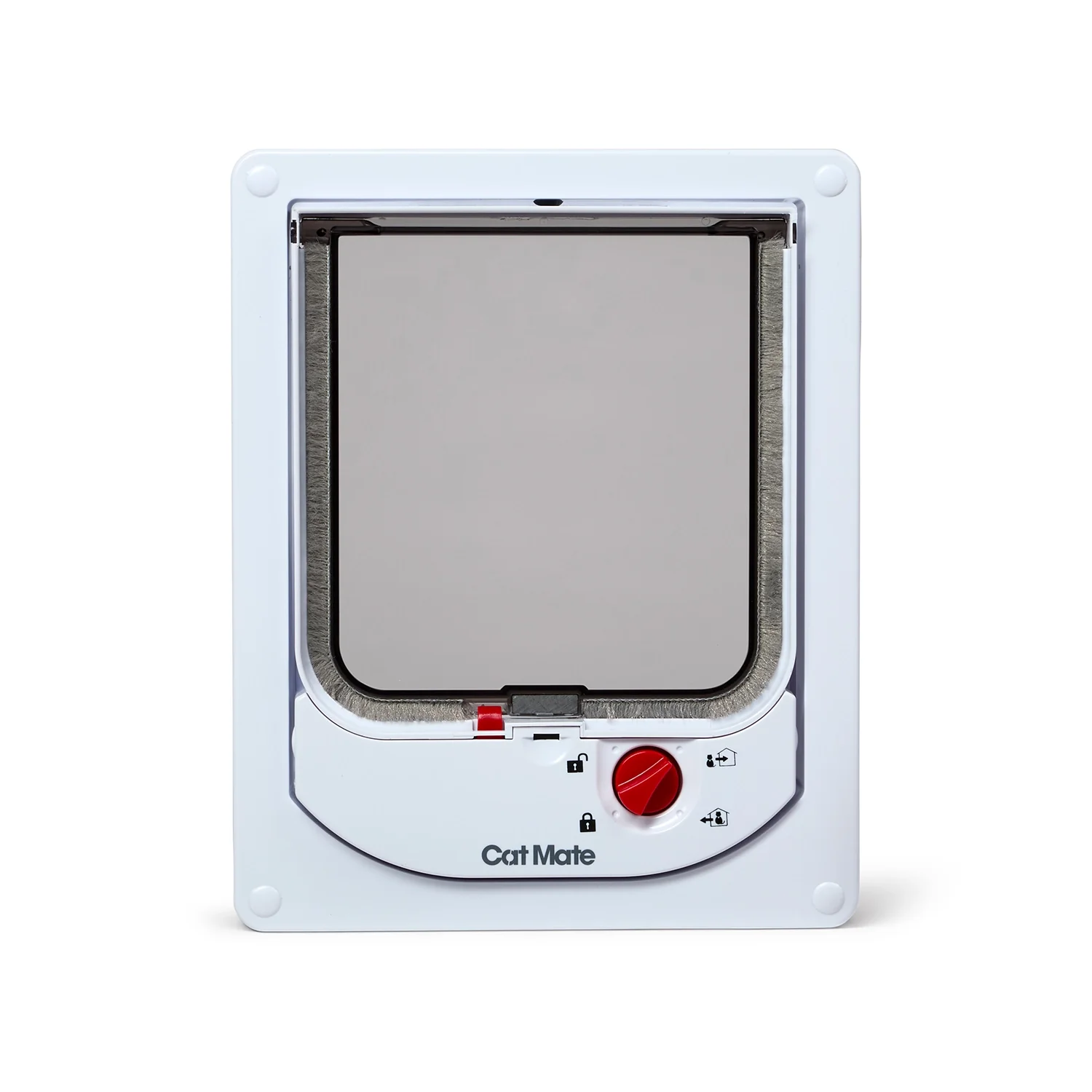
- Cat Mate Electromagnetic Cat Flap
- E-Type Gasket - Black 5m Roll
Conclusion and next steps
Fitting a cat flap in a wooden door is a straightforward job for a competent DIYer or trade professional when proper measurement, tooling and sealing work are applied. After installation verify the flap is weatherproof and secure, and observe your pet's use to confirm the height and operation are correct. For additional options such as microchip flaps, reinforced security models and detailed product selection see our wider pet flap resources at /guides/pet-flaps. If you need help choosing the correct size or a trade-grade cat flap, contact a specialist supplier or a local carpenter for site-specific advice.

Related articles
Rented Property Cat Flap Options: What Landlords Need to Know
Rented Property Cat Flap Options: What Landlords Need to Know Installing a cat flap in a rented property can improve tenant satisfaction but it raises ques...
Replacing uPVC Door Panels with Cat Flap Panels: A Cleaner Solution
Replacing a uPVC door panel with a purpose-made cat flap panel is a practical way to give pets easier access while keeping the rest of the door intact. Whe...
Dog Flap Insulation: Preventing Heat Loss Through Larger Pet Doors
Dog Flap Insulation: Preventing Heat Loss Through Larger Pet Doors Large dog flaps are convenient for owners and pets, but they create a significant therma...