
How to Fit a Thumb Turn Cylinder: Installation Guide
How to Fit a Thumb Turn Cylinder: Installation Guide. A thumb turn cylinder is a practical and secure option for many external and internal doors; it allow...
How to Fit a Thumb Turn Cylinder: Installation Guide. A thumb turn cylinder is a practical and secure option for many external and internal doors; it allows locking and unlocking from the inside without a key while retaining keyed operation from the outside. This post explains how to choose, measure and fit a thumb turn cylinder safely and professionally, with tips geared towards UK homeowners and trade professionals.
Tools and materials required
- New thumb turn euro cylinder (correct length and security rating)
- Screwdrivers: Pozi or flathead to match your fixing screws
- Allen key set for handles or spindle removal
- Measuring tape or ruler
- Graphite lubricant or dry PTFE spray (do not use oil)
- Replacement fixing screw if the existing one is damaged
- Protective gloves and eye protection
- Optional: chisel and small hammer for adjusting escutcheon or door faceplate
When to use a thumb turn cylinder
Thumb turn cylinders are commonly used on residential external doors, back doors and doors where quick exit is needed. They are convenient for families and provide rapid egress in an emergency: no key is required from the inside. They also suit apartments and houses where the inside side may be used frequently while retaining keyed security for visitors.
Choose a thumb turn cylinder where building regulations and leasehold conditions allow; some communal or flat entrance doors may require specific locking arrangements. For external doors, specify a cylinder with suitable security features: anti-snap, anti-drill and anti-pick; look for TS007 3-star accreditation where higher insurance acceptance is required.
Selecting the correct size and specification
Correct sizing is critical for security and functionality. Euro cylinders are measured from the centre of the fixing screw to each end: for example 30/40 means 30mm on the internal side and 40mm on the external side. A typical symmetric cylinder is 35/35. Measure with the existing cylinder in place or measure the door thickness and the projection required for escutcheons and internal thumb turn reach.
- Measure from the centre of the fixing screw to the external face; then to the internal face. Record as internal/external.
- Ensure the external side does not protrude excessively: industry guidance recommends minimal projection, ideally less than 3mm beyond the external escutcheon for anti-snap effectiveness.
- Specify security features: anti-snap, anti-drill pins, anti-pick cam and British Standards where applicable. TS007 3-star cylinders are recommended for external doors to meet many insurer requirements.
Step-by-step installation
- Prepare the door: open it and ensure the handle and lock are in the neutral position. Remove the handle or trim if it obstructs access to the cylinder fixing screw. Some uPVC doors require removing the handle spindle retaining screws first.
- Turn the key or thumb turn slightly so the cam aligns with the body and allows the cylinder to slide out; about 10 to 15 degrees is usually enough. If the cylinder resists, try wiggling the key gently while pulling; do not force it.
- Remove the fixing screw located on the edge of the door; this holds the cylinder in place.
- Slide the old cylinder out carefully. Note cam position and any washers or escutcheon details so you can replace them in the same order.
- Prepare the new thumb turn cylinder: ensure the cam is in the neutral position so it will enter the lock body easily. If the thumb turn is reversible, orientate it for the internal side.
- Insert the new cylinder from the external side, ensuring the thumb turn sits on the internal face. Align so the cam engages the lock mechanism smoothly.
- Secure the cylinder with the fixing screw; tighten until snug but do not over-tighten and distort the cylinder. Refit any handle hardware and test operation.
- Test thoroughly: lock and unlock with a key from the outside and operate the thumb turn from the inside several times; operate the door deadbolt and multipoint lock positions to confirm smooth operation.
Practical trade tips and troubleshooting
- If the cylinder will not slide out: check the key is fully turned to align the cam, and ensure the handle is in the neutral position; for multipoint locks you may need to lift the handle slightly to align gears.
- When replacing a double cylinder with a thumb turn cylinder, consider security: exchanging a double for a thumb turn is usually fine for houses, but flats with communal fire escape routes or shared areas may have different requirements. Always check leasehold or insurance conditions.
- Do not let the cylinder protrude more than necessary: excessive projection creates a weak point for snapping attacks. If the external measurement cannot be reduced, use a high security anti-snap cylinder or add an external escutcheon with anti-drill plates.
- For tradespeople: carry a selection of common lengths and security rated cylinders; many customers require TS007 3-star now for their insurance, so stock these regularly.
- When fitting to timber doors or older frames, check the screw holes and faceplate alignment; slightly misaligned screws can bind the cylinder and cause premature wear.
Maintenance and aftercare
Lubricate the cylinder with a suitable dry lubricant annually or if operation becomes stiff. Avoid oil-based lubricants; use graphite or PTFE aerosol designed for locks. Check escutcheon and fixing screws periodically and re-tighten as needed. If the thumb turn becomes loose, address it immediately to avoid functional failure during an emergency.
Safety and compliance
Always check local building regulations and insurance requirements before altering locks on external doors. For purpose-built flats and communal doors consult the managing agent or landlord; some doors must maintain certain escape or locking characteristics for fire safety and communal security. For high-risk properties specify TS007 or equivalent tested cylinders.
Recommended Products
Based on this article, you may find these products helpful:
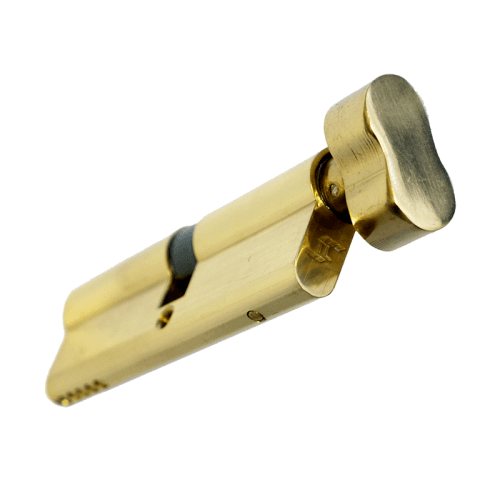
- TL Thumb Turn Euro Cylinder
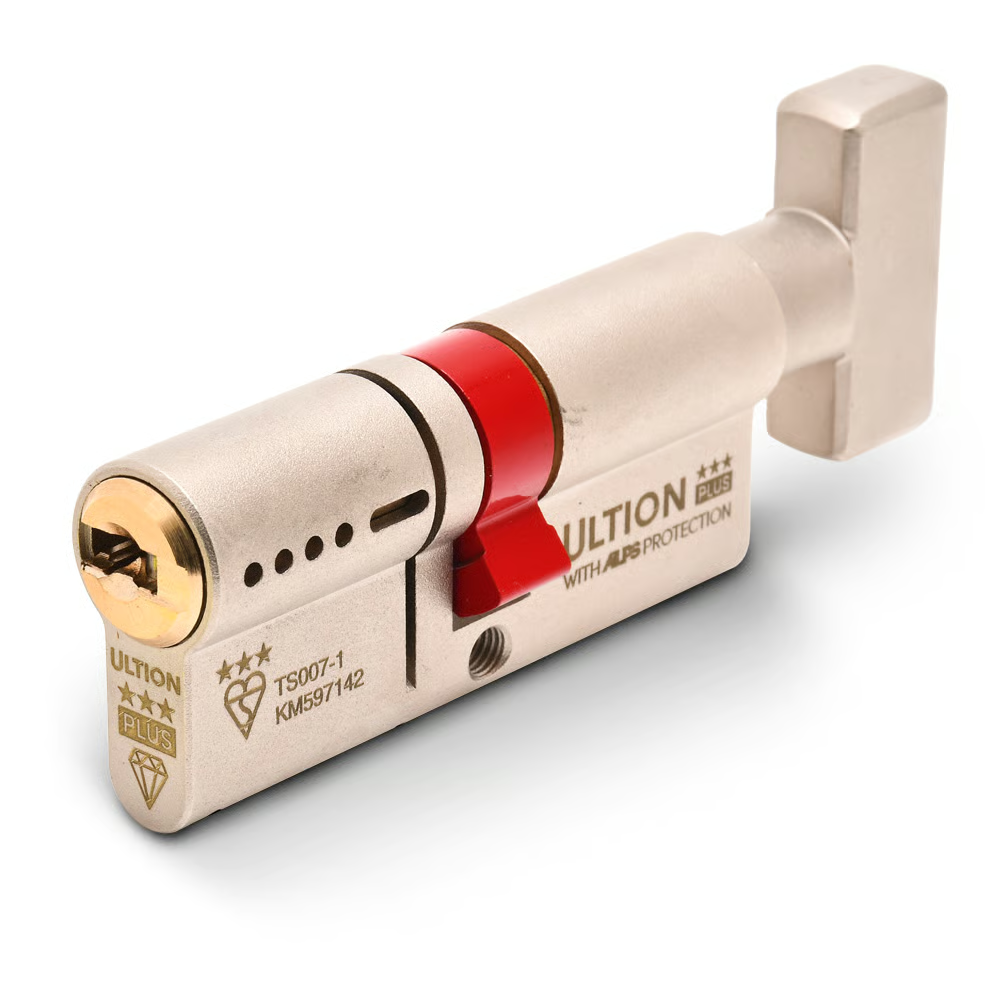
- Ultion Plus TS007 3* Kitemarked Euro Key & Turn Cylinder
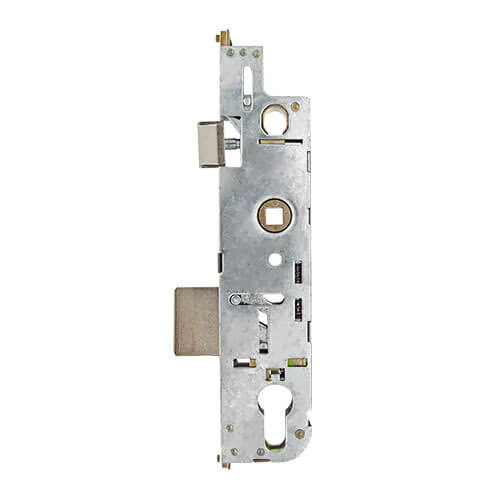
- Multipoint Gearbox GU Old Style
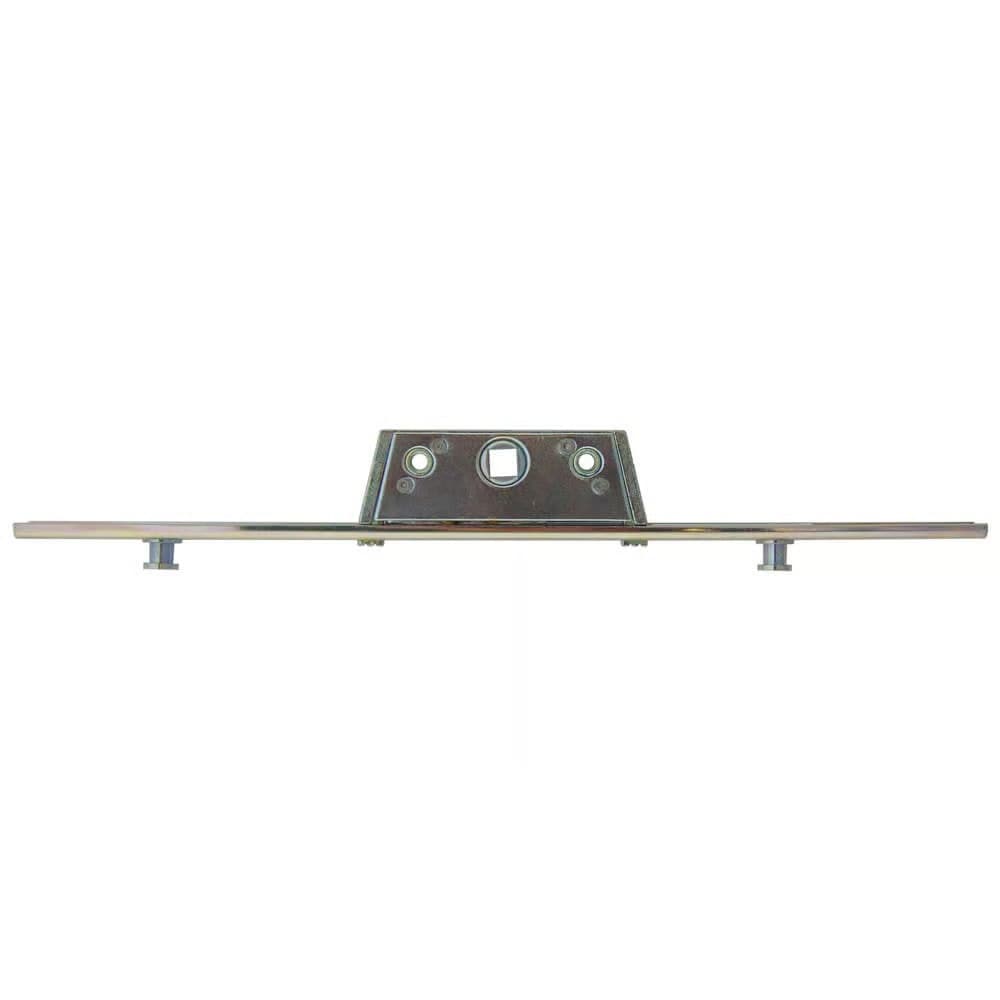
- In-Line Window Mechanism
- Offset Window Mechanism
Conclusion and next steps
Fitting a thumb turn cylinder is a straightforward task for homeowners with basic DIY skills and routine for experienced installers. Correct measurement, choosing the appropriate security rating and careful installation will provide convenience and reliable security. For more on euro cylinder types, sizes and security ratings visit our pillar guide at /c/locks-security. If you require specific advice, replacement cylinders in various lengths or TS007 3-star cylinders, contact our trade counter or book an in-person measurement service.

Related articles
What Is a Thumb Turn Cylinder? Convenience vs Security
What Is a Thumb Turn Cylinder? Convenience vs Security What is a thumb turn cylinder? A thumb turn cylinder is a type of euro-profile lock cylinder that ha...
Thumb Turn Cylinder vs Panic Bar: Exit Options Compared
Thumb Turn Cylinder vs Panic Bar: Exit Options Compared examines two very different approaches to door egress and security. The thumb turn cylinder is a co...
Thumb Turn Cylinder Sizes: Finding the Right Length
Thumb Turn Cylinder Sizes: Finding the Right Length Choosing the correct thumb turn cylinder is vital for security, smooth operation and a neat finish on d...