
How to Identify If You Have an Anti-Snap Cylinder
How to Identify If You Have an Anti-Snap Cylinder Door security in the UK increasingly relies on good quality euro cylinders. If you are a homeowner or a t...
How to Identify If You Have an Anti-Snap Cylinder
Door security in the UK increasingly relies on good quality euro cylinders. If you are a homeowner or a tradesperson fitting doors and hardware, knowing whether a cylinder is anti-snap is essential. Cylinder snapping is a common method burglars use to defeat multipoint locks and gain entry quickly. This post explains how to recognise anti-snap cylinders, practical checks you can carry out, and what to do if your cylinder is not protected.
What is an anti-snap cylinder?
An anti-snap cylinder is a euro profile cylinder that has design features to resist a forced break at the keyway. A conventional cylinder can be pulled or snapped at a weakened section near the outside face of the door; anti-snap cylinders either prevent the snap, localise it to a sacrificial section, or have strengthening elements that stop the attacker from gaining access to the locking cam. Many anti-snap cylinders also offer additional protection against picking, drilling and bumping.
Key markings and standards to look for
- TS007 3-star rating: this is the most commonly recognised indication of anti-snap performance for euro cylinders in the UK. A cylinder with a 3-star TS007 rating is designed to give good resistance to snapping attacks.
- BS EN 1303: a European performance standard for cylinders. It covers durability and strength; while it does not specifically equate to anti-snap protection, it is useful in conjunction with TS007 marking.
- Manufacturer logos and model numbers: reputable brands often mark cylinders with their logo and a model number; you can cross-check these against product data sheets to confirm anti-snap features.
- Sold Secure markings: some high-security cylinders carry Sold Secure ratings; check the product literature to confirm the level of protection offered.
Visual signs of an anti-snap cylinder
Before you remove any hardware, you can often tell a lot by looking at the cylinder from the outside of the door:
- Marked rating: look for a TS007 3-star or other security marking on the face of the cylinder. This is the easiest confirmation.
- Sacrificial section: anti-snap cylinders can be designed with a weaker outer section that will break away while leaving the inner part intact; you might see a faint line or change in profile near the outside end.
- Reinforced barrel or sleeve: some anti-snap cylinders have an additional hardened sleeve or thicker outer layer around the barrel. This can be visible as a thicker face on the external side.
- Restricted keyway or security profile: high-security cylinders often have more complex keyways and visible manufacturer details; shorter or recessed keyways can also indicate better protection.
Simple DIY inspection steps
If you want to carry out a quick inspection at home, follow these practical steps. They require only a torch, a screwdriver and a tape measure.
- Check for markings: shine a torch on the face of the cylinder and look for TS007 or other stamped markings or logos;
- Measure protrusion: use a tape measure to check how far the cylinder protrudes beyond the face of the door; a cylinder that stands proud by more than 3 mm is easier to attack and may require replacement or additional protection;
- Inspect handles and escutcheons: if a cylinder is protected by a robust escutcheon or steel cylinder guard, that can reduce the risk of snapping. Look for visible fixing screws and the quality of the cover plate;
- Document the type: note down the overall length and the centre-to-centre measurement (distance from the fixing screw to each end). This information is essential if you need to order a replacement.
Trade-level checks and removal
For tradespeople or confident DIYers who need to remove the cylinder for a closer inspection, proceed with standard safety practices. You will need a screwdriver and the correct key.
- Align the cam: insert the key and turn it slightly so the cam lines up with the body; this allows the cylinder to slide out;
- Remove the fixing screw: there is a long screw on the edge of the door at the centre line of the cylinder; remove this screw;
- Withdraw the cylinder: pull the cylinder out gently while turning the key as required. If the cylinder is seized, do not force it; investigate further to avoid damage to the multipoint lock;
- Examine the inside: with the cylinder out, you can directly observe any sacrificial break line, internal hardened plates, and the construction of the cam. A protected cylinder will show reinforced steel around the cam and hardened inserts.
What to do if your cylinder is not anti-snap
If your inspection shows a standard, unprotected cylinder, consider the following actions:
- Upgrade to a TS007 3-star cylinder: replacing with a certified anti-snap cylinder is the most straightforward upgrade;
- Ensure correct fitting: measure accurately and fit the replacement flush with the door face; avoid leaving the cylinder proud by more than 3 mm;
- Use a cylinder guard or hardened escutcheon: where it is not possible to replace immediately, a robust cylinder guard can help reduce the risk of snapping; choose a guard that is tested and fixed with long security screws into the door frame;
- Consider additional security: combine an anti-snap cylinder with a reinforced strike plate, quality multipoint lock and laminated or toughened glass where appropriate.
Practical tips for installers and tradespeople
- Check compatibility with multipoint locks: many RTQ multipoint locks need a particular cam position and cylinder length; always confirm before ordering;
- Keyed-alike or master-keyed systems: offer clients the option of keyed-alike cylinders where convenient, but ensure the security rating remains appropriate for the property;
- Keep records: when replacing or upgrading cylinders, note the brand, model and certification so future owners or contractors can quickly verify the protection level;
- Advise on compliance: recommend clients choose at least a TS007 3-star cylinder for external doors, and document the work for insurance and warranty purposes.
Recommended Products
Based on this article, you may find these products helpful:
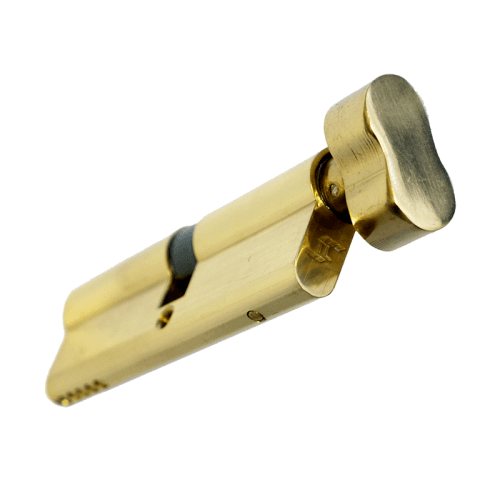
- TL Thumb Turn Euro Cylinder
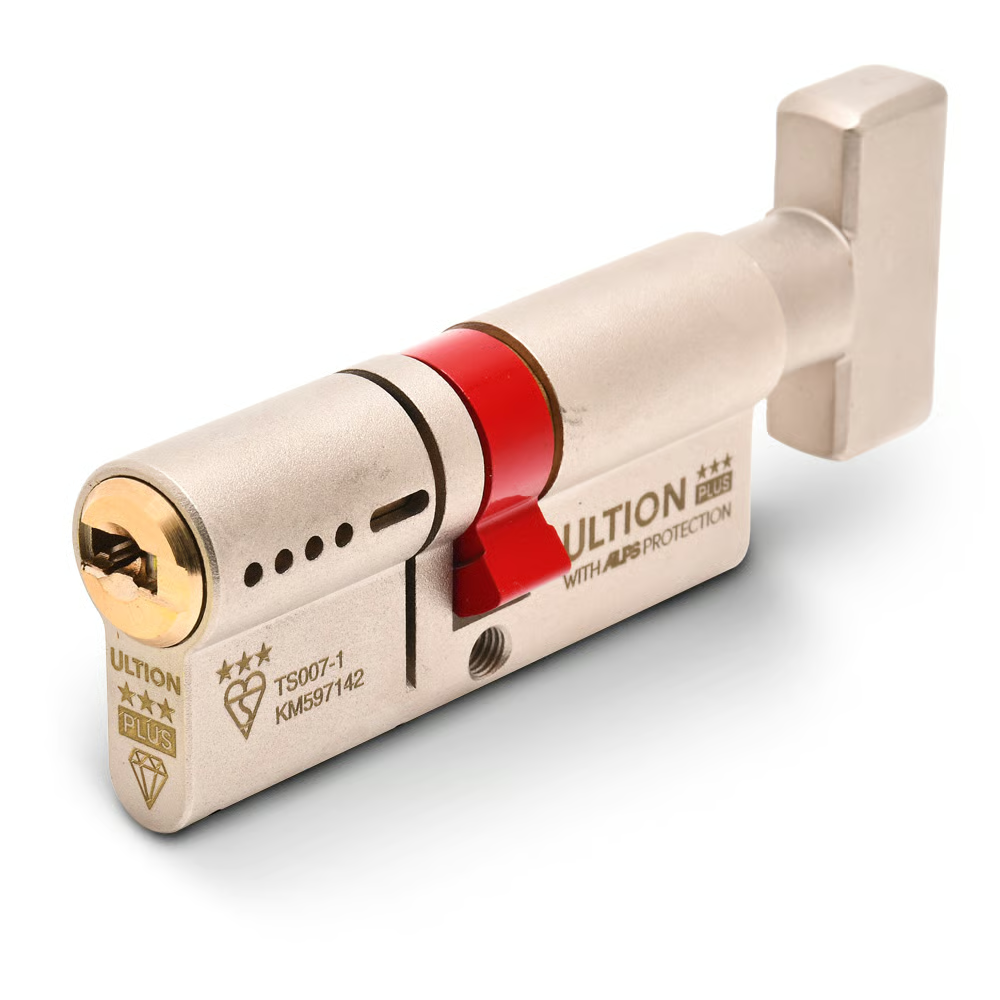
- Ultion Plus TS007 3* Kitemarked Euro Key & Turn Cylinder
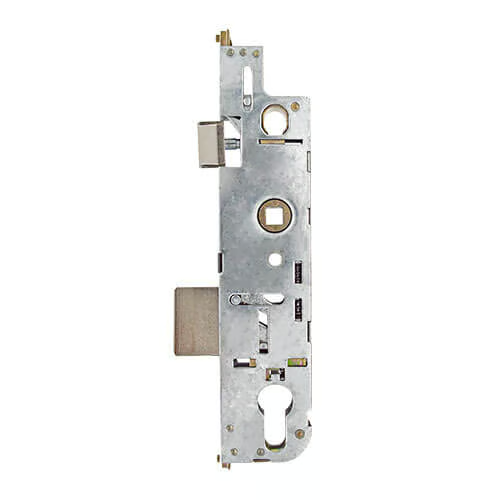
- Multipoint Gearbox GU Old Style
Conclusion and next steps
Identifying whether you have an anti-snap cylinder is a straightforward process: look for TS007 3-star markings, inspect the external face for sacrificial sections or reinforced sleeves, check how far the cylinder protrudes and, if needed, remove the cylinder to inspect construction. For most homeowners the best next step is to replace a non-protected cylinder with a certified anti-snap unit and ensure it is correctly fitted. Tradespeople should check compatibility with the lock case and document ratings for clients.
If you need more technical information on euro cylinders, fittings and compatible hardware, see our pillar resource at /c/locks-security or contact our technical team for specific recommendations and product matching.
Products mentioned in this article
Related articles
What Is a Thumb Turn Cylinder? Convenience vs Security
What Is a Thumb Turn Cylinder? Convenience vs Security What is a thumb turn cylinder? A thumb turn cylinder is a type of euro-profile lock cylinder that ha...
Thumb Turn Cylinder vs Panic Bar: Exit Options Compared
Thumb Turn Cylinder vs Panic Bar: Exit Options Compared examines two very different approaches to door egress and security. The thumb turn cylinder is a co...
Thumb Turn Cylinder Sizes: Finding the Right Length
Thumb Turn Cylinder Sizes: Finding the Right Length Choosing the correct thumb turn cylinder is vital for security, smooth operation and a neat finish on d...