
How to Identify Your uPVC Door Lock Type and Brand
How to Identify Your uPVC Door Lock Type and Brand Knowing exactly what upvc door lock you have will save time, reduce return costs and ensure you buy the ...
How to Identify Your uPVC Door Lock Type and Brand
Knowing exactly what upvc door lock you have will save time, reduce return costs and ensure you buy the correct replacement or spare parts. This post explains what to look for, how to take accurate measurements and how to identify common lock types and brands. The advice is suitable for both DIY-minded homeowners and trade professionals.
Why identifying your upvc door lock matters
uPVC doors use a range of multipoint and single-point lock systems. Buying the wrong cylinder, lock case or keeps leads to poor fit, reduced security and wasted labour. Matching the lock type and brand means you get correct fixings, compatible handles and the right security level: for example TS007 3-star cylinders for anti-snap protection. For trade professionals, correct identification speeds up call-outs and avoids repeat visits.
Tools and preparations
- Screwdrivers: pozidriv and cross head
- Measuring tape or digital calliper
- Phone or camera for photos
- Marker or notepad to note stamped numbers
- Spare gloves and eye protection
Always make sure the door is secured open before working on it. For safety, keep keys to hand and mark components as you remove them so reassembly is straightforward.
Visible clues: what you can see without removal
Start by checking visible items: handle style, cylinder type and faceplate. Common clues include:
- Euro cylinder visible from outside: usually a rounded profile with a keyway. Look for brand engraving on the rim of the cylinder.
- Handle operation: lifting the handle before turning the key suggests a multipoint mechanism; a simple push-door latch that opens with a key is likely single-point.
- Faceplate on the door edge: markings or part numbers are often stamped there; note any printed numbers or brand names.
Removing furniture to inspect the lock case and cylinder
If the visible clues are not enough, remove the handles and escutcheons carefully. Most uPVC handles have a grub screw at the base or under a cover: loosen that screw and pull the handle straight off. To remove a euro cylinder safely, unlock the door and insert the key; turn the key slightly until the cam aligns and withdraw the cylinder retaining screw (on the edge of the door). Then slide the cylinder out. Take photographs of the cylinder ends and the cam for later identification.
Measurements to take
Accurate measurements are essential when ordering spares. Record the following:
- Overall cylinder length in millimetres and the split (for example 30/40). Measure from the outside face to the centre screw, then from the centre screw to the inside face.
- Backset: distance from the faceplate to the centre of the handle spindle or cylinder.
- Centres: distance between the handle spindle and the cylinder centre; common is 92mm on many multipoint systems but always measure to confirm.
- Case depth and overall lock case length: measure the visible faceplate length and the depth of the lock body inside the stile where possible.
How to identify the lock type by components
Common upvc door lock mechanisms and how to recognise them:
- Multipoint espagnolette with hooks: when the handle is lifted, hook-shaped bolts engage in the frame keeps. The faceplate will usually show several locking points along its vertical length.
- Multipoint with rollers: small round rollers instead of hooks; often quieter and used on some French doors.
- Deadbolt or shootbolt: a square or rectangular bolt thrown by the key; usually for single-point locks.
- Thumbturn cylinder: inside has a thumbturn knob instead of a keyhole; useful for internal security and quick exit.
Note the number and shape of locking points: two or three hooks plus a deadbolt is a common arrangement on modern front doors; older systems may use a single latch and deadbolt only.
Brand identification tips
Most manufacturers stamp or etch part numbers and logos on the cylinder rim, faceplate or inside the lock case. Common uPVC brands you may see include Yale, Winkhaus, Fuhr, GU, AGB, Mila and ERA. Steps to identify the brand:
- Photograph any stamped text and type it into a search engine or email it to a supplier; part numbers usually match catalogues exactly.
- Check the key or original paperwork: some keys have branding on the bow.
- If the cylinder has security features such as anti-snap design or a TS007 kitemark, the brand or rating is often near the keyway.
- For trade users: open the lock case and look for a manufacturer’s logo or a short numeric code on the gearbox; these are the quickest identifiers.
Common mistakes and how to avoid them
Avoid these pitfalls when identifying an upvc door lock:
- Assuming all cylinders are the same: length and cam position vary and must match.
- Ordering by colour only: finish (brass, silver, black) does not guarantee compatibility with the mechanism.
- Removing the cylinder when the door is locked; you may break the cam or damage the case. Always have the door unlocked and the key turned to align the cam before removal.
When to call a locksmith or trade supplier
If you cannot identify stamped numbers or the mechanism appears damaged, contact a reputable locksmith or your trade supplier. For businesses, bring photos and measurements; for homeowners, a locksmith can quickly identify make and model on-site and advise on suitable replacements that meet British Standard security requirements. If you need replacement parts, consult our pillar resource for more technical information: /guides/door-locks.
Recommended Products
Based on this article, you may find these products helpful:
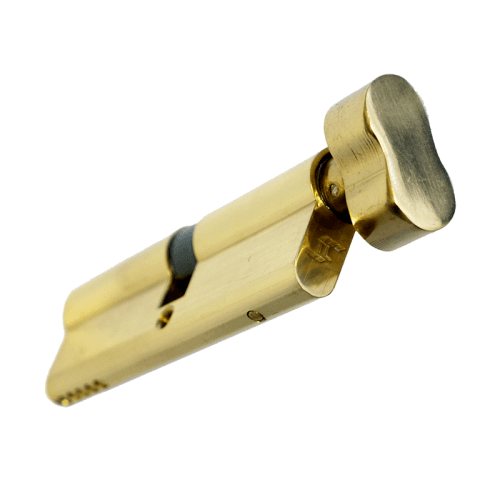
- TL Thumb Turn Euro Cylinder
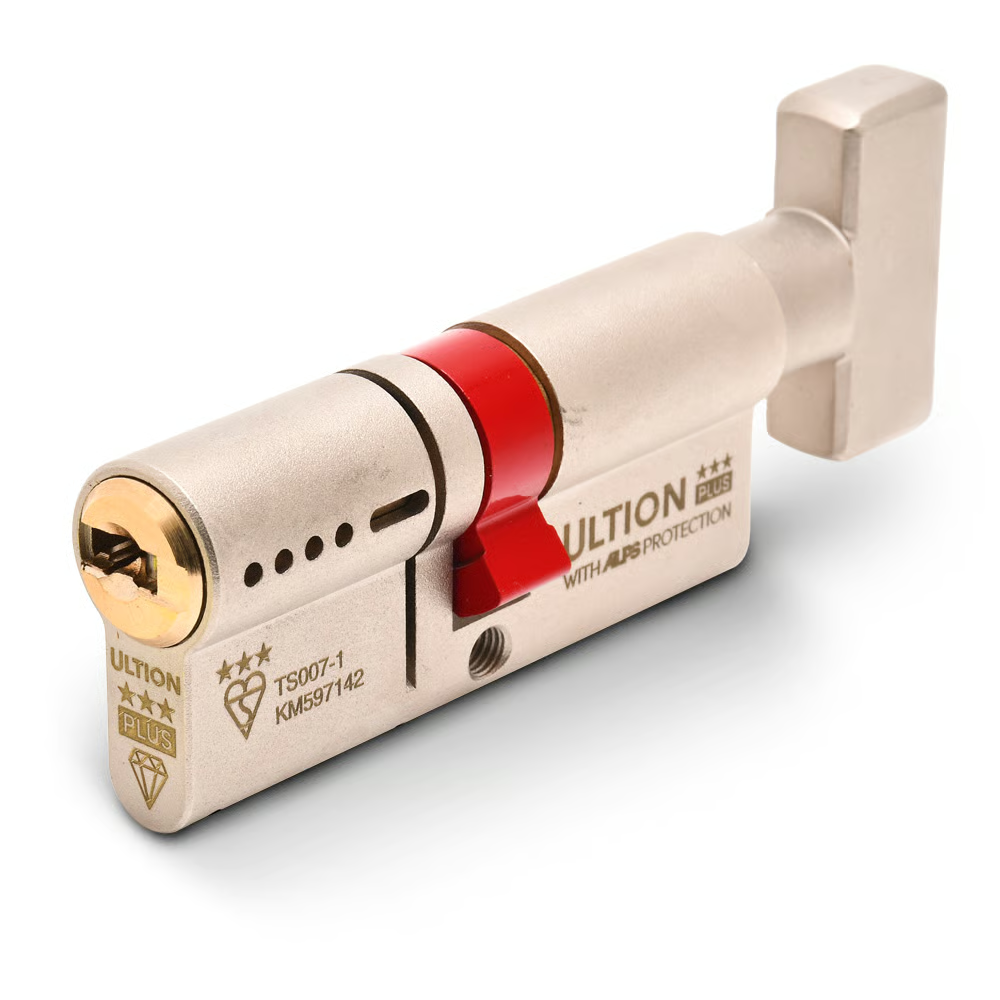
- Ultion Plus TS007 3* Kitemarked Euro Key & Turn Cylinder
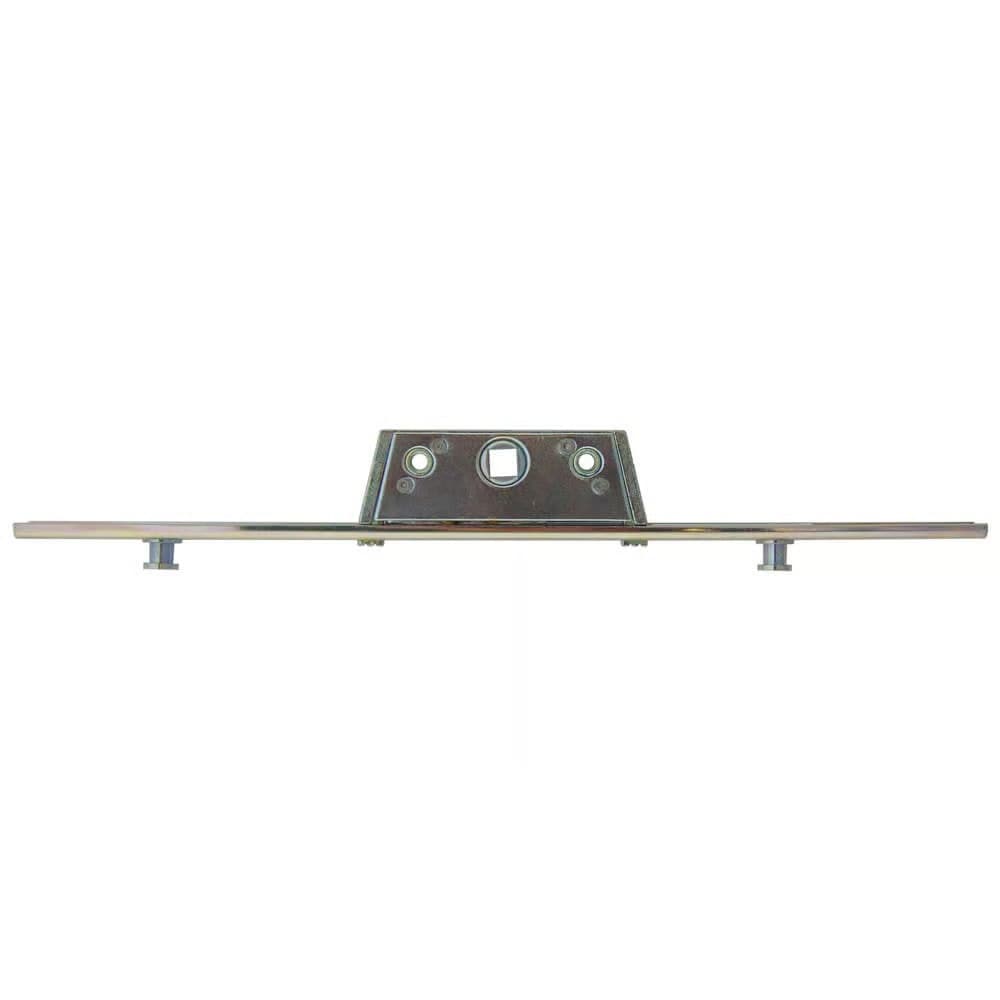
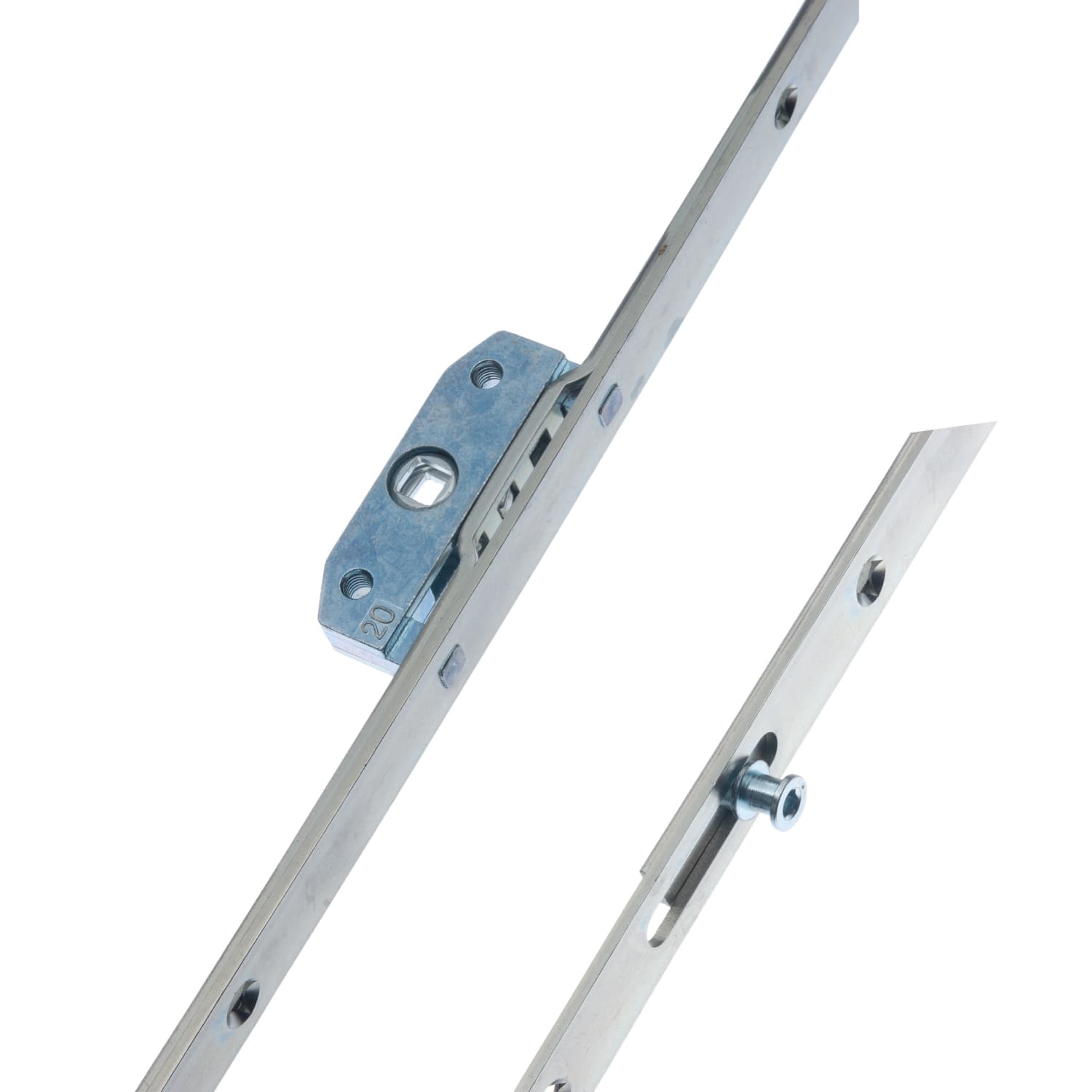
- ERAB Espagnolette Window Lock Universal Lock Replacement
- Avocet Slimline Offset Window Espag
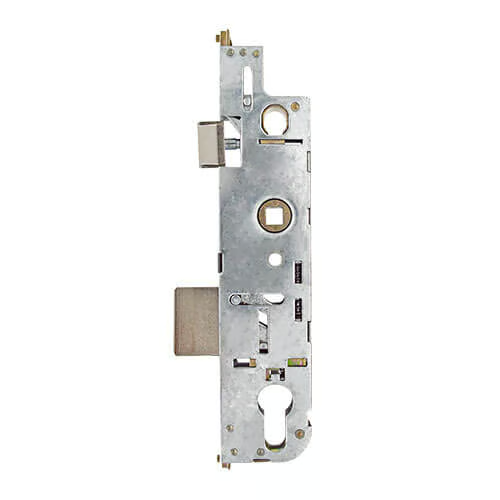
- Multipoint Gearbox GU Old Style
Conclusion and next steps
Identifying your upvc door lock involves simple observation, measured dimensions and checking for stamped branding. Start with visible clues, remove handles and cylinders carefully to inspect markings, and record accurate measurements before ordering parts. If you are unsure or the lock is damaged, contact a qualified locksmith or trade supplier with photos and measurements to ensure the correct replacement. For further technical articles and part guides, visit our main door locks hub at /guides/door-locks.
Related articles
uPVC Door Lock Maintenance: Keep Your Lock Working Smoothly
uPVC Door Lock Maintenance: Keep Your Lock Working Smoothly A well maintained upvc door lock reduces call-outs, keeps a property secure and extends the lif...
Hook Lock Sizes and Compatibility: Matching Your Existing Lock
Hook Lock Sizes and Compatibility: Matching Your Existing Lock Replacing a hook lock can be straightforward if you know what to measure and what to check f...
Replacing Individual Hook Locks vs Full Multipoint Mechanism
Replacing Individual Hook Locks vs Full Multipoint Mechanism Deciding whether to replace a single hook lock or the entire multipoint mechanism is a common ...