
How to Maintain Hook Locks for Longer Life
How to Maintain Hook Locks for Longer Life Hook locks are a common choice for uPVC, aluminium and composite doors because they offer high security and smoo...
How to Maintain Hook Locks for Longer Life
Hook locks are a common choice for uPVC, aluminium and composite doors because they offer high security and smooth operation; however, like all mechanical hardware they need regular care. This post gives practical trade and DIY advice to help homeowners and installers extend the life of hook locks, avoid common faults and keep doors operating reliably.
What is a hook lock and where it is used
A hook lock is a form of multipoint locking gear that uses one or more hooked cams or hooks to engage keeps on the door frame when the handle is lifted and the key is turned. You will find them on French doors, patio doors and many external entrance doors. The hooks draw the door tightly to the frame, improving security and sealing against drafts; they differ from straight bolts because the hook shape resists levering and forces the keepers together.
Why regular maintenance matters
Neglect allows dirt, grit and old lubricant to build up inside the mechanism; this increases wear, can make the handle stiff and may eventually jam the lock. Corrosion and loose fixings reduce security and can distort keeps so hooks do not engage properly. Routine maintenance prevents premature failures and reduces call-outs for replacement gear.
Recommended maintenance schedule
- Inspect visually every 3 months in coastal areas; every 6 months inland.
- Lubricate moving parts every 6 to 12 months: frequency depends on use and environment.
- Replace worn keeps, faceplates or screws as soon as play or deformation is noticed.
Tools and supplies you will need
- Soft brush and cloths; cotton buds for tight spaces
- Spray silicone or PTFE lubricant: low-viscosity, non-oil based products are preferred
- Graphite powder or specialist cylinder lubricant for euro cylinders
- Small Phillips and flat screwdrivers; Torx/hex keys if required
- Light machine oil only for keyed cylinders if manufacturer recommends it
- Replacement stainless steel screws or keeps for upgrades
Step-by-step maintenance: quick service (no stripping)
- Open the door and operate the handle several times to identify stiffness, snatching or unusual noises.
- Wipe external surfaces and faceplates to remove grit and grime; use a mild detergent and water for uPVC or aluminium frames.
- Brush out the hook recesses and frame keeps to dislodge debris; a soft brush or compressed air works well.
- Spray a small amount of silicone/PTFE lubricant into the lock edge and around visible hooks and runners: avoid aerosol oils that attract dirt.
- Operate the handle and key repeatedly to work the lubricant through the mechanism; wipe away excess to stop it collecting dust.
- Apply graphite powder sparingly into the keyway if the cylinder is sticking; do not use liquid oil in the cylinder unless recommended by the manufacturer.
Deeper service: removing and checking the lock case
For trade professionals or competent DIYers: if the lock is noisy, the hooks are not fully engaging or there is visible wear, remove the handles and unscrew the lock case for inspection. When you do this:
- Note the lock orientation and centre distance; take photos before removal so reassembly is correct.
- Check the hook tips and cam faces for wear; rounded or flattened surfaces will need replacement.
- Inspect the gearbox and springs inside the lock case; replace any fatigued springs or badly worn components.
- Check the keeps on the frame: loose or distorted keeps can cause misalignment and rapid wear of the hooks.
- Replace any corroded or stripped screws with stainless steel equivalents to prevent future loosening.
Lubricant advice: what to use and what to avoid
Use a silicone or PTFE spray for the moving metal parts of a hook lock. These lubricants resist dust build-up and provide smooth action. For the cylinder, use graphite powder or a specialist cylinder lubricant; liquid oils can transfer dirt into the keyway.
Avoid WD-40 and heavy grease on moving locking gear: WD-40 is a solvent and short-term cleaner but it displaces protective lubricants and can dry to a sticky residue; heavy greases attract grit and cause binding. Also avoid petroleum-based sprays on uPVC seals as they can cause swelling or degradation.
Alignment and adjustment tips
- If hooks are scraping the frame or not catching, first check that the hinges and adjustable keeps are correctly set; many keeps have adjustment screws for fine tuning.
- For doors that have settled, raise or lower the sash via hinge adjustment to improve engagement; Door Hardware trade tools such as hex keys and torque screwdrivers are helpful.
- Ensure the spindle and handle set screws are tight; loose handles increase wear on the gearbox.
- Do not overtighten faceplate screws into soft frames; use appropriate length and thread type to avoid splitting uPVC profiles.
When to replace rather than repair
Replace the hook lock or components if you find any of the following: significantly worn hook tips; fractured or missing springs; bent lock case; seized gearbox; or if the cylinder shows excessive axial play. If the frame keep is distorted beyond realignment, replace it rather than forcing the lock; a poorly aligned keep will shorten the life of any new lock.
Common mistakes to avoid
- Using heavy grease on hook locks: causes dirt build-up and binding.
- Applying oil into the key cylinder: attracts grime and can gunk the tumblers.
- Failing to tighten loose screws: movement increases wear and may lead to security failures.
- Ignoring minor misalignment: small issues grow quickly and lead to costly replacements.
Professional tips for installers
- Record centre distance, faceplate size and hook type when replacing locks to ensure accurate matching.
- Use stainless or coated fixings in coastal installations to resist corrosion.
- Keep a stock of common replacement keeps and springs; this reduces call-out times for customers.
- Offer customers a simple maintenance check schedule and a small maintenance kit: silicone spray and graphite powder maintain service intervals and improve customer satisfaction.
Recommended Products
Based on this article, you may find these products helpful:
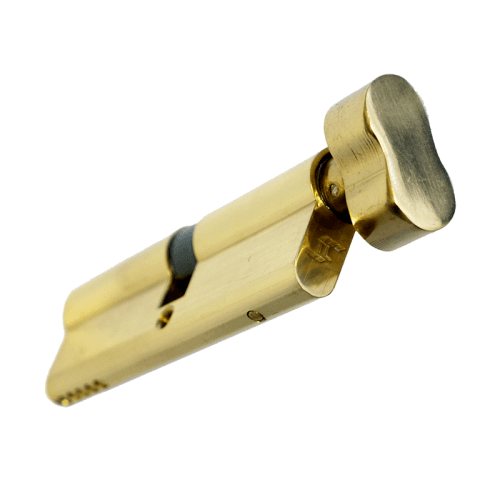
- TL Thumb Turn Euro Cylinder
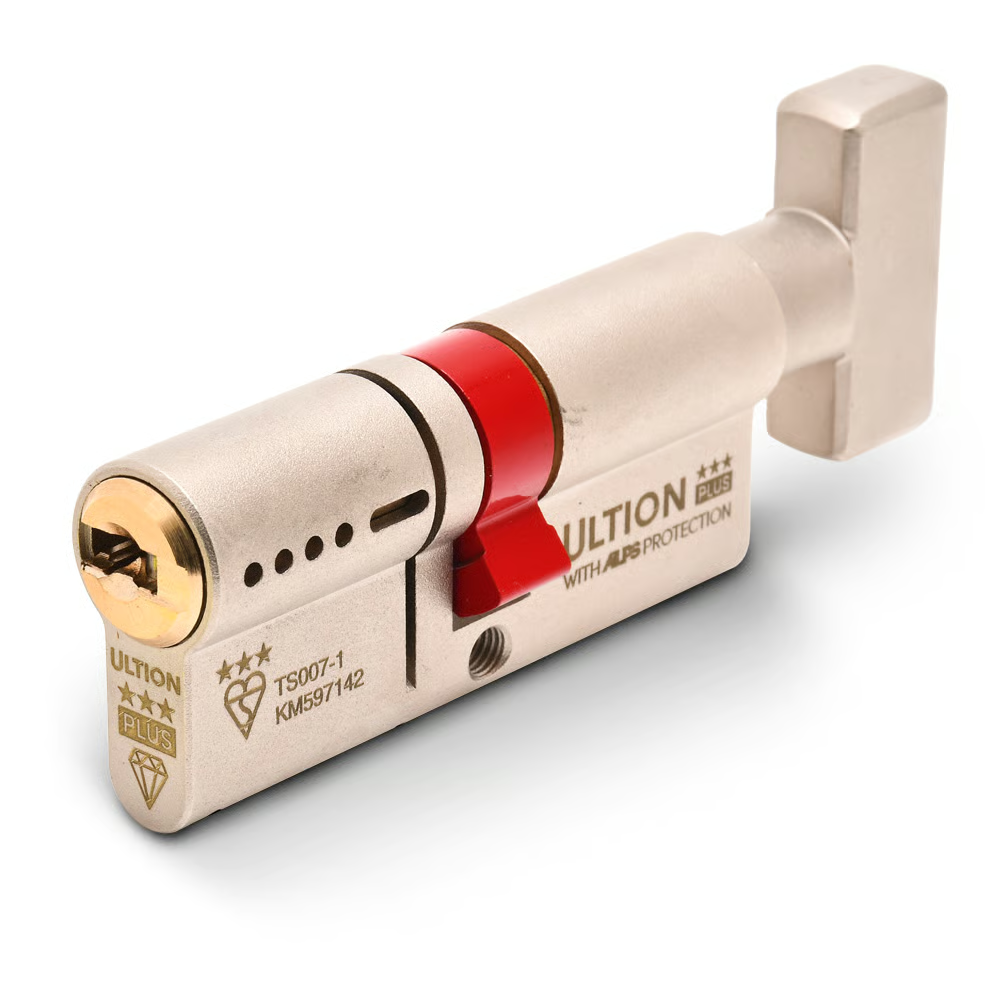
- Ultion Plus TS007 3* Kitemarked Euro Key & Turn Cylinder
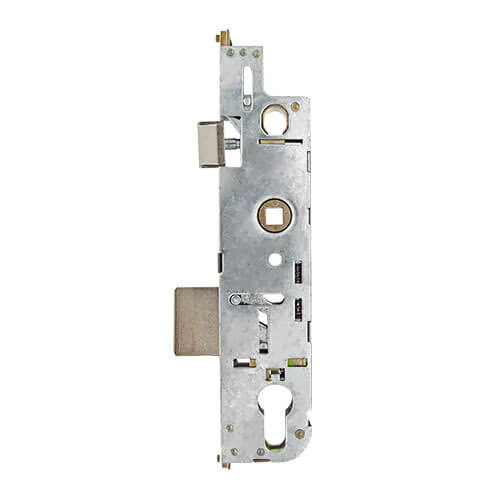
- Multipoint Gearbox GU Old Style
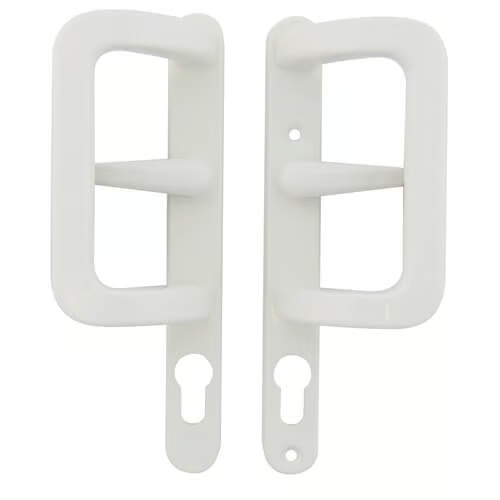
- Patio Door Handle Set - 92PZ White
- Winlock Patio Door Handle Set
Conclusion and next steps
Regular inspection, correct lubrication and prompt correction of alignment issues will extend the service life of a hook lock and maintain security. For most homes a six to twelve month service interval is sufficient; increase frequency in harsh or coastal environments. If you are unsure about removing the lock case or replacing components, contact a qualified locksmith or installer.
Need parts or professional-grade lubricants? Visit our door locks guide at /guides/door-locks or contact Window Hardware Store for suitable hook lock replacements, keeps and trade advice.
Related articles
uPVC Door Lock Maintenance: Keep Your Lock Working Smoothly
uPVC Door Lock Maintenance: Keep Your Lock Working Smoothly A well maintained upvc door lock reduces call-outs, keeps a property secure and extends the lif...
Hook Lock Sizes and Compatibility: Matching Your Existing Lock
Hook Lock Sizes and Compatibility: Matching Your Existing Lock Replacing a hook lock can be straightforward if you know what to measure and what to check f...
Replacing Individual Hook Locks vs Full Multipoint Mechanism
Replacing Individual Hook Locks vs Full Multipoint Mechanism Deciding whether to replace a single hook lock or the entire multipoint mechanism is a common ...