
How to Measure a uPVC Door Lock for Replacement
How to Measure a uPVC Door Lock for Replacement Why accurate measurement matters Replacing an upvc door lock requires more than matching the look of the ol...
How to Measure a uPVC Door Lock for Replacement
Why accurate measurement matters
Replacing an upvc door lock requires more than matching the look of the old unit: the new lock must align precisely with the door and with the keeps on the frame. Incorrect measurements lead to misaligned keeps, poor security, or a lock that will not operate smoothly. Whether you are a trade professional fitting multiple doors each week or a homeowner doing a one-off replacement, accurate measurement saves time, prevents return trips, and protects the door's weatherseal and security performance.
Tools you will need
- Tape measure (metric) and a 150mm steel rule for accuracy
- Calipers or a small vernier for finescale measurements
- Crosshead and flat screwdrivers
- Marker pen and masking tape
- Torx set for some multipoint fittings
- Camera or phone to photograph the existing lock and keeps
Key measurements to take
Focus on a small set of critical measurements. Take each one carefully and record it. Photograph the lock case and the faceplate before removing anything; this helps when ordering an identical replacement.
- Backset: measure from the front face of the lock faceplate to the centre of the spindle or keyhole. This is often 35mm or 45mm on uPVC doors; do not assume, measure.
- PZ or cylinder to spindle distance: measure from the centre of the euro cylinder to the centre of the handle spindle. Common PZ measurements on uPVC are 92mm and 62mm; confirm your door.
- Case depth and case height: measure the body of the lockcase from front to back and top to bottom. Case dimensions determine whether a replacement case will fit into the existing mortice.
- Faceplate length and width: take the visible faceplate measurements on the door edge. Note the faceplate shape: rounded or square corners.
- Keep positions: for multipoint locks, record the vertical distances from the top of the lockcase to each striker plate on the frame. Measure the distance between keep centres and the projection of shootbolts.
- Handing and latch direction: note whether the door is left or right handed and whether it opens inwards or outwards; also check whether the latch is reversible or fixed.
- Spindle length and handle type: measure the existing spindle length through the door thickness, and note whether the handle uses a square spindle or a bespoke grip.
Step-by-step measurement procedure
- Mark the door: place masking tape on the face of the door and label where each measurement is taken. This avoids errors when you refer to notes later.
- Measure the backset: with the door closed and the latch in the closed position, place the tape at the front faceplate and extend to the centre of the spindle or cylinder. Record to the nearest millimetre.
- Measure PZ: measure from the centre of the euro cylinder to the centre of the spindle. If the cylinder is asymmetric, note the off-set lengths left and right for ordering a profile cylinder with the correct overhang.
- Case dimensions: open the door and remove the handle fixings, then remove the cylinder if needed to allow you to withdraw the lockcase. Measure body depth, height and the distance between fixing holes.
- Measure faceplate: measure the visible plate on the door edge including any screw hole centres. Note whether the faceplate is 16mm or 20mm wide; many euro multipoint systems use a 16mm faceplate, but check yours.
- Record keep positions: close the door and mark the positions of keeps on the frame. Measure the vertical spacing from a fixed reference such as the top of the door or the centre of the lockcase to each keep centre.
- Photograph and label: take clear photos of both door faces and the frame; label them with your recorded measurements for reference at the supplier or when ordering online.
Trade tips and common pitfalls
- Do not assume standard sizes: many installers find PZ 92mm is common, but older doors and some manufacturers used 62mm or other variants; always measure first.
- Check for anti-snap and anti-bump features: if replacing only the cylinder, consider upgrading to an anti-snap euro cylinder for improved security; record required cylinder overhang so keys operate without binding.
- Beware of worn keeps: if keeps are distorted, swapping a new lock into an old, damaged keep will show issues; consider replacing or adjusting keeps at the same time.
- Note gearbox type: multipoint gearboxes differ between manufacturers; match the gearbox style and the clutch or roller cam arrangements where possible to avoid compatibility issues with existing handles and cylinder cams.
- Don’t use penetrating oil on mechanism internals: use a light silicone spray or suitable lock lubricant on the mechanism; avoid WD-40 as a long-term lubricant.
- For trade orders: provide photographs, a sketch with measurements, and the existing lock brand and part numbers where possible; this saves time in matching parts.
DIY removal and measuring safety
If you are comfortable with basic DIY, removing the handle and cylinder to measure will give the most accurate data. Always keep the door supported when removing multipoint locks; releasing the top and bottom bolts suddenly can cause movement and damage the frame. If you are unsure, stop and contact a qualified locksmith or your supplier for advice.
Ordering replacements
When ordering an upvc door lock, give your supplier the backset, PZ measurement, case dimensions, faceplate measurements, handing, and photos. For euro cylinders include the left and right overhang if asymmetric. For multipoint systems, include the spacing of top and bottom hooks or shootbolts and the position of keeps. If you are a trade buyer, include manufacturer codes and part numbers where known; this speeds up fulfilment.
Recommended Products
Based on this article, you may find these products helpful:
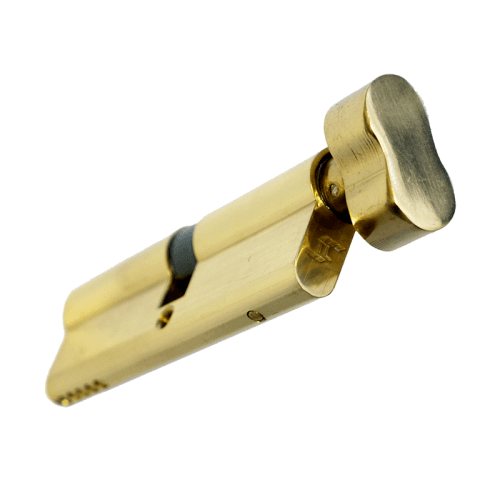
- TL Thumb Turn Euro Cylinder
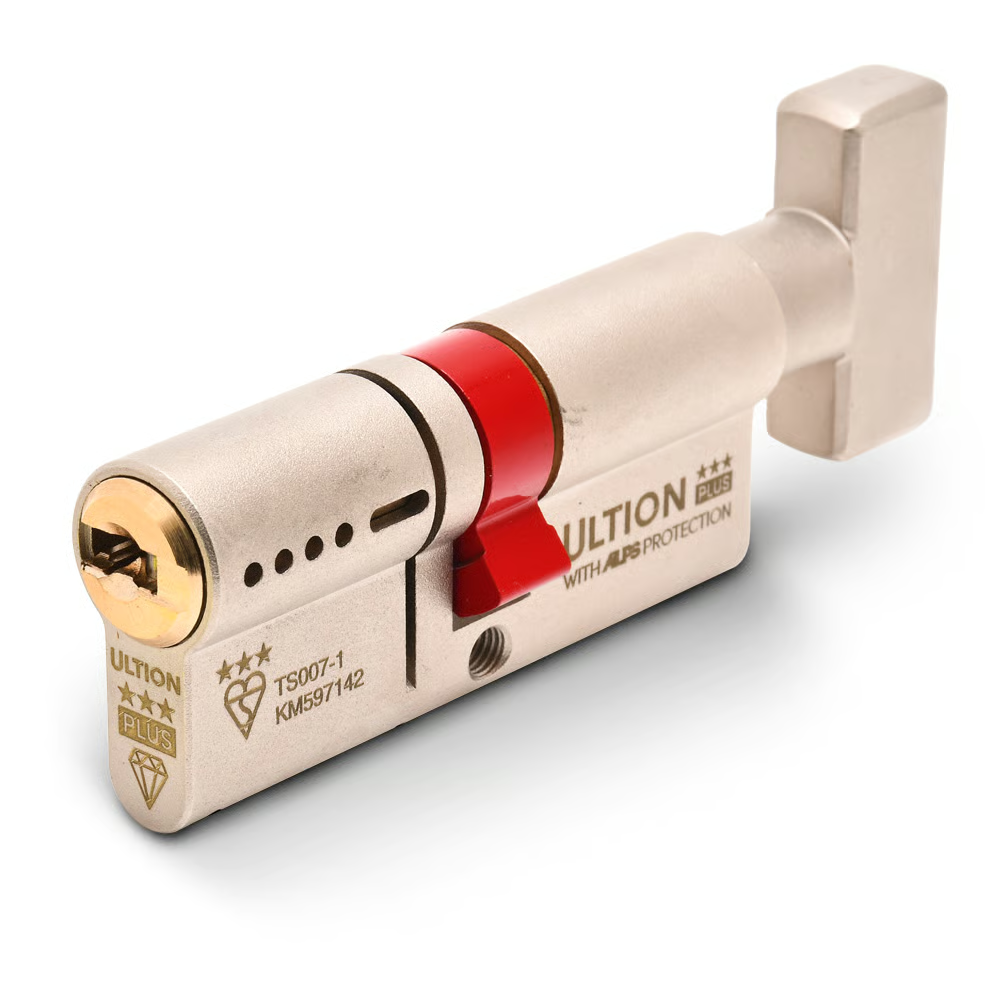
- Ultion Plus TS007 3* Kitemarked Euro Key & Turn Cylinder
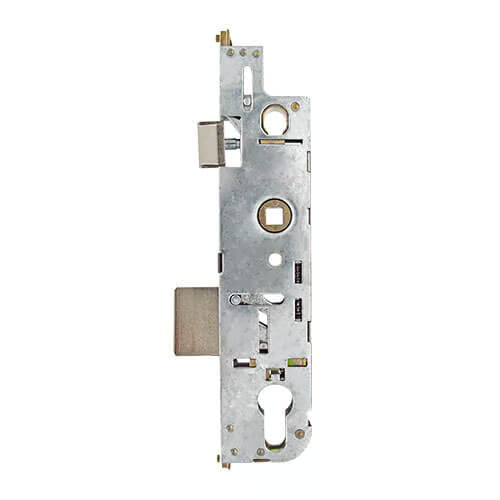
- Multipoint Gearbox GU Old Style
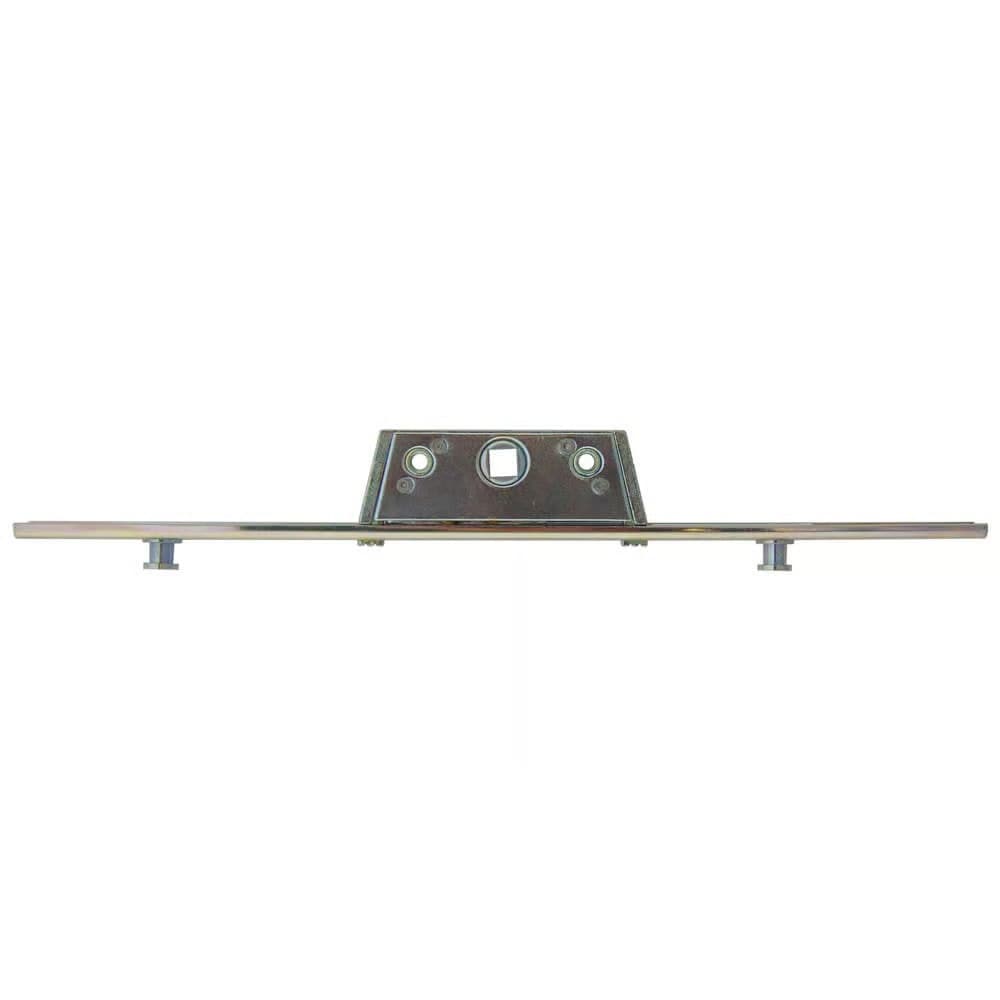
- In-Line Window Mechanism
- Offset Window Mechanism
Conclusion and next steps
Measuring a uPVC door lock accurately prevents costly mistakes and ensures the replacement unit will fit and function correctly. Record backset, PZ, case and faceplate dimensions, spindle length, handing and keep positions; photograph the current setup. Next steps: order the matched part from a reputable supplier, test-fit before final screw-up, lubricate appropriately, and check operation of the door and cylinder through its full travel. If any measurement or fit looks uncertain, contact a locksmith or our trade desk for assistance before cutting or filing the door frame.

Related articles
uPVC Door Lock Maintenance: Keep Your Lock Working Smoothly
uPVC Door Lock Maintenance: Keep Your Lock Working Smoothly A well maintained upvc door lock reduces call-outs, keeps a property secure and extends the lif...
Hook Lock Sizes and Compatibility: Matching Your Existing Lock
Hook Lock Sizes and Compatibility: Matching Your Existing Lock Replacing a hook lock can be straightforward if you know what to measure and what to check f...
Replacing Individual Hook Locks vs Full Multipoint Mechanism
Replacing Individual Hook Locks vs Full Multipoint Mechanism Deciding whether to replace a single hook lock or the entire multipoint mechanism is a common ...