
How to Measure for a Multipoint Door Lock Replacement
How to Measure for a Multipoint Door Lock Replacement Replacing a multipoint door lock requires accurate measurements if you want the new mechanism to fit ...
How to Measure for a Multipoint Door Lock Replacement
Replacing a multipoint door lock requires accurate measurements if you want the new mechanism to fit and operate correctly. Whether you are a trade professional ordering for a client or a competent DIYer tackling your own front door, this post explains what to measure, how to measure it and practical considerations to avoid common mistakes. The instructions cover uPVC, composite and timber doors typical in the UK market.
Prepare and check before you start
Remove any loose items from around the door and make sure it is supported; heavy doors may shift when furniture is removed. Gather these essential tools before you begin: a metric tape, a set of feeler gauges or calipers, a 3mm allen key, a set of screwdrivers including Pozi and Torx, a marker and a camera to photograph existing parts.
- Work safely: support the door if you are removing long screws or heavy trim.
- Keep all fixings and spacers together and label them; manufacturers often reuse specific packers.
- If the lock is faulty and the door will not open, call a locksmith rather than forcing the mechanism.
Key dimensions to measure
Get precise metric measurements; suppliers will ask for millimetres. Measure each item twice and record clearly.
- Backset: distance from the front edge of the faceplate to the centre of the spindle or keyhole. Common UK backsets include 35mm and 45mm; record the exact number.
- Centres (PZ): distance between the handle spindle centre and the centre of the euro-cylinder. The most common PZ is 92mm on modern doors; note the exact measurement.
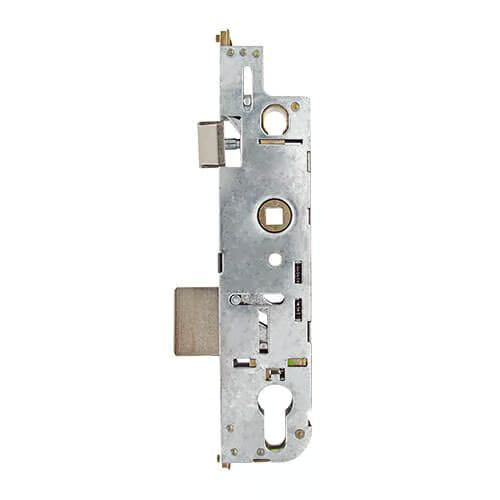
- Case height and depth: measure the vertical length of the lock case if accessible and the depth from the faceplate to the back of the case. Record depth to confirm compatibility with the door thickness.
- Faceplate dimensions: length and width of the faceplate visible on the door edge. Some faceplates are narrow; others are long and extend above and below the main case to accommodate additional locking points.
- Door thickness: measure from one face to the other where the lock sits. Typical front doors are 44mm to 48mm; timber doors can be thicker. This determines cylinder length and spindle requirements.
- Distance from top and bottom of door: if locking points mount along the edge, note where the top and bottom locking points are positioned relative to the door edges so strikers can be matched.
How to measure the cylinder and spindle correctly
Remove the euro cylinder if possible; the retaining screw is on the faceplate at the door edge. Measure the cylinder from the central fixing hole to each end in millimetres; record both sides separately. Ideally the cylinder should protrude no more than 2 to 3mm beyond the external furniture for security and insurance compliance; if it does protrude, order a shorter cylinder or choose a security cylinder with anti-snap features.
Measure the handle spindle: most modern multipoint locks use an 8mm square spindle, though some older sets use 7mm. Check whether the spindle is sprung; a sprung spindle helps return handles and aid locking operation. Note the spindle length and whether it is stepped or plain.
Check the type and number of locking points
Count the number of locking points: top and bottom hooks, rollers, deadbolts and central latch. Note the type of main locking points; hook bolts are common on composite doors for lateral pulling resistance, while rollers are used for compression and ease of closing. When replacing, match the type of locking point to the door furniture and keeps; swapping a hook for a roller without altering keeps will cause poor locking and alignment issues.
- Note whether locking points are reversible or handed; many modern multipoint locks are reversible but confirm before ordering.
- Photograph the lock face and locking points; a clear image speeds up identification if you contact a supplier.
Faceplate and keep alignment
Measure where the deadbolt and hooks engage in relation to the door frame. For each locking point, record the distance from a fixed reference on the door edge such as the top of the faceplate. Keep positions must line up with strikes in the frame; when replacing a multipoint door lock, you may need to adjust frame keeps rather than the new lock. If keeps are adjustable, note current adjustments so you can match them.
Practical trade tips and DIY advice
- Bring the old lock to the supplier where possible; matching physical parts eliminates mistakes. If removal prior to purchase is not possible, photos with a ruler next to the lock help.
- Order a full replacement kit rather than individual parts unless you are certain of compatibility; kits include rods, gearbox and faceplate suited to the lock type.
- Allow small tolerances: it is safer to order a lock with an adjustable cam or striker plates than to force fit a mismatched case.
- For trade installers: use calipers to confirm backset and PZ to 0.5mm accuracy; this avoids returns and refits on site.
- Record cylinder code and keying information if you want locks keyed alike across multiple doors; suppliers can cut to code if provided.
Common pitfalls to avoid
Do not assume all multipoint locks use the same centres or backsets; different manufacturers have different standards. Avoid ordering a new lock based only on door type; measure the actual existing lock. Do not fit a cylinder that protrudes excessively; this is a known security weakness. Finally, if the door is warped or old, alignment problems could persist even with a new lock; check frame condition and adjust keeps or re-bore if necessary.
Recommended Products
Based on this article, you may find these products helpful:
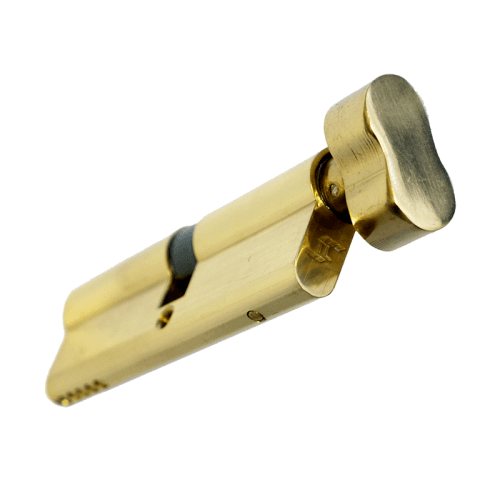
- TL Thumb Turn Euro Cylinder
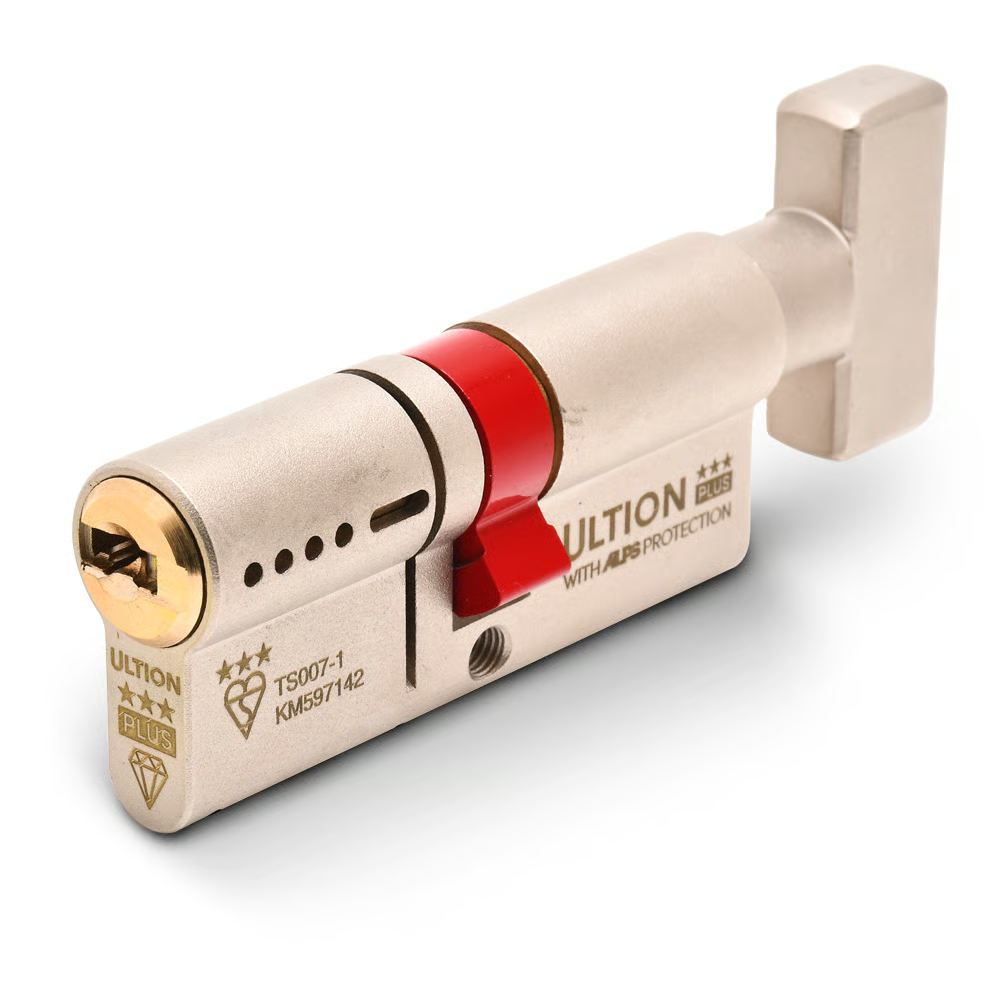
- Ultion Plus TS007 3* Kitemarked Euro Key & Turn Cylinder
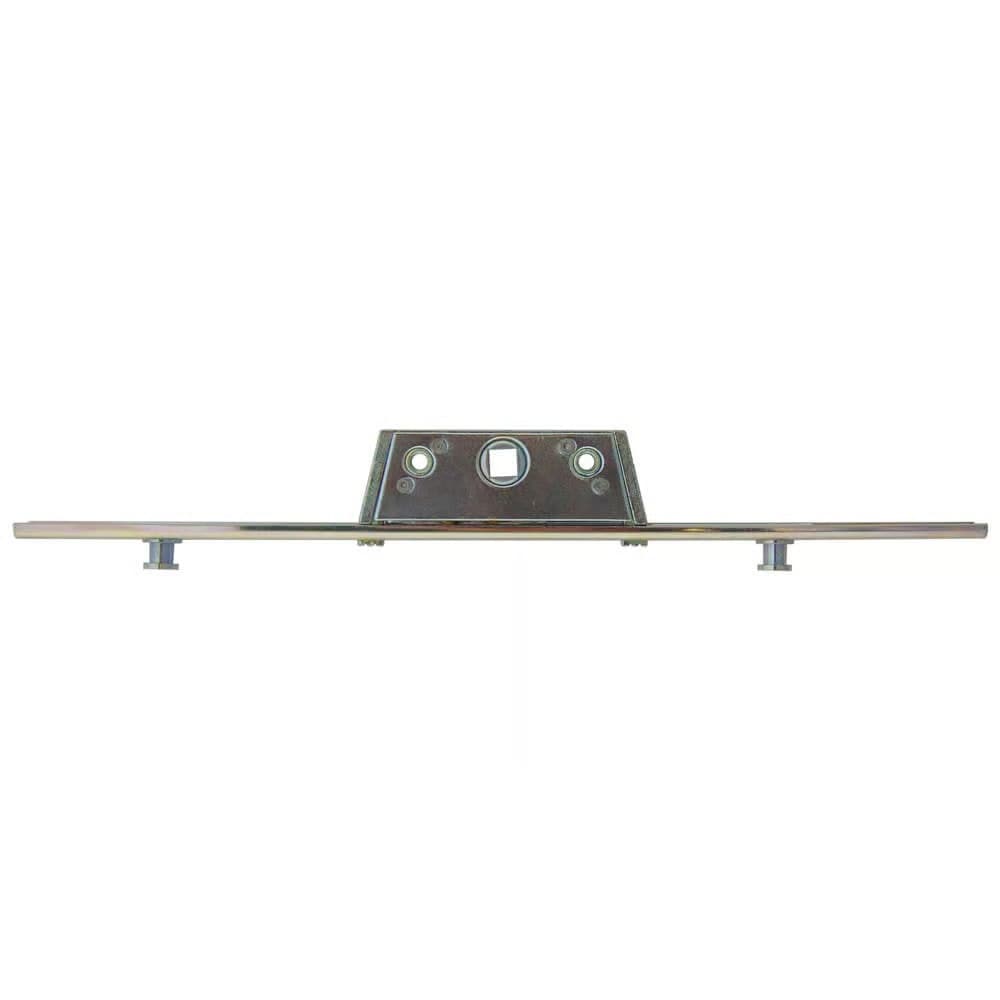
- Multipoint Gearbox GU Old Style
- In-Line Window Mechanism
- Offset Window Mechanism
Conclusion and next steps
Accurate measuring is the key to a successful multipoint door lock replacement. Take precise millimetre readings for backset, PZ centres, faceplate size, case depth and cylinder lengths; photograph existing parts and note the type and number of locking points. For complex cases or doors that will not open, consult a trained locksmith or one of our trade advisors. Once you have your measurements, contact a reputable supplier with the details; if you prefer, bring the old lock and cylinder to our Window Hardware Store branch to help match the correct replacement quickly.

Related articles
uPVC Door Lock Maintenance: Keep Your Lock Working Smoothly
uPVC Door Lock Maintenance: Keep Your Lock Working Smoothly A well maintained upvc door lock reduces call-outs, keeps a property secure and extends the lif...
Hook Lock Sizes and Compatibility: Matching Your Existing Lock
Hook Lock Sizes and Compatibility: Matching Your Existing Lock Replacing a hook lock can be straightforward if you know what to measure and what to check f...
Replacing Individual Hook Locks vs Full Multipoint Mechanism
Replacing Individual Hook Locks vs Full Multipoint Mechanism Deciding whether to replace a single hook lock or the entire multipoint mechanism is a common ...