
How to Measure uPVC Window Parts for Accurate Replacements
How to Measure uPVC Window Parts for Accurate Replacements Ordering the correct upvc window parts depends on accurate measurement and a systematic approach...
How to Measure uPVC Window Parts for Accurate Replacements
Ordering the correct upvc window parts depends on accurate measurement and a systematic approach. Whether you are a homeowner doing a DIY repair or a trade professional replacing multiple components, gathering the right dimensions and visual references first will save time and prevent costly returns.
Why precise measurements matter
uPVC windows use standardised components, but there are many variations in spindle lengths, screw centres, gearbox sizes and hinge geometry. A small error in measurement can mean a handle will not reach the gearbox, a keep will not line up with the locking point, or a hinge will not carry the sash correctly. Accurate measurements ensure parts operate smoothly and seals remain intact, protecting energy performance and security.
Essential tools and safety
- Tape measure with millimetre graduations
- Vernier calipers for spindle thickness and small diameters
- Screwdriver set to remove handles, hinges or faceplates
- Digital camera or smartphone for clear photos
- Masking tape and marker to label parts and orientation
- Safety gloves and eye protection when removing glazing beads or hardware
General steps before measuring
Work methodically and label each item. Take clear photos of the window sash and frame from outside and inside before removing any parts. Note the window type: casement, top-hung, side-hung, tilt-and-turn. Identify the handing: left or right opening when viewed from outside. This information is vital for ordering correct upvc window parts.
Measuring handles and spindles
- Remove the handle rose or cover plate to expose the spindle and fixing screws.
- Measure the spindle thickness across flats with calipers; common sizes are 7 mm and 8 mm, but always confirm the actual dimension.
- Measure the spindle projection from the inside face of the handle rose to the end of the spindle. This helps when selecting replacement handles with the correct projection.
- Measure screw centres: the distance between the centres of the fixing screws. Record whether the screw heads are on the handle plate or hidden behind a cover.
- Note handle fixing type: grub screw to secure onto the spindle, or through-bolt arrangement. Photograph the handle from multiple angles and include a close-up of any stamped codes on the metalwork.
Measuring espagnolette and window locking gear
Espagnolette rods and locking gear are the heart of many uPVC window locks. Measure carefully as these components determine the position of keeps on the frame.
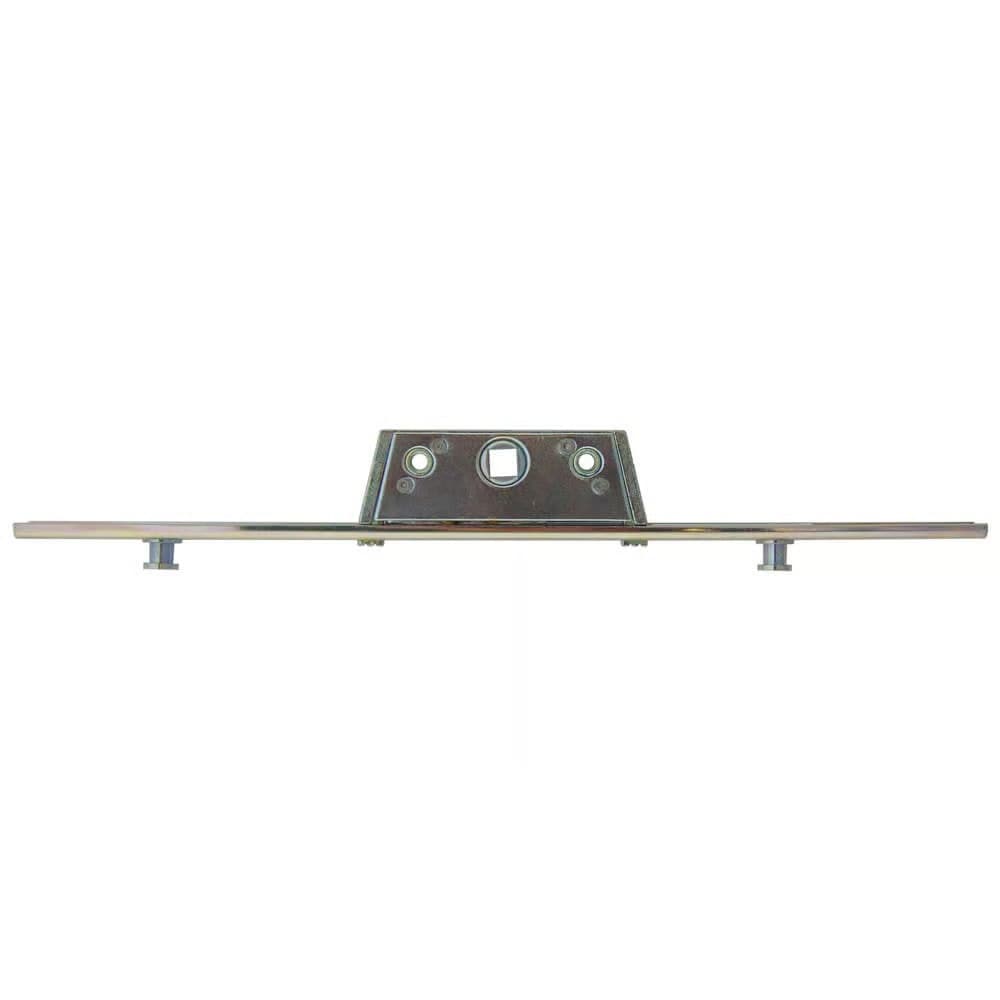
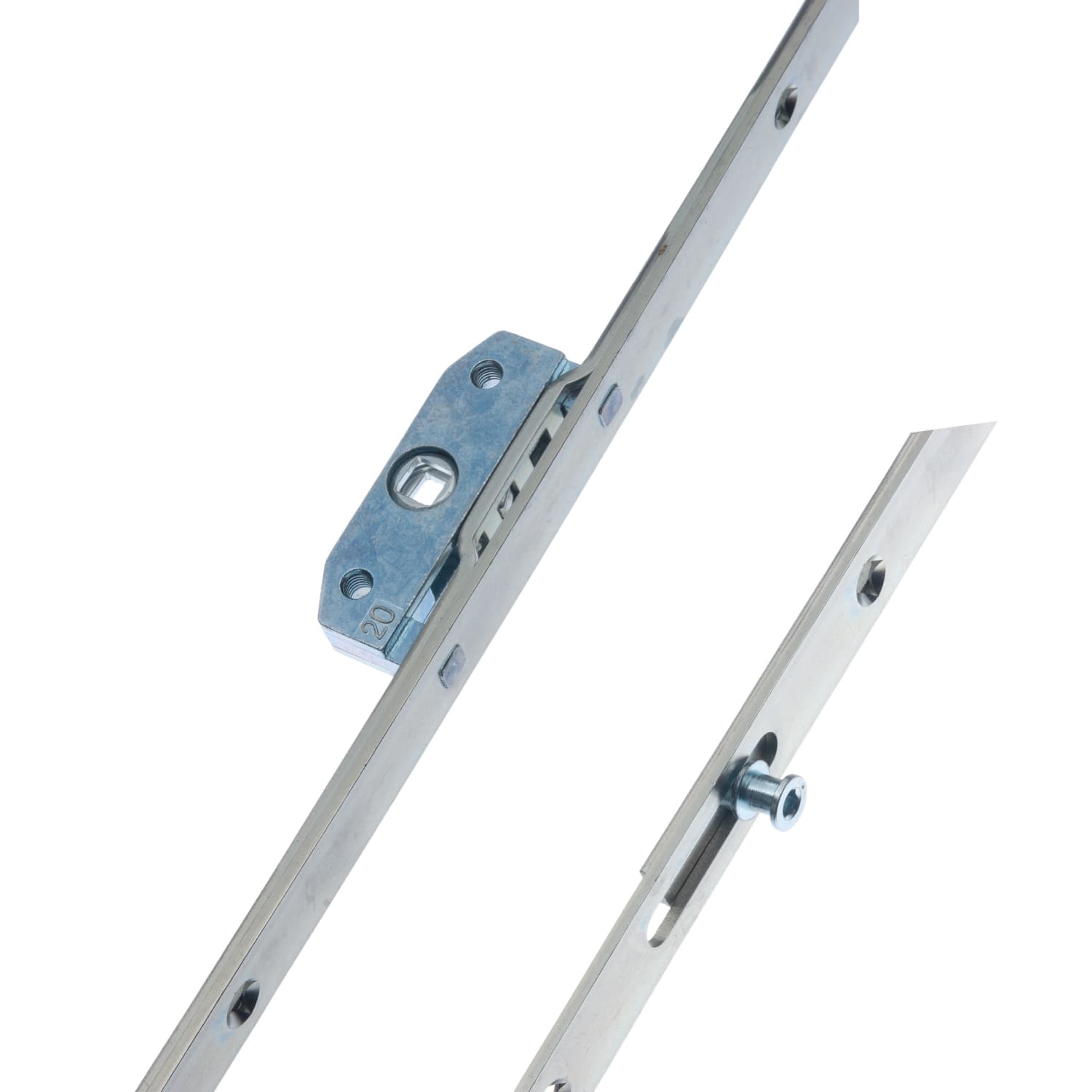
- Measure the gearbox faceplate: overall length and width of the plate that sits in the sash edge; record the distance from the handle spindle centre to the top and bottom ends of the gearbox (centre distances).
- For espagnolette rods, measure the overall rod length and note the end fittings: are they flat cut, stepped, or have specific moulded ends that fit into keeps? Mark the orientation of the rod so you can order left or right hand versions if necessary.
- Measure the distance from the gearbox centre to each locking point or shootbolt; this helps match replacement rods so keeps line up correctly.
- Note the number and type of locking points: mushroom cams, hooks, rollers or shootbolts. Photograph each keep and locking point from inside and outside.
Measuring friction hinges and restrictors
Hinge geometry is important for smooth opening and to prevent wind damage. Hinge arms often have codes stamped on them which are useful; copy these down.
- Measure the length of the hinge arm from the centre of the pivot to the centre of the outer fixing hole. Do this for both the top and bottom hinge if they differ.
- Measure the distance between fixing holes on the sash and frame plates; this is the screw centre spacing.
- Record the sash thickness and the weight of the sash if possible; some friction hinges carry a load rating and you will need a hinge with a sufficient rating.
- For restrictors note the fixing points and the maximum opening angle or chain length.
Measuring keeps, strike plates and rebates
- Measure the keep faceplate length and width, and the distance between the keep centre and the edge of the frame.
- Measure the depth of any recess in the frame where the keep sits; some keeps are anti-lift or reinforced and require deeper rebates.
- Note whether keeps are adjustable; many modern keeps have eccentric screws for fine alignment. Photograph the frame edge with the sash closed to show alignment issues.
Locks, cylinders and backsets
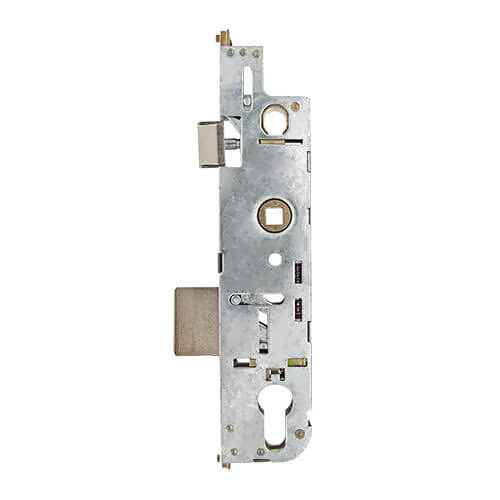
Many uPVC doors share similar principles with windows for locks. For cylinders, measure the overall length and the length on each side of the cam; common configurations are 30/30 mm or 35/35 mm, but always measure your existing cylinder. For multipoint or sash locks, record:
- Backset: the distance from the front of the lock faceplate to the centre of the spindle or keyhole; common backsets include 20 mm and 22 mm for some window locks, and 35 mm or 45 mm for doors.
- Case height and case depth: measure overall case dimensions so a new lock will fit inside the sash.
Practical trade tips
- When replacing multiple parts on the same property, order a full set of related items: handle, gearbox, rod and keeps. This reduces alignment problems.
- Keep a record of the profile manufacturer if available: many uPVC systems have OEM specific parts. If you can provide the profile name or part number when ordering, it speeds up correct supply.
- If in doubt, remove the part and take it to your supplier; trade professionals may keep spares for common sizes.
- When fitting new hardware, use new stainless steel fixings where possible to avoid corrosion and ensure torque settings avoid cracking the uPVC.
Common measurement mistakes to avoid
- Measuring from the wrong face: always decide whether you are measuring from the sash face or the edge and be consistent.
- Assuming standard sizes: many older windows have non-standard or cut-to-fit components.
- Ignoring handing: left and right handed parts can be mirror images and are not interchangeable.
- Failing to provide photos: suppliers can often identify parts from clear images; this reduces errors.
Ordering replacements and next steps
Compile your measurements, photos and any stamped codes into one email or order form. If you are a trade professional, include quantities and expected delivery dates. Homeowners should consider showing photos and measurements to their local supplier for verification. For a wider selection of components and technical resources see our hub of double glazing supplies at /guides/double-glazing-supplies.
Conclusion: Accurate measurement of upvc window parts prevents mis-orders and ensures correct operation and security. Gather clear photos, measure spindle thickness and projection, gearbox and rod centre distances, hinge arm lengths and keep positions. Next steps: double-check your measurements, contact your supplier with photos, and order replacement components. If you need help identifying a part or confirming measurements, contact our trade support with your images and dimensions and we will assist.
Recommended Products
Based on this article, you may find these products helpful:
Related articles
How Old uPVC Window Parts Differ from Modern Replacements
How Old uPVC Window Parts Differ from Modern Replacements Older uPVC windows fitted in the 1980s and 1990s were robust for their time, but the components u...
How to Maintain Your Glazing Tools for Longer Life
How to Maintain Your Glazing Tools for Longer Life Whether you are a trade glazier or a DIY homeowner replacing a pane, well‑maintained glazing tools save ...
Glazing Tools Safety Guide: Avoiding Common Injuries
Glazing Tools Safety Guide: Avoiding Common Injuries Working with glazing tools carries a real risk of cuts, crushed fingers and slips when handling panes ...