
How to Replace a Deadbolt Lock: Step-by-Step Instructions
How to Replace a Deadbolt Lock: Step-by-Step Instructions Whether you are a UK homeowner doing a DIY replacement or a tradesperson fitting hardware on site...
How to Replace a Deadbolt Lock: Step-by-Step Instructions
Whether you are a UK homeowner doing a DIY replacement or a tradesperson fitting hardware on site, replacing a deadbolt is a common task that can be completed with basic tools and a little care. This post covers identification, required tools, step-by-step removal and fitting, and practical trade tips to ensure a secure and compliant installation.
Identify the type of deadbolt
Before starting, identify the lock type: euro cylinder deadbolt (common on UPVC and composite doors), mortice deadbolt (fitted into the door edge), or a surface-mounted rim deadbolt. Also check whether the door is a fire door; replacement on fire-rated doors may require certificated components and a competent fitter.
- Euro cylinder: a separate cylinder that can be removed by loosening a retaining screw on the door edge.
- Mortice deadbolt: integrated into the door edge; removed by unscrewing the faceplate and internal fixings.
- Rim deadbolt: surface-mounted on the door face; held with visible screws.
Tools and materials
Have the following ready before you begin:
- Screwdrivers: Pozidriv and flat, sometimes Torx for certain hardware
- Drill with metal and wood bits; hole saw if drilling new cylinder holes
- Tape measure, pencil and combination square
- Chisel and hammer for mortice adjustments
- Replacement deadbolt or cylinder sized for the door
- Replacement screws: security screws, long wood screws (75–100 mm) for jamb fixing
- Lubricant: graphite powder or silicone-based spray; do not use oil
- Safety glasses and gloves
Preparation and safety
Prepare the working area: remove loose furniture close to the door, support the door with wedges if removing the lock requires manipulating the jamb, and wear eye protection when drilling or chiselling. If the lock is damaged or you cannot operate the bolt, secure the property and consider a locksmith for emergency entry rather than forcing the mechanism.
Step 1: Remove the old deadbolt
Procedure depends on the type:
- Euro cylinder: open the door to gain access to the edge. Locate the cylinder retaining screw at the edge of the door, usually level with the centre of the cylinder; unscrew it. Insert the key, turn slightly to align the cam and withdraw the cylinder by pulling it from the face of the door.
- Mortice deadbolt: remove internal trim or handles if they obstruct access. Unscrew the faceplate on the edge of the door and withdraw the lock body. You may need to remove internal fixing screws from inside the door cavity.
- Rim deadbolt: unscrew the visible screws on the face and remove the bolt case and strike plate.
Step 2: Inspect and measure
Measure the door thickness and the cylinder length or backset. For euro cylinders, measure from one end of the cylinder to the other through the centre screw hole; cylinders must match door thickness so there is no proud cylinder. For mortice locks, note the distance from the front face to the centre of the spindle or cylinder; this is the backset. Check the condition of the strike plate and frame; rotten timber or loose screws should be repaired before refitting.
Step 3: Fit the new deadbolt
Follow the manufacturer’s instructions for the specific product, but the general steps are:
- Euro cylinder: insert the new cylinder with the cam aligned. Hold the cylinder in place and tighten the retaining screw through the door edge; test by turning the key to extend and retract the bolt.
- Mortice deadbolt: offer the lock body into the mortice; adjust chiselling where necessary so the faceplate sits flush. Fix the lock body and fit the spindle and handles or key mechanism. Fit the faceplate and tighten fixings.
- Rim deadbolt: position and screw the case to the door face; fit the internal striker and test operation.
Step 4: Adjust the strike plate and frame
Correct alignment between the bolt and strike is essential for smooth operation and security. If the bolt does not engage smoothly, adjust the strike plate position on the frame. Trade tip: use longer security screws (75–100 mm) to anchor the strike into the structural timber behind the frame; this significantly improves resistance to forced entry. If necessary, chisel the frame to deepen or re-position the strike so the bolt fully enters the recess.
Testing and finishing touches
Operate the lock several times with the door both open and closed: test with the key from both sides if applicable and check the smoothness of the action. Lubricate the cylinder with graphite or silicone spray; do not use oil-based lubricants that attract dust. Ensure screw heads are flush and cosmetic gaps are filled with suitable filler or sealant where needed. Replace any damaged frame timber or refit door furniture neatly.
Practical trade advice
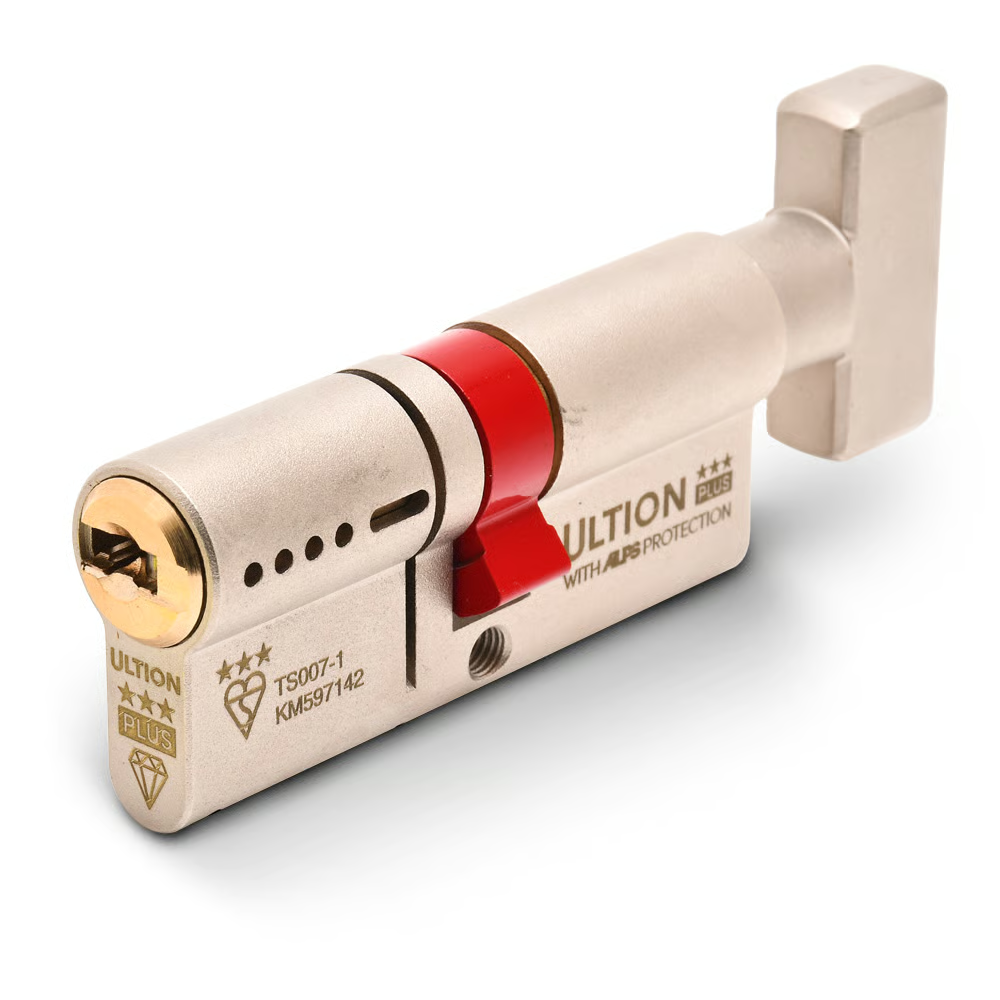
- Upgrade recommendations: for external doors choose a TS007 3-star or equivalent anti-snap euro cylinder and/or a BS3621-compliant deadlock for insurance cover.
- Fire doors: use componentry that matches the door’s certification and record any changes on the door’s certification label if required; when in doubt, call a competent contractor.
- Householders: if the cylinder is snapped or forced, consider a non-destructive lock change or an emergency locksmith to avoid further damage.
- Pre-drilling: when fitting screws into hardwood or dense frames, pre-drill to avoid splitting; countersink where necessary.
When to call a professional
Call a locksmith or a qualified tradesperson if you encounter seized components, a snapped cylinder, significant door or frame damage, or if the door is fire-rated and the work needs certification. Professional fitters can also upgrade to high-security cylinders and provide relevant warranty and insurance documentation.
Recommended Products
Based on this article, you may find these products helpful:
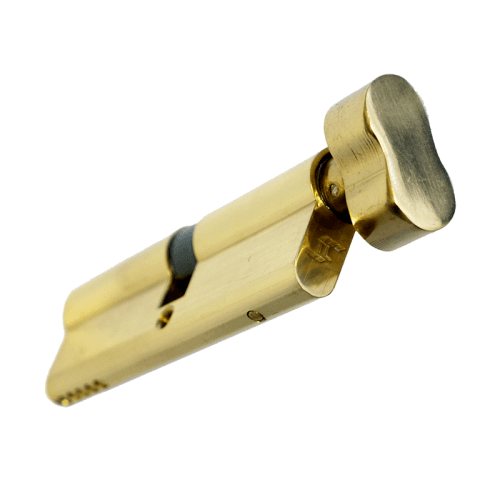
- TL Thumb Turn Euro Cylinder
- Ultion Plus TS007 3* Kitemarked Euro Key & Turn Cylinder
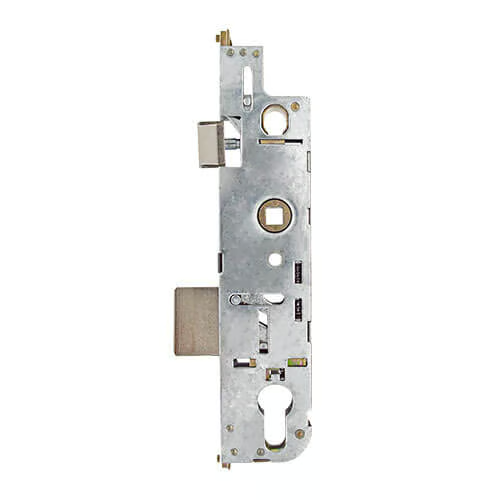
- Multipoint Gearbox GU Old Style
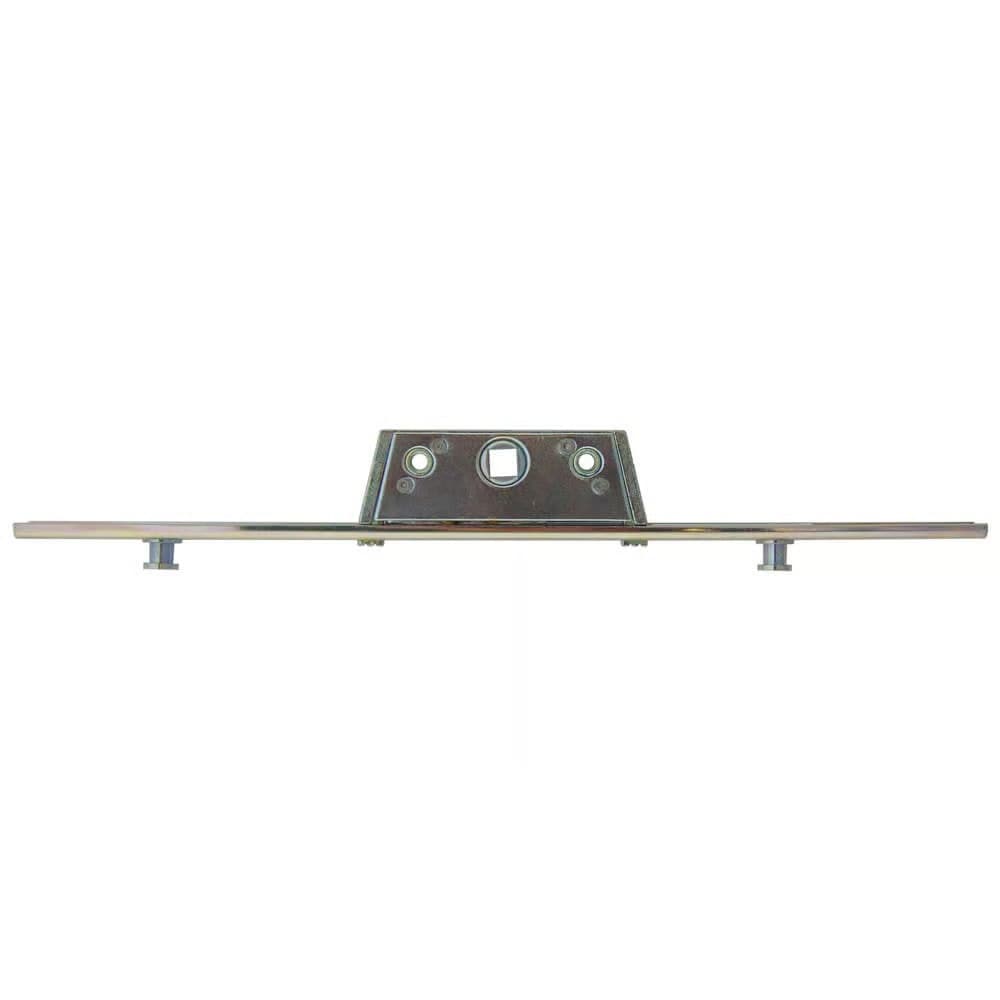
- In-Line Window Mechanism
- Offset Window Mechanism
Conclusion and next steps
Replacing a deadbolt is achievable for the competent DIYer and routine work for tradespeople. Start by identifying the lock type, measure accurately, and use the correct replacement component. For improved security, consider upgrading to anti-snap cylinders and reinforce the strike plate with long screws. For more detailed information on door locks and compatible hardware, see our pillar resource: /guides/door-locks.

Related articles
uPVC Door Lock Maintenance: Keep Your Lock Working Smoothly
uPVC Door Lock Maintenance: Keep Your Lock Working Smoothly A well maintained upvc door lock reduces call-outs, keeps a property secure and extends the lif...
Hook Lock Sizes and Compatibility: Matching Your Existing Lock
Hook Lock Sizes and Compatibility: Matching Your Existing Lock Replacing a hook lock can be straightforward if you know what to measure and what to check f...
Replacing Individual Hook Locks vs Full Multipoint Mechanism
Replacing Individual Hook Locks vs Full Multipoint Mechanism Deciding whether to replace a single hook lock or the entire multipoint mechanism is a common ...