
How to Replace a Multipoint Door Lock: Professional Tips
How to Replace a Multipoint Door Lock: Professional Tips Why replace a multipoint door lock? Multipoint door locks are standard on modern uPVC, composite a...
How to Replace a Multipoint Door Lock: Professional Tips
Why replace a multipoint door lock?
Multipoint door locks are standard on modern uPVC, composite and timber doors; they secure the door at several points and improve weathering and security. You may need a replacement if the lock is worn, the gearbox is faulty, a cylinder has failed, or the mechanism no longer engages smoothly. Replacing a multipoint door lock can be a straightforward job for a competent DIYer or a routine task for trade professionals; the key is accurate measurement and correct setup.
Tools and materials required
- Screwdrivers: cross-head and flat, plus a Pozi driver if needed
- Torx set: common on many multipoint assemblies
- Drill with small bits for pilot holes
- Hacksaw or metal snips for trimming faceplates or keep plates
- Tape measure, vernier calipers or a good ruler
- Pencil or marker and a centre punch
- Replacement multipoint door lock unit matched to door type
- Compatible euro cylinder or oval cylinder as required
- Grease suitable for locks (graphite or silicone-based lubricant)
- Replacement keeps/striker plates and screws
- Packers and shims for alignment
Initial checks and measurements
Before ordering a new multipoint door lock note the following dimensions: backset (distance from the door edge to the spindle/centre of cylinder), case height and thickness, distance between gearbox centres and the profile of the faceplate (flat or rebated). Identify the style of locking points: hooks, rollers, or standard deadbolts. Take photos of the existing lock from several angles; this helps when sourcing a like-for-like replacement. Check if the door is left or right handed: open the door towards you and note hinge side; this affects faceplate orientation.
Removing the old multipoint lock
Start with the cylinder: if the cylinder is retained by a retaining screw remove it while the door is closed and the spindle in neutral position. Turn the key slightly if needed to free the cylinder and withdraw it. Next remove the screws along the faceplate; these normally secure the gearbox to the door edge. Withdraw the spindle and handle furniture; keep all screws in a container. Slide the gearbox out; in uPVC doors you may need to bend back plastic clips inside the rebate gently. For timber doors the gearbox will come out once screws and handles are removed. Inspect the mortice and the keeps for damage; note if any additional morticing or filler will be needed for the replacement unit.
Choosing a replacement and prepping the door
Match the replacement to the original as closely as possible: the same backset and case height avoids additional morticing. For uPVC doors choose a gearbox designed for that profile; some gearboxes are reversible and can be adapted for left or right handing. If the new multipoint door lock differs in height or spacing you may need to route or fill sections of the edge; ensure door strength is not compromised. Check that the new cylinder length matches the thickness of the door plus any trims; a protruding cylinder is a security risk and a recessed cylinder may make operation difficult.
Fitting the new multipoint lock
Insert the new gearbox into the door edge and loosely refit the faceplate screws so the unit can still be moved for alignment. Install the spindle and handles, then fit the cylinder without securing it yet; this allows you to test the action. With the door closed operate the handle and key to ensure locking points deploy and retract smoothly. Adjust the position of the gearbox before tightening screws: small movements are often required so that deadbolts and hooks align with keeps. Do not over-tighten screws; they should be secure without distorting the door edge or the faceplate.
Setting keeps and final adjustments
Marks the points where locks engage on the frame using a pencil and operate the lock slowly to transfer the exact positions. Fit keeps and striker plates to these marks; use adjustable keeps where possible to allow fine tuning. When fitting keeps cut mortices cleanly and secure with appropriate screws; timber frames accept longer screws than uPVC frames, which rely on deeper engagement and sometimes additional reinforcing plates. Test operation with several cycles: if the lock binds, loosen screws and adjust; re-lubricate runners and moving parts sparingly with a dry lubricant suitable for locks. For roller cams and hooks ensure the strike plate has adequate clearance so locking points do not trail and cause premature wear.
Troubleshooting common issues
- If handles feel loose after fitting: check spindle length and grub screws on handles are tight; replace any stripped bushes in the handle furniture.
- If the key will not turn: check cylinder projection and correct cam position; ensure the gearbox is in the neutral position before inserting the cylinder.
- If locking points do not fully engage: adjust the keeps slightly deeper or file the frame mortice for extra clearance; check door sag and hinges, as even a small drop affects multipoint alignment.
- If the latch does not retract smoothly: examine the latch for damaged springs or worn rollers; replace the latch if required.
Security and compliance considerations
When replacing a multipoint door lock consider cylinder security standards: anti-snap, anti-drill and anti-pick features are important; cylinder standards such as TS007 3-star can be required by insurers. For external doors assess whether additional upgrades are needed to meet PAS 24 or other recognised standards. Record the brand and model of replacement components for warranty and future maintenance; use quality fixings and avoid over-thin screws that can pull out under attack.
When to call a professional
Call a locksmith or experienced door fitter if you encounter any of the following: significant door sag or rot; frame out of square; need to alter frame mortices substantially; uncertain about handing or cylinder compatibility; or if the door is a recently installed composite unit still under manufacturer warranty. A professional can also certify work where insurance or building regulations require documented evidence.
Recommended Products
Based on this article, you may find these products helpful:
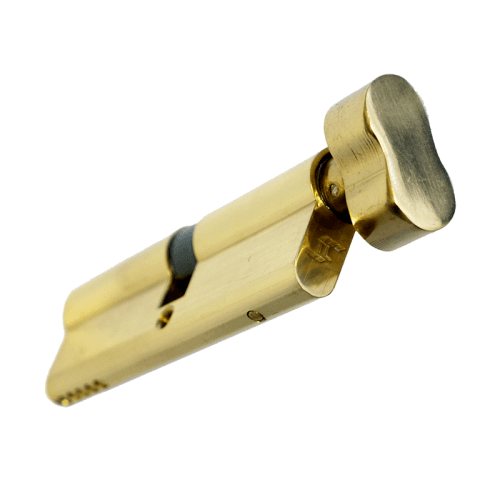
- TL Thumb Turn Euro Cylinder
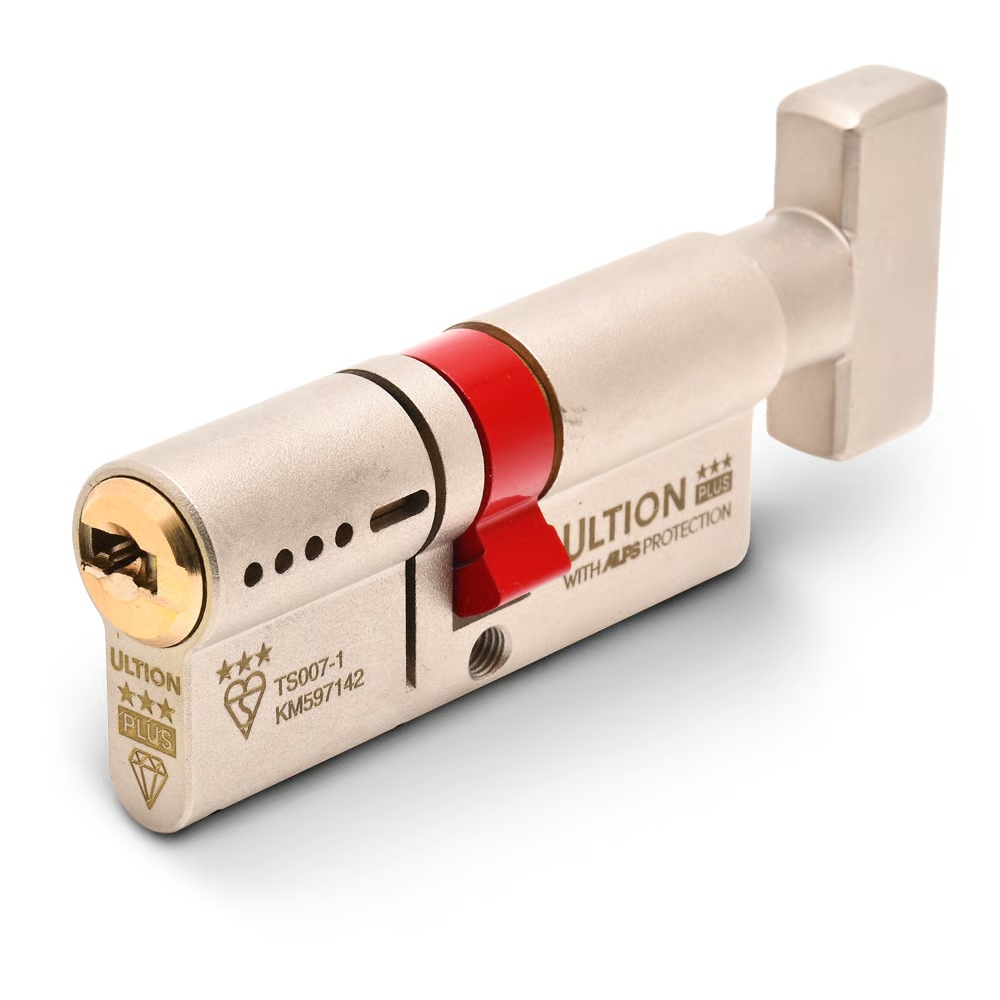
- Ultion Plus TS007 3* Kitemarked Euro Key & Turn Cylinder
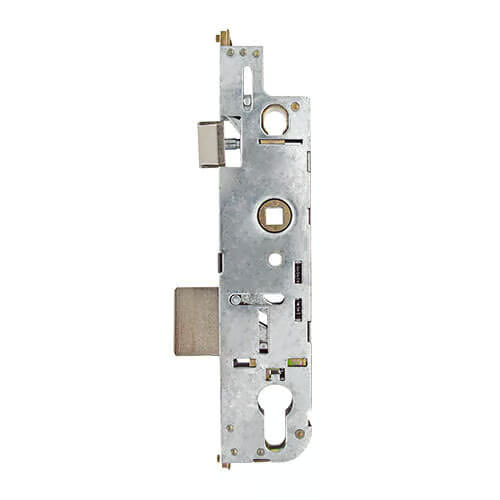
- Multipoint Gearbox GU Old Style
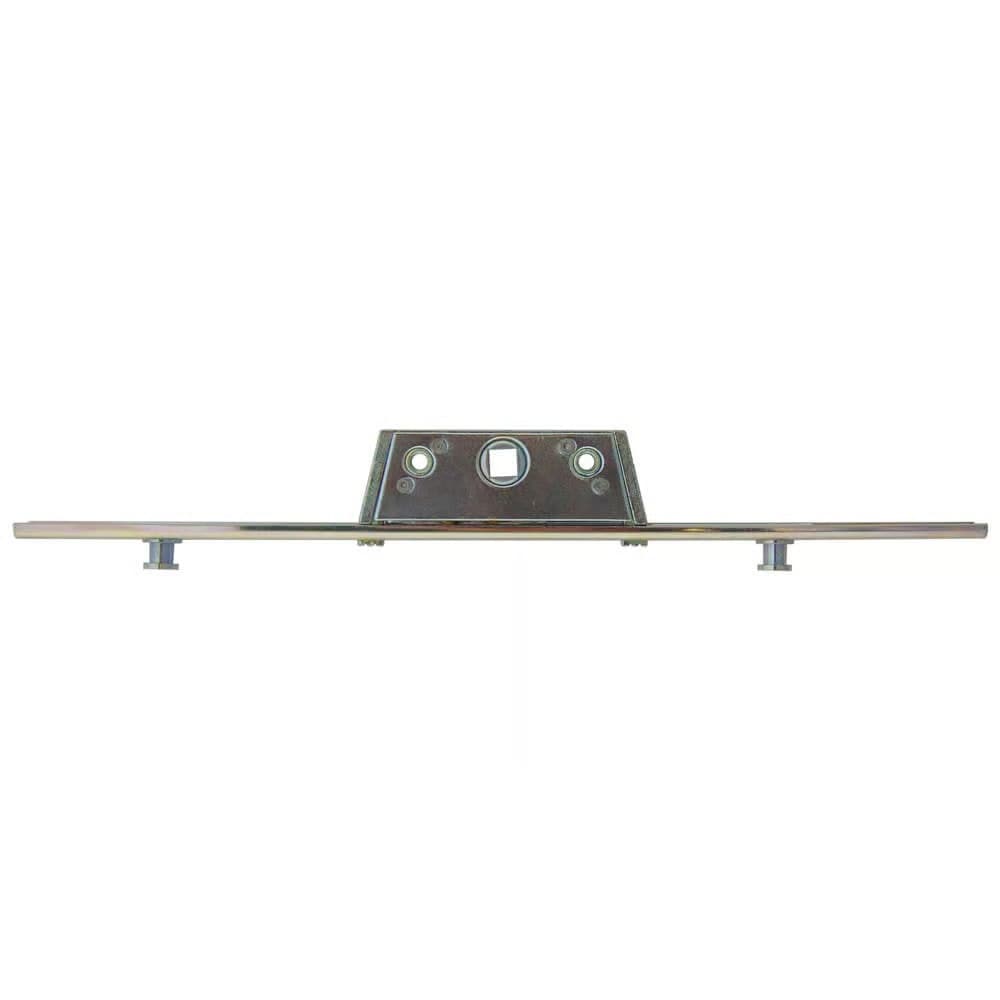
- In-Line Window Mechanism
- Offset Window Mechanism
Conclusion and next steps
Replacing a multipoint door lock is achievable with careful measurement, the right replacement unit and methodical fitting. Start by recording accurate dimensions and photos, use appropriate tools, and check alignment throughout the process. After installation test the lock repeatedly and fit an upgraded cylinder if security is a concern. For further information on related door hardware and product choices visit our pillar resource at /guides/door-locks or contact Window Hardware Store for trade support and recommended products.

Related articles
uPVC Door Lock Maintenance: Keep Your Lock Working Smoothly
uPVC Door Lock Maintenance: Keep Your Lock Working Smoothly A well maintained upvc door lock reduces call-outs, keeps a property secure and extends the lif...
Hook Lock Sizes and Compatibility: Matching Your Existing Lock
Hook Lock Sizes and Compatibility: Matching Your Existing Lock Replacing a hook lock can be straightforward if you know what to measure and what to check f...
Replacing Individual Hook Locks vs Full Multipoint Mechanism
Replacing Individual Hook Locks vs Full Multipoint Mechanism Deciding whether to replace a single hook lock or the entire multipoint mechanism is a common ...