
Multipoint Door Lock Security Ratings: What Do They Mean?
Multipoint Door Lock Security Ratings: What Do They Mean? For homeowners and trade professionals the phrase multipoint door lock crops up frequently when d...
Multipoint Door Lock Security Ratings: What Do They Mean?
For homeowners and trade professionals the phrase multipoint door lock crops up frequently when discussing security. But what do the different security ratings and standards actually mean for performance, installation and insurance? This article explains the common marks, the real-world strengths of multipoint systems and practical advice for selection, fitting and maintenance.
What is a multipoint door lock and why it matters
A multipoint door lock is a locking mechanism that secures a single door at more than one point along the door edge: typically at the top, middle and bottom. When engaged, hooks, bolts or rollers extend into keeps fitted in the frame. This spreads the load of an attack and reduces the chance of the door being forced inwards or outwards at a single point. Multipoint locks are standard on uPVC, composite and high-security timber doors because they improve weather performance and security compared with a single deadlock.
Common standards and what they indicate
Security ratings for multipoint locks are expressed through a number of standards and accreditations. Knowing the difference helps when specifying hardware for a project or advising a customer:
- PAS 24: This is the UK enhanced security test for door sets and windows. A PAS 24 tested door indicates the complete door assembly has been assessed against forced entry attempts; many insurers favour PAS 24 for external doors.
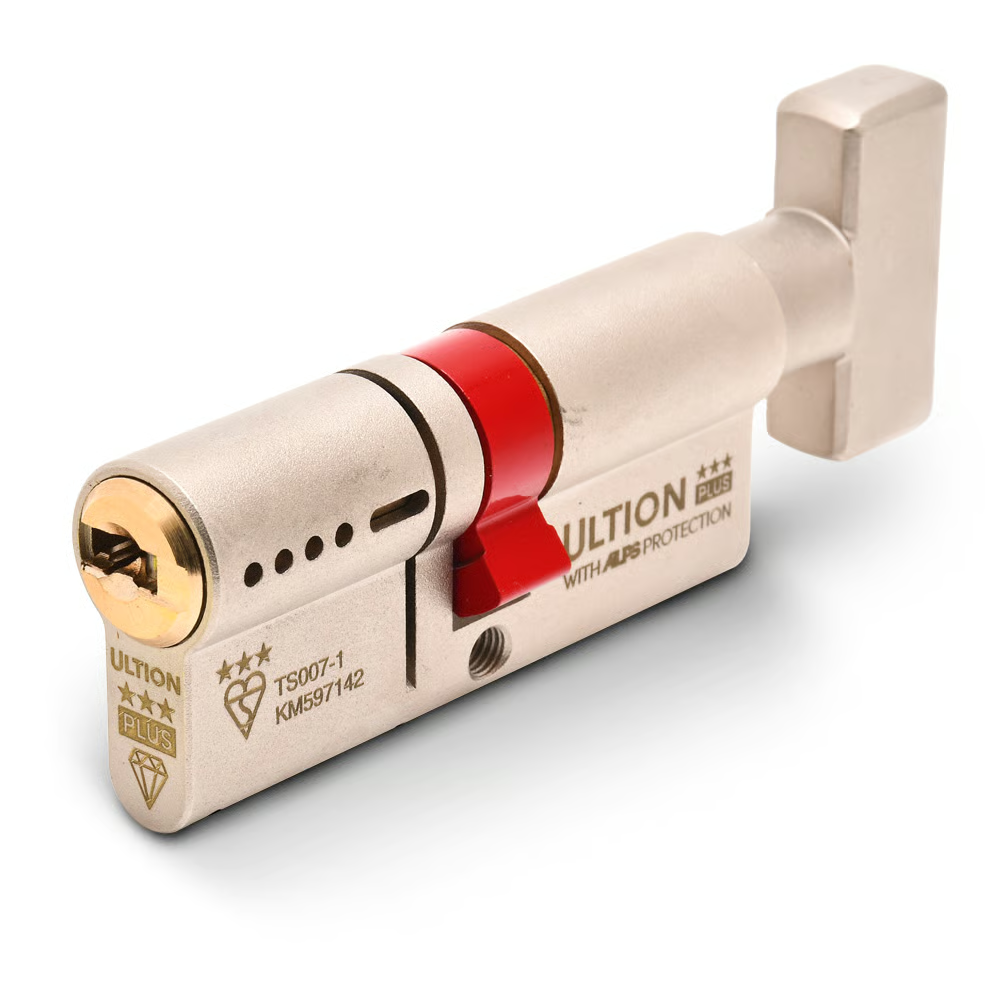
- TS007: This relates to euro cylinder security; the 3-star TS007 cylinders provide recognised resistance to snapping, drilling and picking. For multipoint systems that use a euro cylinder it is wise to fit a TS007 3-star cylinder.
- EN standards: EN 12209 covers mechanical locks and sets out performance grades; EN 1303 applies to cylinders; EN 1670 rates corrosion resistance. Higher grades generally mean better durability or corrosion protection but consider the application: coastal locations need a higher EN 1670 rating.
- Secured by Design and BSI Kitemark: These are third-party approvals showing a product or door set meets specified security requirements. Secured by Design is a police-backed initiative and is often preferred for higher-risk or commercial work.
- LPS 1175 and Sold Secure: These are specialist standards for resisting physical attack with defined toolsets; typically used for higher security applications rather than regular domestic doors.
How ratings translate into everyday security
Ratings describe how a lock performed in standardised tests; they do not make a door invincible. A multipoint system with a TS007 cylinder and fitted to a PAS 24 door set will resist many common attack techniques: cylinder snapping, levering and forced entry at the centre. However the full security benefit depends on correct installation, suitable frame strength, long screws securing keeps into a solid substrate and good-quality handles and fixings.
Practical trade advice: selecting the right multipoint system
When specifying or selling multipoint door locks consider the whole door set, not just the lock case:
- Choose a lock with the appropriate hook or deadbolt type for the door style: composite doors often use hook bolts to resist lateral attack; timber doors may use roller cams for compression and weather performance.
- Specify a TS007 3-star euro cylinder if the system uses a euro profile; where possible fit anti-snap, anti-pick and anti-drill features.
- Match corrosion resistance (EN 1670) to the environment; coastal or exposed sites need higher grades and stainless components where possible.
- Use long, multi-thread screws to fix keeps; trade practice is to get the screws deep into the frame nogging or solid timber; typically 70 to 80 mm lengths are used when fitting to timber frames or reinforced subframes.
- Check handing and door thickness; many multipoint cases are handed and require correct orientation for shootbolts to operate reliably.
- Where security is critical specify Secured by Design or LPS-rated components and ensure the door set is tested as an assembly where possible.
DIY guidance: choosing and fitting a replacement multipoint lock
For competent DIYers replacing a multipoint lock is feasible but measure carefully and prepare. Key steps and tips:
- Before ordering, remove the existing handle and measure backset, distance between handle spindle and cylinder (centre), case height and faceplate length. Take photos and the old lock to your supplier if unsure.
- Ensure you select the correct cylinder length so the euro cylinder does not protrude excessively; a protruding cylinder is vulnerable to attack and will invalidate some guarantees.
- When fitting, support the door on packers if removing keeps or if multiple screws are undone to prevent stress on hinges; check door alignment and adjust hinges if required so the multipoint engages smoothly.
- Fit keeps with long screws into the frame; if the frame is uPVC or aluminium consider reinforcing plates or a steel backing where possible. For retrofit on composite doors always follow the door manufacturer’s guidance regarding reinforcement.
- Test the lock several times before finalising: lift and lower the handle, engage the key operation and cycle the shootbolts; a sticking bolt often indicates misaligned keeps or the need to adjust compression.
- If you are uncertain about structural repairs, reinforcing or dealing with sash/frame issues get a qualified tradesperson; a poorly installed multipoint lock reduces security and can cause expensive damage.
Maintenance and periodic checks
Good maintenance keeps security levels high. Recommended routine:
- Operate the lock regularly and check for smooth movement; do not force the mechanism. Lubricate moving parts lightly with a recommended lock lubricant; avoid household oils that attract dust.
- Inspect cylinder and handles; tighten loose fixings. Ensure gaskets or seals around the door are intact to preserve weather performance which affects lock operation.
- Check screws in keeps and hinge fixings; long screws can loosen over time and will reduce resistance to levering or forced entry.
- After any paint work or adjustments re-check that shootbolts fully extend; repainting can add material that prevents clean engagement.
Recommended Products
Based on this article, you may find these products helpful:
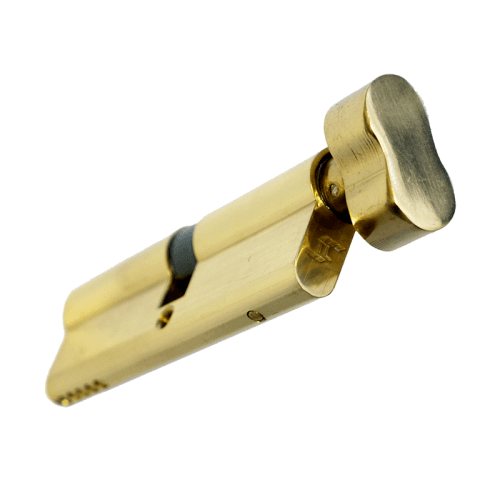
- TL Thumb Turn Euro Cylinder
- Ultion Plus TS007 3* Kitemarked Euro Key & Turn Cylinder
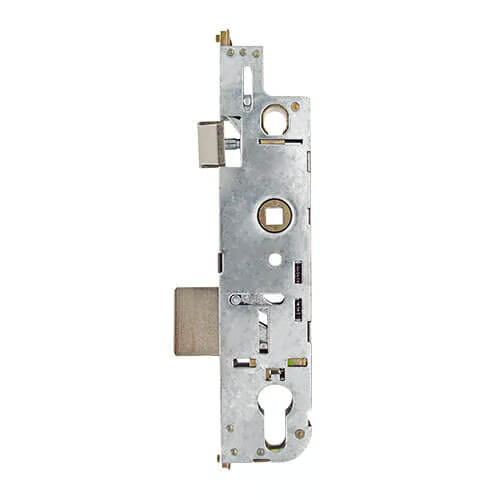
- Multipoint Gearbox GU Old Style
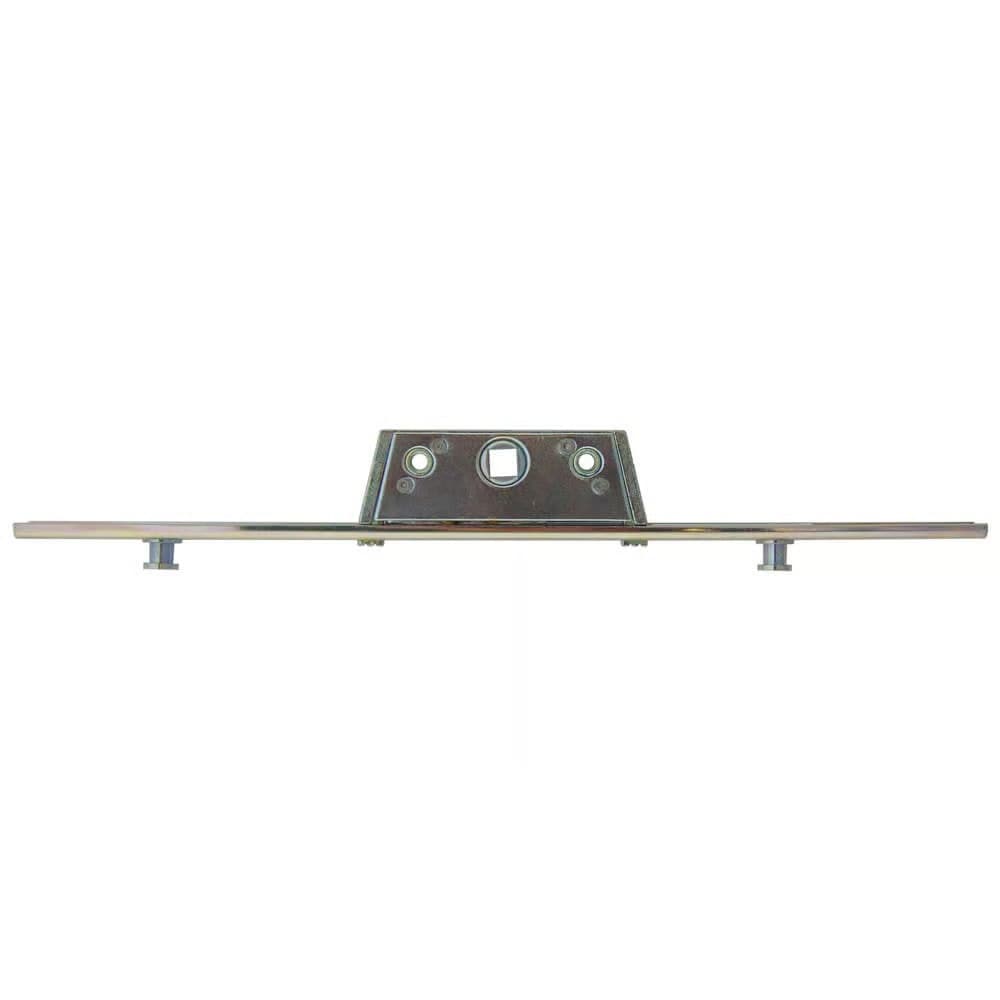
- In-Line Window Mechanism
- Offset Window Mechanism
Conclusion: practical next steps
Multipoint door locks provide a significant security improvement when combined with the right cylinder, quality keeps and correct installation. For trade professionals specify systems to suit the door construction and environment; for homeowners prioritise TS007 3-star cylinders and PAS 24 or Secured by Design where insurance or risk demands it. If you are replacing a lock measure carefully and use long frame fixings; when in doubt use a professional fitter.
For detailed recommendations on lock types, cylinders and accessories see our pillar resource at /guides/door-locks or contact our trade team for product-specific advice and supply options.

Related articles
uPVC Door Lock Maintenance: Keep Your Lock Working Smoothly
uPVC Door Lock Maintenance: Keep Your Lock Working Smoothly A well maintained upvc door lock reduces call-outs, keeps a property secure and extends the lif...
Hook Lock Sizes and Compatibility: Matching Your Existing Lock
Hook Lock Sizes and Compatibility: Matching Your Existing Lock Replacing a hook lock can be straightforward if you know what to measure and what to check f...
Replacing Individual Hook Locks vs Full Multipoint Mechanism
Replacing Individual Hook Locks vs Full Multipoint Mechanism Deciding whether to replace a single hook lock or the entire multipoint mechanism is a common ...