
Multipoint Door Lock Buying Guide: Centres, Backset and Faceplate
Multipoint Door Lock Buying Guide: Centres, Backset and Faceplate Choosing the correct multipoint door lock is crucial for security, weather performance an...
Multipoint Door Lock Buying Guide: Centres, Backset and Faceplate
Choosing the correct multipoint door lock is crucial for security, weather performance and smooth operation. Whether you are a trade professional fitting a batch of entrance doors or a homeowner replacing a worn gearbox, understanding centres, backset and faceplate options will save time and avoid costly mistakes. This buying guide explains the technical points you need to check, gives practical measurement advice and sets out common choices used across UK doors.
What is a multipoint door lock and why the details matter
A multipoint door lock engages the door at several points when the handle is lifted and locked with the key. Typical mechanisms include a central latch, deadbolt and two or more hooks or rollers that secure into keeps in the frame. The effectiveness of the system depends on correct alignment between the door and frame; incorrect centres, backset or faceplate will cause poor sealing, sticking or an insecure installation. For compliance with standards like PAS 24 or the Secured by Design requirements, you must fit a suitably rated lock and compatible cylinder.
Centres: what to measure and common sizes
Centres refer to the distance between the handle spindle centre and the key cylinder centre. It is a critical dimension when replacing an existing multipoint gearbox because handles, cylinders and escutcheons must line up. To measure centres:
- Close the door and locate the handle spindle and the centre of the euro-cylinder or profile cylinder.
- Use a ruler or calliper to measure the distance in millimetres from the spindle centre to the cylinder centre.
Common centres for British doors are 92mm and 62mm. Many modern uPVC and composite doors use 92mm centres; some older frames and certain hardware use 62mm or other bespoke centres. Always match the new gearbox to the existing centres or choose new furniture that suits the door if you are altering cut-outs.
Backset: how it affects lock selection
Backset is the horizontal distance from the front face of the lock faceplate to the centre of the spindle or lock follower. It determines where the handle and cylinder sit relative to the door edge; it also affects the projection of the cylinder. Measure the backset by placing a rule against the faceplate edge and measuring to the spindle centre. Typical backsets in the UK are 35mm and 45mm for multipoint gearboxes; 20mm and 25mm appear on some narrow-profile hardware. For replacement locks choose the same backset wherever possible to avoid re-drilling or re-routing the door.
Faceplate types, widths and finishes
The faceplate sits on the door edge and provides the visible fixing and mortice cover for the gearbox. Faceplate considerations include:
- Width: common widths are 16mm and 22mm; very slim faceplates are available for thinner doors.
- Shape: square-ended, round-ended or radiused; match the shape to the existing routing for a neat finish.
- Finish: stainless steel, polished chrome, brass-plated or powder-coated; choose a corrosion-resistant finish for exposed doors.
- Fixing hole positions: some faceplates carry different screw positions for different door types; ensure holes line up with your door or plan to re-drill.
Tradespeople should keep common faceplates in stock in both 16mm and 22mm widths and a couple of finishes to save time on site.
Compatibility beyond centres, backset and faceplate
When specifying a multipoint lock also check these items:
- Cylinder length and projection: a cylinder that protrudes too far is vulnerable to attack; order the correct asymmetric length so it sits flush with the escutcheon.
- Hook versus roller cams: hooks pull the door tight and are preferred for composite doors; rollers provide compression and may be better for uPVC sash systems with slight movement.
- Case depth and gearbox height: ensure the case will sit inside the stile without fouling internal hardware or glazing beads.
- Manual versus automatic multi-point: automatic locks latch when the door closes; check if your threshold and frame are set up for automatic locking.
- Handing: left or right handing affects striker alignment and the orientation of hooks or bolts; confirm handing before ordering.
Practical trade and DIY measurement checklist
Before ordering a replacement multipoint lock, follow this checklist:
- Measure centres (spindle to cylinder centre) in millimetres.
- Measure backset (faceplate edge to spindle centre).
- Note faceplate width, shape and screw positions.
- Check cylinder projection and door thickness; measure cylinder lengths if replacing.
- Confirm the number and type of locking points: hooks, rollers, deadbolts.
- Record handing, overall case length and screwhole spacing.
- Photograph the existing lock and frame keeps to show the workshop or supplier.
Installation tips for tradespeople and competent DIYers
When fitting or replacing a multipoint door lock follow manufacturer instructions and observe safe working practice. Key tips:
- Support the door when removing the old lock; do not let it hang on the hinges.
- Loosen furniture and remove the handle spindle before extracting the gearbox.
- Check the new lock operates freely before fixing: lift the handle and turn the key to ensure all points engage.
- If faceplate screw holes do not match, plug and re-drill with appropriate wood or composite repair kit; avoid excessive router work which weakens the stile.
- Adjust frame keeps to correct compression and engagement; small adjustments often cure binding.
- Use torque-limited drill settings when fitting stainless steel faceplates to avoid damage.
Common faults and troubleshooting
Typical problems include a stiff handle, difficulty locking, hooks not engaging and cylinder binding. Troubleshooting steps:
- If the handle is hard to lift, check the striking plates and the keep positions; often a simple keep adjustment resolves it.
- If hooks do not reach their keeps, confirm handing and that the hooks are not in the false position; also check frame plate alignment.
- If the key is hard to turn, remove the handle and check the spindle is intact and correctly positioned relative to the gearbox follower.
- For sticking caused by swelling or paint build-up, thin down the door edge or scrape paint from the keep contact points; always reseal if removing paint.
Where to get the right parts and certification
Purchase multipoint gearboxes and cylinders from established trade suppliers; check product datasheets for centre and backset dimensions, and look for locks with relevant security ratings. If the property requires insurance-rated or PAS 24 compliance, confirm the complete door assembly meets the standard, not just the lock. For complex replacements consider ordering the lock and keeps together to guarantee compatibility.
Recommended Products
Based on this article, you may find these products helpful:
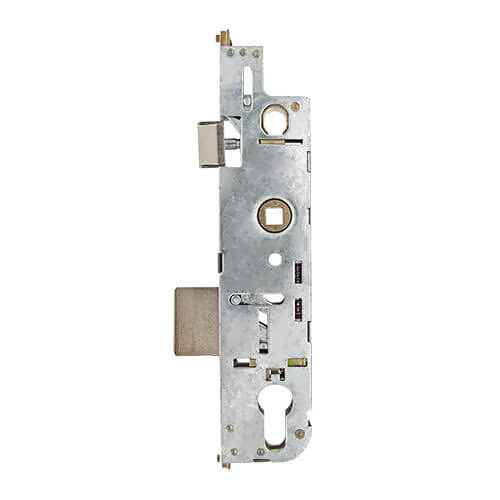
- Multipoint Gearbox GU Old Style
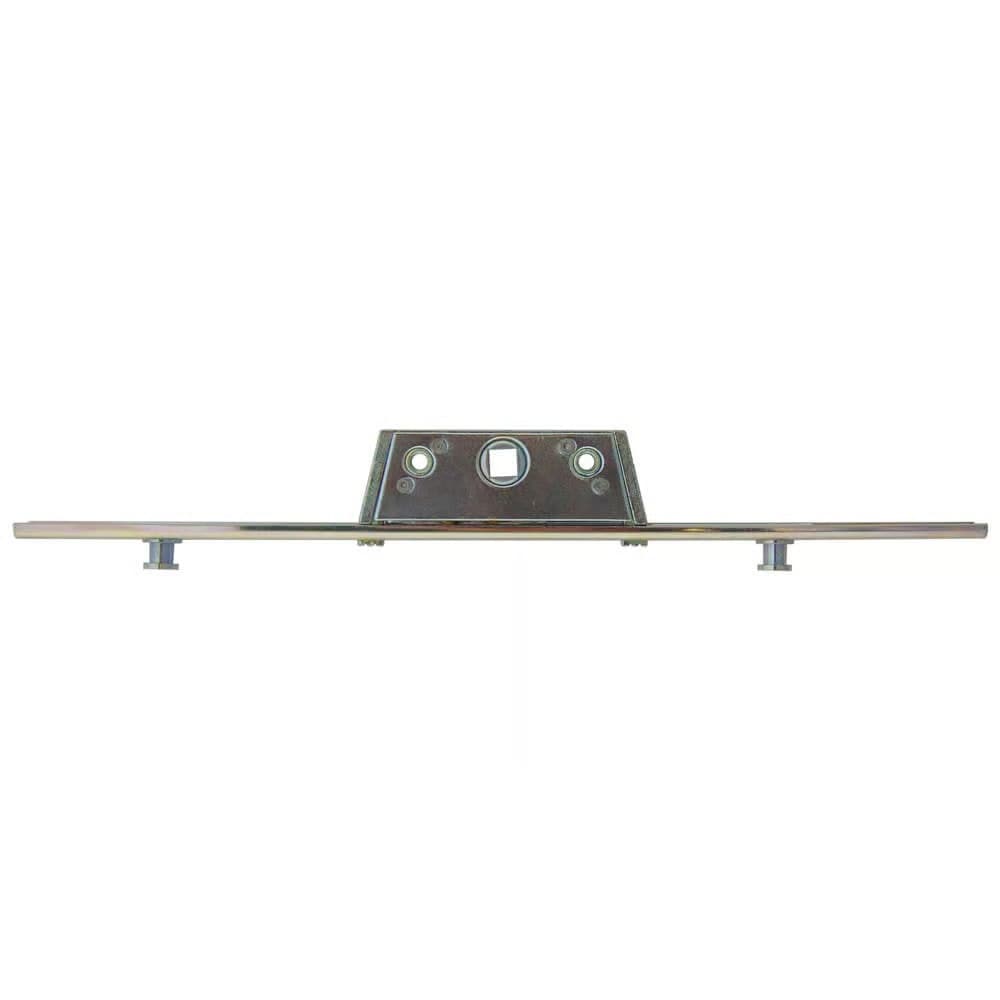
- In-Line Window Mechanism
- Offset Window Mechanism
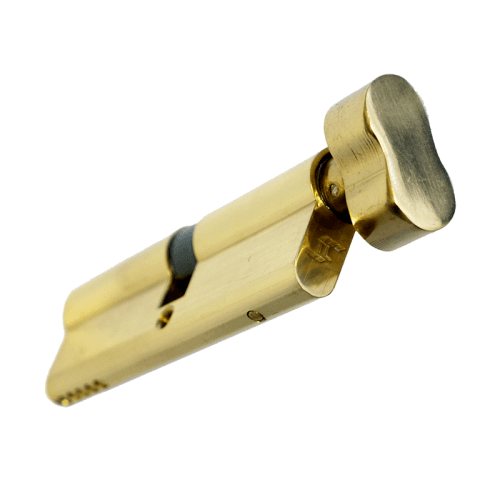
- TL Thumb Turn Euro Cylinder
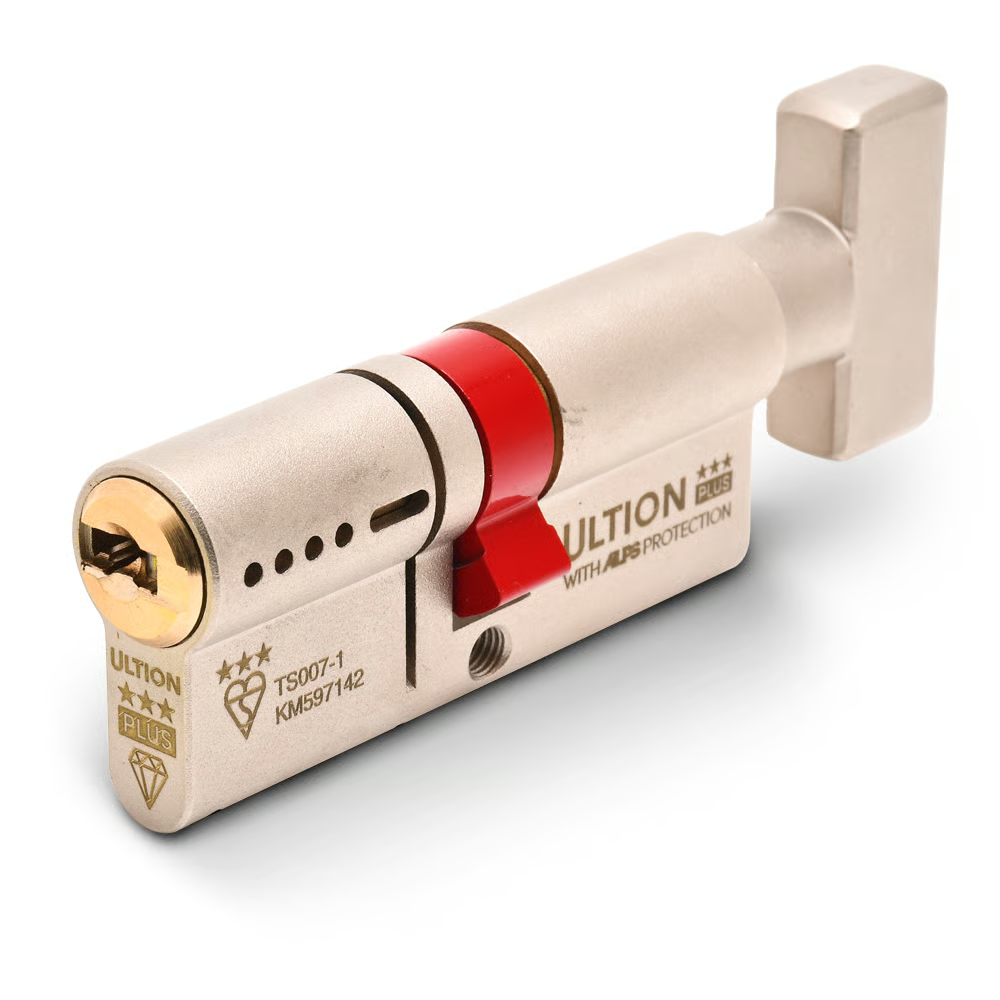
- Ultion Plus TS007 3* Kitemarked Euro Key & Turn Cylinder
Conclusion and next steps
Selecting the right multipoint door lock comes down to accurate measurement of centres, backset and the faceplate, plus attention to cylinder length, hook type and handing. Tradespeople should standardise stock to common sizes such as 92mm centres and 35mm/45mm backsets where possible; homeowners replacing a unit should measure carefully or seek a professional assessment. For more detailed product options and technical datasheets visit our pillar resource at /guides/door-locks or contact our trade desk for bespoke advice and a recommended parts list.

Related articles
uPVC Door Lock Maintenance: Keep Your Lock Working Smoothly
uPVC Door Lock Maintenance: Keep Your Lock Working Smoothly A well maintained upvc door lock reduces call-outs, keeps a property secure and extends the lif...
Hook Lock Sizes and Compatibility: Matching Your Existing Lock
Hook Lock Sizes and Compatibility: Matching Your Existing Lock Replacing a hook lock can be straightforward if you know what to measure and what to check f...
Replacing Individual Hook Locks vs Full Multipoint Mechanism
Replacing Individual Hook Locks vs Full Multipoint Mechanism Deciding whether to replace a single hook lock or the entire multipoint mechanism is a common ...