
How to Replace a uPVC Door Lock: Step-by-Step DIY Guide
How to Replace a uPVC Door Lock: Step-by-Step DIY Guide Replacing a uPVC door lock is a common task for both homeowners and trade professionals. Whether yo...
How to Replace a uPVC Door Lock: Step-by-Step DIY Guide
Replacing a uPVC door lock is a common task for both homeowners and trade professionals. Whether you need to swap a worn euro cylinder or replace a complete multipoint lock case, the process is straightforward when you have the right measurements, parts and tools. This post covers practical trade advice and DIY instructions for a successful repair, while highlighting safety and security upgrades.
Tools and parts required
- Screwdrivers: pozidrive and flat; #2 and #3 sizes commonly needed
- Torx set: T20 and T30 are often useful for modern hardware
- Allen keys for handle grub screws
- Tape measure and vernier caliper for accurate dimensions
- Replacement parts: euro cylinder, multipoint lock case or faceplate as required
- Long steel security screws for keeps (minimum 40mm into reinforcement)
- Silicone spray or dry graphite lubricant
- Protective eyewear and gloves
Identify your upvc door lock type
Before you remove anything, identify the lock you have: most modern uPVC doors use a multipoint locking system operated by a euro-profile cylinder and a handle spindle. Key measurements and details to record are:
- Backset: distance from the faceplate to the spindle centre; common sizes are 35mm or 45mm
- Case depth: from faceplate to edge of lock case
- Cylinder type and length: single, double or half; measure overall cylinder length and the distance each side of the fixing screw
- Faceplate length and fixing positions
- Manufacturer code if present on the faceplate or cylinder
Write these down. Buying the wrong size is the most common cause of delays. Also consider security upgrades: choose a TS007 3-star rated anti-snap cylinder where possible.
Step-by-step: replacing the euro cylinder only
- Open the door and move the handle so the spindle is central; this aligns the cam and makes cylinder removal easier.
- Remove the handle roses or lever handles: locate the grub screw on the underside of the handle and unscrew; pull the handle off gently.
- On the edge of the door, locate the cylinder fixing screw; this is usually halfway down the faceplate. Unscrew it while supporting the cylinder.
- Insert the key and rotate it slightly until the cylinder can be pulled out; pull the cylinder straight out while turning the key to align the cam.
- Measure the old cylinder for length and type; insert the replacement cylinder, using the same rotation technique to offer it into the barrel. Refit the fixing screw and tighten securely but do not overtighten.
- Refit handles, test the locking operation with the key and handle several times to ensure smooth engagement.
Trade tip: use stainless steel security screws for the fixing screw to reduce corrosion and improve longevity. If the cylinder is tight to operate, check for binding on the spindle or misaligned keeps before assuming the cylinder is faulty.
Step-by-step: replacing the whole multipoint lock case
- Support the door open on packing or a stand; do not rely on hinges alone while the lock is removed.
- Remove handles and cylinder as described above; leaving the cylinder can complicate removal.
- Unscrew the faceplate screws along the door edge; there may also be screws through the door into the lock case that need removal.
- With the latch retracted and the gearbox aligned, slide the lock case out from the edge. Some models are reversible; note the orientation and latch position for the new case.
- Offer the new case into the door; check that the spindle and cylinder align correctly before fully inserting. Tighten faceplate screws evenly to seat the case.
- Refit cylinder, handles and test fully: lock with the key, operate the handle and test all locking points including hooks and rollers.
- Adjust keeps in the frame if bolts do not engage smoothly: move keep position incrementally and secure with long screws into the steel reinforcement.
Trade tip: when fitting keeps use long M6 or M8 security screws driven into the steel reinforcement behind the uPVC. Short screws only bite the plastic and will loosen under load. Also use packers where necessary to ensure the keep sits flush and engages the bolt correctly.
Common problems and troubleshooting
- Door sticks or handle is stiff: check hinges and door alignment before changing the lock; a sagging door can cause premature lock failure.
- Key will not turn or cylinder has snapped: if a cylinder is partly snapped, you may need a locksmith; avoid forcing tools into the mechanism as this can damage the multipoint case.
- Locking points not engaging: adjust keeps and check the backset; if the lock case was fitted to the wrong backset the handles may not operate the gearbox correctly.
- Loose screws in frame: replace with longer stainless screws that reach the inner steel reinforcement; this improves security and durability.
- Lubrication: use silicone spray or dry graphite on the mechanism and cylinder; avoid oil-based lubricants that attract dirt and gum up the mechanism.
Safety and security considerations
Always ensure the door is supported when you remove the lock case. For any sign of attempted break-in or a snapped cylinder, consider contacting a locksmith immediately; do not delay replacing a compromised cylinder. For best practice upgrade to an anti-snap, anti-bump, anti-pick cylinder with a TS007 rating for enhanced security.
Recommended Products
Based on this article, you may find these products helpful:
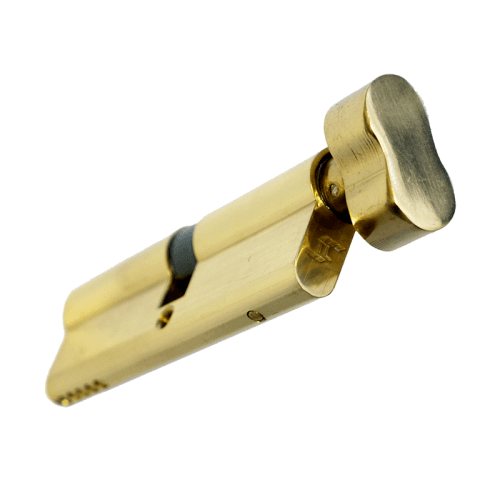
- TL Thumb Turn Euro Cylinder
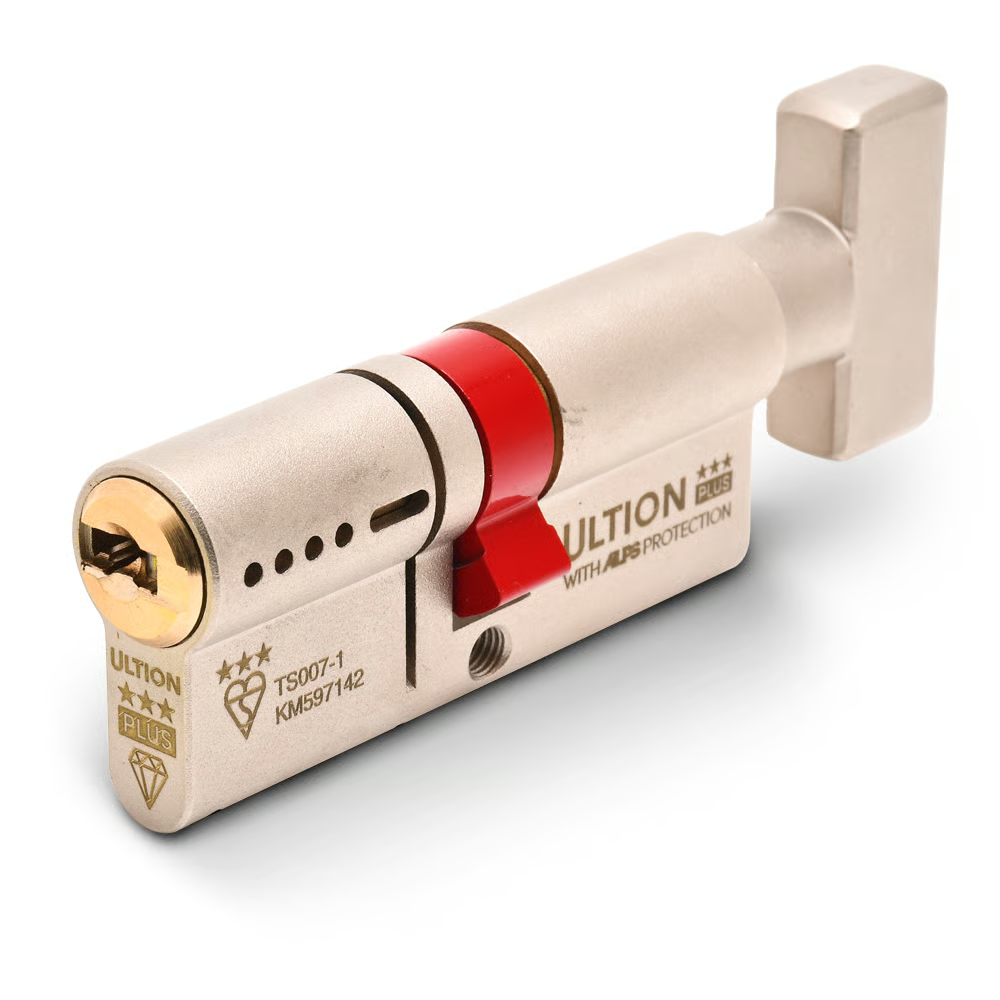
- Ultion Plus TS007 3* Kitemarked Euro Key & Turn Cylinder
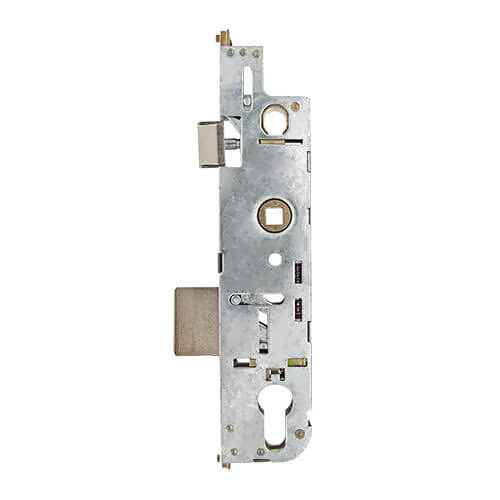
- Multipoint Gearbox GU Old Style
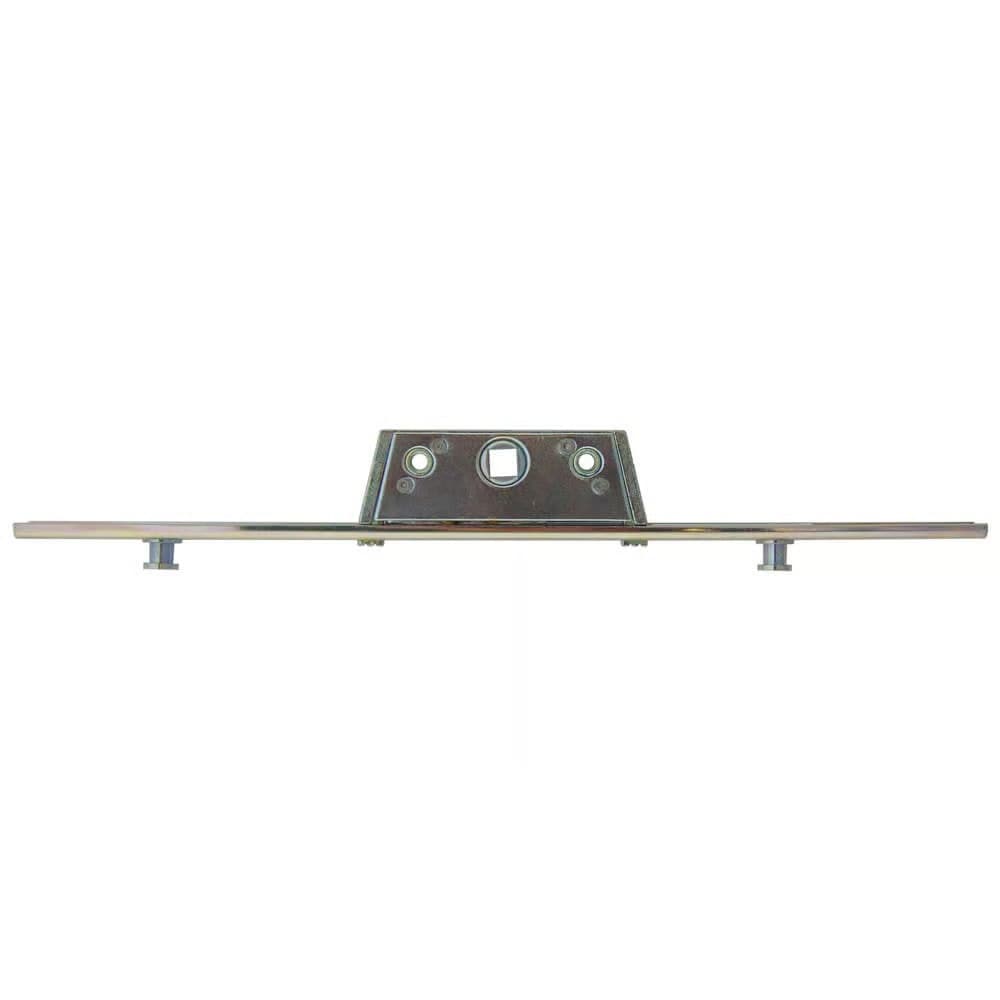
- In-Line Window Mechanism
- Offset Window Mechanism
Conclusion and next steps
Replacing an upvc door lock is achievable for competent DIYers and straightforward for trade professionals with the right measurements and parts. Start by identifying the cylinder and case dimensions, order a matching replacement or an upgraded anti-snap cylinder, and follow the steps above methodically. If you are unsure about a snapped cylinder or structural frame damage, contact a qualified locksmith.
For product selection and technical specifications visit our pillar page: /guides/door-locks or contact the Window Hardware Store technical team for trade advice and part matching.

Related articles
uPVC Door Lock Maintenance: Keep Your Lock Working Smoothly
uPVC Door Lock Maintenance: Keep Your Lock Working Smoothly A well maintained upvc door lock reduces call-outs, keeps a property secure and extends the lif...
Hook Lock Sizes and Compatibility: Matching Your Existing Lock
Hook Lock Sizes and Compatibility: Matching Your Existing Lock Replacing a hook lock can be straightforward if you know what to measure and what to check f...
Replacing Individual Hook Locks vs Full Multipoint Mechanism
Replacing Individual Hook Locks vs Full Multipoint Mechanism Deciding whether to replace a single hook lock or the entire multipoint mechanism is a common ...