
How to Stop Draughts: A Room-by-Room Draught Sealing Guide
How to Stop Draughts: A Room-by-Room Draught Sealing Guide Draughts are one of the simplest sources of heat loss in UK homes; they make rooms feel cold, in...
How to Stop Draughts: A Room-by-Room Draught Sealing Guide
Draughts are one of the simplest sources of heat loss in UK homes; they make rooms feel cold, increase heating bills and can cause condensation problems. A targeted approach room by room saves time and money. This guide covers practical DIY steps and trade-level tips for selecting and fitting the right draught seal solutions for windows, doors and other common leakage points.
General principles before you start
Begin with a survey: on a windy day, use a candle or smoke pencil to detect airflow around windows, doors, skirting and service penetrations. Note gap widths; this determines the type of seal required. Keep ventilation requirements in mind: do not block trickle vents or mechanical extract ventilation. For compliance and performance expectations refer to BS 6375 for windows and doors; this helps tradespeople specify seals and installation methods to achieve desired air permeability and weather resistance.
Front and back doors
Doors are the biggest single source of draughts in many homes. Common fixes include:
- Threshold seals and adjustable thresholds: fit an aluminium threshold with integrated brush or rubber sweep to seal the gap beneath the door while allowing smooth operation. Adjustable thresholds are useful where floors are uneven.
- Door bottom seals: use a continuous aluminium carrier with a silicone or EPDM blade, or a drop-down seal for exterior doors that require a tight weather seal. Ensure the seal compresses correctly with the door's swing and multipoint locking.
- Perimeter draught seal: apply a compression gasket in the frame rebate; for timber doors fit an adhesive-backed EPDM or foam draught seal in the frame groove, or fit a bulb gasket for larger gaps.
- Letterbox and keyhole: fit letterplate brush kits or a draught-excluding letterbox, and escutcheon draught seals for keyholes if needed.
Trade tip: check door operation with the lock engaged; multipoint locks rely on correct gasket compression to maintain weather performance. If replacing thresholds or seals on timber doors, ensure any new seal clearance accounts for paint layers and seasonal timber movement.
Windows: Sash, casement and double-glazed units
Window types need different solutions:
- Casement windows: fit compression seals in the frame or rebated pile seals on the sash. For metal frames use closed-cell PVC or silicone rubber gaskets that resist UV degradation.
- Sash windows: fit pile (brush) seals on the meeting rails and sash sides to reduce wind noise while allowing traditional operation; consider draught seal kits designed for sliding sashes that minimise friction.
- Sealing glazing beads: check glazing beads and replace perished glazing gaskets. Modern double-glazed units are sealed at manufacture; replace the unit if the edge seal has failed rather than trying to reseal at site.
DIY tip: clean mating surfaces thoroughly with isopropyl alcohol before applying adhesive-backed seals. For long-term performance use EPDM rubber seals where possible; foam seals are suitable for small gaps but age faster.
Living rooms, bedrooms and floorboards
Internal draughts often enter around skirting boards, skirting vents and between floorboards. Solutions include:
- Skirting and threshold gaps: apply silicone sealant in non-moving joints; use flexible acrylic or decorator's caulk where paintability is needed.
- Under-door draughts: for internal doors fit a simple brush seal or a rebated threshold strip to stop corridor-to-room drafts without affecting thermal comfort.
- Floorboards: for historic properties consider flexible filler and rope sash cord for larger gaps; seek heritage-compatible materials where listed-building rules apply.
Kitchen, bathroom and utility rooms
These rooms require a balance between draught proofing and ventilation to control moisture:
- Avoid sealing trickle vents that are part of an air-path for extractor fans; fit humidity-controlled vents if moisture is a persistent problem.
- Seal service penetrations for pipework and extractor ducts with fire-rated mastic where required; use intumescent seal if the penetration crosses a fire-resisting wall or floor.
- For boiler cupboards and meter cupboards ensure any draught seal work does not restrict combustion air; consult appliance manufacturer guidance.
Loft hatch, attic and roofline
Heat rises; loft access is a frequent loss point. Options are:
- Loft hatch draught seals: fit an adhesive EPDM or foam gasket around the hatch perimeter and a tapered insulating board to the underside. Use a latch to compress the seal for a reliable fit.
- Rooflights and conservatory seals: check manufacturer gaskets for compression and replace perished seals with the correct profile; many rooflight systems have proprietary draught seal strips.
- Chimneys and fireplaces: cap unused chimneys with a draught-tight chimney balloon or birdcage; ensure working fireplaces are fitted with a close-fitting throat or draught-reduction registers designed for chimneys.
Materials and installation best practice
Choose materials to suit the gap size and movement expected: bulb and D-profile gaskets for 3-12mm gaps; P-section and C-section seals where a push-in fit into a routed groove is possible; pile brush seals for sliding elements. Use stainless steel or plated fixings in external applications to avoid corrosion. For adhesive-applied draught seal strips ensure surfaces are clean, dry and at a suitable temperature; some adhesives benefit from light heating with a heat gun to improve tack.
For contractors: document gap measurements and specify seal profiles in drawings. Consider stock items such as EPDM compression seals, silicone rubber blades, bristle brush seals and multipoint-compatible door seals; these form the backbone of effective draught sealing work.
Maintenance and testing
Check seals annually and after heavy storms. Clean seals with mild detergent, inspect for UV degradation and replace if brittle or compressed. Perform a simple post-installation test: close doors and windows, then use smoke or a thermal imaging camera to confirm leakage has been cured.
Recommended Products
Based on this article, you may find these products helpful:
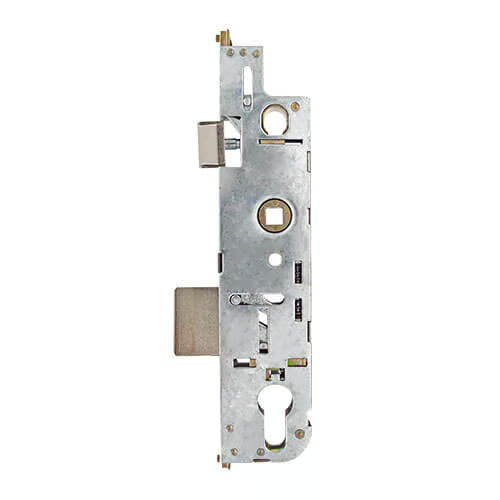
- Multipoint Gearbox GU Old Style
- E-Type Gasket - Black 5m Roll
- E-Type Gasket - Black (Per Metre)
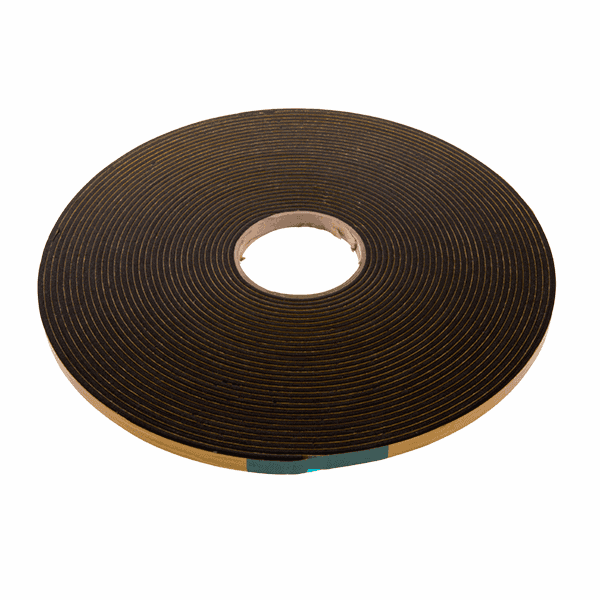
- Structural Glazing Tape - 20mm
- Security Glazing Tape
Conclusion and next steps
Stopping draughts is mostly about the right product in the right place and careful installation. Start with the highest-loss areas: external doors, windows and loft hatches. For trade professionals, specify seals to BS 6375 where air permeability and weather performance are contractual requirements. For homeowners, simple measures such as adhesive draught strips, brush seals and improving thresholds will deliver noticeable savings.
For product selection and technical datasheets visit our pillar guidance on gaskets and seals at /guides/gaskets-seals or contact Window Hardware Store for bespoke recommendations and trade pricing.
Products mentioned in this article
Related articles
Draught Seal Types Compared: Foam, Rubber, Brush, and Compression
Draught Seal Types Compared: Foam, Rubber, Brush, and Compression Draught seal selection matters for energy efficiency, comfort, and the longevity of windo...
How to Prepare Surfaces for Draught Seal Installation: Getting Adhesion Right
How to Prepare Surfaces for Draught Seal Installation: Getting Adhesion Right Proper surface preparation is the single most important factor for long-lasti...
How to Fit Draught Seals Around Windows: Complete Installation Guide
How to Fit Draught Seals Around Windows: Complete Installation Guide Fitting a draught seal is one of the most cost-effective ways to reduce heat loss, eli...