
How to Stop Neighbourhood Cats Coming In: The Microchip Solution
How to Stop Neighbourhood Cats Coming In: The Microchip Solution Neighbourhood cats slipping into your home can be frustrating for homeowners and a nuisanc...
How to Stop Neighbourhood Cats Coming In: The Microchip Solution
Neighbourhood cats slipping into your home can be frustrating for homeowners and a nuisance for tenants. A microchip cat flap provides controlled access that allows only chipped pets to enter; this reduces unwanted visitors while keeping your own cat free to come and go. This post covers the technical points, trade advice and DIY steps for installing and commissioning a microchip-enabled pet flap in doors, panels and glazing.
Why choose a microchip cat flap
Microchip cat flaps use the animal's implanted ISO microchip as an identity token. They are more reliable than collar tags; collars can fall off or be copied. Key advantages include:
- Selective entry for chipped pets only: stops neighbours' cats coming in.
- Hands-free operation: no need for manual locking each time.
- Programmable modes: entry only, exit only, timed locking and manual lock.
- Memory capacity for multiple pets: suitable for multi-cat households.
How microchip cat flaps work
The flap contains an RFID reader tuned to ISO 11784/11785 at 134.2 kHz, which is the standard microchip frequency used in the UK. When a cat approaches, the reader wakes and scans for an implanted microchip; if the ID matches a stored number the actuator unlocks and lets the cat through. Some manufacturers also support 125 kHz collar tags, but rely primarily on the 134.2 kHz standard for implanted microchips.
Compatibility checks before buying
Tradespeople and homeowners should confirm compatibility before purchase:
- Check the flap supports ISO 11784/11785 134.2 kHz microchips; older 125 kHz chips are less common in the UK.
- Verify the number of IDs the unit can store; larger properties with multiple cats need higher memory capacity.
- Assess reading range: some cats carry their microchip further back; ensure the reader is sufficiently sensitive.
- Consider power: battery-operated models require periodic replacement; mains-powered units reduce maintenance but need certified electrical work for hardwiring.
Practical installation advice for doors and windows
Where you fit a microchip cat flap affects the procedure and hardware requirements. Common installation locations include uPVC doors, timber doors, composite doors, panelled doors and glazed units. Key considerations include:
- Structural integrity: avoid cutting into areas that contain multi-point lock mechanisms or reinforcement in composite and uPVC doors. Consult door manufacturers' guidance if unsure.
- Glazing: installing in double glazing normally requires replacing the sealed unit with one pre-cut to fit the flap; glass cutting should be carried out by a glazing specialist to preserve insulation and safety.
- Weatherproofing: use the manufacturer’s brush seals and silicone where required; ensure the external frame and inner frame sit flush to prevent draughts.
- Security: choose models with an electronic lock and steel-reinforced frames to prevent forced entry; check how the flap interacts with existing door locks.
DIY step-by-step installation
Follow these steps for a standard timber or panel door installation. For uPVC, composite or glazing work follow the manufacturer instructions and consider trade support if you are not confident.
- Measure and mark: set the flap height at the cat’s shoulder for easy use. Use the manufacturer’s template and double-check centre-lines and plumb lines.
- Prepare tools: drill, jigsaw with appropriate blade, router for neat edges in timber, hole saw for circular cutouts, screwdriver, spirit level and PPE. For uPVC, use a blade suited to plastics and consider step-cutting to avoid tearing.
- Create pilot holes: drill pilot holes at the corners of the template; cut the aperture with steady, clean passes. Keep dust extraction on for neat work and to protect seals.
- Fit inner and outer frames: assemble the pet flap per instructions; apply silicone beads where recommended and use corrosion-resistant screws. Ensure electrical components are placed away from damp.
- Seal and finish: check for even gaps, use foam packers if required to align the frames, then seal externally with a weatherproof silicone. Recheck door operation and lock engagement.
- Electrics: if fitting a mains-powered unit plan cable run inside the frame; hardwiring should be carried out by a qualified electrician to comply with Part P regulations.
Commissioning and programming the microchip cat flap
After mechanical installation you need to program the flap to recognise each cat:
- Read each cat’s microchip with a scanner to confirm the ID number and location of implantation; update registration details if necessary.
- Follow the flap manufacturer’s process to add IDs to memory: usually present the cat to the reader and press the programme button to store the tag.
- Test operation repeatedly: check both entry and exit modes, low-battery warnings and lock behaviours. Simulate interference sources such as nearby metalwork which can reduce read range.
Troubleshooting and trade tips
Common issues and professional tips:
- Read errors: relocate the reader module slightly if the cat needs to be too close; metal door cores can reduce range so test before final sealing.
- Battery life: use high-quality batteries and consider units with a low-battery indicator or a mains boost; train the homeowner on expected battery replacement intervals.
- Multi-cat households: confirm memory capacity and set specific lock modes if you want different access schedules for individual animals.
- Door reinforcement: when cutting into uPVC or composite doors avoid cores containing reinforcing steel; if unavoidable fit a steel reinforcement plate supplied by the manufacturer or a specialist fitter.
Training your cat and managing neighbour relations
Getting your cat used to the flap takes patience: start with the flap set to 'open' or 'free entry' and use treats to encourage passing through. Gradually enable microchip-only modes once the cat is confident. Communicate with neighbours if stray cats are common: a polite request to have their pet checked or chipped can help; keeping doors and windows closed until the flap is programmed reduces incidents.
Recommended Products
Based on this article, you may find these products helpful:
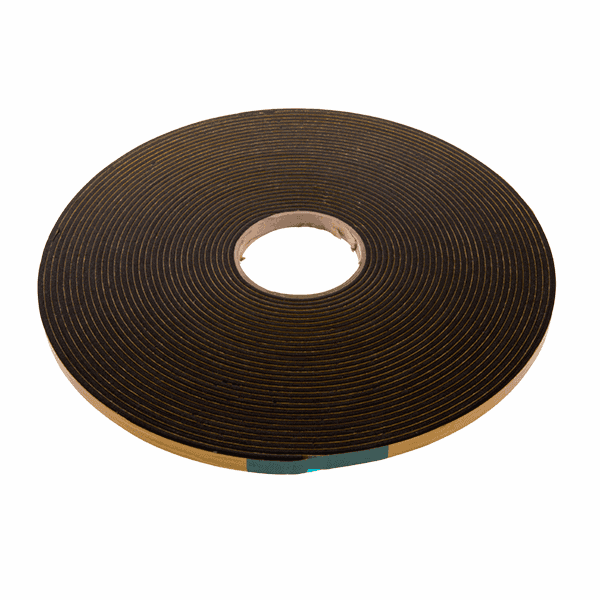
- Structural Glazing Tape - 20mm
- Security Glazing Tape
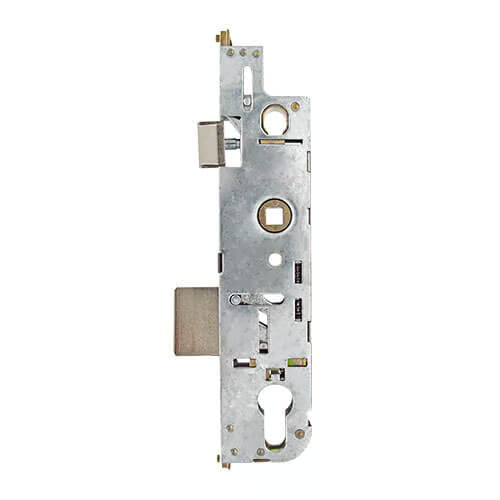
- Multipoint Gearbox GU Old Style
- In-Line Window Mechanism
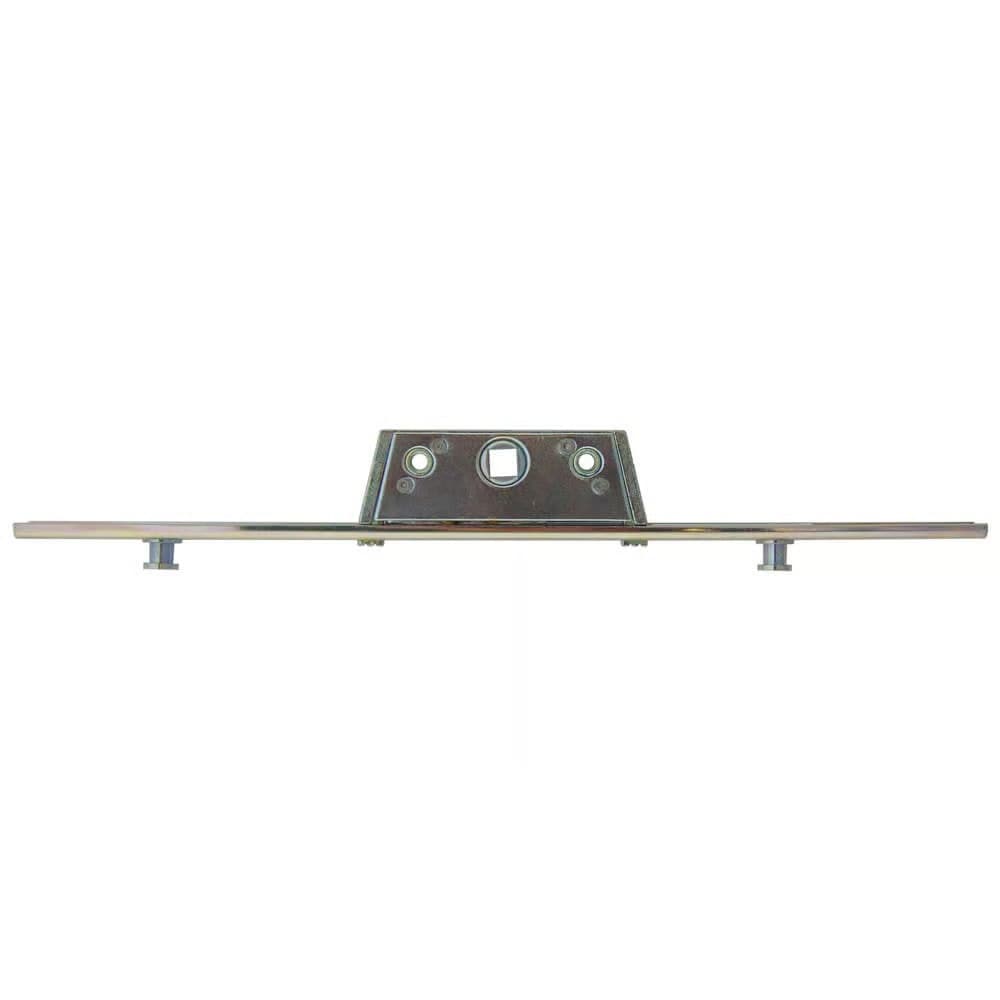
- Offset Window Mechanism
Conclusion and next steps
A microchip cat flap is an effective solution to stop neighbourhood cats coming in while allowing owned pets freedom. For best results confirm microchip compatibility, choose the right model for your door or glazing, and follow proper installation and programming steps. For complex doors, glazing or mains wiring, engage a specialised fitter or electrician.
Further reading and product options can be found on our pet flap resource hub: /guides/pet-flaps. If you are a trade professional ordering for clients, check manufacturer templates and reinforcement kits to ensure a secure, weatherproof installation.

Related articles
Rented Property Cat Flap Options: What Landlords Need to Know
Rented Property Cat Flap Options: What Landlords Need to Know Installing a cat flap in a rented property can improve tenant satisfaction but it raises ques...
Replacing uPVC Door Panels with Cat Flap Panels: A Cleaner Solution
Replacing a uPVC door panel with a purpose-made cat flap panel is a practical way to give pets easier access while keeping the rest of the door intact. Whe...
Dog Flap Insulation: Preventing Heat Loss Through Larger Pet Doors
Dog Flap Insulation: Preventing Heat Loss Through Larger Pet Doors Large dog flaps are convenient for owners and pets, but they create a significant therma...