
How to Store and Organise Your Double Glazing Supplies Like a Pro
How to Store and Organise Your Double Glazing Supplies Like a Pro: whether you are a tradesperson running a small glazing business, or a homeowner keeping ...
How to Store and Organise Your Double Glazing Supplies Like a Pro: whether you are a tradesperson running a small glazing business, or a homeowner keeping spare parts for repairs, sensible storage and organisation protect stock, save time on site, and reduce waste and breakages.
Why correct storage matters
Double glazing supplies include delicate items such as sealed units, glazing beads, gaskets, aluminium and PVC-U profiles, and precision hardware like espag bolts and multipoint locks. Poor storage leads to warped frames, scratched glass, compressed seals, corroded fixings, and failed warranties. Good storage protects product performance; it also reduces replacement costs and improves efficiency on installations and maintenance visits.
Storage basics for glass and sealed units
Glass and insulated glass units (IGUs) need special care. Follow these practical rules:
- Store sealed units upright on edge; never stack them flat. Horizontal storage increases the risk of seal failure and bending.
- Use A-frame racks or purpose-built glass racks with rubber or neoprene supports; ensure even support along the length and soft protection at contact points.
- Keep units in their original protective film until just before installation; this prevents scratches and protects low-emissivity coatings.
- Allow space between units for air circulation to avoid condensation forming inside the stacks.
- Store IGUs in a dry, frost-free area away from direct sunlight and heat sources; temperature extremes can stress seals and glass spacer bars.
How to store profiles and long extrusions
Aluminium and PVC-U profiles, cills and transoms are long and prone to sagging and warping:
- Store horizontally on racking with supports every 1.2 to 1.5 metres; shorter spans prevent deflection.
- Ensure supports are wide and flat; avoid point loading which can dent soft profiles.
- Cap the ends or keep original end-protection to prevent dirt ingress and protect against knocks.
- Keep extrusions out of direct sun to avoid thermal distortion and discolouration of PVC-U.
Organising hardware, seals and small parts
A well-organised small parts area saves time on site. Use modular storage solutions and clear labelling:
- Use stackable bins, drawer cabinets or slotted shelving for handles, keep sets, hinges, keys and screws. Label each compartment with part numbers and recommended applications.
- Sort fixings by material and length; keep stainless steel or zinc-plated screws for external use in a separate, clearly marked section.
- Store compression seals and gaskets flat or on wide spools; avoid sharp bends which can crease the profile.
- Keep hinges and lock gear in their original packaging where possible; this prevents corrosion and preserves warranty details.
- Use magnetic strips or pegboards for commonly used metal tools and smaller hardware to speed picking.
Adhesives, foams and chemicals: safety and COSHH
Adhesives, solvents and expanding foams are invaluable but potentially hazardous. Manage them safely:
- Store flammable or hazardous materials in a locked, ventilated cabinet; follow COSHH guidelines and manufacturer recommendations.
- Keep adhesives and sealants at recommended storage temperatures; some products separate or cure prematurely in extremes.
- Label all containers clearly with contents, batch number and expiry date; dispose of out-of-date materials responsibly.
- Store primers and cleaners separately from sealants to avoid contamination; keep rags and solvent-soaked items in a designated metal bin with lid.
Inventory systems and stock rotation
A simple inventory system prevents over-ordering and ensures you use stock before it expires. Practical approaches include:
- Implement FIFO: first in, first out. Position newer items behind older stock so older stock is used first.
- Use clear labelling with part numbers, supplier codes and bin locations. Colour-coded labels help identify categories quickly.
- Consider a basic barcode or QR system for larger operations; even a spreadsheet with regular stock checks reduces lost parts and downtime.
- Keep a small “service kit” box for common on-site repairs: spare handles, shootbolts, gaskets and sealant. Replenish it after each job.
Van and site storage tips for trade professionals
Mobile storage needs to balance accessibility and security:
- Use fitted racking with straps and non-slip surfaces to secure sealed units and long profiles; A-frames that fold away are efficient for vans.
- Store heavy items low and secure; keep delicate hardware in lockable, padded drawers.
- Keep duplicate tools and a compact parts kit so you can complete typical repairs without returning to the depot.
- Mark boxes with job numbers and customer names for dedicated delivery to site; this prevents confusion on multi-job days.
Maintenance and checks
Regular checks protect stock and ensure compliance:
- Inspect stored IGUs and profiles monthly for signs of moisture, condensation, warp or damage.
- Check adhesive expiry dates quarterly and rotate stocks accordingly.
- Test racking and shelving load ratings annually and replace any worn supports or padding.
- Keep a maintenance log for larger depots; record any damaged items, repairs and reorders to monitor trends and reduce repeat issues.
DIY homeowner storage advice
Homeowners with a small amount of spare parts can still benefit from good organisation:
- Keep spare handles, keys and small packs of screws in a labelled plastic box stored in a cool, dry cupboard.
- Store small lengths of beading and gaskets flat in a drawer to avoid kinking.
- Avoid storing sealed units in uninsulated garages over winter; cold and damp accelerate seal deterioration. If short-term storage is unavoidable, keep them fully wrapped and upright.
- Keep a list of spare parts and ideal suppliers; this helps when you need a replacement quickly.
Recommended Products
Based on this article, you may find these products helpful:
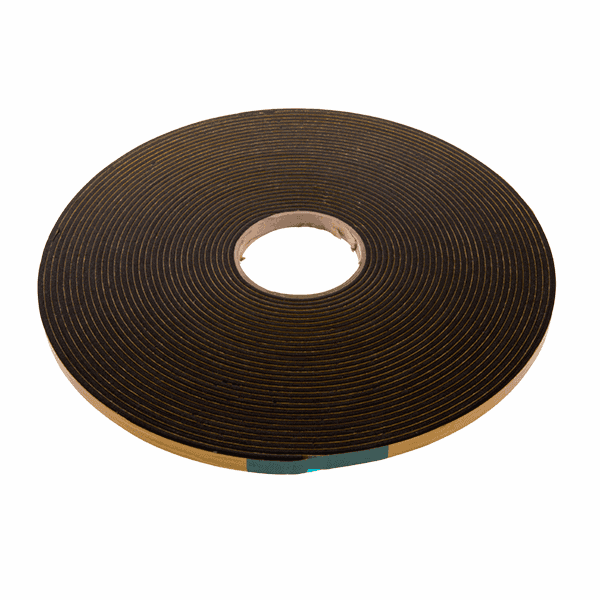
- Structural Glazing Tape - 20mm
- Security Glazing Tape
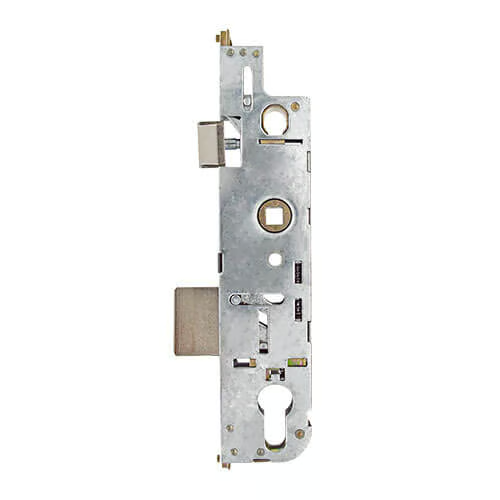
- Multipoint Gearbox GU Old Style
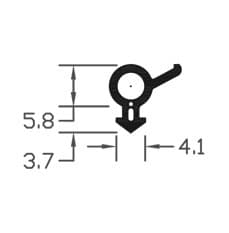
- B003 Bubble Gasket
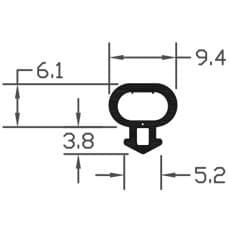
- B004 Bubble Gasket
Conclusion and next steps
Good storage combines sensible layout, correct handling and regular checks: store glass upright; support long profiles to prevent sagging; segregate hazardous materials; and label everything for fast access. For trade businesses, investing in purpose-built racking and an inventory system pays back in reduced waste and faster turnaround. Homeowners should focus on a small, dry, organised space for spares.
Next steps: audit your current stock and storage, implement a labelling system, and prioritize upgrades such as A-frame racks or locked chemical cupboards. For more detailed lists of double glazing supplies and recommended products, see /guides/double-glazing-supplies or contact a specialist supplier for tailored advice.
Products mentioned in this article
Related articles
How Old uPVC Window Parts Differ from Modern Replacements
How Old uPVC Window Parts Differ from Modern Replacements Older uPVC windows fitted in the 1980s and 1990s were robust for their time, but the components u...
Glazing Tools Safety Guide: Avoiding Common Injuries
Glazing Tools Safety Guide: Avoiding Common Injuries Working with glazing tools carries a real risk of cuts, crushed fingers and slips when handling panes ...
How to Maintain Your Glazing Tools for Longer Life
How to Maintain Your Glazing Tools for Longer Life Whether you are a trade glazier or a DIY homeowner replacing a pane, well‑maintained glazing tools save ...