
Microchip Cat Flap for Multiple Cats: Managing Access for Each Pet
Microchip Cat Flap for Multiple Cats: Managing Access for Each Pet Microchip cat flaps are the preferred solution for UK households with several cats. They...
Microchip Cat Flap for Multiple Cats: Managing Access for Each Pet
Microchip cat flaps are the preferred solution for UK households with several cats. They allow selective access based on each animal's implanted ISO microchip or an assigned tag; this avoids neighbour cats entering, reduces fighting at the door, and gives owners precise control of who comes in and out. This article covers practical trade advice and DIY guidance for choosing, installing and managing a microchip-enabled flap in doors, panels and walls.
How microchip cat flaps work and key features for multiple cats
Modern microchip cat flaps read the unique ID from an implanted ISO 11784/11785 chip or from an associated RFID tag. The flap checks that ID against an internal authorised list and then unlocks for permitted cats. Features to look for when managing multiple pets include:
- Capacity to store many IDs: check the manufacturer’s limit if you have more than three or four cats.
- Separate entry and exit permissions: set some cats to enter only, exit only, or full in/out access.
- Locking modes and schedules: time-based locking to keep cats in overnight or deny access during certain hours.
- Two-way recognition: flaps that read on approach and on exit reduce false positives and avoid trapping pets.
- Low-battery and fault alerts: crucial for multi-cat homes to avoid unexpected lockouts.
Choosing the right model for doors, glazing and walls
Select a flap that matches the installation substrate: uPVC, timber, composite, aluminium or glazed units all require different approaches. For glazed panels it is often safer to swap the glazing unit for a pre-cut panel supplied with the flap; cutting toughened glass is not a DIY task. For panel doors and timber, many trade-fit models provide templates and reinforcement plates to maintain structural integrity.
- uPVC: use flaps designed for uPVC; remove the door leaf where possible and use the supplied template and router or jigsaw; ensure you do not cut into the locking rail or multi-point lock zone.
- Composite doors: check with the door manufacturer; some composite cores require specialist kits and additional reinforcement plates to preserve strength and weather performance.
- Aluminium: use stainless fixings and pilot holes; aluminium doors may need mechanical fasteners or pop rivets supplied by the manufacturer.
- Brick or cavity wall: choose tunnel-style flaps with extension sleeves for thick walls and ensure damp proof course is not compromised.
Practical trade tips for installation
Trade professionals should follow these practical steps to ensure a secure, draught-proof and reliable installation:
- Use the manufacturer’s template: check dimensions twice; misalignment causes poor seals and recognition problems.
- Maintain door security: avoid cutting through lock rails; if unavoidable, install reinforcement plates and test multipoint locks after fitting.
- Seal correctly: use a neutral-cure silicone for external seals to avoid degrading plastics; fit foam gaskets where provided to prevent rattles and draughts.
- Electrical feed: for mains models, run cable through the door via the supplied grommet or use a discreet trunking; if fitting to an external wall, use a proper IP-rated junction box.
- Use stainless fixings: external hardware should resist corrosion; countersink where necessary to avoid rubbing on the flap frame.
- Test with the door closed: confirm flap reads chips reliably in the final location rather than during pre-fit testing only.
DIY guidance for homeowners
If you are fitting your own microchip cat flap, follow these practical guidelines to get it right first time:
- Check your cat’s chip: most UK cats are microchipped already; use a pet scanner at a vets surgery or ask a pet shop to read the ID before purchasing a flap.
- Register IDs before fitting: programme each cat’s 15-digit ISO number into the flap using the control panel or app. Keep a record of IDs and who they belong to.
- Position carefully: fit the flap at a height comfortable for your smallest cat; allow 5cm clearance all round and check the door structure behind the cut-out for wiring or reinforcing straps.
- Cutting: use correct tools: a drill for starter holes, a jigsaw for timber or composite, and a router for a cleaner finish on uPVC. Always clamp and protect the door surface to prevent chipping.
- Weatherproof: fit supplied seals and check for draughts; consider an internal cover plate for winter to save heat loss when the flap is locked.
- Power supply: battery models are easiest; mains-powered flaps avoid frequent battery changes but need a safe, compliant installation by a competent person if wiring is required.
Managing multiple cats with programming and behaviour
Programming multiple cats is straightforward but plan the process for minimal disruption: scan or input each cat’s microchip, give each a name or ID in the unit if supported, and set permissions. Useful management strategies include:
- Staggered training: teach cats to use the flap one at a time; reward and encourage each cat so they associate the flap with positive outcomes.
- Temporary exclusion: use a “lockout” mode for individual cats if you need to restrict access for behavioural or medical reasons.
- Curfew timings: program the flap to close overnight to keep cats in for safety and to reduce wildlife predation.
- Backup access: consider a mechanical lock or manual cover for when the electronics fail or batteries run out; keep a spare key or emergency procedure available.
Troubleshooting and maintenance
Common issues include failure to read a chip, false reads or intermittent operation. Troubleshoot with these checks:
- Check batteries and replace promptly; low voltage affects read range.
- Confirm the chip is ISO-compliant and implanted correctly; some older chips operate on different frequencies and may need a tag instead.
- Ensure the flap’s antenna coil is not blocked by metal inserts or reinforcement plates; re-locate the flap if interference is suspected.
- Clean the detector area and ensure no dirt or cobwebs reduce sensitivity; keep seals lubricated with a furniture-safe product if they stick.
- Update firmware if the manufacturer provides updates; connect via the app or USB as instructed.
Recommended Products
Based on this article, you may find these products helpful:
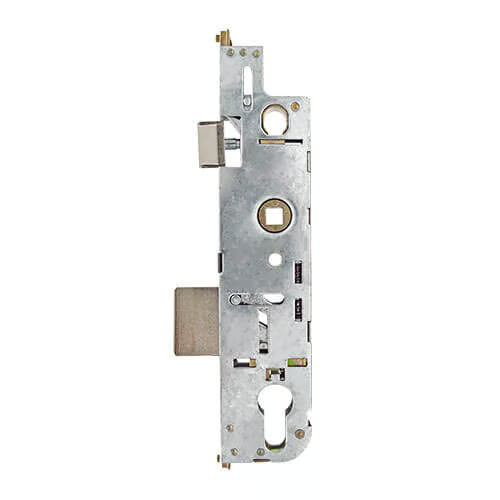
- Multipoint Gearbox GU Old Style
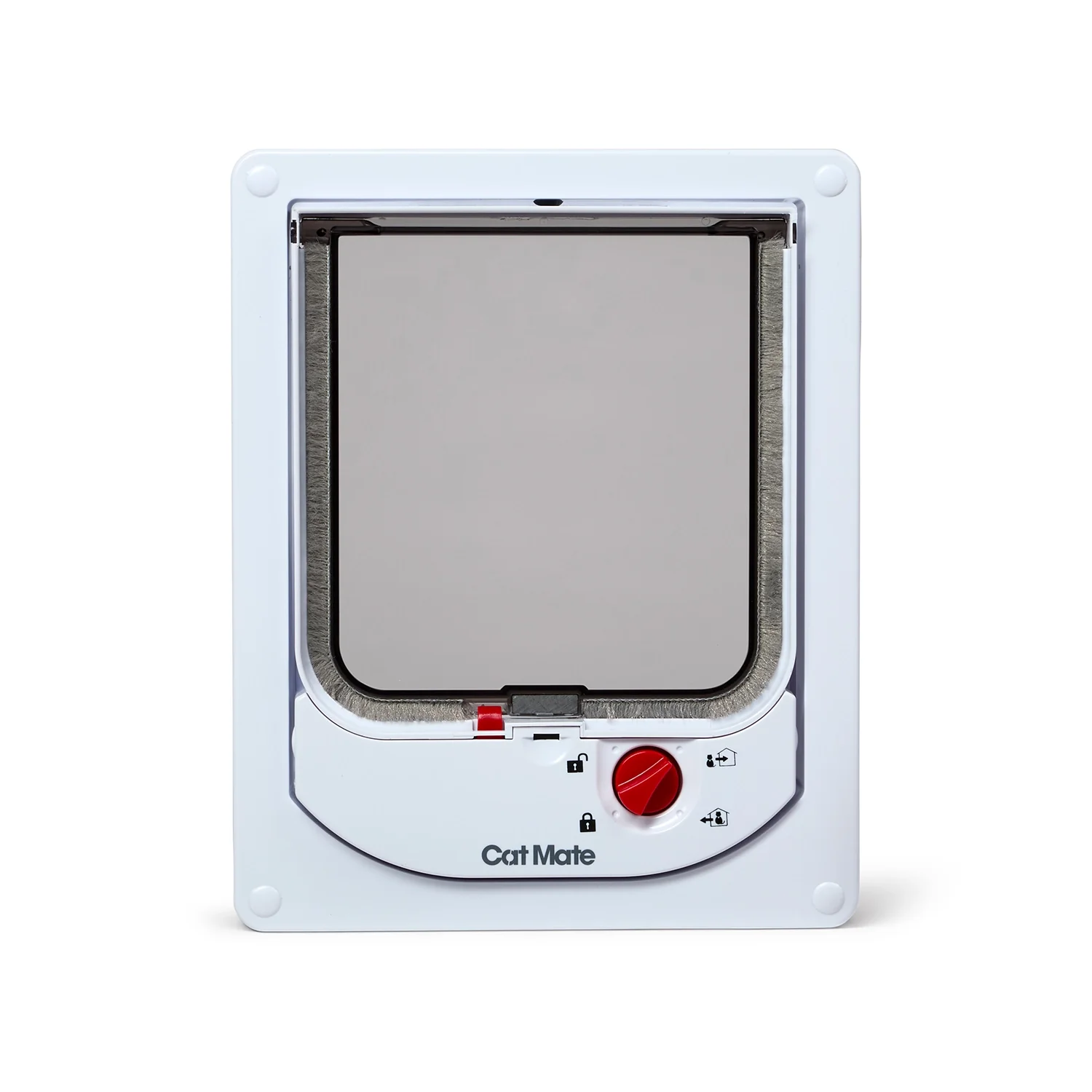
- Cat Mate Electromagnetic Cat Flap
- E-Type Gasket - Black 5m Roll
- E-Type Gasket - Black (Per Metre)
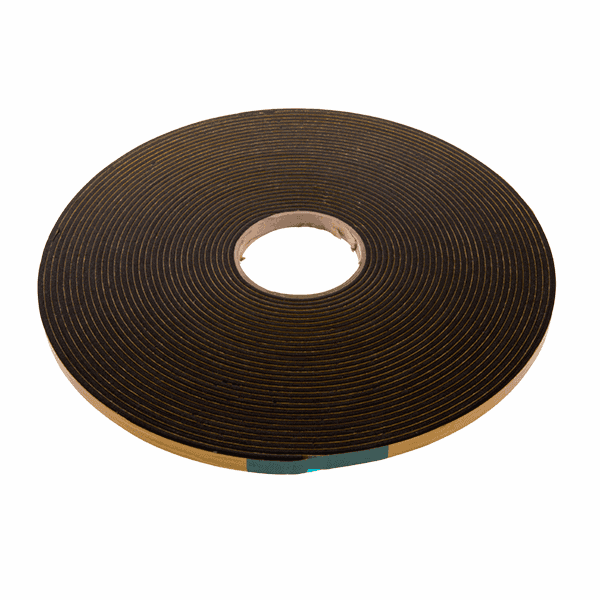
- Structural Glazing Tape - 20mm
Conclusion and next steps
A microchip cat flap offers precise control for multi-cat households when chosen and installed correctly. Start by checking your cats’ microchip details, select a model suited to the door or wall material, and follow manufacturer templates and sealing instructions. For trade professionals, use stainless fixings, reinforcement plates and neutral-cure silicone to maintain security and weather performance.
Next steps: visit our pillar page at /guides/pet-flaps for product comparisons and templates; contact Window Hardware Store’s trade counter for model recommendations, kit compatibility and technical support; or book a professional installation if you are unsure about cutting structural door components or wiring a mains-powered unit.
Products mentioned in this article
Related articles
Rented Property Cat Flap Options: What Landlords Need to Know
Rented Property Cat Flap Options: What Landlords Need to Know Installing a cat flap in a rented property can improve tenant satisfaction but it raises ques...
Replacing uPVC Door Panels with Cat Flap Panels: A Cleaner Solution
Replacing a uPVC door panel with a purpose-made cat flap panel is a practical way to give pets easier access while keeping the rest of the door intact. Whe...
Dog Flap Insulation: Preventing Heat Loss Through Larger Pet Doors
Dog Flap Insulation: Preventing Heat Loss Through Larger Pet Doors Large dog flaps are convenient for owners and pets, but they create a significant therma...