
Microchip Cat Flap Guide: How They Work and Why You Need One
Microchip Cat Flap Guide: How They Work and Why You Need One What is a microchip cat flap? A microchip cat flap is an electronic pet door that selectively ...
Microchip Cat Flap Guide: How They Work and Why You Need One
What is a microchip cat flap?
A microchip cat flap is an electronic pet door that selectively permits entry and exit by reading a pet's implanted microchip or an authorised RFID collar tag. Unlike traditional cat flaps that let any animal in, microchip models use an identification system to unlock only for registered animals; this reduces stray or other animals entering your home and improves security. They are available for fitting into doors, walls and double-glazed units and are popular with UK homeowners and trade professionals for controlled access and peace of mind.
How they work
Most modern microchip cat flaps read ISO standard microchips: the UK standard is FDX-B 134.2kHz. When your cat approaches, a reader coil in the flap emits a low-frequency magnetic field; a passive implanted microchip receives power from that field and transmits a unique ID code back. The flap's controller compares this code with an authorised list; if it matches, a motorised mechanism unlocks the flap for a preset time. Models vary in locking mechanism: some use a motorised latch, others use solenoids or electromagnetic locks. Many offer modes such as locked, in-only, out-only and in-out, plus timed schedules for night locking.
Benefits for homeowners and tradespeople
Microchip cat flaps offer multiple benefits for householders and installers: improved security by preventing unauthorised access; reduced cat fights and theft; no need for collar tags that can snag; and flexible control features that suit different properties. For trade professionals, specifying the correct type avoids later problems with door integrity, weatherproofing and glazing warranties. They provide a reliable, low-maintenance solution that integrates with most modern doors and glazing systems when installed correctly.
Choosing the right model
- Compatibility: Ensure the flap reads FDX-B 134.2kHz microchips; some older or cheaper models only read proprietary RFID tags.
- Size: Choose a flap sized for the animal; manufacturers give flap dimensions and maximum pet weight.
- Power: Battery-operated models are easiest for retrofit; mains-powered or low-voltage options are available for heavy-use situations.
- Installation location: Door, wall or sealed glass unit; sealed units must be replaced by a glazier if a flap is required in the glazing.
- Locking modes and programming: Multi-mode flaps with programmable schedules are useful for households with routines or multiple animals.
- Build quality: Look for weatherproofing ratings, stainless steel tunnel options and replaceable seals for long life.
Installation: DIY and trade considerations
Installation differs by substrate. For wooden doors a competent DIYer with a router and jigsaw can follow manufacturer templates to cut the aperture and recess the locking mechanism. Use a guide bush and several shallow passes to avoid splintering; seal the cut edges to prevent moisture ingress. For uPVC doors check the location of steel reinforcements and multi-point lock mechanisms before cutting. Many uPVC doors have foam cores; avoid cutting through reinforcement bars and consult the door manufacturer if uncertain.
Composite and metal doors often need specialist tools and skills; the core materials and factory finishes can be damaged by incorrect cutting. For double-glazed units the correct approach is to replace the sealed unit with one factory-fitted with the cat flap; cutting into a sealed unit on site will void the glazing warranty and risk condensation. For wall installations a brick or block core drill and a lined tunnel are required; ensure the tunnel has a weatherproof external cowl and is insulated to prevent cold bridges.
Basic DIY tool list: manufacturer template, pencil, spirit level, jigsaw or router, drill and holesaws, files and sandpaper, sealant, screws and fixing plates, dust extraction and PPE. Trade professionals should carry a template kit, reinforced door cutting blades, and a selection of tunnel lengths and external covers to match common door and wall thicknesses.
Practical trade advice
- Survey first: Before ordering a unit confirm door construction, reinforcement locations, lock gear and glazing warranties.
- Use templates and slow cuts: Avoid splitting door skins by making shallow passes and supporting both faces.
- Weatherproofing: Fit the external flap cowl with suitable sealant; replace seals annually if used in exposed positions.
- Security: For external doors install flaps that lock fully into the frame when secured; avoid flaps that leave a gap that could be exploited to manipulate multipoint locks.
- Fire and conservation: Do not fit in fire doors or listed building windows without appropriate approvals; consult a structural or conservation specialist where required.
- Glazing: Recommend replacing the sealed unit for glazed installations; supply a written note explaining warranty implications if a customer considers cutting into an existing sealed unit.
Maintenance and troubleshooting
Routine maintenance keeps a microchip cat flap reliable. Replace batteries according to the manufacturer and use quality cells; low battery can lead to intermittent reading failures. Clean the reader coil area, remove hair and debris from the tunnel and seals, and inspect seals and external cowls for wear. If the flap fails to read a microchip, check the chip type and position: some older microchips are not compatible and a microchip scanner can confirm the frequency. Re-train or re-register your cat's chip if the ID does not appear in the flap's authorised list.
Common issues include pets holding the flap open, intermittent read range and ingress of draughts. Adjust the read range setting if available; add brush seals or secondary seals for draught issues; and check that the flap is level and not rubbing on the frame, which can block the locking mechanism.
Maintenance for trade professionals
Provide customers with a written handover that includes battery replacement intervals, how to add or remove authorised animals, and contact details for warranty service. Keep spare seals, fixing kits and common components on service vans; many flaps share standard-sized parts that are quick to replace onsite, reducing call-back time.
Recommended Products
Based on this article, you may find these products helpful:
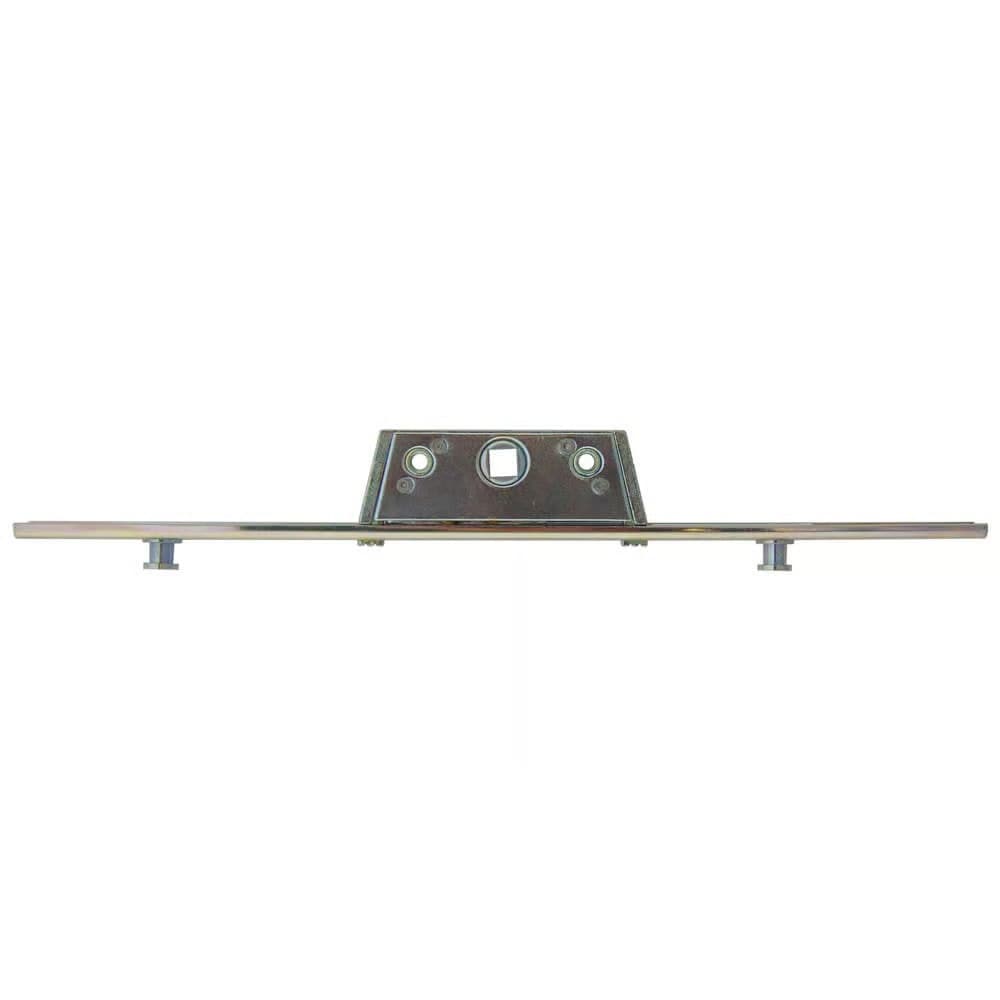
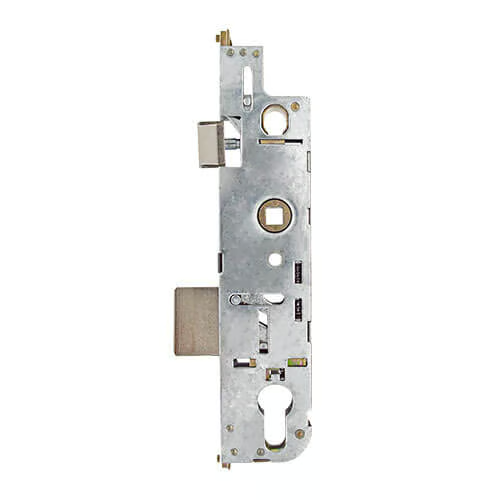
- Multipoint Gearbox GU Old Style
- In-Line Window Mechanism
- Offset Window Mechanism
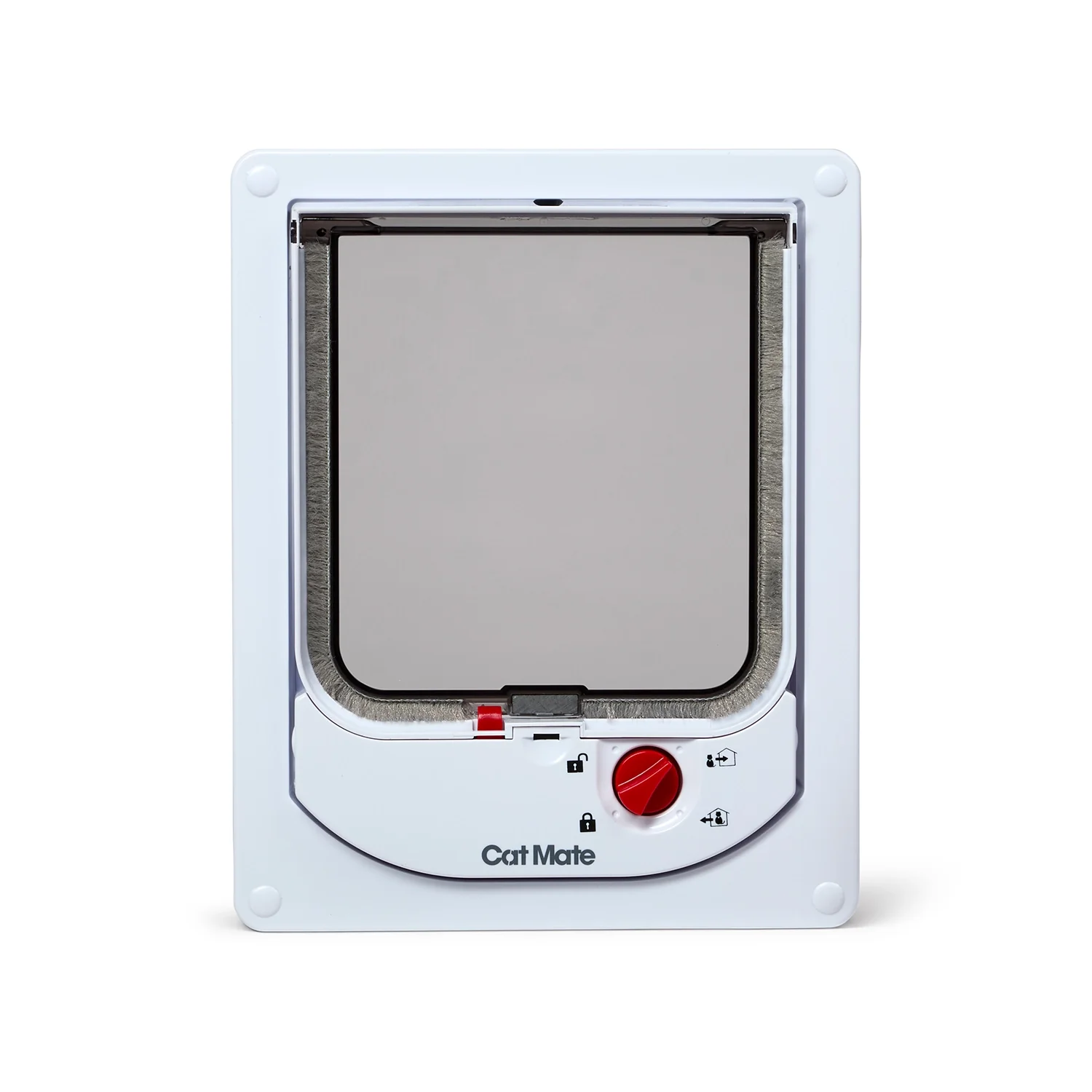
- Cat Mate Electromagnetic Cat Flap
- E-Type Gasket - Black 5m Roll
Conclusion and next steps
Microchip cat flaps offer secure, convenient pet access while reducing unwanted visitors and collar-related risks. For homeowners a correctly chosen and installed flap keeps your pet safe and your property secure. For trade professionals careful surveying, correct tool selection and attention to seals and security prevent common issues and protect warranties. Next steps: decide the installation location, confirm microchip compatibility, and either order a factory-glazed sealed unit for windows or prepare a door with the correct template. For further reading and product options see our pillar page: /guides/pet-flaps or contact Window Hardware Store for trade pricing and fitting advice.

Related articles
Rented Property Cat Flap Options: What Landlords Need to Know
Rented Property Cat Flap Options: What Landlords Need to Know Installing a cat flap in a rented property can improve tenant satisfaction but it raises ques...
Replacing uPVC Door Panels with Cat Flap Panels: A Cleaner Solution
Replacing a uPVC door panel with a purpose-made cat flap panel is a practical way to give pets easier access while keeping the rest of the door intact. Whe...
Dog Flap Insulation: Preventing Heat Loss Through Larger Pet Doors
Dog Flap Insulation: Preventing Heat Loss Through Larger Pet Doors Large dog flaps are convenient for owners and pets, but they create a significant therma...