
Microchip Cat Flap Installation: DIY Tips for a Perfect Fit
Microchip Cat Flap Installation: DIY Tips for a Perfect Fit A microchip cat flap offers convenience for owners and greater control over which animals come ...
Microchip Cat Flap Installation: DIY Tips for a Perfect Fit
A microchip cat flap offers convenience for owners and greater control over which animals come in and out. For UK homeowners and trade professionals fitting one, correct preparation and workmanship are essential to maintain door and window integrity, security and weather performance. Below are practical, technically accurate tips for achieving a neat, secure installation whether you are a competent DIYer or a fitter on site.
Choosing the right microchip cat flap
Begin by checking compatibility: most microchip flaps read ISO 11784/11785 FDX-B chips but some read older standards or only pet collar tags. Confirm the model will recognise your cat's microchip, or be prepared to use a collar tag as a backup. Consider these points when selecting a unit:
- Read range and accuracy: longer-range readers can avoid false reads through walls but may pick up neighbouring pets; choose an adjustable sensitivity.
- Locking options: four-way locking gives full control; timed locking secures the property overnight.
- Power source: battery life (AA or rechargeable packs) and low-battery indicators; mains-assisted units need weatherproof cabling solutions.
- Material and finish: match the flap to uPVC, timber, composite or metal doors for aesthetic and corrosion resistance.
Assessing the door or window panel
Identify the substrate you will cut into. Each material needs a different approach:
- uPVC door panels: hollow cores are common; use the manufacturer template, remove inner cover trims and cut the plastic skin with a jigsaw. Reinforce the reverse side with a backing plate if the unit is hollow.
- Wooden doors: use a router with a pattern bit for a clean aperture, or use a jigsaw following the template. Chisel and plane for fine adjustments; pre-drill pilot holes for fixing screws.
- Composite and metal doors: some have outer skins over hollow cores; a router or jigsaw can be used but you may need specialist fixings and a reinforcing plate. Check for internal reinforcement that could impede cutting; do not cut into structural reinforcements.
- Glazed units and sealed double-glazing: do not attempt to cut safety or sealed glass yourself. Replace the sash or glass unit with a glazed panel pre-cut for a flap, or fit the flap in the frame if available; hire a glazing specialist for glass work.
Preparation and tools
Gather the right tools and take safety precautions. Typical kit:
- Manufacturer's template, tape measure and pencil; spirit level to ensure horizontal alignment.
- Drill and set of bits, jigsaw with blades for plastic/wood/metal, hole saws for pilot holes.
- Router and pattern bit for trade-standard finishes; clamps and a support board for stability.
- Sealant (neutral cure silicone), insulation foam or backing gaskets, stainless steel screws and, where needed, reinforcing backplate.
- PPE: safety goggles, dust mask, hearing protection and gloves.
Mark the aperture using the template and protect surrounding finishes with masking tape. Check for hidden wiring or reinforcement with a detector before cutting.
Cutting and fitting: step-by-step
Follow the manufacturer's template exactly. General procedure:
- Position the template at the correct height: measure the cat's shoulder height from the finished internal floor level; align the centre of the flap with the shoulder for comfortable access. For kittens, allow for future growth or plan a lower position initially.
- Drill a pilot hole inside the cutting line to insert the jigsaw blade; follow the outline steadily to avoid chipping. For routers, clamp the template and do multiple light passes.
- Deburr edges and sand smooth. Test-fit the flap housing; check that the inner and outer frames sit flush. Use the correct screw length so screws bite into solid material but do not protrude into cavities where they could hit internal components or cause thermal bridging.
- Apply a bead of neutral-cure silicone around the outer frame for weatherproofing; use foam or gasket material where the instruction demands. Tighten fixings in a criss-cross pattern to avoid distortion.
Security and weatherproofing considerations
Microchip flaps introduce a hole in the building envelope; ensure security and insulation are not compromised:
- Choose flaps with robust locking mechanisms and anti-tamper fixings. For ground-floor fittings consider additional door locks or a nearby security sensor.
- On external doors use weatherstrips or brushes around the flap per manufacturer instructions to reduce draughts.
- For hollow-core or thin panels use a reinforcement plate to distribute loads and prevent flexing which can degrade sealant and security over time.
Programming and cat training
After mechanical installation, programme the reader to register your cat's microchip. Most units have a learn mode; present your cat's microchip using a scanner or the cat itself in front of the flap following manufacturer steps. Test entry and exit several times and adjust sensitivity if the reader misses the chip. Typical programming tips:
- Confirm the flap supports the chip standard in your pet; if uncertain, scan the microchip first.
- Use food rewards to encourage the cat; hold the flap open initially before letting the unit operate automatically.
- Run through locking modes: test inwards-only, outwards-only and fully locked positions so you understand emergency operation and manual override.
Maintenance and troubleshooting
Regular checks will extend the lifespan of the flap and avoid problems:
- Replace batteries according to the manufacturer and watch for low-battery alerts; cold weather reduces battery performance.
- Clean the sensors and contacts and remove debris from the flap channel; lubricate moving parts sparingly with a silicone-based lubricant if recommended.
- If the flap fails to recognise the chip: re-check programming, scan the chip to ensure readability, and reduce interference sources such as metal collars or nearby electronic devices.
Recommended Products
Based on this article, you may find these products helpful:
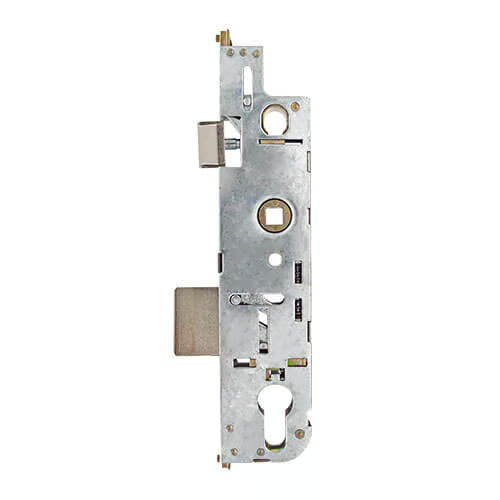
- Multipoint Gearbox GU Old Style
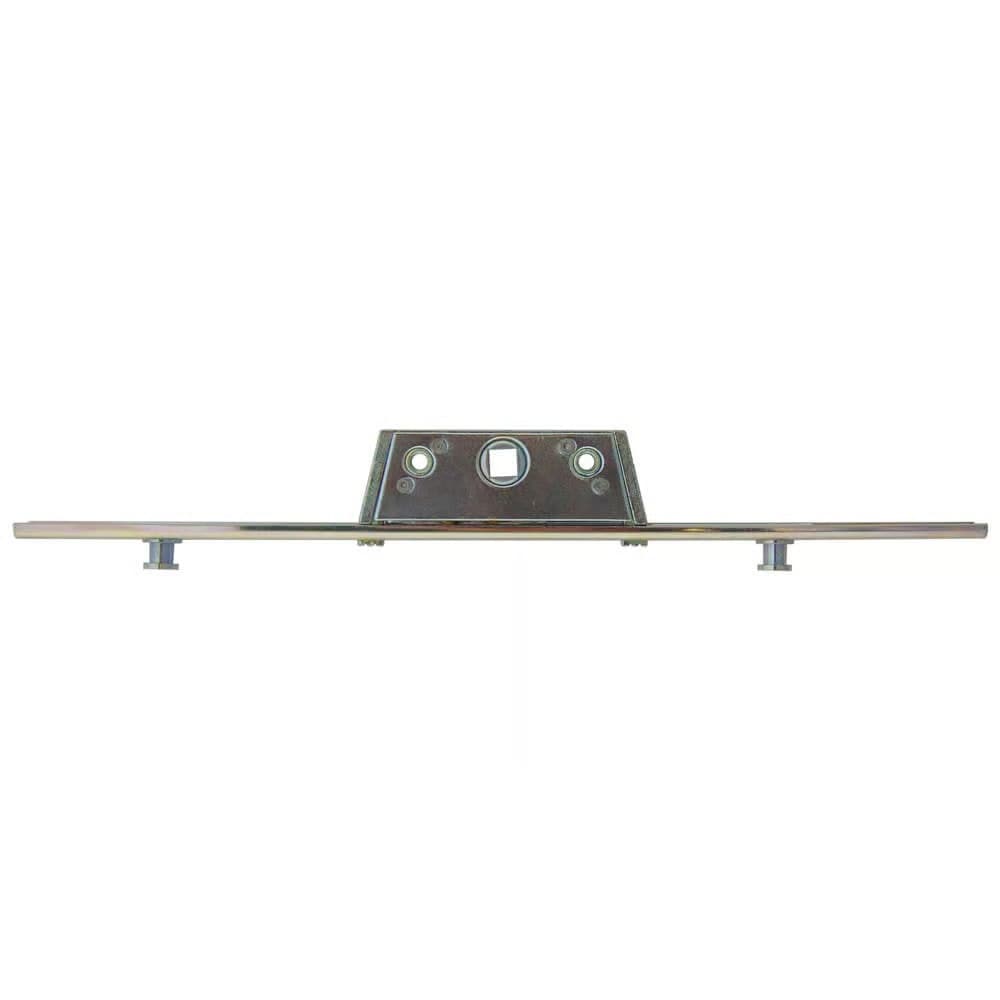
- In-Line Window Mechanism
- Offset Window Mechanism
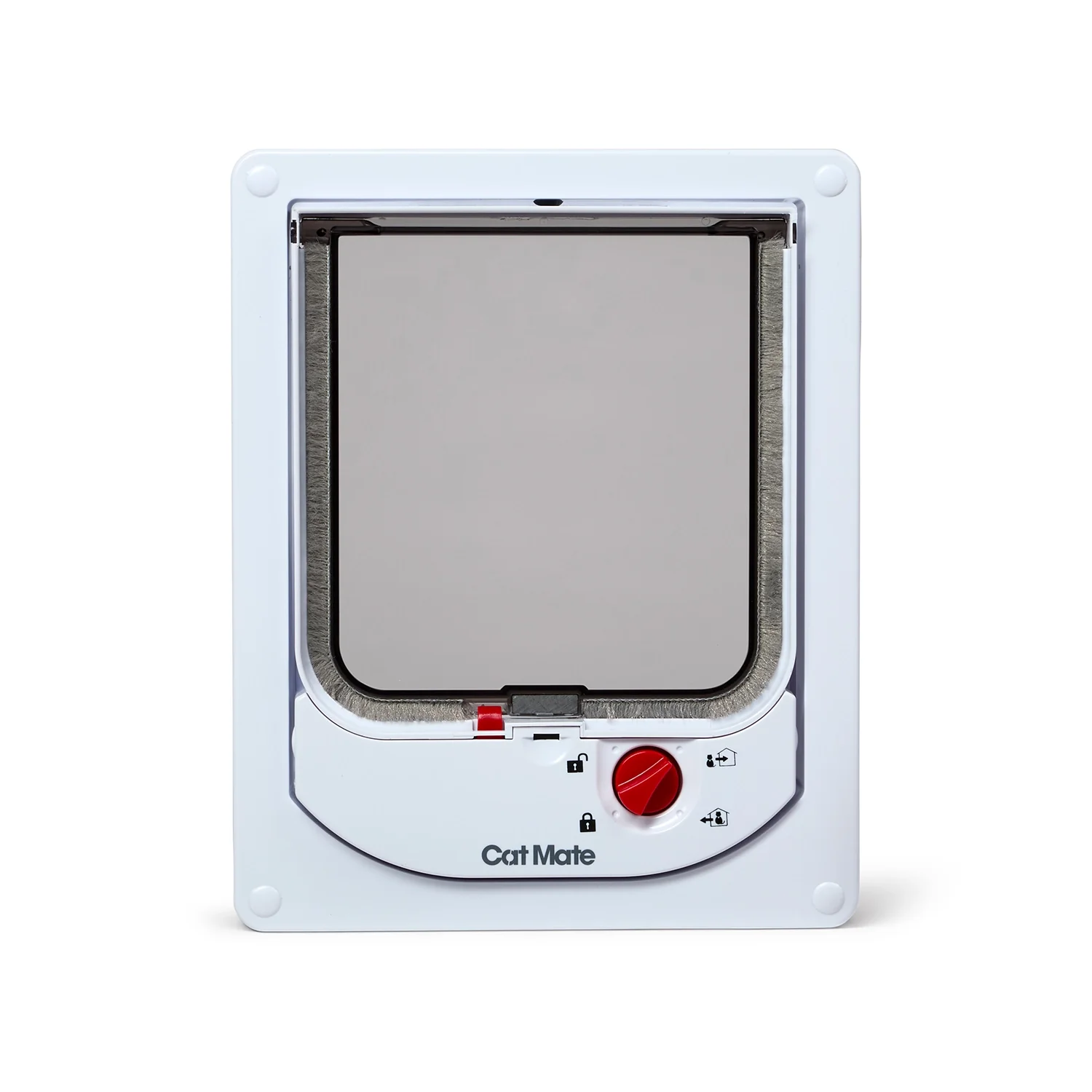
- Cat Mate Electromagnetic Cat Flap
- E-Type Gasket - Black 5m Roll
Conclusion: next steps
Fitting a microchip cat flap is straightforward for experienced DIYers and trade professionals when the correct assessment and tools are used. Start by confirming chip compatibility and selecting a product suitable for your door or window material. Use the manufacturer template and appropriate cutting techniques to preserve security and insulation. If the installation involves sealed glazing or complex composite materials, contact a glazing specialist or a professional fitter to avoid voiding warranties.
For product options and further technical guidance see our pet flap resources: /guides/pet-flaps. If you need specific advice for a particular door type or trade-level accessories such as reinforcement plates, contact Window Hardware Store for tailored recommendations and trade pricing.

Related articles
Rented Property Cat Flap Options: What Landlords Need to Know
Rented Property Cat Flap Options: What Landlords Need to Know Installing a cat flap in a rented property can improve tenant satisfaction but it raises ques...
Replacing uPVC Door Panels with Cat Flap Panels: A Cleaner Solution
Replacing a uPVC door panel with a purpose-made cat flap panel is a practical way to give pets easier access while keeping the rest of the door intact. Whe...
Dog Flap Insulation: Preventing Heat Loss Through Larger Pet Doors
Dog Flap Insulation: Preventing Heat Loss Through Larger Pet Doors Large dog flaps are convenient for owners and pets, but they create a significant therma...