
Microchip Cat Flap Selective Entry: Letting Some Cats In But Not Out
Microchip cat flap technology makes selective entry straightforward: you can allow specific animals to come in while preventing them from going back out. F...
Microchip cat flap technology makes selective entry straightforward: you can allow specific animals to come in while preventing them from going back out. For UK homeowners and trade professionals this capability is useful where neighbours' cats visit, certain cats must be kept indoors overnight, or a multi-cat household needs zoned access. This post covers how microchip cat flaps work, which units support one-way operation, practical DIY installation notes for common door and window situations, and trade-level tips for a secure, reliable fit.
How microchip cat flaps work and selective entry methods
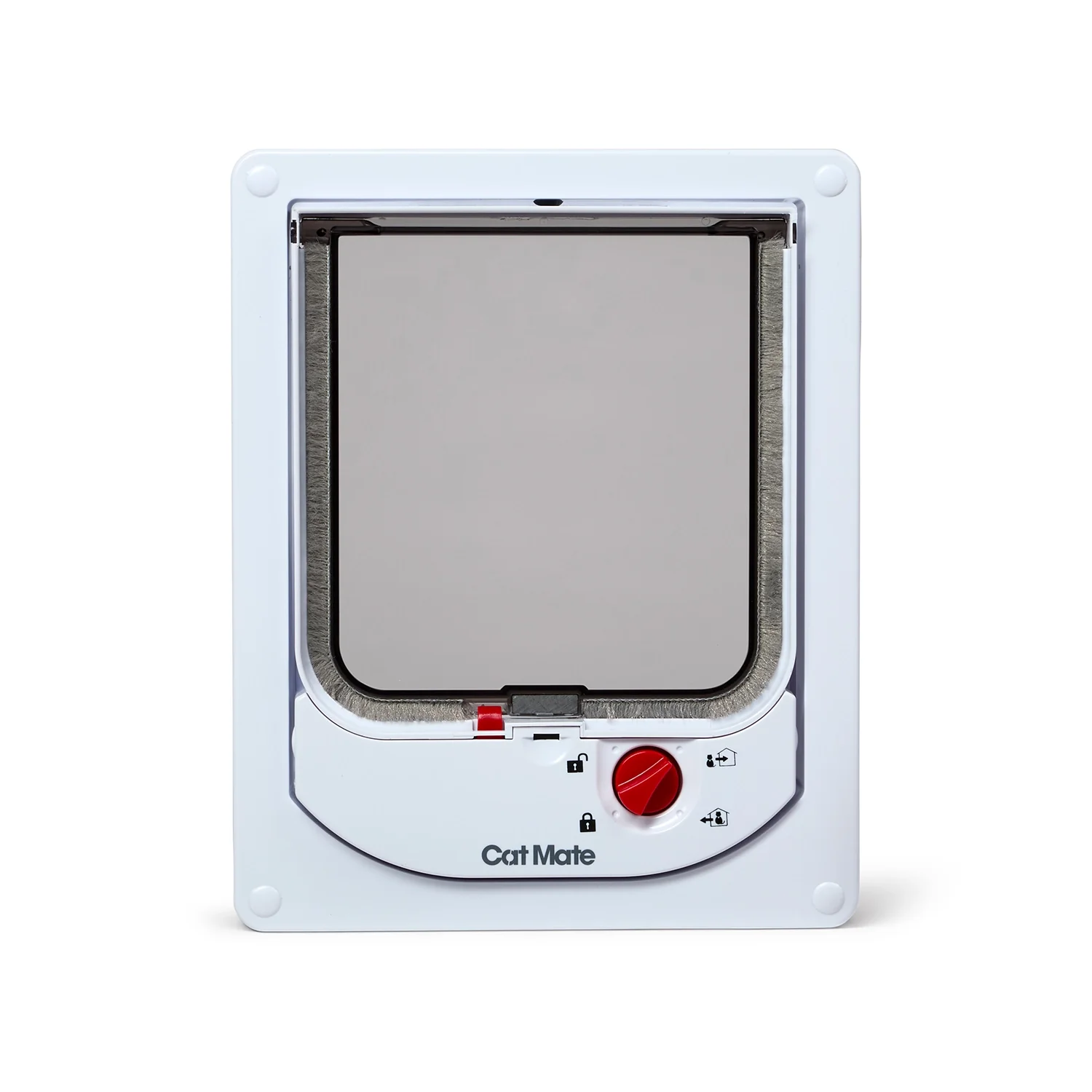
Most microchip cat flap systems read an animal's implanted microchip or a programmable RFID collar tag. The reader detects the unique ID and compares it to an authorised list. Basic models unlock only for recognised IDs. Selective entry: letting cats in but not out is achieved in two ways:
- Directional sensing: the flap has two sensors which detect direction of travel; it can be set to unlock only when the cat approaches from outside, or only when moving inside, allowing in-only or out-only modes.
- Timed locking or one-way mechanical latches: the flap permits entry when a recognised tag is read, then automatically locks to prevent a second opening in the reverse direction; some units lock after a few seconds to avoid escape.
When specifying equipment for one-way control, confirm the manufacturer supports directional modes and microchip standards: UK microchips generally operate at 134.2 kHz and follow ISO 11784/11785. Trade tip: always test the cat's microchip with a scanner to confirm readability before purchase.
Choosing the right microchip cat flap for doors and windows
Select a model suitable for the material you will cut into. Popular door options include composite, timber, PVCu and aluminium. For windows, especially double-glazed units, different approaches are needed. Key selection criteria:
- Compatibility with microchip frequency and ability to store multiple IDs; look for capacity if you have many cats.
- Directional control or in-only programming; confirm via datasheet or supplier.
- Weatherproof and secure locking; look for deadbolt-style locks or reinforced frames for external doors.
- Power source: battery-operated units are easiest for retrofit; mains or wired units may need low-voltage transformer and internal wiring.
- Size and weight rating: pick a flap sized to the largest cat; check for heavy-set models if you have large breeds.
DIY installation: common scenarios and practical advice
Before cutting, plan the position: bottom of a back door is usual; for windows, a low fixed pane or a replaceable panel works best. General tools and materials you will need:
- Template from the manufacturer, pencil, spirit level and masking tape
- Drill with wood and metal bits; jigsaw or hole saw sized to the template
- Screwdrivers, sealant (neutral cure silicone), foam or weatherstrip, rustproof screws
- Safety kit: goggles, dust mask, gloves
Door installation notes:
- PVCu doors: use the supplied template. Check for metal reinforcement inside the door; if present, you will need specialist cutters or consider fitting into the frame instead. Ensure the flap does not interfere with a multipoint lock mechanism.
- Composite doors: composite skins over a solid core need careful cutting; use a sharp jigsaw blade and reinforce the cut edges with a backing plate; many manufacturers sell reinforcement kits to maintain security.
- Timber doors: straightforward to cut, but seal edges to prevent water ingress and swelling.
- Aluminium doors: use specialist drill bits; aluminium is stiff so ensure a good fit and use appropriate screws to avoid galvanic corrosion.
Window options:
- Replace a bottom panel: some homeowners remove a small panel of glazing and replace it with a pet flap panel from the supplier. This is the least invasive and preserves the sealed unit.
- Glass cutting and replacement: cutting an existing sealed double-glazed unit is not recommended; replace with a pre-cut unit or use an acrylic infill panel with the flap fitted.
- Sash windows: consider fitting a flap into a removable lower sash or using a temporary panel for seasonally controlled access.
Programming, training and multiple-cat setups
Programming is usually simple: present the cat to the flap so it can read the microchip; the unit stores the ID and confirms visually or audibly. For selective entry where some cats may enter but not leave, assign those cats to an in-only setting if the product supports directional control. If a microchip is unrecognisable, use a compatible RFID collar tag coded with a unique ID.
Training tips:
- Temporarily set the flap to fully open mode and use treats to encourage use; gradually switch to selective mode once the cat is confident.
- Train individual cats separately; multiple cats can confuse directional sensors initially.
- If using in-only mode to keep a pet inside at night, ensure access to food, water and litter before locking overnight.
Security, power and maintenance considerations
Security: cutting into a door creates a potential weak point. For trade installations, fit a steel reinforcement plate, use lockable flaps or integrated deadbolts, and consider location relative to existing lock multipoints. If the door has a factory-fitted glass or panel, fit the flap in the panel rather than near the lock mechanism to maintain integrity. Weather seals and draught excluders reduce heat loss and prevent rain ingress.
Power and wiring: battery models are easiest for retrofit; expect 6–12 months battery life depending on traffic and features. Wired models may require a low-voltage transformer; run cables internally where possible and use grommets where they pass through frames. Trade tip: run spare conduit for future upgrades or external sensors.
Maintenance: keep the sensor area and tag reader clean; wipe with a damp cloth. Check batteries regularly and test registered microchips annually, especially after vet visits where chip replacements or reimplantations can occur.
Next steps and where to get help
If you want selective entry, choose a microchip cat flap that lists directional or in-only modes and confirms compatibility with UK microchips. Measure your door or window, check for internal reinforcements, and decide whether you will DIY or engage a trade fitter. For complex doors, sealed units or aluminium frames, consult a glazier or joiner to avoid damaging multipoint locks or insulated glass units.
For further technical specifications, product choices and step-by-step templates see our pillar page: /guides/pet-flaps. If you need on-site advice, contact a local installer or request a trade consultation to ensure a secure and weatherproof installation.
Recommended Products
Based on this article, you may find these products helpful:

Related articles
Rented Property Cat Flap Options: What Landlords Need to Know
Rented Property Cat Flap Options: What Landlords Need to Know Installing a cat flap in a rented property can improve tenant satisfaction but it raises ques...
Replacing uPVC Door Panels with Cat Flap Panels: A Cleaner Solution
Replacing a uPVC door panel with a purpose-made cat flap panel is a practical way to give pets easier access while keeping the rest of the door intact. Whe...
Dog Flap Insulation: Preventing Heat Loss Through Larger Pet Doors
Dog Flap Insulation: Preventing Heat Loss Through Larger Pet Doors Large dog flaps are convenient for owners and pets, but they create a significant therma...