
Multipoint Door Lock Brands Compared: Which Should You Choose?
Multipoint door lock: choosing the right brand and type matters for security, durability and the operation of your external doors. Whether you are a homeow...
Multipoint door lock: choosing the right brand and type matters for security, durability and the operation of your external doors. Whether you are a homeowner replacing a faulty lock or a tradesperson specifying hardware for a project, this comparison of leading multipoint door lock brands will help you make an informed choice. Below you will find technical detail, practical trade advice and DIY guidance focused on UK doors and standards.
What to look for before you choose a multipoint door lock
Before comparing brands, check these essentials so you buy the correct replacement or new lock:
- Door type: uPVC, composite, timber or aluminium; hook bolts are often better for composite doors, while deadbolts suit timber doors.
- Backset, centres and case height: measure the distance from the faceplate to the spindle and cylinder, and the distance between spindle and keyhole.
- Faceplate size and orientation: reversible faceplates are convenient for replacement work.
- Cylinder type: euro profile, oval or Scandinavian; choose TS007 3-star or equivalent anti-snap euro cylinders for insurance compliance.
- Standards and approvals: PAS 24, Secured by Design and relevant BS standards for enhanced security.
How multipoint locks differ: mechanics and features
Multipoint mechanisms use a gearbox and a struck faceplate to operate multiple locking points along the door. Common locking elements include deadbolts, hooks, rollers and shootbolts. Consider these trade implications:
- Hook locks: excellent for anti-lift on composite doors; require accurate keeps and strike plates.
- Deadbolt locks: strong shear resistance; preferred on solid timber doors.
- Roller cams: improve compression on uPVC and composite doors for weather sealing; not primary security elements.
- Gearbox quality: smoother action and longer life on higher-spec German and Austrian gearboxes.
Brand comparisons: strengths and where they suit best
Below is a concise comparison of major brands you will encounter in the UK market. Each brand produces different ranges, so check the specific model details when specifying.
- Yale: Widely available and competitively priced; strong aftermarket support and good warranty options. Yale multipoint locks are suitable for uPVC and composite doors where cost and ease of sourcing spares matter; choose a TS007 3-star cylinder to meet insurance requirements.
- Fuhr: German-built gearboxes with a reputation for precision and longevity. Fuhr offers smooth operation and robust metals suitable for heavy doors and high-traffic installations. Price is higher; recommended for premium composite or timber doors where long service life is required.
- Winkhaus: Specialist in window and door hardware; Winkhaus units provide excellent quality, with options optimised for aluminium and timber doors. They offer secure hook multipoint options and parts for trade installations; well regarded for bespoke builds.
- GU (G-U): High-quality German engineering; often used in commercial-grade and high-frequency doors. Robust components, good for aluminium and timber applications and installations requiring certified performance.
- Maco: Austrian manufacturer with reliable espagnolette gearboxes; a good mid-to-high range option for timber and aluminium doors. Maco parts are widely used by fabricators and are a reliable choice for trade installations.
- AGB: Italian supplier producing neat, well-finished multipoint gearboxes; commonly found on timber and aluminium doors. Known for compact faceplates and smooth action; suitable for projects where aesthetics matter as well as function.
- ERA: UK-focused brand providing cost-effective multipoint locks and spares; good for retrofit and trade work where budget and quick availability are priorities. ERA offers a range that covers uPVC and composite doors.
- Roto: Known for window hardware and residential door systems; Roto multipoint locks offer dependable performance for uPVC and composite doors. Useful where compatibility with existing Roto hardware is required.
Practical trade advice
When specifying or fitting multipoint locks for clients, follow these practices:
- Match the lock to the door construction and weight; gearboxes and locking points should support the door size and frequency of use.
- Specify TS007 3-star cylinders for external doors to satisfy many insurers; if a thumbturn is needed, confirm interior use only so cylinder security remains compliant.
- Confirm keeps and strike plates are appropriate: adjustable keeps help correct misalignment during installation.
- Keep spare cartridges or gearboxes in stock for common models; a traded-in emergency replacement is faster than ordering bespoke parts.
- Where high security is required, opt for proven brands with PAS 24 or Secured by Design certification on specific door assemblies.
DIY guidance: replacing a multipoint lock
For competent DIYers, replacing a multipoint lock is achievable if you prepare and measure carefully. Key steps:
- Measure backset, centres, case height and faceplate length before ordering a replacement; take photographs showing the gearbox and striker arrangement.
- Remove handles and cylinder: mark the spindle position so you can replace the new gearbox in the same orientation.
- Unscrew the faceplate and extract the gearbox; note any extra fixing points and the position of hooks or bolts.
- Fit the new unit dry to check alignment with keeps; only once aligned, drill pilot holes and secure permanently.
- Lubricate moving parts: use a light machine oil or silicone spray on the gearbox and a graphite or dry-lubricant in the cylinder; avoid heavy greases that attract dust.
- Test operation several times; adjust keeps if the door sticks or does not fully deadlock.
Common pitfalls to avoid
- Buying by brand only: models differ widely within a brand; always match technical dimensions.
- Assuming compatibility: euro cylinders and faceplates may fit but internal cams and gearbox fixes are often proprietary.
- Poor alignment: incorrect keeps or a twisted door will cause premature wear and poor sealing.
- Wrong cylinder length: exposed cylinder ends reduce security; measure accurately before ordering.
Recommended Products
Based on this article, you may find these products helpful:
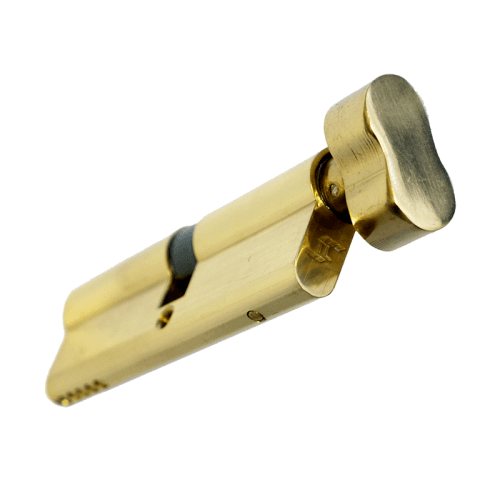
- TL Thumb Turn Euro Cylinder
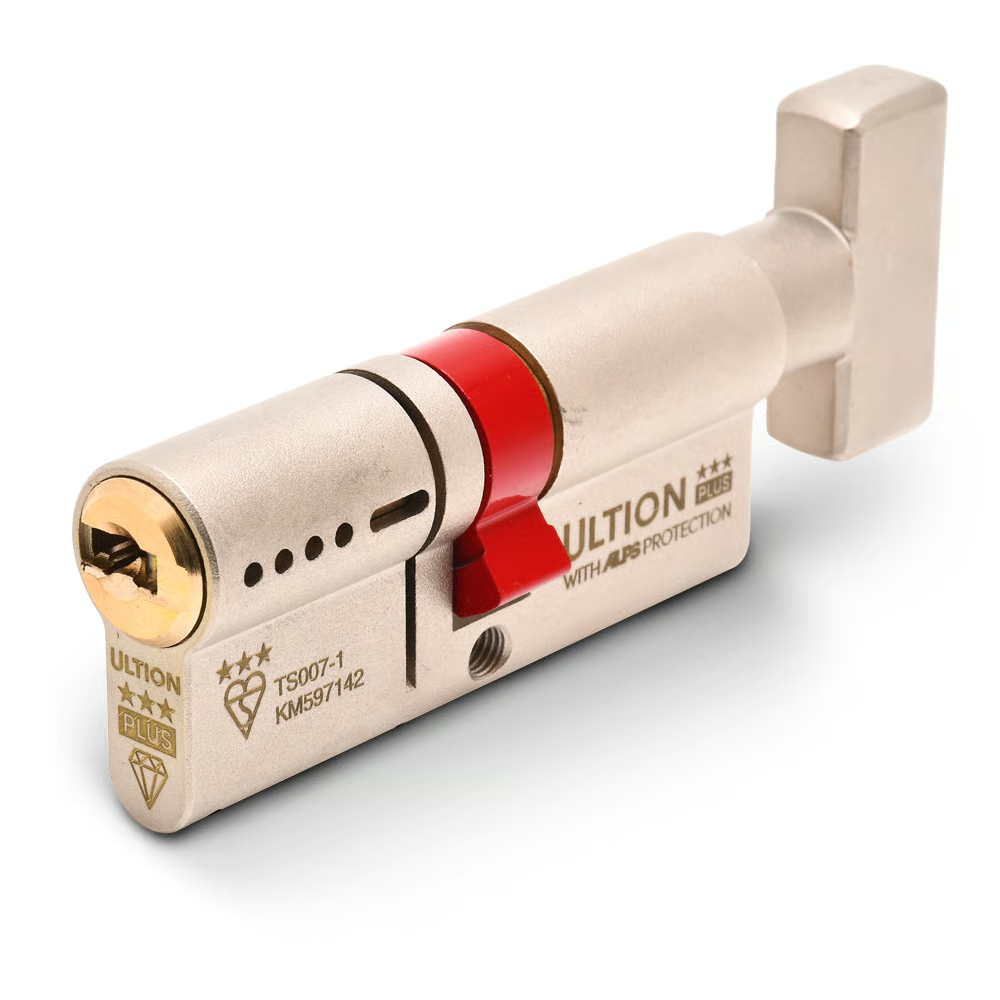
- Ultion Plus TS007 3* Kitemarked Euro Key & Turn Cylinder
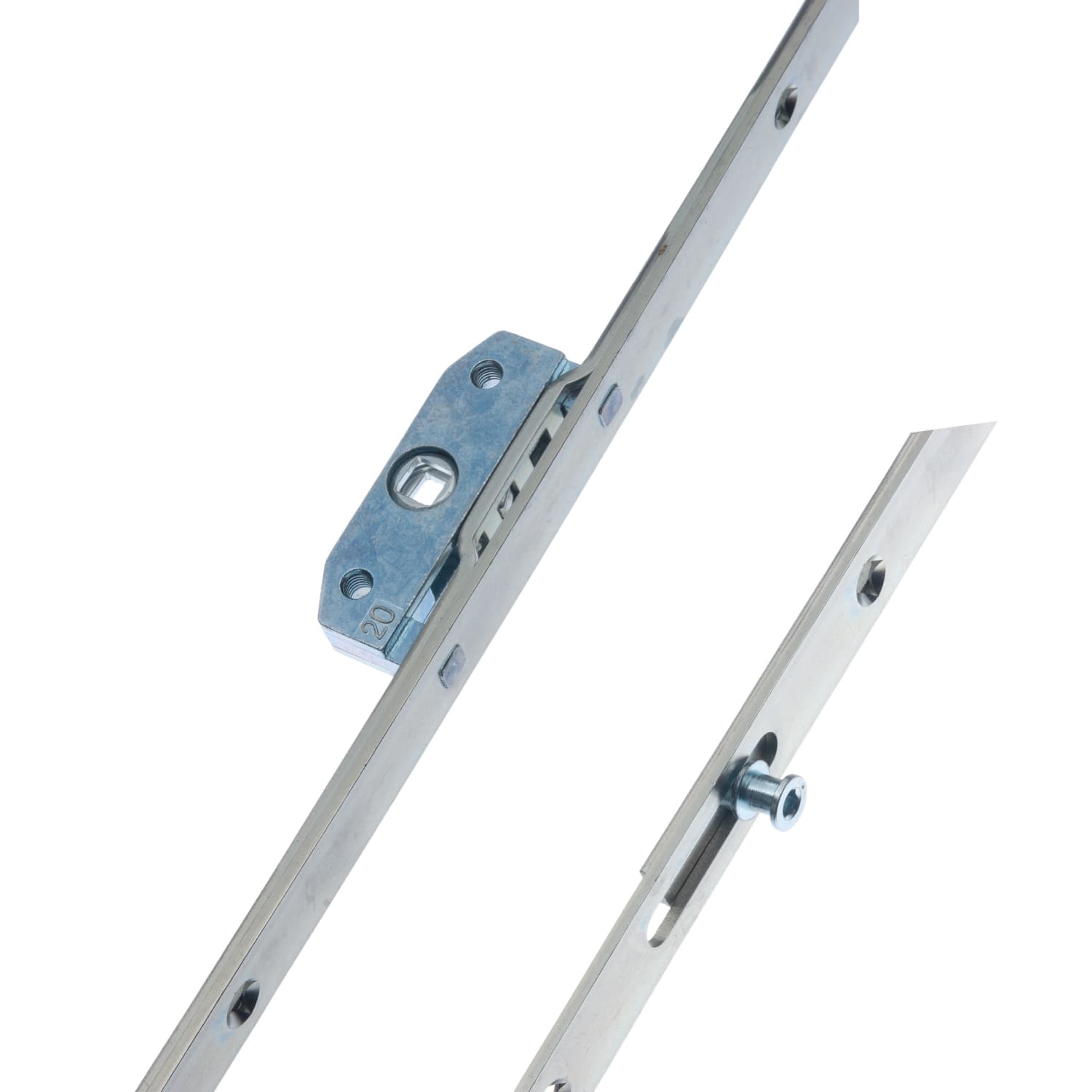
- ERAB Espagnolette Window Lock Universal Lock Replacement
- Avocet Slimline Offset Window Espag
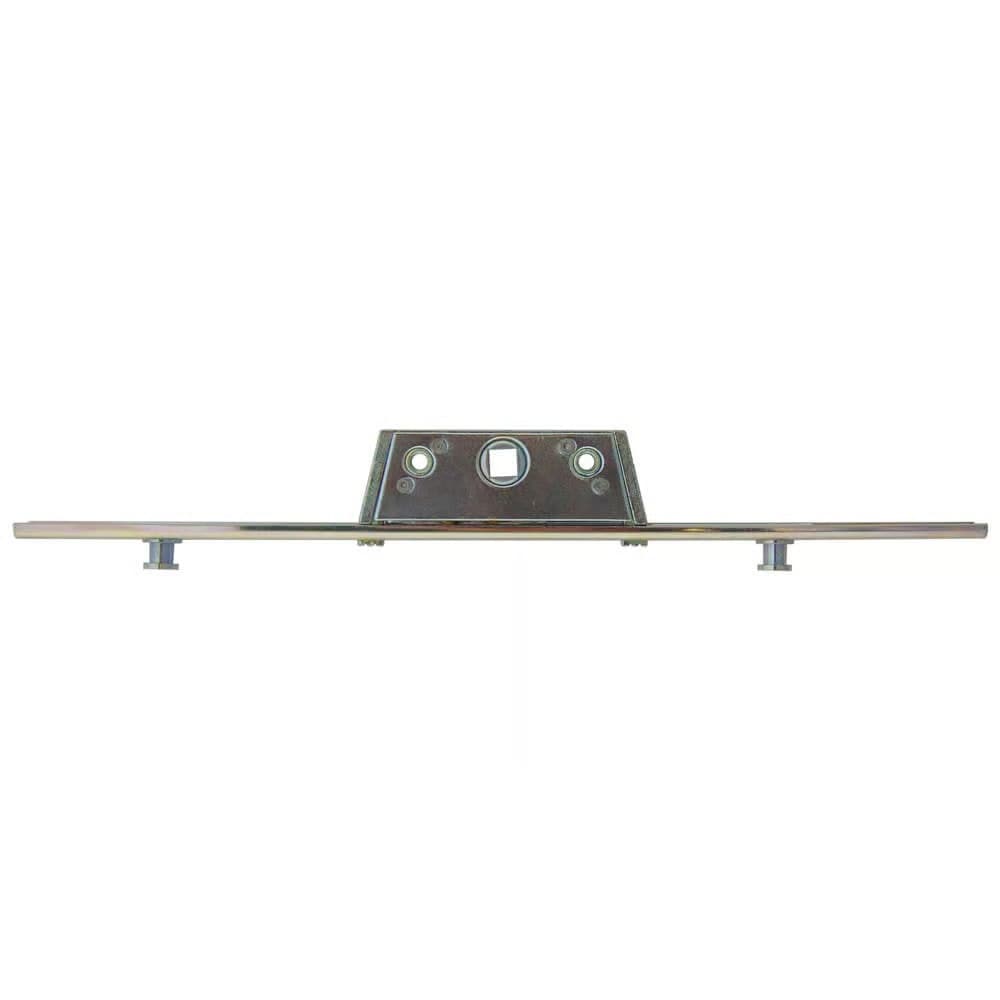
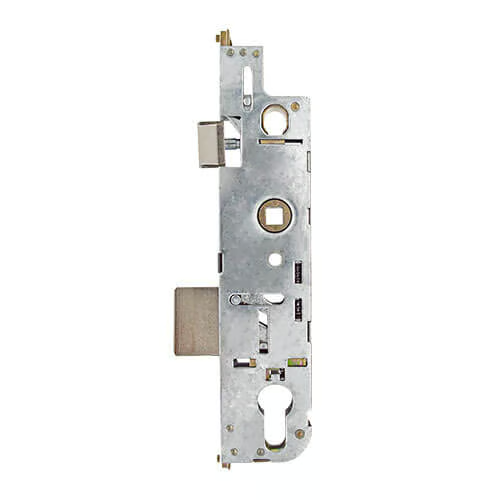
- Multipoint Gearbox GU Old Style
Conclusion and next steps
The right multipoint door lock depends on door type, budget and performance requirements. For premium longevity and smooth operation choose German or Austrian gearboxes such as Fuhr, Winkhaus or GU; for value and quick spares consider Yale or ERA; for bespoke timber and aluminium doors look at AGB and Maco. Always specify a TS007 3-star cylinder for external doors where insurance requirements apply.
Next steps: measure your door precisely, decide on the locking style required (hook, deadbolt or roller), and check the specific model’s certification and spare part availability. If this is a trade installation, keep common gearboxes and cylinders in stock to reduce site delays. For DIY replacements consult the manufacturer’s fitting instructions or contact a qualified locksmith if you are unsure about structural or security compliance.
Related articles
uPVC Door Lock Maintenance: Keep Your Lock Working Smoothly
uPVC Door Lock Maintenance: Keep Your Lock Working Smoothly A well maintained upvc door lock reduces call-outs, keeps a property secure and extends the lif...
Hook Lock Sizes and Compatibility: Matching Your Existing Lock
Hook Lock Sizes and Compatibility: Matching Your Existing Lock Replacing a hook lock can be straightforward if you know what to measure and what to check f...
Replacing Individual Hook Locks vs Full Multipoint Mechanism
Replacing Individual Hook Locks vs Full Multipoint Mechanism Deciding whether to replace a single hook lock or the entire multipoint mechanism is a common ...