
Multipoint Door Lock Sizes Explained: Finding the Right Replacement
Multipoint Door Lock Sizes Explained: Finding the Right Replacement is essential reading for tradespeople and homeowners who need a reliable swap-out. A co...
Multipoint Door Lock Sizes Explained: Finding the Right Replacement is essential reading for tradespeople and homeowners who need a reliable swap-out. A correctly sized multipoint door lock ensures smooth operation, retains weather performance and keeps the door compliant with security standards. This article explains which measurements matter, how to measure safely and what to stock for rapid replacements.
Why correct sizing matters
A multipoint door lock is not a single part that you can measure by eye: it is a system that includes a lock case, faceplate, handles, euro cylinder and additional hooks or bolts that engage with keeps in the frame. If any critical dimension is wrong you can end up with a handle that does not operate the mechanism, a cylinder that will not turn, or locking points that miss the keeps. Incorrect replacement can also damage the door or allow cold air and water ingress.
Key measurements to take
Before ordering a new multipoint door lock, remove the handle and take these measurements precisely. Use a steel rule or callipers rather than a tape measure for accuracy:
- Backset: the distance from the face of the lock faceplate to the centre of the spindle or follower; common values are 35mm and 45mm, though variants exist.
- Centres: the distance between the handle spindle centre and the centre of the euro cylinder; 92mm is very common, but 62mm and other sizes are also used.
- Case depth: the full depth of the lock body from the faceplate to the rear edge; this determines whether the case will sit comfortably within the door stile.
- Faceplate length and width: important for morticing the door correctly; faceplate widths are typically 16mm or 20mm on many uPVC systems.
- Spindle size and type: most multipoint locks use an 8mm square spindle, but 7mm spindles are seen; note whether the spindle is split or solid.
- Handing and orientation: note whether the door is left or right handing; view from the outside with the door opening away from you to determine handing.
- Number and type of locking points: hooks, rollers or deadbolts and their positions along the case; these affect which keeps you need in the frame.
Common multipoint lock types and sizes
There is no single universal multipoint door lock. Manufacturers produce variations for uPVC, aluminium and composite doors. Typical practical combinations you will encounter on site are:
- 35mm backset with 92mm centres and 8mm spindle: common on modern uPVC doors.
- 45mm backset with 92mm centres: used on some composite and timber doors where more case depth is needed.
- Different centre distances such as 62mm or 76mm on some French doors or older installations.
Always compare the whole specification rather than just one measurement. The faceplate profile, keeper spacing and shootbolt positions need to match the existing frame keeps or be accompanied by new keeps and a plan for frame modification.
Practical trade advice: what to stock and how to avoid call-backs
For businesses supplying or fitting multipoint door locks, stock management can reduce return visits. Keep a small range of the most widely used specifications in stock and always carry a selection to jobs:
- Two common backsets: 35mm and 45mm.
- Centres: at least the standard 92mm plus a 62mm option.
- Spindles: a few 8mm spindles and adaptors; split spindles for adjustable handles.
- Faceplates and keeps: universal keeps or adjustable keeps where possible, plus extra long faceplate screws.
- Replacement euro cylinders in common sizes and anti-snap options for upgrades.
When measuring on site, photograph the lock case and keeps; record numbers stamped on the case or faceplate and check for brand marks. If a bespoke or obscure system is present, take the old lock back for reference rather than guessing.
DIY replacement: safe, step-by-step approach
Homeowners can replace a multipoint door lock with basic tools, but the task requires care. Follow these steps:
- Prop the door open and support it if you need to remove heavy hardware. Remove the handles, keeping screws in a small container.
- Unscrew the faceplate screws and withdraw the case. If the case is seized, apply penetrating lubricant and move the handle slightly to free the mechanism.
- Measure backset, centres, case depth and spindle size; note the positions and number of locking points.
- Order a matching replacement; if uncertain, choose an exact like-for-like or consult the supplier with your photographs and measurements.
- Fit the new case, ensuring all locking points align with the keeps. Lightly grease sliding parts with a specialist lock grease; do not use aerosol solvents for lubrication.
- Refit handles and the cylinder; test the lock through several full cycles while the door is open to confirm smooth operation before closing the door.
If you find the locking points do not engage, check the keeps; simple adjustment or new keeps may be required. If major routing is needed in the frame, contact a professional to avoid damaging frames or affecting weather performance.
Compatibility and security considerations
When replacing a multipoint door lock you can also take the opportunity to upgrade cylinder security. Choose cylinders with anti-snap, anti-drill and anti-pick features to meet current standards. Match cylinder length to door thickness so that neither side protrudes excessively; cylinders should sit flush or with minimal overhang.
Check relevant standards and specs: many new installations require compliance with PAS 24 or specific insurance-approved products. For trade professionals, fitting certified products reduces liability and reassures customers.
Recommended Products
Based on this article, you may find these products helpful:
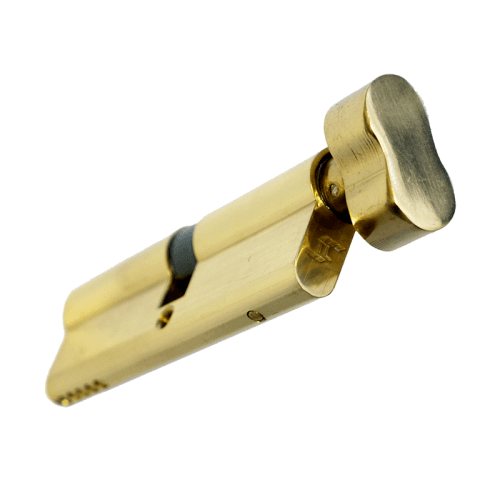
- TL Thumb Turn Euro Cylinder
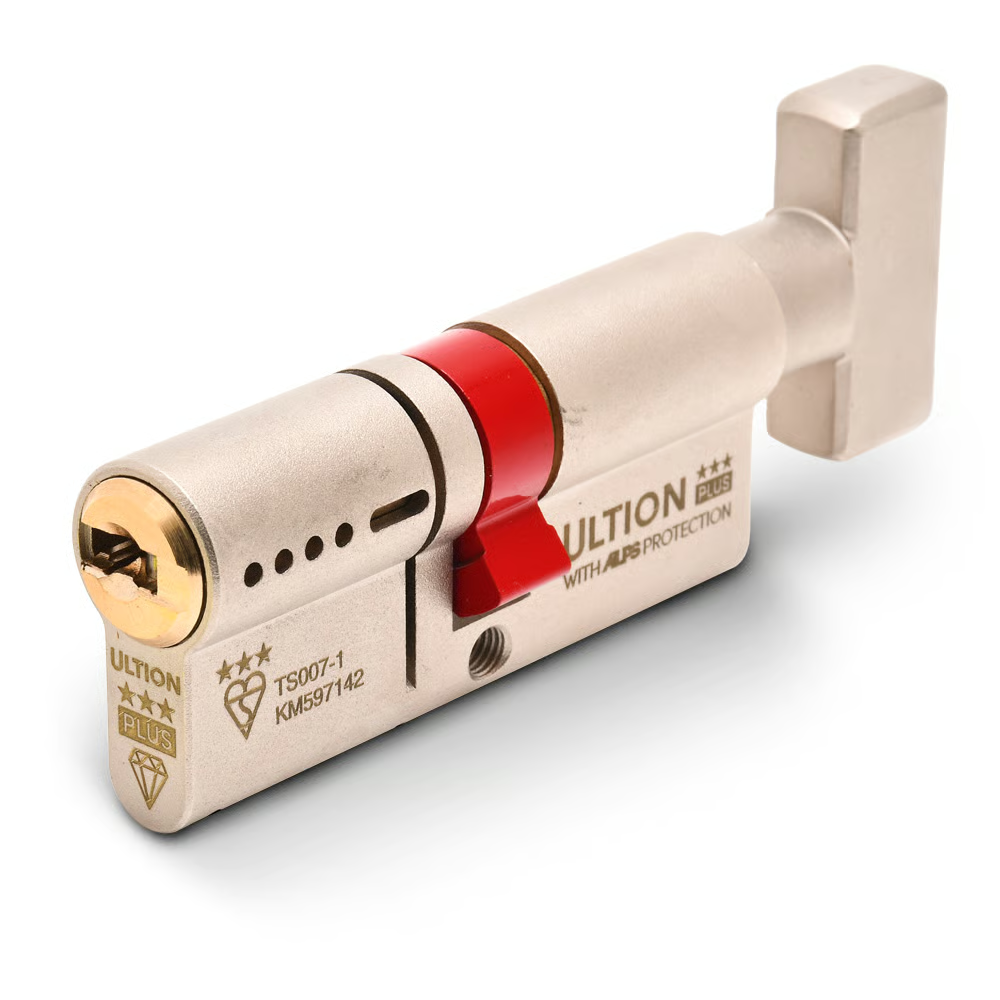
- Ultion Plus TS007 3* Kitemarked Euro Key & Turn Cylinder
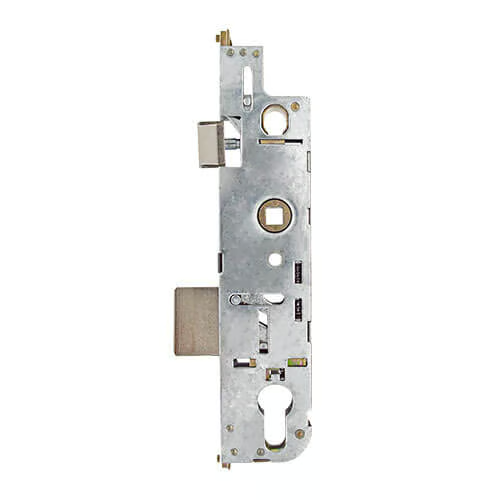
- Multipoint Gearbox GU Old Style
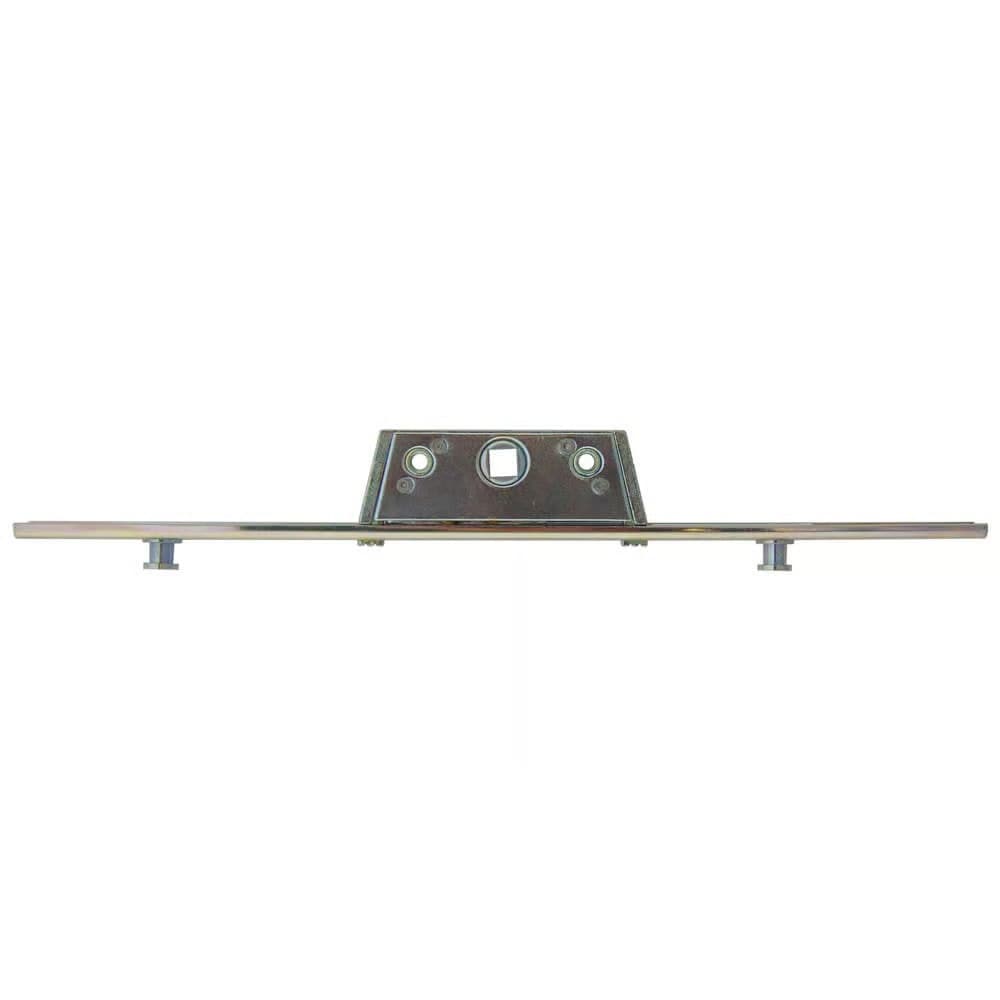
- In-Line Window Mechanism
- Offset Window Mechanism
Conclusion and next steps
Getting the right multipoint door lock replacement depends on accurate measuring, matching the key dimensions and understanding how the lock interacts with the door frame and keeps. For straightforward swaps, record backset, centres, spindle size and faceplate details then fit the equivalent item. For unusual or old systems, bring the old lock to a specialist and consider upgrading the cylinder for improved security.
If you need further reference material, visit our pillar page for door locks at /guides/door-locks or contact Window Hardware Store with photographs and measurements for personalised advice and stock availability.

Related articles
uPVC Door Lock Maintenance: Keep Your Lock Working Smoothly
uPVC Door Lock Maintenance: Keep Your Lock Working Smoothly A well maintained upvc door lock reduces call-outs, keeps a property secure and extends the lif...
Hook Lock Sizes and Compatibility: Matching Your Existing Lock
Hook Lock Sizes and Compatibility: Matching Your Existing Lock Replacing a hook lock can be straightforward if you know what to measure and what to check f...
Replacing Individual Hook Locks vs Full Multipoint Mechanism
Replacing Individual Hook Locks vs Full Multipoint Mechanism Deciding whether to replace a single hook lock or the entire multipoint mechanism is a common ...