
Multipoint Door Lock vs Euro Cylinder: Understanding the Difference
Multipoint Door Lock vs Euro Cylinder: Understanding the Difference What each component is: quick definitions A multipoint door lock is a locking mechanism...
Multipoint Door Lock vs Euro Cylinder: Understanding the Difference
What each component is: quick definitions
A multipoint door lock is a locking mechanism fitted into the edge of a door that secures the door at multiple points along its height when the lock is engaged. Typical locking points include a central deadbolt, hooks, rollers or shoot bolts at the top and bottom; these act together to give a stronger seal and better resistance to forced entry.
A euro cylinder is the replaceable cylinder that sits through the door and operates the locking mechanism when turned by a key or thumbturn. Euro cylinders are commonly fitted to multipoint locks and to many single-point locks on uPVC, composite and timber doors.
How they work together
The multipoint lock is the overall locking system and the euro cylinder is the actuator: turn the cylinder and the gearbox inside the multipoint lock converts that rotation into movement of the multiple locking points. That means a weak euro cylinder can compromise the security of a robust multipoint system; conversely, a high-security euro cylinder will only protect as well as the multipoint mechanism and keeps allow.
Key differences that matter to homeowners and tradespeople
- Function: The multipoint lock secures at several locations; the euro cylinder provides the key control and mechanical input.
- Replaceability: Euro cylinders are user-replaceable in most cases; replacing a multipoint lock case is more involved and often requires door hardware removal.
- Security upgrades: Upgrading a euro cylinder to an anti-snap, anti-drill or TS007 3-star cylinder is usually straightforward; upgrading a multipoint lock typically means replacing the whole lock, handles and possibly striking plates.
- Compatibility: Multipoint locks must match the door type and manufacturer cut-outs; euro cylinders are produced in standard profiles and lengths but must match the door furniture and lock centre position.
- Failure modes: Cylinders are commonly attacked by snapping, drilling or picking; multipoint locks can fail due to worn gears, misaligned keeps or broken rollers and shootbolts.
Standards and security considerations
For UK properties, look for multipoint locks tested to PAS 24 or fitted as part of a door that meets Document Q requirements. For cylinders, TS007 3-star accredited cylinders and Sold Secure ratings provide clear resistance to cylinder attacks such as snapping and drilling. Many insurers now require either a 3-star cylinder or specific anti-snap protection for external doors; check your policy.
Practical trade advice: specifying and fitting
- Measure accurately: For a euro cylinder, measure the total length from end to end and note asymmetric sizes, for example 45/35. For multipoint locks, confirm the backset, centre distance (distance between handle spindle and cylinder centre) and faceplate length.
- Match the door type: Composite and timber doors often use specific multipoint gearbox sizes; uPVC doors may use standard multipoint systems. Check manufacturer data to avoid mis-fit.
- Choose the right locking points: Hooks are better for pull-resistant doors such as composite doors; rollers provide smoother engagement for older frames but may be less secure against forced entry.
- Keep hardware aligned: When fitting, ensure keeps on the frame are adjusted so shootbolts and hooks engage without forcing the handle; misalignment causes premature wear and failure calls.
- Stock sensible items: For trade businesses, keep common cylinder sizes, anti-snap cylinders and a range of multipoint keeps and strikes in stock; a small selection of gearbox replacements will reduce return visits.
DIY guidance: replacing a euro cylinder and basic multipoint maintenance
Replacing a euro cylinder is a straightforward task for a competent DIYer; follow these steps:
- Fully open the door and locate the retaining screw on the edge of the door; remove this screw.
- Insert the key, turn slightly and pull the cylinder out while manipulating the key until the cam lines up; the cylinder should slide free.
- Fit the new cylinder by reversing the steps; ensure the cylinder does not protrude excessively beyond the furniture; ideally no more than 3mm projection to reduce snap risk.
Maintenance for multipoint locks is often sufficient to prevent problems and keep reliable operation:
- Lubricate the gearbox and keeps annually with a light lock lubricant or silicone spray; avoid heavy oils that attract dirt.
- Operate the lock and handles regularly to ensure shootbolts extend and retract smoothly; if the handle feels stiff, check for frame swelling or misaligned keeps.
- Tighten loose screws on the faceplate and furniture; loose handles lead to uneven spindle movement and premature wear.
- Do not use WD40 as a long-term lubricant; it is fine for cleaning but follow with a proper lock lubricant.
Troubleshooting common faults
- Handle lifts slightly after locking: Likely requires shootbolt retraction or striker adjustment; check keeps alignment first.
- Key won’t turn: Could be an incorrect cylinder size or the cam is not aligning; remove cylinder and check. For older locks, internal gearbox wear can also be a cause.
- Hook not engaging: Check frame keeps; the door may need planing or striker plates shifting to re-establish engagement without forcing the handle.
When to call a locksmith or installer
If the multipoint gearbox is damaged, if the lock case needs full replacement or if there are security breaches such as a snapped cylinder, call a professional. Tradespeople can advise on PAS 24 compliance, supply and fit anti-snap cylinders and re-cut or move frame keeps to ensure correct engagement.
Costs and value for money
Replacing a euro cylinder is a low-cost way to improve security; anti-snap cylinders cost more than standard ones but provide strong protection for the investment. Replacing an entire multipoint lock is a higher-cost intervention but may be necessary for badly worn gearboxes or doors that no longer seal correctly. For trade professionals, offering both cylinder upgrades and full multipoint replacements gives homeowners clear options depending on budget and required security.
Recommended Products
Based on this article, you may find these products helpful:
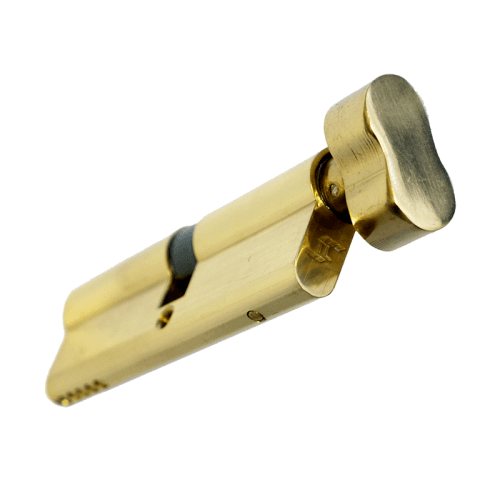
- TL Thumb Turn Euro Cylinder
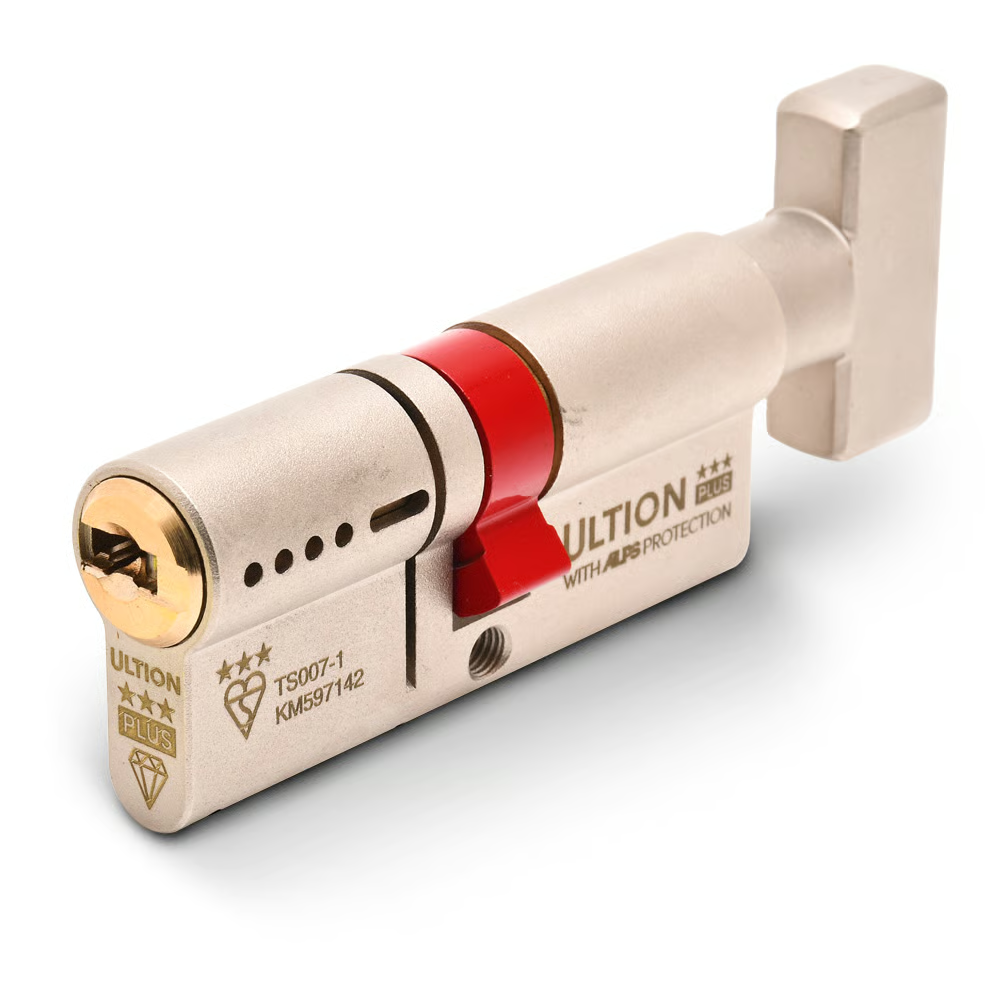
- Ultion Plus TS007 3* Kitemarked Euro Key & Turn Cylinder
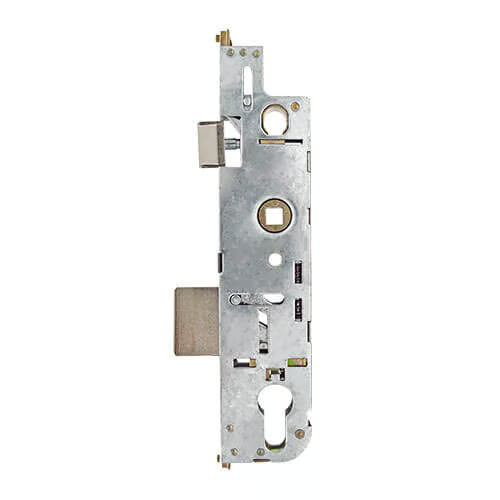
- Multipoint Gearbox GU Old Style
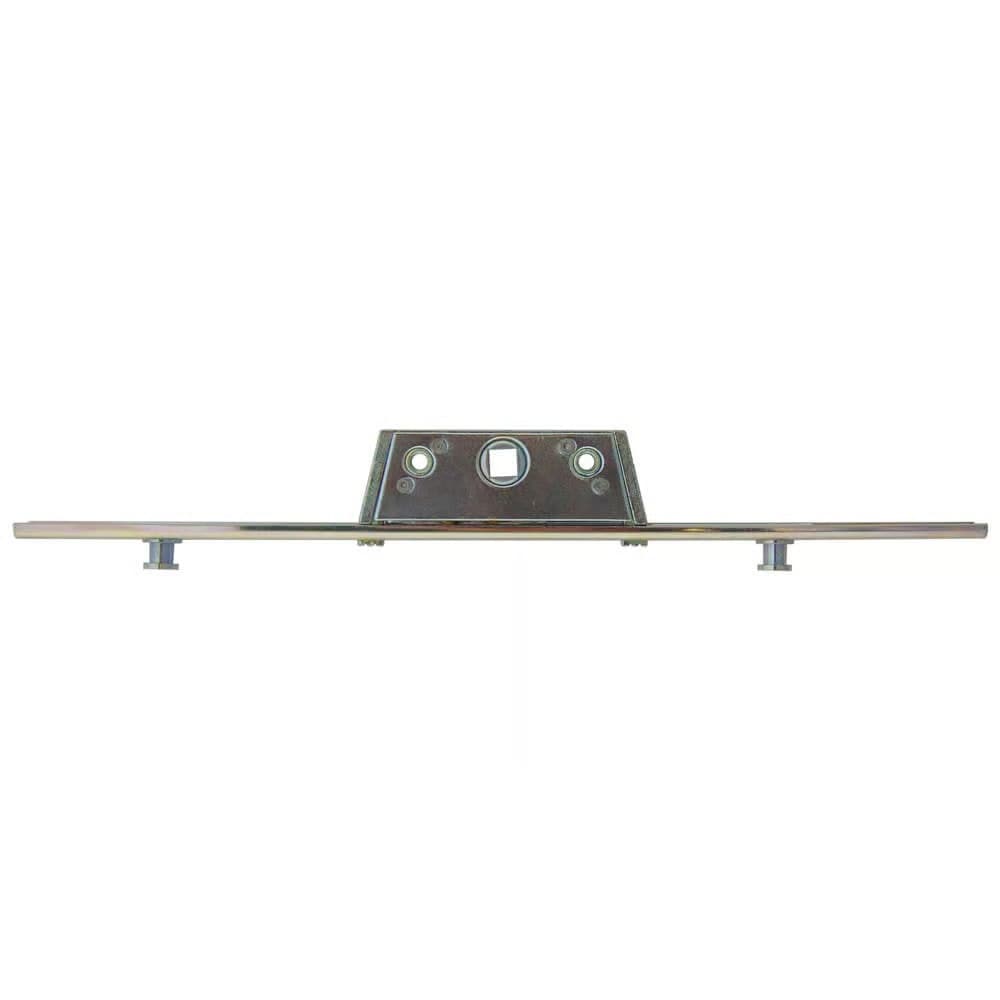
- In-Line Window Mechanism
- Offset Window Mechanism
Conclusion and next steps
To summarise: a multipoint door lock is the multi-point mechanism that secures the door along its height; a euro cylinder is the removable key-operated component that actuates that mechanism. Both must be correct for good security and smooth operation. For homeowners suspecting a weak cylinder or poor lock function, start by replacing the euro cylinder with a TS007 3-star anti-snap model and carry out simple maintenance on the multipoint locking unit. If the gearbox is worn or the door is misaligned, contact a reputable locksmith or door hardware specialist to assess whether a full multipoint replacement is needed.
Next steps: measure your cylinder length and check your insurance requirements; if in doubt, call a qualified installer to assess multipoint keeps and gearbox condition. For trade customers, keep a stock of common cylinder sizes and a selection of multipoint gearboxes to provide quick, compliant repairs and upgrades.

Related articles
uPVC Door Lock Maintenance: Keep Your Lock Working Smoothly
uPVC Door Lock Maintenance: Keep Your Lock Working Smoothly A well maintained upvc door lock reduces call-outs, keeps a property secure and extends the lif...
Hook Lock Sizes and Compatibility: Matching Your Existing Lock
Hook Lock Sizes and Compatibility: Matching Your Existing Lock Replacing a hook lock can be straightforward if you know what to measure and what to check f...
Replacing Individual Hook Locks vs Full Multipoint Mechanism
Replacing Individual Hook Locks vs Full Multipoint Mechanism Deciding whether to replace a single hook lock or the entire multipoint mechanism is a common ...